
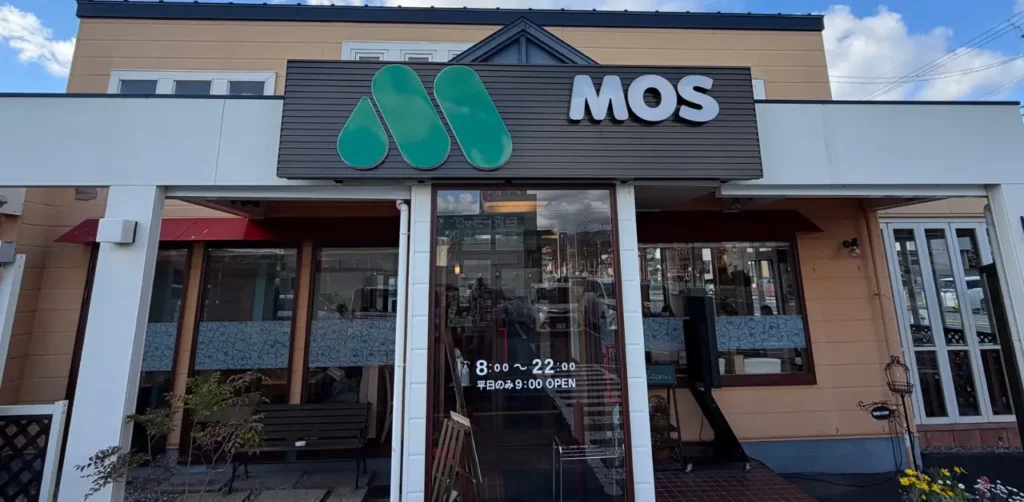
MOS Burger is a Japanese hamburger chain with around 1,300 restaurants across the country. You’ll find hamburgers and cheeseburgers, but the menu also includes Japanese-style burgers, unusual sauces and even burgers made with rice instead of bread.
I’d recommend trying the MOS Burger or one of the rice burgers on your first visit. Both offer something you wouldn’t normally find at McDonald’s.
It’s a good place to stop for lunch while sightseeing, particularly if you’re curious about Japanese fast food.
What makes MOS Burger different from McDonald’s?
The biggest differences are the menu and how the food is prepared.
MOS Burger uses ingredients associated with Japanese cooking, including teriyaki sauces, pork cutlets and rice. You’ll also find chicken, seafood and beef burgers.
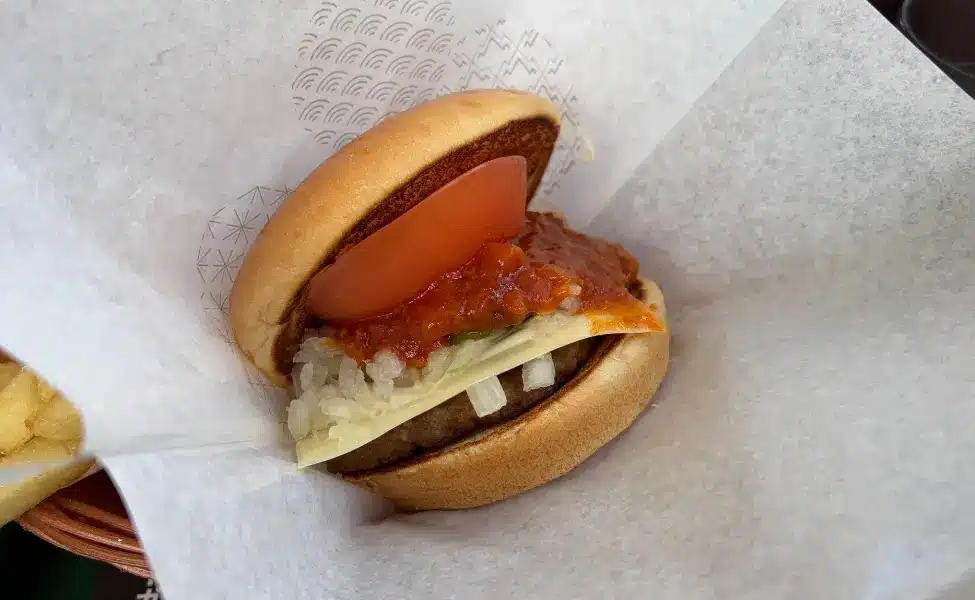
The chain prepares its burgers after you order rather than keeping finished ones ready to serve. Expect a little wait when the restaurant is busy.
Another detail is the name itself. MOS stands for Mountain, Ocean and Sun. The founder chose those three words to represent strength, generosity and passion.
What should you order at MOS Burger?
The MOS Burger
The MOS Burger is the obvious place to start.
It comes with a meat patty, sliced tomato, chopped onion and plenty of the chain’s meat sauce.
The sauce is what makes the burger stand out. It has a rich, meaty flavour from beef and pork, combined with the tanginess of tomatoes. Rather than being a small addition, the sauce is a major part of the burger.
It’s also fairly messy to eat.
MOS Burger recommends keeping it inside its wrapper because the sauce and vegetables can spill out. You can even dip your fries into any sauce left behind, which is something the company suggests itself.
For a first visit, this would be my pick if I wanted a hamburger with a rich tomato-based sauce.
The Teriyaki Burger
Another popular item is the Teriyaki Burger.
It combines a beef patty with lettuce, mayonnaise-style sauce and MOS Burger’s original teriyaki sauce.
The sauce uses miso and soy sauce, giving it a rich flavour with a balance of sweetness and saltiness.
MOS Burger updated the recipe in March 2026, reducing the sugar and adding apple purée and steamed onion for a gentler sweetness. Charred soy sauce, soy sauce mash and bonito contribute to the savoury flavour.
If you’re a fan of Japanese teriyaki dishes, you should enjoy this one.
Other burgers
There’s more on the menu beyond the two main recommendations.
You’ll find chicken burgers, a fish burger, a shrimp cutlet burger, a pork cutlet burger and hot dogs.
MOS Burger also introduces seasonal products, so you may see other items when you visit.
What is a MOS Rice Burger?
A MOS Rice Burger replaces the usual bread bun with two flattened portions of grilled rice.
The rice is brushed with soy sauce and grilled, giving it a lightly crisp exterior while keeping the inside softer. The two pieces hold the filling together, so you eat it much like a hamburger.
MOS Burger introduced rice burgers in 1987, using rice as the basis for a new kind of fast food.
One version I’d recommend looking at is the Kaisen Kakiage Rice Burger.
Kakiage is a Japanese fritter, and this version contains shrimp, squid, onion, carrot and edamame. It comes with a sauce containing sesame oil and salted kombu, which is seasoned seaweed.
The seafood, vegetables and grilled rice make it closer to something you’d eat at a Japanese restaurant than a standard beef burger.
For seafood lovers, this would be my recommendation.
There’s also a yakiniku version filled with seasoned beef, which might suit you better if you’re not keen on squid or shrimp.
Of all the menu items, I’d say the rice burger gives you the strongest reason to visit MOS Burger while you’re in Japan.
How much does MOS Burger cost?
MOS Burger is fairly affordable, although some of its products cost more than basic McDonald’s burgers.
Here are the standard menu prices checked in November 2026.
| Item | Price |
|---|---|
| Hamburger | ¥250 |
| Cheeseburger | ¥300 |
| MOS Burger | ¥500 |
| Teriyaki Burger | ¥490 |
| Kaisen Kakiage Rice Burger | ¥510 |
| Medium fries | ¥340 |
| Onipote (fries and onion rings) | ¥340 |
A regular set adds ¥450 to the burger price. That includes a drink and a side, such as medium fries or Onipote.
For example, a MOS Burger set costs ¥950, a Teriyaki Burger set costs ¥940, and a Kaisen Kakiage Rice Burger set costs ¥960.
So you can get a burger, fries and a drink for around ¥1,000.
For comparison, a basic hamburger at McDonald’s Japan starts at ¥190, while its cheeseburger starts at ¥240.
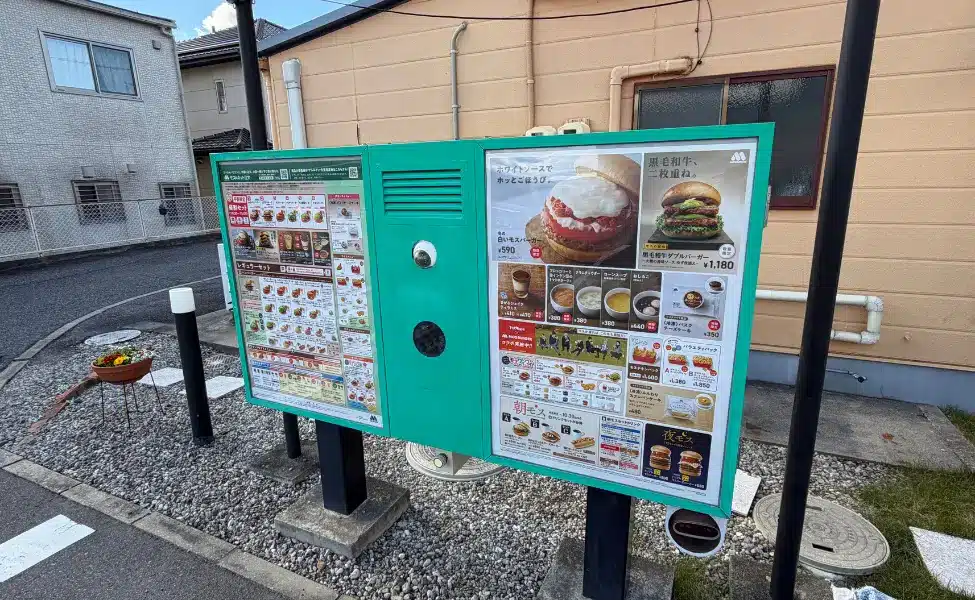
MOS Burger charges more for those equivalent items, but you’re getting its own sauces, Japanese-style products and made-to-order preparation.
Eating in and taking away cost the same at MOS Burger, even though Japan applies different consumption tax rates to the two.
All the prices above include tax. A few branches, including certain MOS Cafe locations, charge differently.
How do you order at MOS Burger without speaking Japanese?
Ordering is simple, even if you can’t speak Japanese.
At most branches, choose your food from the menu and order at the counter. You can eat inside or take your meal away.
After paying, you’ll usually receive an order number. The staff prepare your food and hand it over when it’s ready.
These two Japanese phrases will help.
- 店内でお願いします (tennai de onegaishimasu) means eating in, please.
- 持ち帰りでお願いします (mochikaeri de onegaishimasu) means takeaway, please.
MOS Burger has an English-language menu on its official website. You can look at the products beforehand or show the staff what you’d like.
Some branches also offer QR-code ordering from your table.
How can you pay?
MOS Burger accepts cash, and many branches take credit cards and electronic payments, including transport IC cards such as Suica and PASMO.
Some locations also accept barcode payments.
The payment methods available at each shop are listed in the official store finder.
You can also order takeaway online and choose a collection time. There’s no need to create an account, and online payment options include credit cards, Apple Pay, PayPay and d Barai.
What about vegetarian options and food allergies?
MOS Burger offers soy-patty products, but replacing the meat patty doesn’t necessarily make the entire burger vegetarian. Some buns and sauces contain animal-derived ingredients.
One plant-based option is the Avocado Basil Burger with a Rice-Flour-Containing Bun.
It contains a soy patty, avocado, tomato, lettuce and onion, with a separate basil tartare sauce made using plant-based mayonnaise.
MOS Burger says the main ingredients contain no animal-derived foods. However, the company doesn’t recommend it for strict vegans because its factories and restaurants also handle animal products.
The bun contains both wheat flour and rice flour, so it’s not suitable for someone avoiding wheat.
Rice burgers can contain meat or seafood, so the rice buns alone don’t tell you whether a product is vegetarian.
Anyone with food allergies should use MOS Burger’s official allergen information before ordering. The company publishes details for individual products, including possible cross-contact during preparation.
Where can you find MOS Burger in Japan?
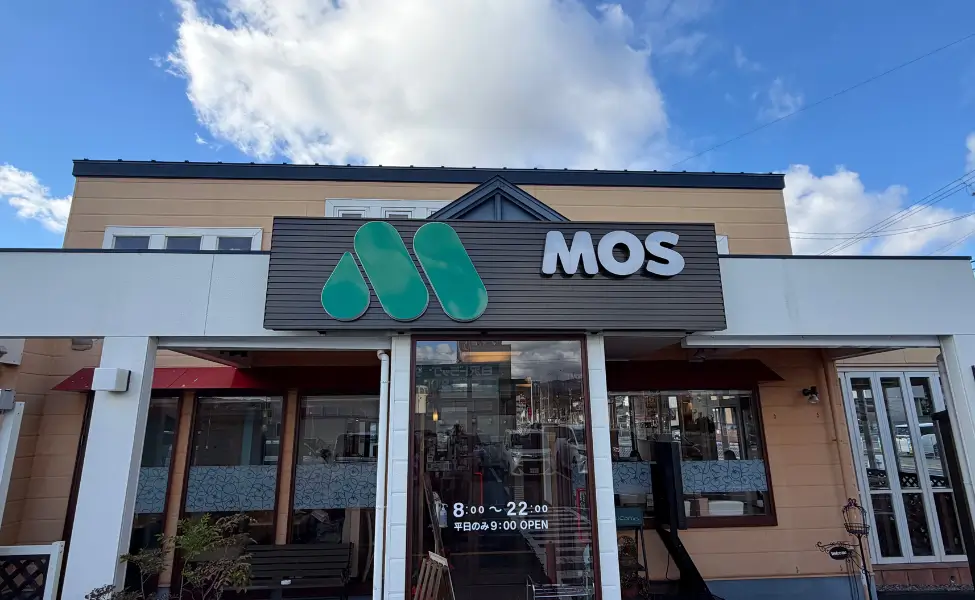
MOS Burger has restaurants throughout Japan, including branches in shopping centres, near railway stations and in residential areas.
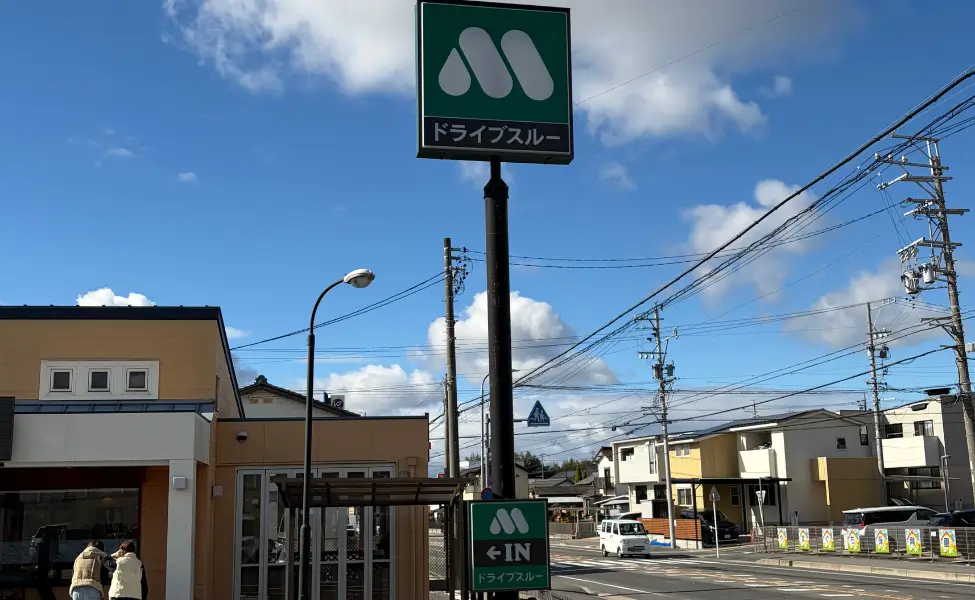
You can use the official MOS Burger store finder to search by location, station or address.
It also shows opening hours, payment facilities and available services.
There’s no need to seek out a special branch. A convenient one near your accommodation or somewhere you’re already visiting will do.
Is MOS Burger worth trying in Japan?
Yes, I’d recommend giving it a try if you’re curious about Japanese-style hamburgers.
The MOS Burger is the one I’d start with for its rich meat sauce, while the Teriyaki Burger suits anyone who prefers a sweet soy-based sauce.
For something less familiar, I’d go for the rice burger.
You don’t need to rearrange your sightseeing plans to fit MOS Burger in. But when lunchtime comes around and there’s a branch nearby, it’s an easy place to get a Japanese-style fast-food meal for around ¥1,000.
