
Eating well in Japan does not require guesswork, local contacts, or blowing your budget.
Reliable, good quality meals are built into daily life, and they remain affordable even after recent price rises.
If you know which chains to use and when to use them, you can eat properly for the price of a coffee in many Western cities.
Expect full meals in the ¥300 to ¥900 range, clear ordering systems, and consistent quality across cities like Tokyo, Osaka, and Nagoya.
If you want food that is fast, filling, predictable, and genuinely good value, these are the places that deliver. No gimmicks, no tourist pricing, and no reliance on luck.
Quick Budget Reality Check
Budget chains remain genuinely affordable compared to Western fast food.
A regular gyudon (beef bowl) at major chains costs ¥450 to ¥480.
Conveyor belt sushi starts at ¥110 to ¥120 per plate.

Most meals fall in the ¥400 to ¥900 range, including tax.
Late-night surcharges now apply at several chains.
After 10pm, expect an additional 7 to 10 percent at Sukiya and Matsuya.
The Big Three Gyudon (Beef Bowl) Chains
Gyudon chains dominate budget dining across Japan.
All three use automated ordering via ticket machines or tablets.
Most locations operate 24 hours. Free water arrives automatically at your table.
Yoshinoya
Yoshinoya pioneered the gyudon concept in 1899 and remains widely available across Japan.
Their regular beef bowl costs ¥450 (as of late 2025, up from ¥430 earlier in the year).
The thin slices of beef simmer in sweet soy sauce over fluffy rice.
Breakfast options include traditional sets with miso soup and rice for under ¥500.
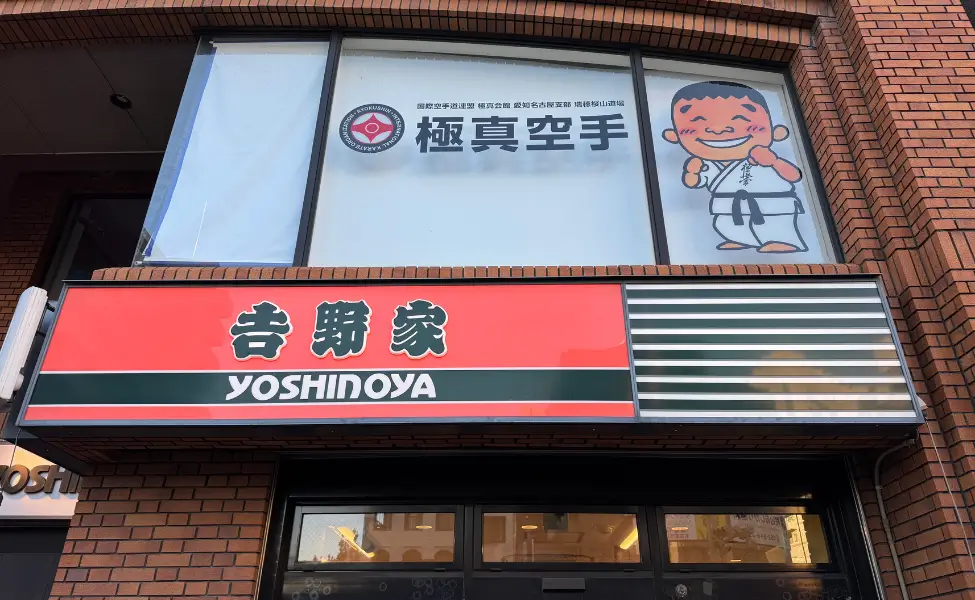
You order verbally at the counter or via tablet at your table.
The orange and red signage makes locations easy to spot, particularly near major train stations.
Service moves quickly, making Yoshinoya ideal when you have limited time between sightseeing activities.
Key detail: Yoshinoya recently cancelled a planned price increase after customer feedback, maintaining current pricing through early 2026.
Sukiya
Sukiya operates over 1,900 locations across Japan, making it the most accessible gyudon chain.
A regular gyudon now costs ¥450 after Sukiya reduced prices in September 2025.
This represents a significant shift, as prices had been rising steadily since 2014.
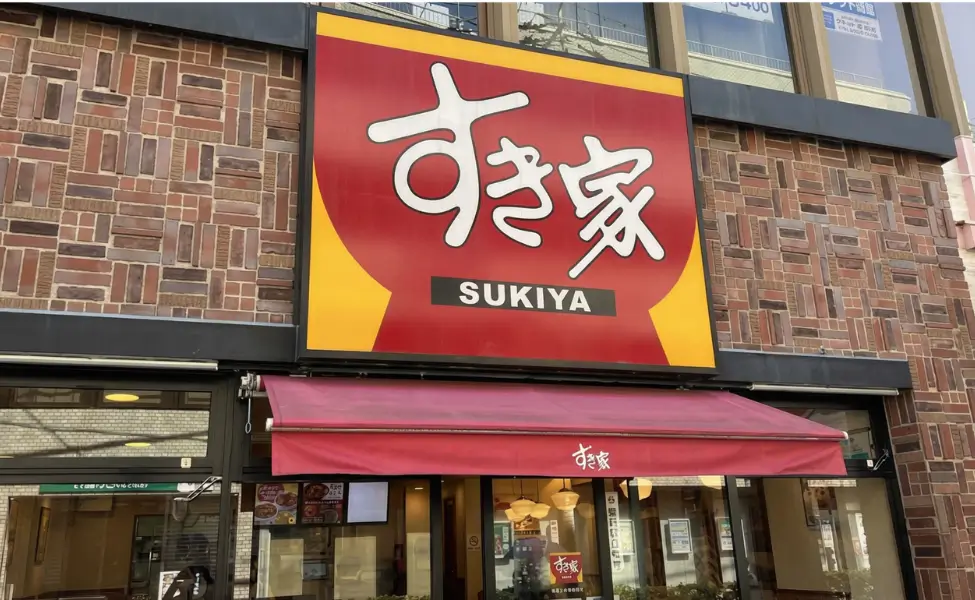
Mini bowls cost ¥390, large bowls ¥650, and extra-large ¥850.
Sukiya excels at customisation.
You can add cheese, kimchi, grated radish, green onion omelette, or other toppings.
Their set menus combine gyudon with curry rice, breakfast items, and seasonal specials.
Many locations feature 24-hour operation.
Order via tablet at your table.
The touchscreen displays pictures, helping navigate even without Japanese language skills.
Note the late-night surcharge of 7 percent between 10pm and 5am.
Money-saving option: Sukiya’s app offers the Suki Pass system.
Pay ¥200 upfront and receive ¥70 off each gyudon purchase.
You can use it up to three times daily for an entire calendar month.
Matsuya
Matsuya competes on price.
A regular gyudon costs approximately ¥380 to ¥430 depending on current promotions.
Every dine-in order includes free miso soup, adding value that competitors charge extra for.
The teishoku (set meal) options pair protein with rice, miso soup, and pickles for balanced nutrition.
Matsuya features more diverse menu options than pure gyudon chains.
Their grilled chicken, pork cutlet, and curry rice attract customers seeking variety.
Many locations use ticket vending machines at the entrance with English language options.
The ordering process is straightforward.
Purchase your ticket at the machine, sit down, and wait for your number to appear on a screen.
Pick up your meal from the counter.
This self-service system keeps operational costs and prices low.
Breakfast advantage: Matsuya’s Morning Special Beef Plate runs between 5am and 11am for ¥390. v
Conveyor Belt Sushi (Kaiten-Zushi)
Revolving sushi offers fresh fish at budget prices.
Both major chains use automatic ordering systems and track your bill by counting the plates you consume.
Most locations accept IC cards (Suica, Pasmo) and cash.
Credit cards are increasingly available but check before ordering.
Kura Sushi
Kura Sushi serves sushi plates starting at ¥115 after a price increase in October 2022.
Standard plates contain two to three pieces of sushi.
The main price categories are ¥110, ¥120, ¥130, and ¥150 for regular items, with seasonal and premium dishes costing more.

Kura Sushi emphasises food safety.
They use no chemical seasonings, artificial sweeteners, synthetic colourings, or artificial preservatives.
Each plate arrives with a hygiene cover. Security cameras monitor conveyor belts to prevent tampering (a response to sushi terrorism incidents in 2023).
Order via tablet and watch your sushi arrive on the conveyor belt above your table.
The system tracks your plates automatically.
Every five plates you finish, insert them into a slot on your table to play a mini-game for prizes.
Kura Sushi locations are abundant, with the world’s largest location near Tokyo Skytree at Oshiage Station.
Sushiro
Sushiro leads conveyor belt sushi chains in revenue and popularity.
In October 2024, Sushiro ended its legendary 40-year run of ¥100 sushi plates, implementing price increases.
Yellow plates now cost ¥120 (previously ¥110), red plates ¥180 (previously ¥165), and black plates ¥330 (previously ¥300).
The quality surprises many visitors.
Sushiro sources fish globally for freshness rather than relying solely on domestic suppliers.
The ordering tablet offers multiple languages including English, Korean, and Chinese.
Your customised order arrives quickly on a designated lane marked for your seat.
Peak-hour wait times can stretch long, particularly on weekends.
Japanese Curry
CoCo Ichibanya dominates the Japanese curry market with over 1,400 locations.
The chain originated in Ichinomiya, Aichi Prefecture near Nagoya, making it a local success story.
CoCo Ichibanya
Pricing at CoCo Ichibanya is higher than other budget chains.
A basic vegetarian curry costs ¥683 (the cheapest option).
Most meat-based curries range from ¥750 to ¥950 before toppings.
Complete set meals with sides typically cost ¥1,000 to ¥1,200.
This represents a significant increase from historical pricing due to rising ingredient costs.

The appeal lies in customisation.
You choose your protein, rice amount (200 grams to 500 grams), and spice level from mild to level 10.
Topping options range from standard choices like fried chicken and pork cutlet to unique additions like cheese, spinach, and soft-boiled eggs.
Most toppings add ¥50 to ¥300 to your bill.
The curry itself tastes sweeter and milder than Indian curry, reflecting Japanese palate preferences.
Vegetarian options exist, including a dedicated plant-based curry.
Order at your table using the picture menu or call staff over.
Payment happens when you finish eating.
Cost reality: CoCo Ichibanya is not a true budget option compared to gyudon or udon chains.
Ramen Chains
Ramen prices have risen noticeably.
Most bowls now cost ¥600 to ¥1,000, with premium bowls exceeding ¥1,200.
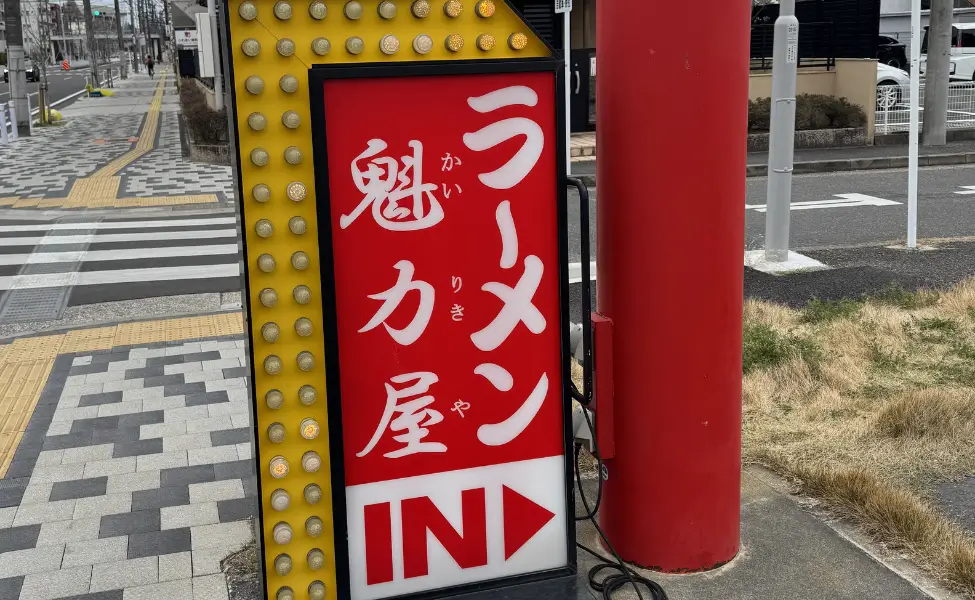
Sugakiya
Sugakiya built its reputation as the quintessential Chubu region comfort food chain.
Each customer orders at a counter and settles into a simple seat, designed for quick, casual dining rather than lingering.
Staff hand over your bowl with no ceremony, keeping the whole experience unpretentious and efficient.
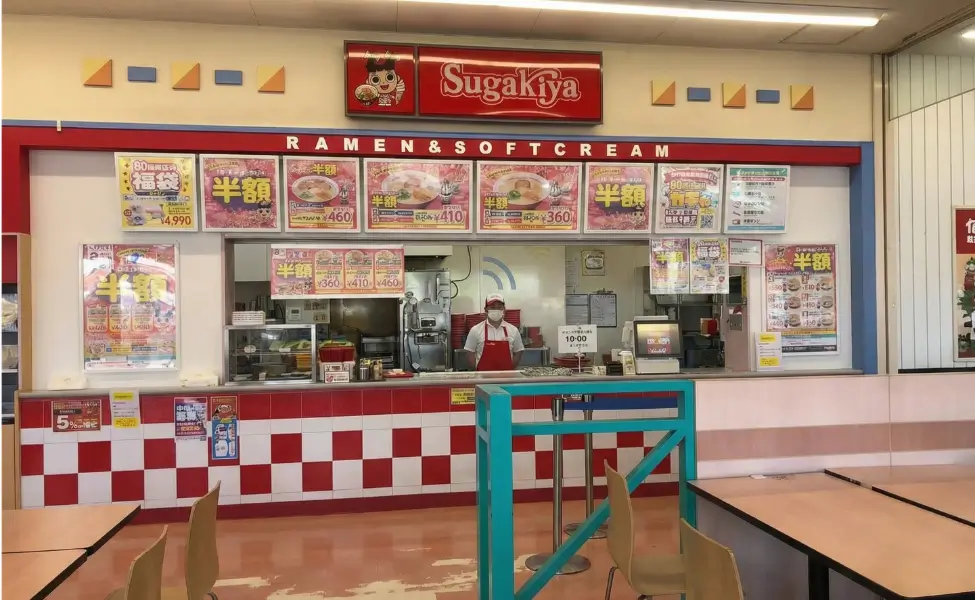
Wa-fu ramen (Japanese-style pork and dried sardine broth) costs around ¥390, making it one of the most affordable ramen options in the country.
You’re paying for honest, regional flavour rooted in Nagoya’s food culture. Sugakiya’s broth recipe has remained largely unchanged for generations.
Many locations sit inside supermarkets and shopping malls across Aichi and surrounding prefectures.
The chain remains almost entirely regional, with little presence outside the Tokai area.
Signature detail: the specially designed ramen fork, a hybrid utensil combining a fork and a spoon, is unique to Sugakiya and considered a minor icon of Nagoya food culture.
Kairikiya
Kairikiya serves Kyoto-style shoyu ramen built on a clear chicken bone broth, finished with a ladle of pork back fat and a proprietary soy sauce developed from the founder’s family heritage as Kyoto soy sauce merchants.
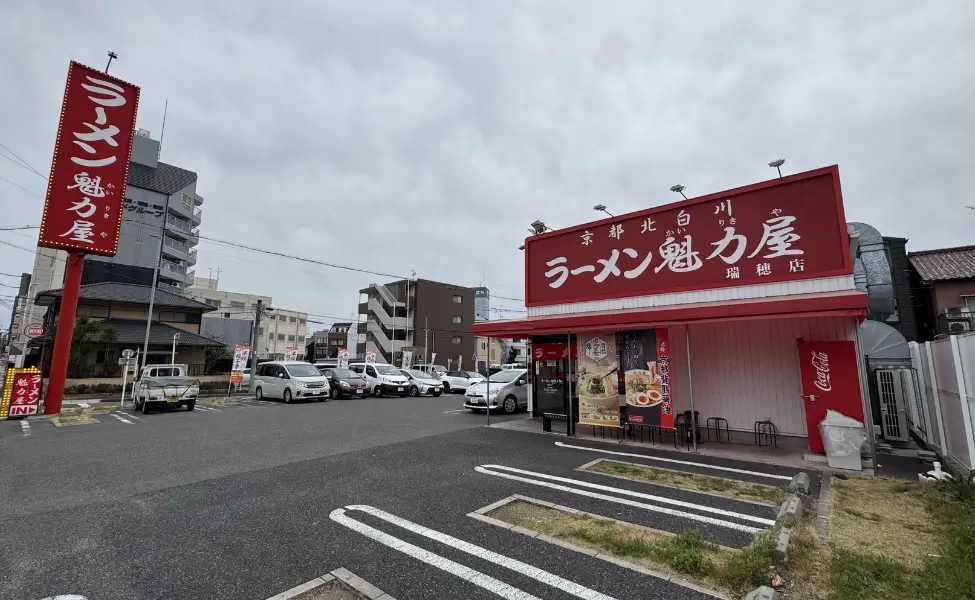
The result is light yet surprisingly rich.
The flagship Tokusei Shoyu Ramen starts at around ¥720, with noodle firmness ordered to preference.
Adding a fried rice set costs just ¥260 extra, making the average spend around ¥1,000.
The roughly 60-item menu also includes gyoza, set meals, and seasonal limited ramen that rotates every six weeks.
Around 151 locations operate nationwide as of late 2024, spread across Kansai, Kanto, and Tohoku.
Most branches sit on roadside plots with generous parking and spacious booth seating, making Kairikiya a genuine family destination rather than a quick counter-ramen stop.
Udon Noodles
Marugame Seimen
Marugame Seimen serves fresh udon noodles made right in front of you.
The cafeteria-style setup lets you watch noodle preparation, then select tempura sides from a display.
Kake udon (plain noodle soup) starts at ¥300.
Add tempura pieces for ¥100 to ¥200 each.
Free condiments sit at a self-service bar where you can pile on spring onions, tempura bits, and various sauces without charge.
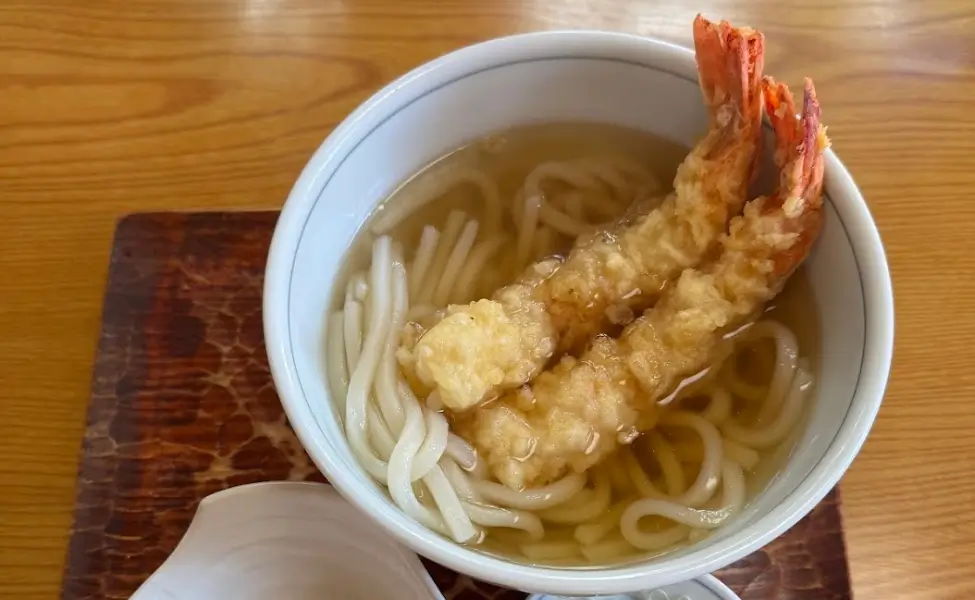
Vegetarian options exist, though tempura gets fried in shared oil.
The process is efficient.
Grab a tray, order your udon size and type, pick your tempura, pay at the register, and find a seat.
Service moves lightning fast since everything is selected at the counter.
Return your tray when finished.
Locations are widely available across Japan.
The high volume and simple menu keep prices low.
Tonkatsu (Breaded Pork Cutlet)
Katsuya
Katsuya specialises in crispy breaded pork cutlets served with shredded cabbage, miso soup, and rice.
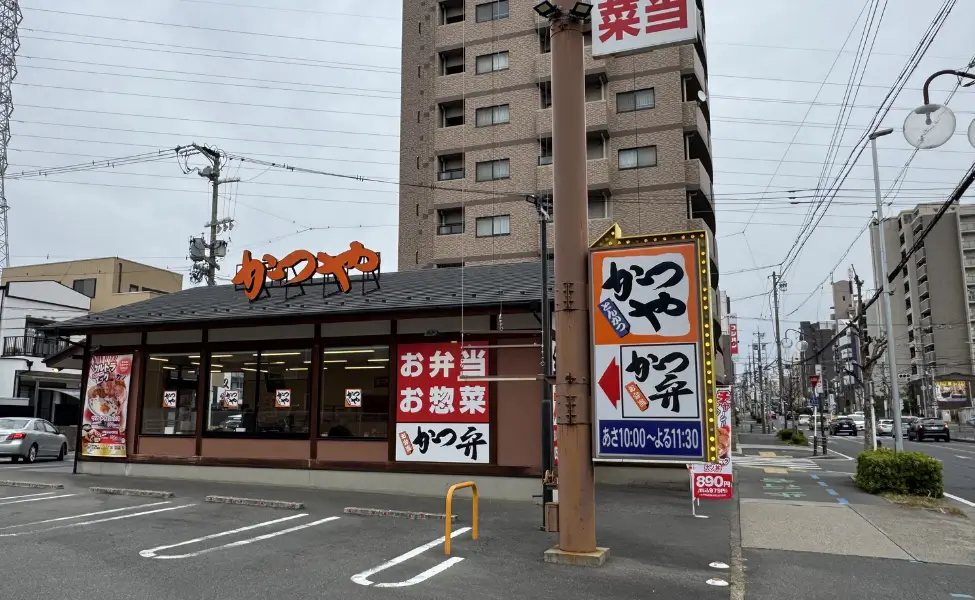
Set prices range from ¥500 to ¥900 depending on cutlet size and type.
Everything arrives piping hot with satisfying crunch when you bite through the breading.
Katsuya also offers katsudon (pork cutlet with egg over rice) and curry katsu (tonkatsu with Japanese curry).
The chain operates as part of a larger restaurant group, often sharing buildings with sister chains. Look for signage near train stations.
Order via ticket machine, then wait for your number to be called.
Japanese-Style Burgers
Mos Burger
Mos Burger brings Japanese flavours to the burger format, founded in 1972.
Their signature innovation is the rice burger, which substitutes round pressed rice patties for traditional buns.
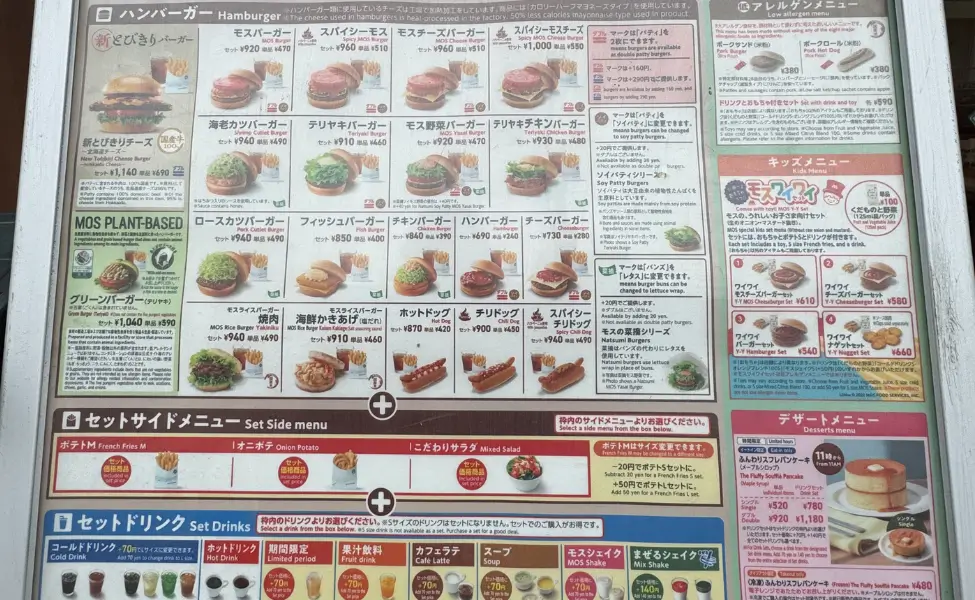
Fillings include yakiniku (grilled beef), shrimp tempura, and other Japanese ingredients.
Standard burgers feature teriyaki sauce, shrimp cutlet, fish, and other Japanese-inspired options. Prices range from ¥400 to ¥800 per burger.
Quality surpasses typical fast-food chains.
Ingredients taste fresher, vegetables look crisper, and portions satisfy without feeling greasy.
Many locations offer seasonal limited items worth trying.
Order at the counter, take your number, and wait for your tray.
Some locations feature table ordering via tablet.
Western-Style Budget Dining
These chains serve interpreted Western food at remarkably low prices.
They’re useful when you need menu variety or want dining options outside Japanese specialities.
Saizeriya
Saizeriya brings Italian-influenced food to Japan at shockingly low prices.
With over 1,100 locations, you’ll find this chain everywhere.
A margherita pizza costs ¥399. Pasta dishes start at ¥299.
Wine pricing deserves special mention.
A glass costs ¥100. Yes, ¥100.
A bottle runs around ¥1,000.
The quality won’t win awards, but for the price, it’s unbeatable for value.
The menu includes salads, appetisers like escargot, doria (rice gratin), and desserts.
All-you-can-drink soft drink bars cost around ¥200. Saizeriya is popular with students, families, and anyone watching their budget.
Expectations should be calibrated.
This is Japanese interpretation of Western food, not authentic Italian cuisine.
The atmosphere feels casual and slightly cafeteria-like.
Gusto
Gusto operates as a family restaurant serving both Western and Japanese dishes.
The massive menu includes hamburger steaks, pasta, curry rice, teishoku sets, and more.
Something exists for everyone’s preferences.

Prices range from ¥600 to ¥1,200 per dish.
The drink bar (all-you-can-drink soft drinks) costs around ¥200 extra.
Little kids receive colouring books and crayons, making this family-friendly.
Over 1,200 Gusto locations span Japan.
Many operate 24 hours a day.
Order via tablet at your table, browsing pictures of every dish.
The system lets you order throughout your meal, not just at the beginning.
Quality falls into reliable but unremarkable territory.
You won’t experience the best food you’ve ever eaten, but you’ll leave satisfied without spending much.
Ready-Made Options
These options require no sit-down dining time and work well for breakfast, light meals, or when you’re rushed.
Convenience Stores
Japanese convenience stores (7-Eleven, FamilyMart, Lawson) revolutionise the concept of quick food.
They offer hot food, fresh bentos, onigiri (rice balls), sandwiches, and drinks 24 hours daily.
Bentos range from ¥400 to ¥800 and include rice, protein, vegetables, and pickles.
Onigiri cost ¥100 to ¥150 each.
The fried chicken (karaage) at Lawson and FamilyMart achieves cult status among locals.

Hot food cases near registers hold oden (fish cake stew), steamed buns, and fried foods. Seasonal items rotate monthly.
The egg sandwiches deserve their reputation as surprisingly delicious.
Use the in-store microwave for heating.
Grab chopsticks, wet wipes, and napkins from the counter.
Eat at small standing tables some stores provide, or take your food to go.
Supermarket Bentos
Supermarkets prepare fresh bentos, sushi, and side dishes daily in their deli sections.
Prices undercut convenience stores, especially after 7pm when staff apply discount stickers.

Late-evening shopping rewards patience.
A ¥700 bento drops to ¥350.
Sushi platters receive 30 to 50 percent discounts.
Food remains fresh since supermarkets prepare it that day.
Major chains include Aeon, Ito Yokado, and Life.
Look for prepared food sections near the entrance or basement floors of department stores.
Selection peaks around dinner time before discount stickers appear.
After 9pm, many locations begin clearing stock for the next day.
Quality matches or exceeds convenience store offerings.
You’ll find more variety and larger portions.
The downside is limited late-night hours compared to 24-hour convenience stores.
Money-Saving Strategies
Download apps: Sukiya, Yoshinoya, and major chains offer digital coupons and points through official apps.
Some provide English interfaces.
Time your visits: Lunch sets (ranchi setto) offer better value than dinner prices at the same restaurants.
Most chains run 11am to 2pm lunch specials with extra sides or larger portions.
Use IC cards: Suica, Pasmo, and other IC cards work at most chains and speed up payment at ticket machines.
Many tourists buy IC cards at stations and top them up at convenience stores.
Avoid late-night surcharges: Several 24-hour chains (Sukiya, Matsuya, Ichiran) charge 7 to 10 percent extra between 10pm and 5am.
Eating earlier saves money.
Never pay for water: Water comes free at all restaurants.
Staff bring it automatically, or find self-service water stations.
This is non-negotiable in Japan.
Breakfast timing: Matsuya’s morning special (¥390) available 5am to 11am offers exceptional value.
Yoshinoya and Sukiya also feature discounted breakfast sets.
Finding These Chains
Google Maps works perfectly for locating restaurants.
Search the English name and pins appear showing nearby locations.
Reviews help identify busy times and quality differences between branches.
Train stations guarantee several cheap eating options.
Major stations feature entire floors or underground areas filled with restaurants.
Look for signs pointing to restaurant zones.
Tourist areas charge higher prices at independent restaurants, but chains maintain consistent pricing everywhere.

