

You walk into a gleaming building where staff members bow as you enter, floors dedicated entirely to exquisite food beckon from below, and luxury brands stretch across multiple stories above.
Welcome to Japanese department stores, where shopping becomes an art form.
I’m taking you through the 10 best department stores across Japan.
From historic giants that began as kimono shops centuries ago to modern fashion hubs buzzing with pop culture, these stores offer experiences you won’t find anywhere else in the world.
What Makes Japanese Department Stores Special
Let me explain what sets these places apart.
Japanese department stores, called depato, deliver impeccable customer service that borders on theatrical.
Staff bow and greet you constantly.
The basement floors, known as depachika, showcase food so beautifully arranged it looks like art.
Gift wrapping reaches levels of precision that would make origami masters proud.
Most stores open around 10am and close at 8pm.
You’ll find cosmetics on the ground floor, women’s fashion on lower levels, men’s clothing higher up, and restaurants on the top floors.
Many stores also feature rooftop gardens where you can relax after shopping.
Best Department Stores in Japan – Quick Reference Guide
| Store | Main city or region | Specialty | Founded | Highlight |
|---|---|---|---|---|
| Mitsukoshi | Tokyo/Nationwide | Luxury & tradition | 1673 | Japan’s oldest department store |
| Takashimaya | Tokyo, Osaka, Kyoto | Elegance & prestige | 1831 | Pokemon Center & Watch Maison |
| Matsuzakaya | Nagoya (Chubu) | Heritage crafts | 1611 | Longest history, regional hub |
| Daimaru | Nationwide | Variety & convenience | Edo period | Tokyo Station location |
| Isetan | Tokyo (Shinjuku) | Trendsetting fashion | 1886 | Artist designed windows |
| Kintetsu | Osaka (Kansai) | Massive scale | 1920 | Japan’s largest store |
| Hankyu | Osaka, Kobe (Kansai) | Regional dominance | Railway era | Connected to transit hubs |
| Meitetsu | Nagoya (Chubu) | Local specialties | Railway era | Chubu region focus |
| Parco | Tokyo, Osaka, Nagoya | Fashion & pop culture | 1953 | Nintendo, Pokemon, Ghibli |
| Seibu | Tokyo/Regional | Accessible luxury | Railway era | Railway connected |
1. Mitsukoshi
The Oldest and Most Prestigious
Mitsukoshi claims the title of Japan’s oldest department store, tracing its roots back to 1673 when it started as a kimono shop called Echigoya in Tokyo’s Nihonbashi district.
The store officially became a department store in 1904, making it a pioneer of modern retail in Japan.
You’ll find Mitsukoshi locations across Japan, including flagship stores in Tokyo (Nihonbashi and Ginza), Osaka, Nagoya, Fukuoka, and Sapporo.

The Nihonbashi flagship features stunning architecture with its main hall resembling a palace.
Renowned architect Kengo Kuma renovated the first floor, creating a modern white forest design.
Mitsukoshi offers interpretation services in English and Chinese, tax-refund assistance, and even hotel delivery service for your purchases.
The depachika food basements span two floors with everything from Japanese tea to exquisite cakes and beautifully prepared bento boxes.
2. Takashimaya
Elegance Since 1831
Founded in 1831, Takashimaya stands as one of Japan’s most venerable and trusted department store chains.
The company maintains a reputation for exceptional service and carefully curated luxury items that appeal to discerning shoppers.
Takashimaya operates flagship stores in major cities including Tokyo (Nihonbashi and Shinjuku), Osaka, Kyoto, Yokohama, and Nagoya.
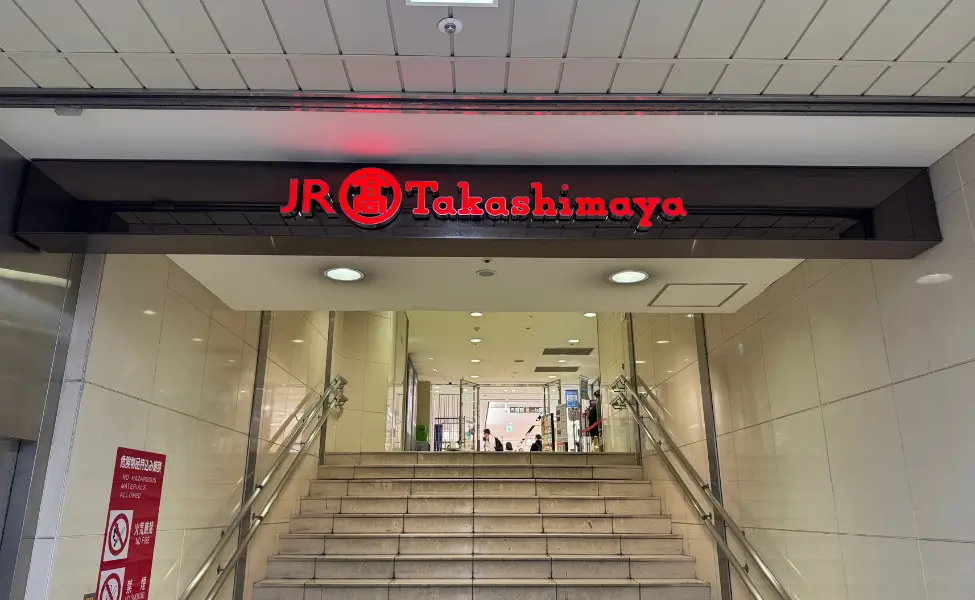
The Shinjuku location stands 14 floors high next to Shinjuku Station, making it easy to access.
Fashion ranges from kimonos to contemporary styles, while home sections display luxury housewares and furniture.
The store connects to Tokyo Hands, a famous DIY and crafts supply shop.
The basement food halls span two levels and showcase both Japanese and international cuisine.
During peak shopping seasons like cherry blossom time, expect packed aisles as locals and tourists hunt for spring gifts and limited edition treats.
3. Matsuzakaya
The True Original
Matsuzakaya holds the longest history of any Japanese department store, dating back to 1611 when it started as a kimono shop.
The store transformed into a modern department store in 1910.
In 1924, the Ginza location made history by allowing customers to wear street shoes indoors, something revolutionary at the time.
The Nagoya flagship store serves as the company’s main location, reflecting the city’s status as a major commercial hub in central Japan.
Additional Matsuzakaya stores operate in Tokyo and Shizuoka.
The chain merged with Daimaru to form Daimaru Matsuzakaya, strengthening its presence across the country.
Matsuzakaya emphasizes traditional Japanese craftsmanship alongside modern luxury goods.
The stores feature dedicated sections for kimono, pottery, and lacquerware.
The depachika food sections highlight regional specialties from across Japan, making them excellent places to find unique souvenirs and gifts.
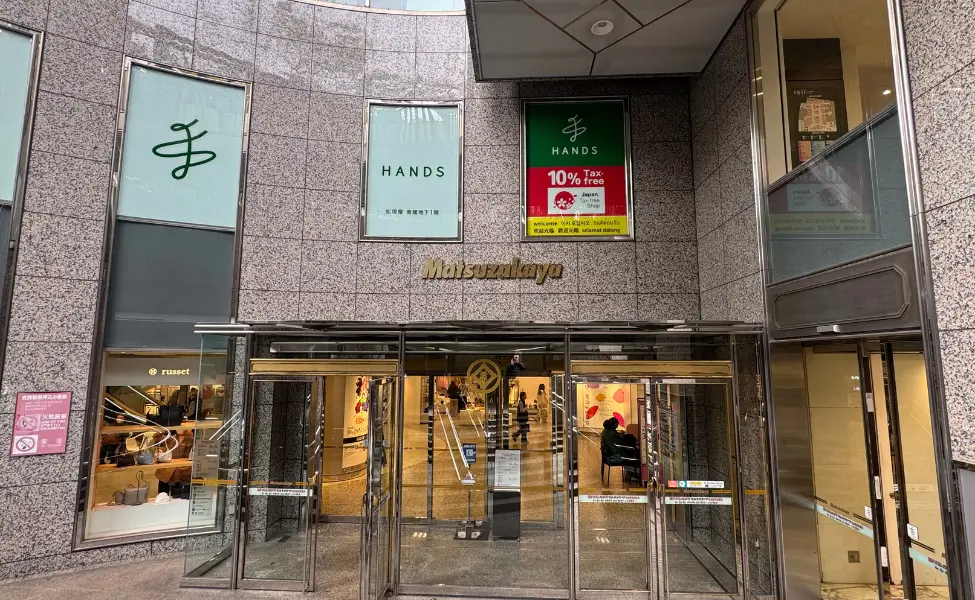
The Nagoya store particularly impresses with its selection of local Nagoya specialties and traditional crafts from the Chubu region.
You can spend hours exploring the different floors without feeling overwhelmed, as the layout flows logically from section to section.
4. Daimaru
Nationwide Excellence
Daimaru operates nearly 20 stores across Japan, making it one of the most accessible high end department store chains.
The company originated from a kimono shop in Fushimi, Kyoto during the Edo period, carrying centuries of retail tradition into the modern era.
Major Daimaru locations include Tokyo Station (directly connected for easy access), Osaka Shinsaibashi, Kyoto, Kobe, Sapporo, and Fukuoka.
The Tokyo Station location stands out as one of the most convenient department stores in Japan, perfect for grabbing gifts before catching a train.
The store spans 11 floors with everything from fashion to flowers.
The first floor and basement levels showcase an incredible selection of food, including freshly baked bread, sushi, souffle pancakes, mousse cakes, and sandwiches.
5. Isetan
The Trendsetter
Founded in 1886 as a kimono fabric shop in Tokyo’s Kanda district, Isetan evolved into one of Japan’s most influential department stores.
The company merged with Mitsukoshi in 2008, creating the largest department store group in Japan while maintaining distinct identities for each brand.
The flagship Isetan Shinjuku ranks as arguably the trendiest department store in the country.
The store commissions leading artists to create its window displays, setting trends that other retailers follow.
Inside, you’ll discover only the finest selections in food, clothing, and homeware across its multiple buildings.
Isetan Shinjuku dedicates seven floors to ladies’ fashion and homeware, with a separate Isetan Men’s building a block away devoted entirely to gentlemen’s fashion.
The beauty apothecary on the second basement floor and the food hall on the first basement level draw crowds daily.
International tourists can sign up for a Guest Card providing a 5 percent discount on most brands along with tax-free shopping privileges.
6. Kintetsu
Japan’s Largest
Kintetsu Department Store operates primarily in the Kansai region, with its crown jewel being the Abeno Harukas location in Osaka.
This store holds the distinction of being Japan’s largest department store, occupying 100,000 square meters across the lower floors of Japan’s tallest building (300 meters, 60 floors).
The Abeno Harukas store opened in 2014 and spans 14 floors above ground and 2 floors below in the Tower Building, plus 9 floors above and 2 below in the Wing Building.
Collections range from Louis Vuitton and Rolex to popular Japanese cosmetics, fresh food, and regional souvenirs.
The Foreign Customer’s Salon on the 3.5 floor of the Wing Building provides the highest level of service, with English and Chinese speaking staff available at all times.
The store includes free WiFi, luggage storage, and overseas delivery for purchases.
Other major Kintetsu locations include stores in Nara, Yokkaichi (Mie Prefecture), and Uehonmachi (Osaka).
The Nara store features a Yamatoji shop collecting specialty foods unique to Nara, plus Masashichi Nakagawa displaying traditional living tools from a 300 year old establishment.
In Nagoya, Kintetsu operates Pass’e, a youth focused department store above Kintetsu Nagoya Station.
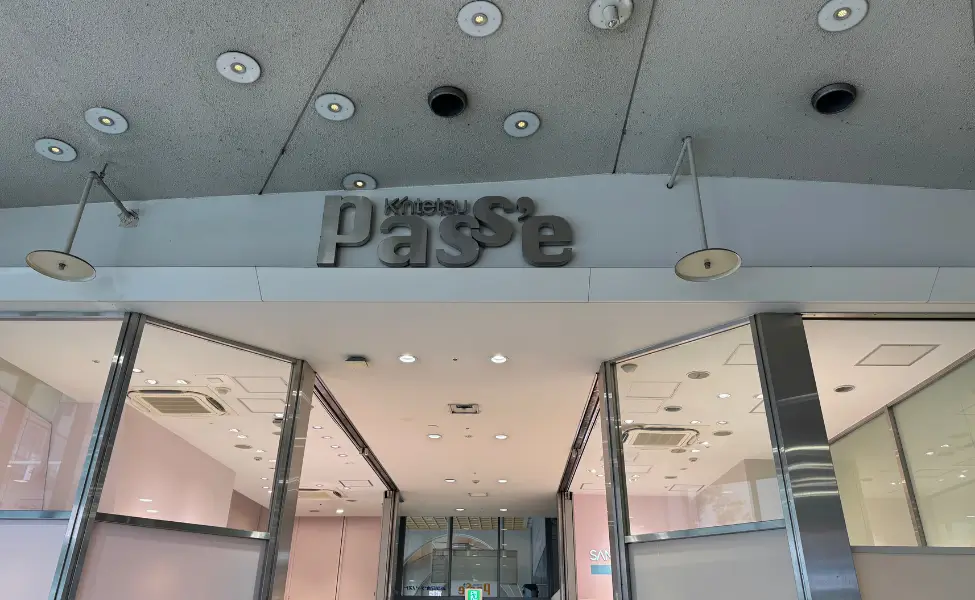
Pass’e targets shoppers aged 10 to 20 with more affordable prices than traditional department stores.
The 9th floor houses Tower Records, while other floors feature stores like Etude House cosmetics and fashion boutiques.
The basement presents prepared foods and bentos at budget friendly prices.
7. Hankyu
Kansai Retail Giant
Hankyu Department Stores dominate the Kansai region, particularly in Osaka and Kobe.
The company developed from railway operations, with stores built directly connected to train station terminals for maximum convenience.
The Umeda flagship in Osaka underwent major expansion, growing from 61,000 to 84,000 square meters to compete with neighboring stores.
The location sits at the heart of Osaka’s busiest shopping district, drawing massive crowds daily.
Hankyu excels at balancing luxury brands with accessible Japanese fashion.
The stores maintain high standards of customer service while creating an atmosphere less intimidating than some ultra luxury competitors.
Collections include cosmetics, women’s and men’s fashion, household goods, and impressive depachika food sections.
The Kobe location serves that city’s sophisticated shoppers with carefully curated selections.
The railway connection makes visiting Hankyu stores incredibly convenient when exploring the Kansai region.
8. Meitetsu
Nagoya’s Premier Store (Chubu Region)
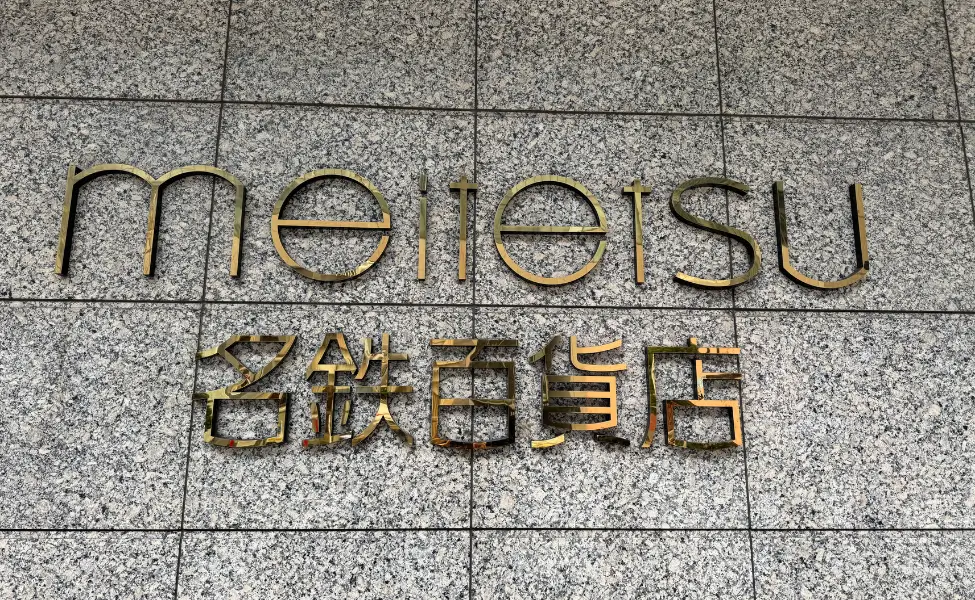
Meitetsu Department Store serves as Nagoya’s leading department store, reflecting the city’s importance as a commercial hub in central Japan.
The store connects directly to Nagoya Station, making it impossible to miss when arriving in the city.
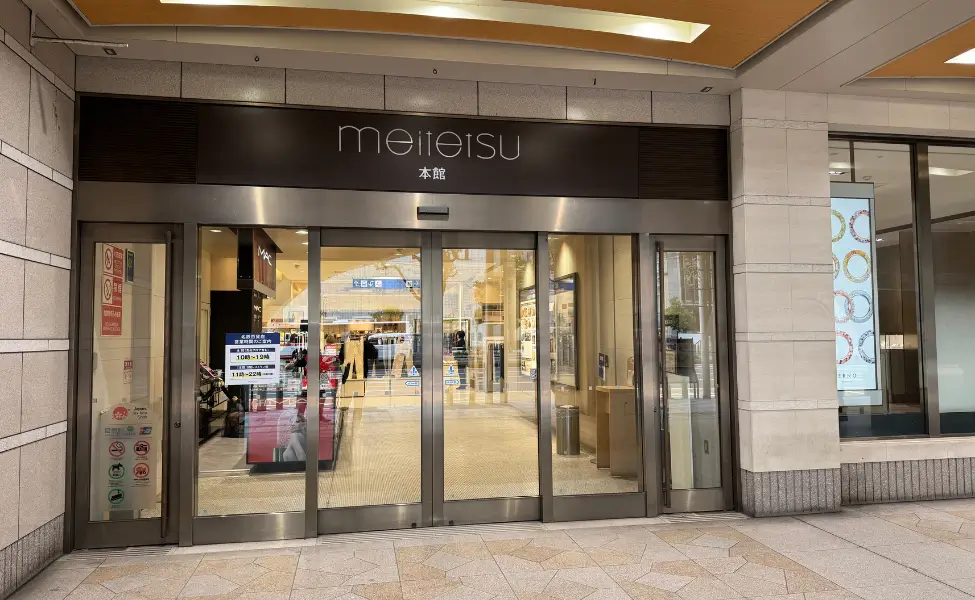
The store presents a comprehensive selection spanning fashion, cosmetics, home goods, and food.
The depachika showcases specialties from the Chubu region, including Nagoya’s famous foods and products from surrounding prefectures.
You can find items here that don’t appear in Tokyo or Osaka stores.
Meitetsu provides a less crowded alternative to Tokyo’s massive stores while maintaining high quality standards.
Staff are attentive yet unobtrusive, a hallmark of Japanese retail at its best.
The store layout makes navigation straightforward.
The restaurant floors feature both Japanese and Western cuisine with views overlooking Nagoya.
After shopping, you can relax with a meal while watching the city bustle below.
9. Parco
Fashion and Pop Culture Hub
Parco brings a younger, hipper vibe to the department store scene.
Founded in 1953, the chain operates fashion focused shopping complexes in major cities including Tokyo Shibuya, Osaka Shinsaibashi, Nagoya, and Fukuoka.

The Shibuya flagship reopened in 2019 with a completely reimagined concept.
While luxury brands like Gucci occupy the ground floor, the real magic happens upstairs.
The 6th floor, dubbed Cyberspace Shibuya, caters entirely to gaming, manga, and otaku culture with Japan’s first Nintendo store, a Capcom store, and the Shibuya Pokemon Center.
The basement Chaos Kitchen takes inspiration from Tokyo’s gritty yokocho alleyways rather than typical sterile food courts.
Inside, you’ll discover a vegan izakaya, an LGBT bar called Campy, and even a pub serving cicada parfaits for the adventurous.
Upper floors house art galleries, a cinema, and a rooftop terrace.
The Osaka Shinsaibashi location opened in 2020, featuring 150 shops across 14 floors.
The 6th floor Pop Culture Shinsaibashi showcases Donguri Republic (Studio Ghibli merchandise), Godzilla Store Osaka, and Capcom Store Osaka.
The basement Neon Restaurant Street creates an atmospheric dining experience.
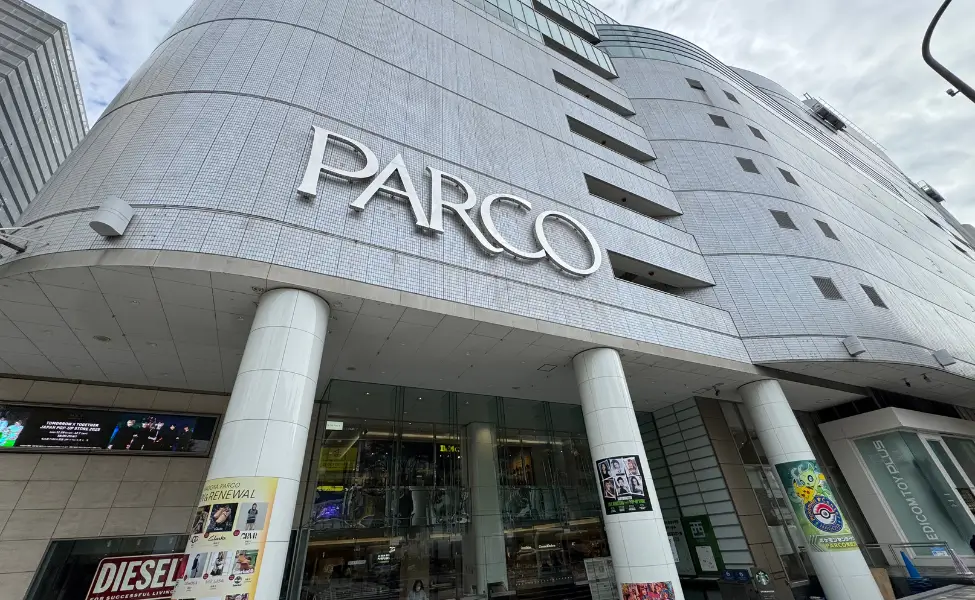
Parco stores blend high fashion with contemporary Japanese pop culture, creating destinations that appeal to younger travelers and anyone interested in anime, gaming, and modern Japanese creativity.
10. Seibu
Railway Connected Convenience
Seibu Department Stores developed alongside railway lines, establishing strong presences in Tokyo neighborhoods like Shibuya.
The chain also operates stores in regional cities across Japan.
The Shibuya location spans 5 buildings, housing leading brands in fashion, cosmetics, home goods, and restaurants.
The store connects directly to subway lines, keeping you dry during rain and cool during summer heat.
The selection balances luxury items with everyday practical goods.
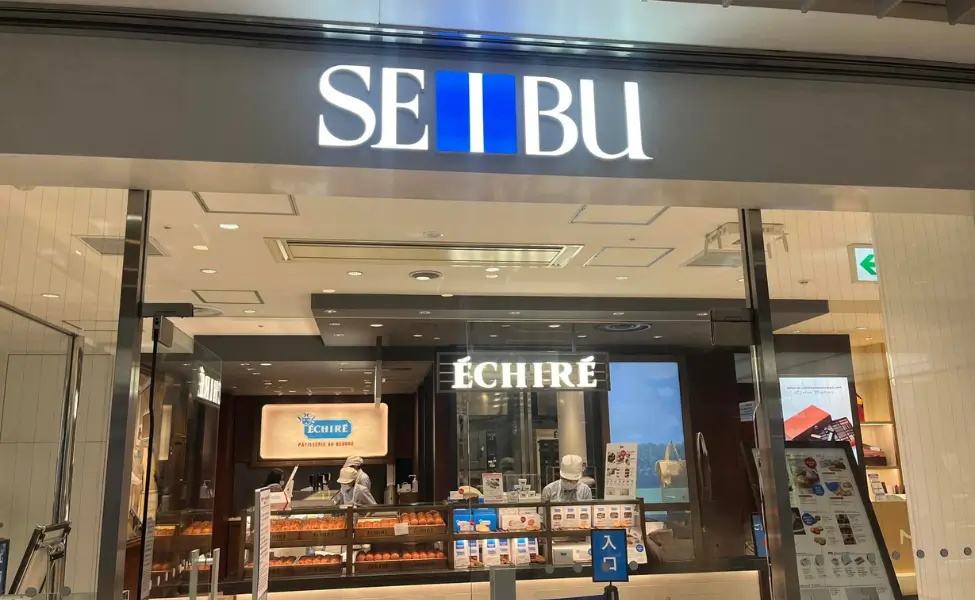
Seibu positions itself as more accessible than ultra luxury stores while maintaining quality standards. Collections include both international designer brands and popular Japanese labels.
The depachika food sections present excellent selections at various price points.
Payment and Accessibility
Most department stores accept major credit cards throughout the building, though cash remains preferred in some depachika food stalls and smaller specialty shops.
ATMs accepting international cards appear on multiple floors.
All major department stores feature wheelchair accessible entrances, elevators, and restrooms.
Multilingual signage in English, Chinese, and Korean helps navigation.
Many stores also provide wheelchairs and strollers for customer use.
Shopping Tips for Department Stores
Foreign tourists visiting Japan should bring their passports to qualify for tax-free shopping.
Most stores require minimum purchases around 5,000 yen to process tax refunds.
Head to the dedicated duty-free counter with your receipts, purchased items, and passport to receive your refund.

Many department stores present guest cards or apps providing additional discounts for tourists.
Ask at the information counter or Foreign Customer Service desk when you arrive.
Some stores also arrange hotel delivery service, saving you from carrying heavy bags around the city.
The depachika food basements close to closing time often discount prepared foods and bento boxes. I
If you visit around 7pm or 7:30pm, you might snag deals on items that won’t keep until the next day.
Department stores close on January 1st but open during other holidays.
Weekends and holidays draw the biggest crowds.
If you prefer a calmer experience, visit on weekday mornings right when stores open.
Your Department Store Journey
You can experience traditional Japanese retail culture at its finest by visiting these 10 department stores.

Mitsukoshi, Takashimaya, and Matsuzakaya bring centuries of history and prestige.
Daimaru and Isetan deliver nationwide accessibility and trendsetting selections.
Kintetsu impresses with sheer size and regional presence across Kansai.
Hankyu and Meitetsu dominate their respective regions with carefully curated offerings.
Parco and Seibu inject modern energy into the scene, with Parco particularly appealing to anyone interested in Japanese pop culture.
Whether you’re chasing vintage elegance or neon lit pop culture, Japan’s department stores remind you that shopping here is never just about buying things.
It’s about experiencing perfection in every detail.
