
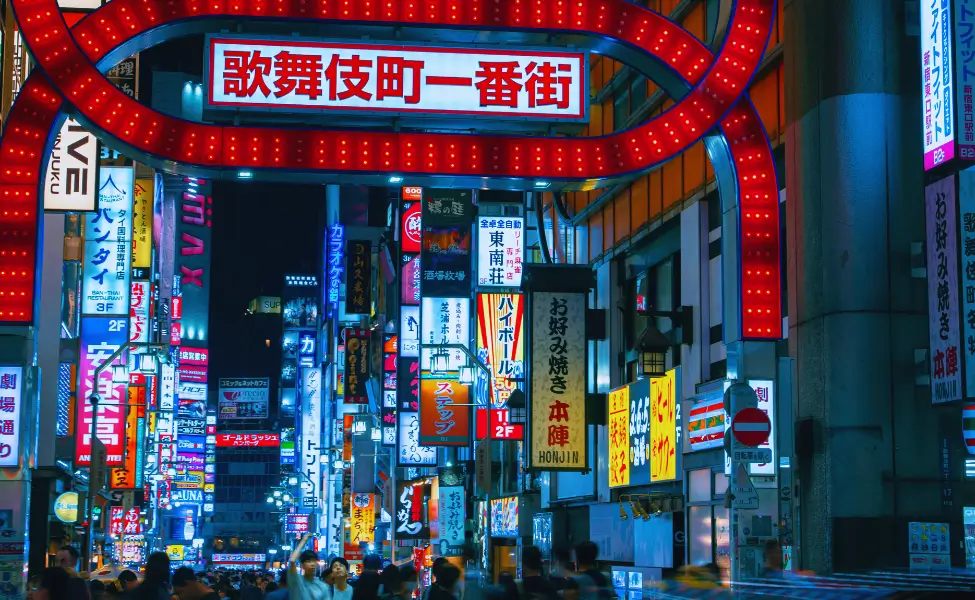
Japan’s polite and orderly image hides pressures that many visitors never notice.
The dark side of Japan becomes clear when you look at the social issues beneath the surface.
Quick Answer Let me be straight with you about the realities behind the polite society we see on the surface. If you want to understand the darker issues hiding in modern Japan, here are the core problems.
- Economic stagnation. The 1990s crash created a lost generation facing flat wages, unstable contracts, and brutal workplace expectations.
- Social isolation. Severe withdrawal known as hikikomori and an aging rural population leave millions completely cut off from society.
- Education pressure. Students face crushing stress from a young age due to constant exams and intense cram school schedules.
- Hidden discrimination. Deep rooted gender inequality in the corporate world and quiet bias against outsiders remain major hurdles.
- Mental health stigma. Cultural barriers and a focus on group harmony still prevent many people from seeking the professional help they need.
These pressures did not appear overnight.
To understand why they run so deep, you have to look at how Japan’s economic structure changed in the nineties and the generation that paid the price for it.
This article looks at the dark side of Japan not as a single problem, but as a network of social pressures that shape daily life in ways outsiders rarely see.
The Lost Generation: When Economic Timing Changed Everything
Japan’s lifetime employment system once created remarkable stability.
Companies hired fresh graduates and trained them for long careers.
This built the world’s second-largest economy and a strong middle class.
The bubble economy crashed in the early 1990s, and companies almost completely stopped hiring during the “employment ice age” that lasted over a decade.
Everyone who graduated between 1993 and 2005 faced limited opportunities.
Japan’s focus on hiring fresh graduates made second chances nearly impossible.
Many took temporary jobs with lower pay and no benefits.
This created lasting income gaps that still impact marriage rates, birth rates, and consumer spending.
Although the damage was long lasting, the landscape has started to shift as companies and policymakers rethink how careers are built.
Progress and Reform
Recent improvements:
- Major government funding for mid-career hiring support
- Companies hiring experienced workers regardless of graduation year
- Remote work creating flexible job opportunities
- Reforms benefiting future generations
This economic instability created ripples far beyond employment.
It fundamentally altered how an entire generation views success, relationships, and their place in society.
For many, the inability to secure stable work became a source of deep shame, leading some to withdraw from society altogether.
But economic strain is only one part of the picture.
For many people, the pressure becomes personal, leading to one of Japan’s most troubling social patterns.
Social Withdrawal: When Pressure Becomes Isolation
About 1.5 million people in Japan face hikikomori.
This condition involves severe social withdrawal, where individuals stay home for months or even years.

They often avoid school, work, and any social interaction.
Early signs often appear during school years, especially when academic pressure or social stress becomes overwhelming.
The cultural value of “gaman” (enduring) and mental health stigma historically made families reluctant to seek help.
As the scale of social withdrawal became clearer, local governments and welfare groups began adjusting their approach.
Government Response and Innovation
Key developments:
- Since 2018, municipalities have expanded local support projects for hikikomori, with around 190 offering some form of dedicated outreach or services.
- 2021: Minister for Loneliness and Isolation created
- Services available: Counseling, reintegration programs, job training
- New approaches: Online communities, gaming platforms for social skill rebuilding
- Cultural shift: Some public figures have spoken openly about mental health, which has helped normalise the conversation
The pandemic made remote work and online interaction common.
This helped people who find traditional environments challenging.
The challenge is serious.
However, society is learning to meet withdrawn individuals where they are, instead of forcing them to change right away.
Yet withdrawal itself often stems from earlier psychological wounds.
Many hikikomori say school experiences were the breaking point.
They highlight deeper issues in Japan’s mental health system and how it handles distress.
Hikikomori cannot be separated from the wider challenges in Japan’s mental health landscape, where support has long lagged behind need.
Mental Health: Breaking the Silence
Japan’s cultural emphasis on “gaman” has long discouraged seeking mental health help.
Barriers to care:
- 63.9% don’t seek care due to “low perceived need”
- 68.8% who delayed wanted to “handle the problem independently”
- Psychiatric treatment is covered by national health insurance, but access to trained counsellors and psychologists is limited and not evenly available.
- Concerns about how personal information might be shared have historically discouraged some people from seeking help.
Current state:
- 4.2 million people living with mental health issues
- 3.9 million receiving outpatient treatment
- 302,000 hospitalized
Even so, attitudes have not stayed frozen in time.
Quiet but meaningful shifts are taking place.
Cultural Shift Underway
Signs of progress:
- Licensed psychologists increasing significantly since 2018
- Companies required to implement stress tests and harassment prevention
- Pandemic normalizing mental health conversations
- Younger generations more willing to seek help
This reluctance to discuss mental health ties directly to workplace culture.
In some workplaces, speaking openly about psychological stress can still feel risky due to long standing norms around endurance and self control.
This is particularly challenging for women navigating workplace expectations while still carrying most family and childcare responsibilities.
The overlap of mental health stigma and gender inequality adds extra challenges for women.
They often juggle their careers while also being the main caregivers for their children’s education and wellbeing.
These pressures fall especially heavily on women, whose experiences reveal how social expectations and structural gaps overlap.
Gender Equality: Education Success, Workplace Struggles
Japanese women are more than half of university students and do well in their studies.
Japan continues to have a significant gender pay gap compared with other OECD countries.
Some workplaces still assume women will prioritise family responsibilities over career progression.
So, they often choose men for career-track roles.
Despite these challenges, younger cohorts are rewriting the expectations placed on women and on the workforce as a whole.
The Generational Divide
Younger generations driving change:
- Women’s workforce participation at record levels
- New laws requiring harassment prevention and equal pay audits
- Companies actively recruiting women for management
- Recognition that demographics make equality an economic necessity
- Women waiting longer to marry, seeking advanced degrees
- Growing demands for better workplace conditions
These gender dynamics have profound implications for Japanese families.
In a system where mothers take on most of the responsibility for their children’s education, the pressure on women increases.
They need to balance their career growth and manage their children’s academic success.
This is important in a tough and competitive education system.
To understand why these shifts matter so much, you have to look at the intense education system that shapes people from childhood onward.
Education Pressure: The Weight of Exams
Over 55,000 juku (cram schools) operate across Japan, with 50-70% of exam-bound students attending them.
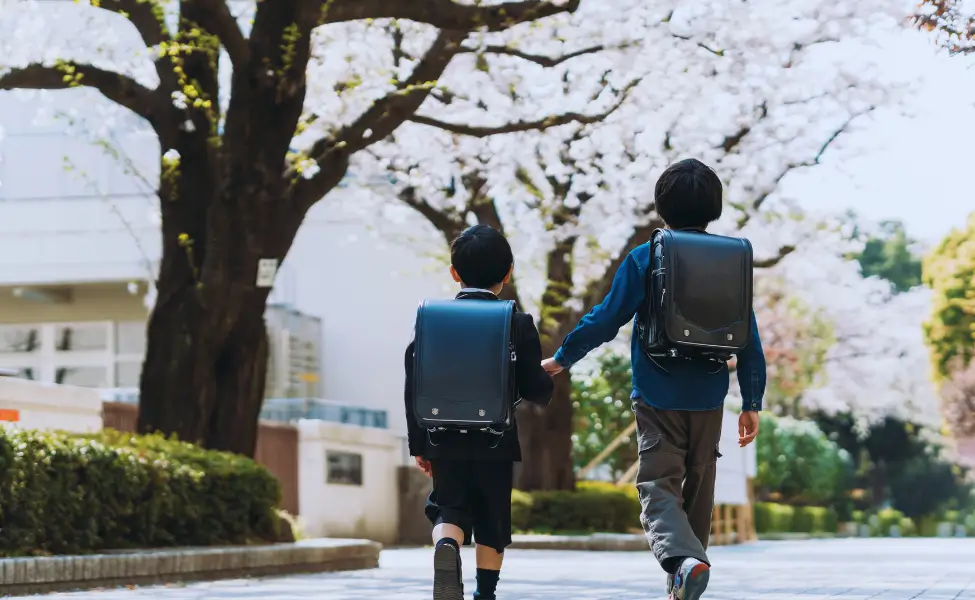
Monthly costs range from ¥10,000 to ¥50,000 ($67-$335), part of the significant long term costs families face when supporting a child through Japan’s exam centred education system.
Students preparing for entrance exams frequently face long study hours that limit rest and personal time.
These long hours and high expectations come with consequences, sometimes severe ones.
The Bullying Crisis
The toll on students:
- 2022: 682,000 reported bullying incidents (57% verbal abuse)
- 2013 study: 66.2% of surveyed children had been bullied
- Youth suicide: 514 students under 18 in 2022
These numbers show how education pressure and bullying form part of the dark side of Japan that is often hidden behind test scores and academic success.
Reform Efforts
Changes underway:
- 2013 anti-bullying legislation requiring prevention and early identification
- Some schools and universities have begun exploring admissions approaches that look at more than exam results, though these remain limited
- Growing conversations about system reform
- Increased awareness and reporting mechanisms
The education system focuses on conformity and competition.
This leads to mental health issues and workforce problems.
The transition from exam pressure to workplace pressure is well documented and affects how future parents approach their children’s education.
This generational transmission of stress helps explain why economic improvements alone haven’t resolved Japan’s broader social challenges.
But education is only one layer of the story.
The economic backdrop has shaped nearly every social issue Japan faces.
Economic Stagnation: Adapting to New Realities
Japan’s economy expanded 0.3% in Q2 2025, showing resilience despite trade headwinds.
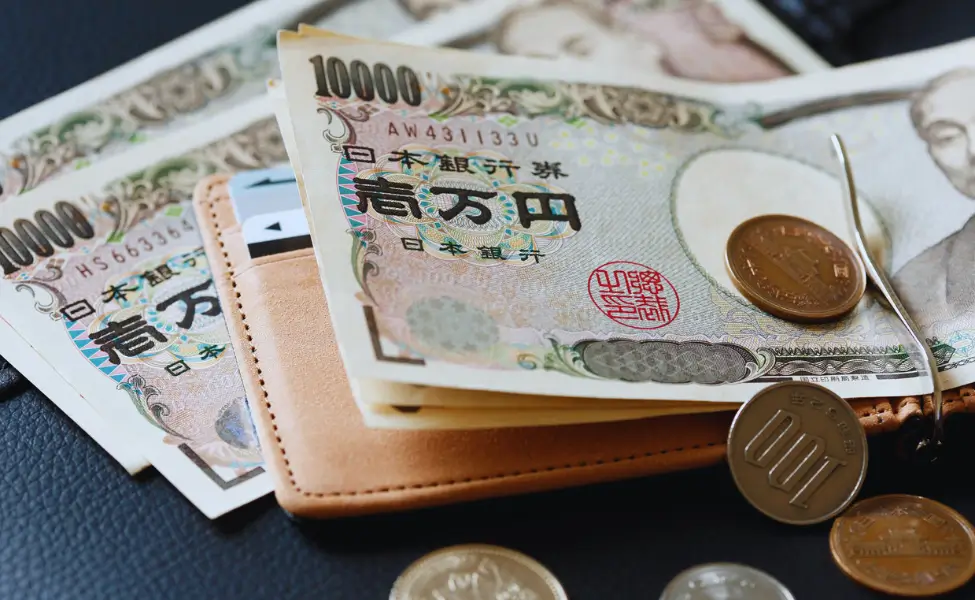
Yet this modest growth reflects decades of stagnation.
Wages stayed flat while living costs remained high, hitting younger workers hardest.
Non-regular employment created a two-tier system of haves and have-nots.
Amid this long stagnation, recent wage movements mark an important, if fragile, turning point.
A Shift in Wage Trends
| Indicator | 2025 Change | Significance |
|---|---|---|
| Nominal wages (July) | +4.1% YoY | Fastest growth in 7 months |
| Average wage increase | 5.25% | Highest since 1991 |
| Minimum wage | +¥63 to ¥1,118 | Record increase |
Workplace transformation:
- Companies adopting flexible work arrangements
- Shift toward performance-based advancement
- Remote work providing better work-life balance
- Tight labor market driving investment and change
But economic recovery alone can’t solve deeper demographic crises.
Demographic change adds pressures that wage increases alone cannot solve.
The rising crisis of the isolation of older people highlights this issue.
Yet economic indicators alone do not capture the human reality, especially for older adults living alone in shrinking towns.
Isolation and Rural Depopulation
Large urban areas are reporting rising numbers of people dying alone, most of them older adults, highlighting growing isolation among aging households.
This “kodokushi” phenomenon reveals the extent of isolation for older folk.
Nearly 4,000 bodies went undiscovered for over a month.
Kodokushi is one of the most unsettling parts of the dark side of Japan, revealing how isolation can deepen as communities shrink.

The Demographic Reality
Aging population:
- 29.1% of population now 65+
- By 2050: 10.8 million older people living alone (+47% from 2020)
Rural crisis:
- Millions of vacant homes (akiya) exist nationwide, with the share of empty properties rising in rural prefectures.
- The population of some rural villages has fallen dramatically over the past several decades, with some falling to a fraction of their historic size.
- Some studies warn that many municipalities could become unsustainable if population decline continues
Despite these harsh trends, some communities are actively trying new strategies to stay alive.
Community Innovation
Fighting back:
- Government expert groups on lonely deaths and community support
- Villages offering financial incentives to young people
- Akiya listed for sale at nominal prices
- 2015 Vacant House Special Measures Law enabling action
- Some rural areas have seen interest from entrepreneurs and newcomers looking for lower living costs or community projects
- Community centers providing socializing spaces
- Remote work making rural living viable
Economic instability, social withdrawal, aging, and depopulation feed into each other.
This creates a complex web that resists easy solutions.
But they’ve also started important talks about what society owes its most vulnerable members.
These talks include other marginalised groups facing discrimination.
Animal Welfare Concerns in Modern Japan
Some aspects of animal welfare in Japan have also come under greater scrutiny.
The country’s pet-shop industry has long relied on high-volume breeding, and animal-welfare groups have raised concerns about young animals being treated as inventory rather than companions.
Reports from advocacy organisations highlight cases where unsold pets were taken to public health centres for euthanasia, though national kill rates have fallen in recent years.
Certain types of animal cafés have also drawn criticism, particularly when animals are kept in cramped conditions or used for long hours.

As with other social issues, younger generations are increasingly questioning these practices and pushing for higher standards.
Sexual Harassment, Immigration, and Hidden Discrimination
Alongside demographic pressures, Japan is also grappling with social issues that have long remained sensitive or unspoken.
Workplace Culture Evolving
Progress on harassment:
- #MeToo movement sparking vital conversations
- Legal reforms strengthening victim protections
- Mandatory workplace harassment prevention
- Awareness campaigns increasing reporting
- Measures such as women only train cars continue to be used to increase safety and reduce harassment.
These shifts are happening at the same time Japan is becoming more reliant on foreign workers.
Opening to the World
Immigration changes:
- Younger generations generally show more comfort with cultural diversity than older groups, though attitudes vary.
- Foreign worker numbers increasing dramatically
- Japan has expanded pathways for foreign workers in specific industries, including nursing care, agriculture and manufacturing.
- Local integration programs respecting cultural identities
- International marriages have grown over time
- The number of children with one non Japanese parent has increased in several regions, though trends vary
But even as the country becomes more diverse, older forms of discrimination remain beneath the surface.
The Silent Discrimination
Less visible is discrimination against burakumin, descendants of feudal-era outcaste communities:
Persistent inequality (despite legal equality since 1871):
- 53.7% would oppose their child marrying someone of buraku origin
- Earlier surveys showed lower educational attainment in buraku communities, though recent data is limited and varies by region.
- 58.2% earned under ¥3 million annually in 1993 (vs. 38.3% overall)
- Several prefectures prohibiting investigations into buraku ancestry
- Government initiatives have changed over time, with some programmes ending and others shifting toward broader human rights policies.
These issues highlight how sensitive topics can remain unspoken in some parts of society.
Younger generations, more aware and less bound by old prejudices, may finally force this issue into the light.
When viewed together, these issues form a picture of a society in the middle of a slow but real transformation.
Looking Forward: What Japan Teaches Us
The most significant factor in Japan’s future is generational change.
Younger Japanese people value work-life balance more than career growth.
They also support gender equality and welcome cultural diversity.
This shift is changing consumer habits, political priorities, and social expectations.
Businesses and policymakers are responding, and the pace is accelerating.
Japan’s response to these pressures offers insights that reach far beyond its borders.
Lessons for the World
Japan’s challenges are deep and interconnected.
They are not the result of individual failings but of long standing systems that shaped expectations around work, education, gender roles and social behaviour.
What stands out today is not only the weight of these problems but the fact that they are finally being addressed in a more open way.
Younger generations are asking for something different.
Policymakers and companies are adjusting.
Communities are experimenting with new forms of support.
The dark side of Japan is real, but it is not the whole picture.
The country’s willingness to confront difficult issues in a steady and deliberate manner may prove to be one of the most important shifts of this era.
Change is slow, but it is under way, and the direction it takes will shape how Japan evolves in the decades ahead.
Understanding these underlying pressures helps explain why Japan’s slow but steady reforms matter so much for its long term stability.
Frequently Asked Questions
The “dark side” of Japan refers to the severe social pressures hidden beneath its polite and orderly image. This includes intense academic pressure on students, severe workplace stress, the stigma surrounding mental health, and the social withdrawal of over 1.5 million people known as hikikomori.
Hikikomori refers to severe social withdrawal, a condition affecting approximately 1.5 million people in Japan. Individuals facing this condition often stay in their homes for months or years, avoiding school, work, and social interaction, often triggered by overwhelming academic or workplace pressure.
Japan’s “lost generation” refers to people who graduated between 1993 and 2005 during the employment ice age that followed the 1990s economic crash. Because Japanese companies stopped hiring fresh graduates, this generation was forced into low-paying temporary jobs, creating lasting income gaps that still affect marriage and birth rates today.
Yes, while Japanese women excel in education, Japan continues to have a significant gender pay gap compared to other OECD countries. Many workplaces still assume women will prioritize family over careers, leading to unequal treatment and fewer women being chosen for leadership or career-track roles.
Yes, mental health has historically been highly stigmatized in Japan due to the cultural value of “gaman” (enduring hardship). However, this is slowly changing as the government implements workplace stress tests and younger generations become more willing to seek help from licensed psychologists.
