
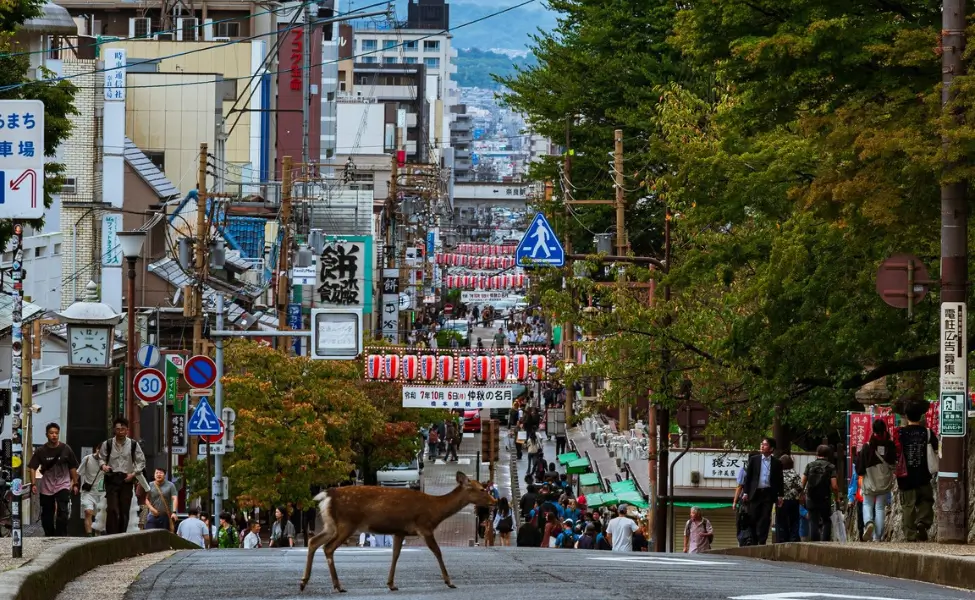
Japan tourism dominates social media right now.
Some creators show only pristine temples and polite locals.
Others film graffiti and trash while claiming Japan is collapsing.
Neither version tells the whole story.
Picture arriving at Kyoto Station on a spring morning.
The crowds are so dense you can barely move.
Tourists jostle for position on the sidewalk.
A local resident pushes past you with visible frustration.
I have lived in Japan for close to 30 years.
I have watched this country transform from one of the world’s most expensive destinations into one of its most accessible.
That transformation has brought both opportunity and tension.
Understanding what is actually happening can help you plan a better trip and be part of the solution.
What the Numbers Tell Us
Knowing the bigger picture will help you enjoy Japan more and avoid the common stress points.
As we close out 2025, the numbers tell a remarkable story.
Japan welcomed over 31 million international tourists between January and September, with September setting an all time record of 3.26 million visitors in a single month.
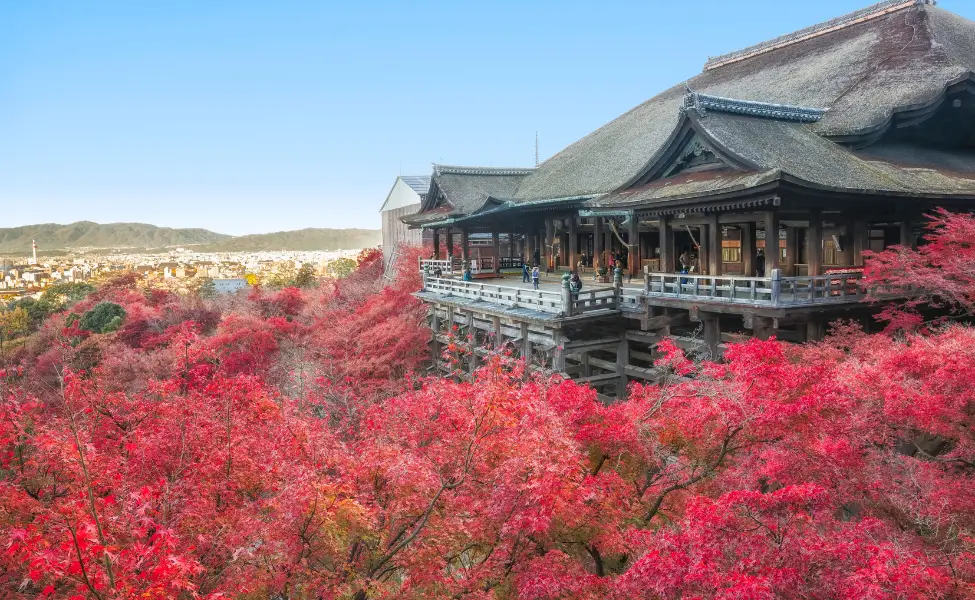
Tourist spending in the first half of the year alone reached 32.2 billion dollars, continuing the momentum from 2024 when Japan welcomed 36.87 million international visitors with spending hitting 8.1 trillion yen.
Tourism became Japan’s second largest export sector after automobiles.
The Osaka World Expo from April through October added fuel to an already hot fire.
Why Japan Became So Affordable
When I first arrived in 2000, Japan was one of the most expensive countries to visit.
Only certain tourists could manage it.
That has changed completely.
The yen hit a 34 year low against the US dollar in 2024, making travel to Japan approximately 30% cheaper for American visitors.
For Chinese tourists, luxury goods in Japan became 20 to 30% cheaper than in their home countries.
The weak yen transformed Japan from an elite destination into an accessible one practically overnight.

After COVID, people wanted to travel again.
Japan’s safety, food, history, and modern cities made it an obvious choice.
Japan ranked first in Condé Nast Traveler’s Top Countries in the World Readers’ Choice Awards 2025 in both the US and UK.
The result is a tourism surge that has exceeded even the government’s most optimistic projections.
The Osaka Expo Effect
The Osaka World Expo 2025 amplified the tourism boom significantly.
Running from April 13 to October 13, the event drew over 28 million visitors to Yumeshima Island.
While most attendees were domestic tourists, the Expo attracted substantial international attention.
The event created a ripple effect worth approximately 2 trillion yen for the Osaka and Kansai region.
The event featured 158 participating countries and regions under the theme “Designing Future Society for Our Lives.”
September alone saw daily attendance exceeding 200,000 people.
Osaka’s tourism revenues skyrocketed.
Hotel occupancy rates surged throughout the six month period.

For many residents, the Expo represented both opportunity and burden.
Local businesses benefited from the influx, but residents dealt with even more crowding than usual.
The concentration of visitors in Osaka meant that other popular destinations like Kyoto saw spillover traffic from Expo attendees taking day trips.
Why Japan Feels Crowded Only in Certain Places
About three quarters of overnight stays are concentrated in just five prefectures: Tokyo, Osaka, Kyoto, Hokkaido, and Fukuoka.
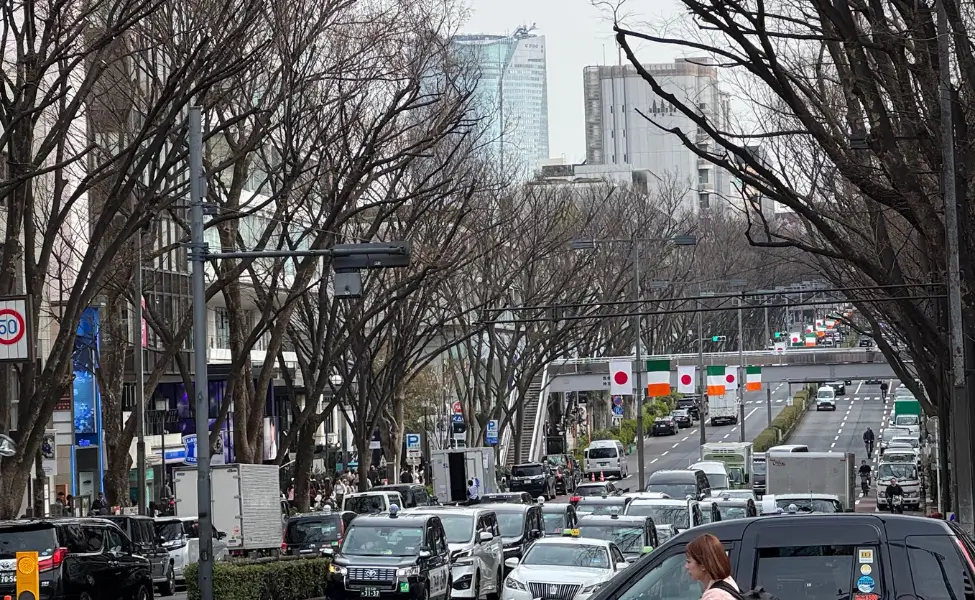
Most visitors stay in the same places.
That creates heavy crowding in only a few areas.
The city welcomed over 67 million tourists in 2024 (foreign and domestic combined) but has a population of just 1.4 million people.

Roughly 150,000 people visit every day.
Residents deal with noise, queues, blocked trains, and a daily feeling that their space is being swallowed up.
My friend who lives near Kiyomizu Temple told me she now avoids going out during peak tourist hours because basic errands have become frustrating.
During COVID, many of the same businesses struggled and begged for tourists.
Now the government and airlines still push for more visitors.
JAL even offers free domestic flights to encourage spending beyond Tokyo and Osaka.
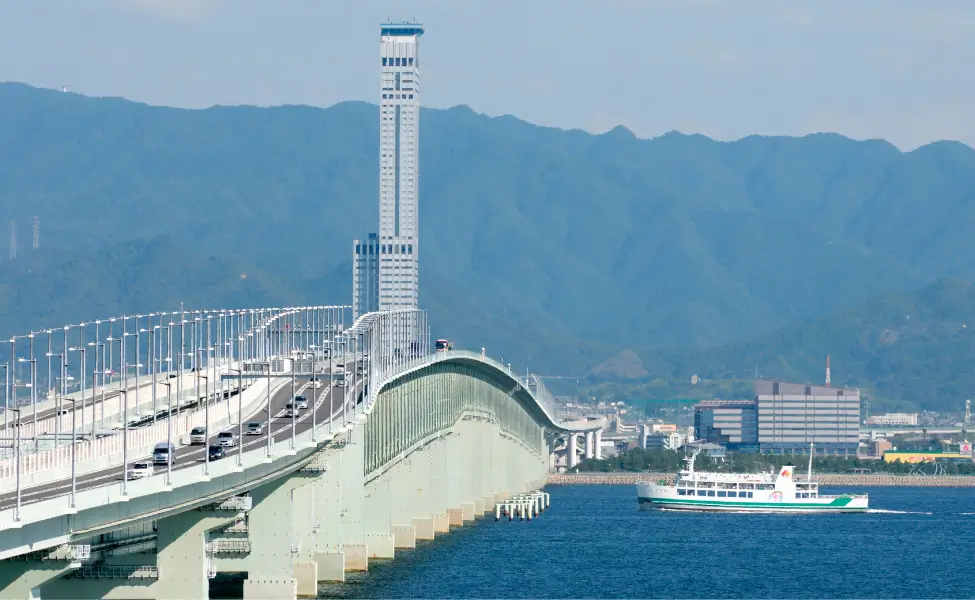
Japan wants tourism, but the uneven spread creates real stress for people who call these places home.
The Role of Historical Context
Unconscious bias plays a part in how some residents express their frustration.
Long before tourism peaked, I noticed moments where the word foreigners was used as a stand in for one specific group.
Japan and China have a complicated history.
Old attitudes still influence how some people talk and think.
In August 2025, China was actually the largest source of visitors with 1.02 million tourists, followed by South Korea with 660,900 visitors and Taiwan with 620,700 visitors.
China’s visitor numbers have been climbing steadily throughout 2025, showing substantial increases compared to the previous year.
Yet when problems happen, it is easy for people to fall back on long held narratives rather than look at individuals and specific behaviors.
The media reinforces this tendency.
I remember a Japanese TV show comparing politeness across countries with a staged test.
A person dropped oranges and they counted how many people ignored it before someone helped.
The goal was to show Japan in the best light.
It supports a belief that Japan is always polite and outsiders fall short.
Anyone living here knows the truth.
Most people are great.
Some are rude.
That is the same everywhere.
Japan is not exempt from human nature, but the myth of unique Japanese politeness creates an unfair standard that tourists can never meet.
How Social Media Amplifies the Negative
The biggest problem today is perception.
Social media highlights the worst behavior and spreads it at lightning speed.
In September 2025, an Australian Instagrammer caused outrage by posting a video.
He was seen drinking from a can left as an offering on a headstone at a Japanese burial site.
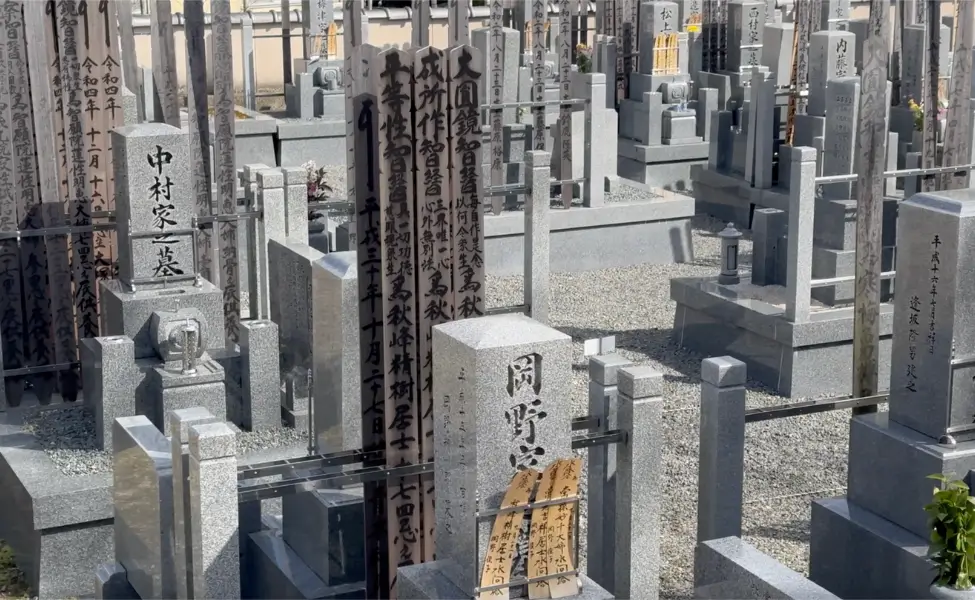
The video went viral fast.
In 2023, US live streamer Johnny Somali was arrested.
He trespassed on a construction site and caused disturbances by shouting provocative statements about Japan’s history.
One clip of someone damaging a shrine can reach millions within hours.
A few bad actions make everyone look guilty by association.
The term kankō kōgai, literally tourism pollution, has gained traction to describe how unchecked tourism is disrupting daily life.
Climbing sacred structures, bothering geisha for photos, and filming inappropriate stunts used to be unthinkable.
In Fujikawaguchiko, officials built a fence to hide views of Mount Fuji from by a local Lawsons convenience store.
Tourists kept wandering onto busy roads, causing traffic issues and trespassing on private property for viral photos.
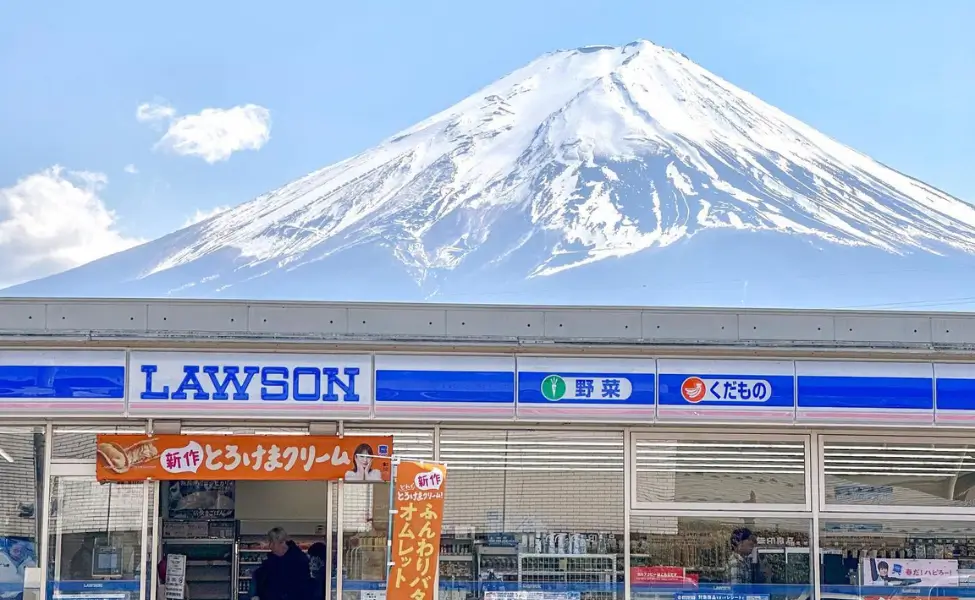
Within a week of the fence being built, tourists had already poked holes through the mesh.
This is the kind of story that dominates the conversation and shapes public opinion.
How This Became Political
The combination of economic stress, overcrowding, and viral videos of bad behavior has given politicians material to work with.
Tourism is now part of political debate in Japan, so locals are more aware and vocal about it than in the past.
Right wing populist parties made gains in 2025 elections by campaigning on Japanese First platforms.
Some politicians have used anti-foreigner rhetoric to tap into resident frustrations, even though survey data shows that public attitudes toward immigrants have remained relatively stable for decades.
This political attention means the government is under pressure to address overcrowding concerns while still pursuing ambitious tourism growth targets of 60 million visitors by 2030.
What Visitors Need to Know About Etiquette Anxiety
There is another part to this that I find strange.
Many of the loudest voices online telling others to follow every Japanese custom perfectly are tourists who have visited once or twice.
They talk like experts and create anxiety for others planning trips.
Respecting a country’s rules is normal wherever you go.
It is not some special burden unique to Japan.
If you are a decent person who tries to behave well, you will be fine here.
You do not need to obsess over every detail or worry that one small mistake will ruin your trip.
Decent people don’t litter, damage cultural property, scream on trains, or harass locals for photos.

Foreign visits to Kenrokuen Garden in Kanazawa surged to 298,406 by June 2025, a 115.8% increase from the previous year.
Cities like Kanazawa are now using social media campaigns to teach tourists proper etiquette before they arrive.
The initiative seeks to curb behaviors such as littering, eating while walking, unsolicited photography, and last minute reservation cancellations.
Last month, I watched a couple from Australia ask a local in broken Japanese where to find the best ramen.

The local smiled, pulled out his phone, showed them a map, and walked them halfway there.
This is what most interactions actually look like.
Nobody filmed it.
Nobody shared it.
It was just people being decent to each other.
Government Responses and What They Mean
Japan is taking concrete steps to address overcrowding and its impacts.
Kyoto implemented Japan’s highest tourist tax in October 2025, with rates ranging from 1,000 yen for budget accommodations to 10,000 yen for luxury rooms over 100,000 yen per night.
This is projected to more than double the city’s accommodation tax revenue.
In the Gion district, a ban was placed on tourists entering narrow private streets in response to disruptive behavior.

The government allocated 15.82 billion yen in fiscal 2024 for emergency measures preventing and mitigating overtourism.
A Resident’s Perspective
As a long term resident, I see both sides clearly.
As residents and visitors, we should follow the customs and show appreciation for the culture we’re lucky to experience.
How to Travel Japan With Confidence
Japan stands at a crossroads.
The country has shattered tourism records throughout the year.
The strain on popular destinations has never been more apparent.
If you love Japan and want to visit, do not let social media scare you.
Do not overthink the noise online.
And your memories you make will be exactly what you hoped for.
Here is what actually matters:
Simple Etiquette That Goes a Long Way
- Learn a few basic phrases. “Sumimasen” (excuse me) and “arigatou gozaimasu” (thank you very much) open doors.
- Keep your voice down on trains and in restaurants. Quiet is valued here.
- Do not eat while walking in traditional neighborhoods. Find a place to sit or stand still.
- Ask before photographing people. This includes geisha, monks, and locals going about their day.
- Remove your shoes when entering homes, some restaurants, and temple buildings. Look for the cues.
Effort is always appreciated here.
Where to Go if You Want Amazing Experiences Without the Stress
Consider visiting places beyond Tokyo, Kyoto, and Osaka:
- Kanazawa offers stunning gardens, traditional crafts, and incredible food without the overwhelming crowds
- The Japanese Alps provide natural beauty, onsen towns, and hiking that rivals anywhere in the world
- Okinawa has a distinct culture, beautiful beaches, and a completely different vibe from the mainland
- Takayama and Shirakawa-go showcase preserved historical villages with far fewer tourists
- Kumamoto and Kagoshima in Kyushu offer castles, active volcanoes, and authentic regional experiences
What Japanese Locals Really Think of Tourists
The conversation about sustainable tourism will only become more important.
The government has set ambitious targets of 60 million inbound visitors by 2030.
The challenge is managing that growth in a way that preserves what makes Japan special while allowing residents to maintain their quality of life.
Most locals appreciate visitors who show genuine interest in their culture.
Understanding where it comes from helps all of us be part of the solution rather than part of the problem.
Japan is still a friendly and welcoming country.
The choices we make as travelers matter more than ever.
Want a stress-free Japan itinerary with fewer crowds and more authentic experiences?
I share detailed guides, insider tips, and honest advice based on two decades of living here.
