I’ve been in Japan for nearly three decades and I’ve spent a huge chunk of that time travelling around the country.
If I could go back and give my younger self a quick pep talk before that first trip, this is what I’d say.
Not to plan less, but to plan smarter, and to avoid the small mistakes that quietly steal time, money, and energy.
Restaurants Are Simpler Than You Think
When you walk into a restaurant, your brain immediately starts panicking about how to order.
But here’s the thing.

They’re going to ask you one question first, every single time, no matter where you are.
How many people?
You don’t need to say anything.
You just hold up your fingers to gesture one, two, three, however many of you there are.
They seat you and you’re done.
It’s actually genius how simple it is.
Beer Is Your Secret Weapon
Forget trying to order in Japanese.
Forget “konnichiwa” and all that polite stuff.
The one word that’ll actually save your life at every bar and izakaya is nama, which means draft beer.

That’s literally all you need to know.
Just say the number first, then nama, then onegai shimasu which means please.
Nama hitotsu is one draft, nama futatsu is two, nama mittsu is three, nama yottsu is four, and nama itsutsu is five.
So you’d say “Nama mittsu, onegai shimasu” and you’re ordering like someone who actually knows what they’re doing.
You’ll be amazed how far this one word gets you.
You’ll get more respect from just nailing the beer order than from any other Japanese phrase you learn.
Trains Have Completely Different Rules
Here’s where most people get it wrong.
On the subway, you need to be completely silent.
Don’t eat, don’t drink, don’t talk loudly.
I don’t care what other tourists are doing, they’re being rude and everyone around them is silently judging them for it.

The Shinkansen is a completely different story.
Eat, drink, make as much noise as you want.
Grab a bento box from the platform before you board, buy some beer, get snacks.
These bento boxes are called ekiben (eki means station and ben for bento).
You’ll Get Caught in the Rain, But There’s a Loophole
Eventually you’ll forget your umbrella and it’ll start raining.
What you don’t know is that most subway stations have boxes with umbrellas in them that locals call “friend umbrellas.”
You can literally just take one for free.
The system works on trust.
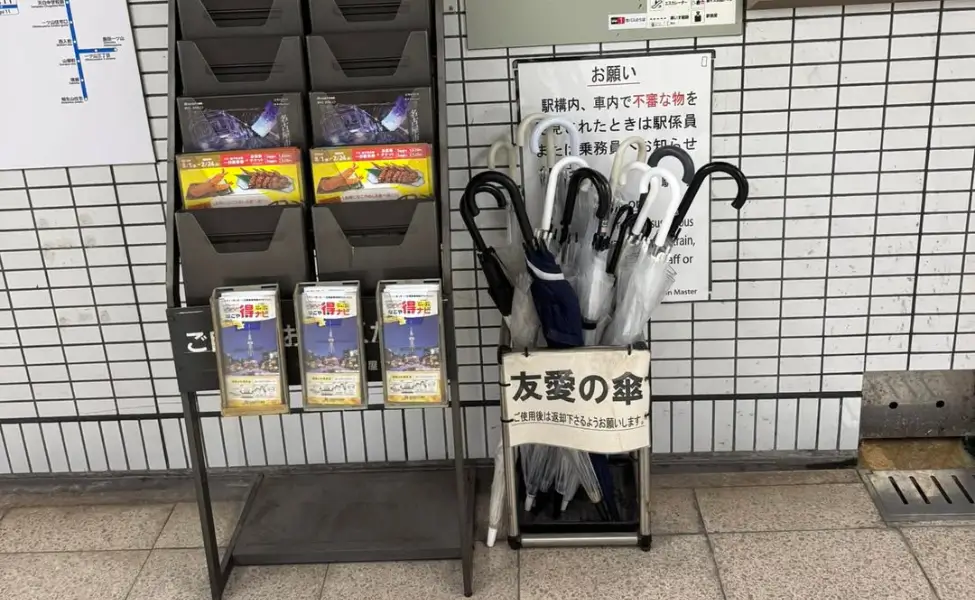
You borrow it, use it while you’re getting around, then drop it off at any station when you’re done.
It doesn’t have to be the same station where you picked it up.
Any station works.
It’s honestly one of the most elegant systems in Japan and it’s based entirely on people being decent to each other.
The Pharmacy Scam Nobody Talks About
Everyone goes on about how great convenience stores are, and they’re fine, but nobody tells you that pharmacies are actually way cheaper.
We’re talking half price on drinks sometimes.
Something that costs 300 yen at a konbini might be 150 yen at a pharmacy.

And it’s not just drinks.
Snacks, energy drinks, coffee, juices, everything is significantly less expensive.
Just walk past all the medicine and vitamin sections and head straight for the beverage aisle.
That’s where the real savings are.
Station Names Make Zero Sense
Fukuoka’s main station is called Hakata, not Fukuoka.
Kitakyushu’s main station is Kokura.
Hakodate’s Shinkansen station is Shin-Hakodate-Hokuto.
There’s no logic to it, no pattern you can figure out.
Osaka has Osaka station and Shin-Osaka.
If you are getting the shinkansen, then you’ll want Shin-Osaka (Yes, I’ve made that mistake)

Just accept that Japanese station naming makes no sense and move on with your life.
Use Google Maps and stop trying to understand it.
Getting Around Without Dying in Rush Hour
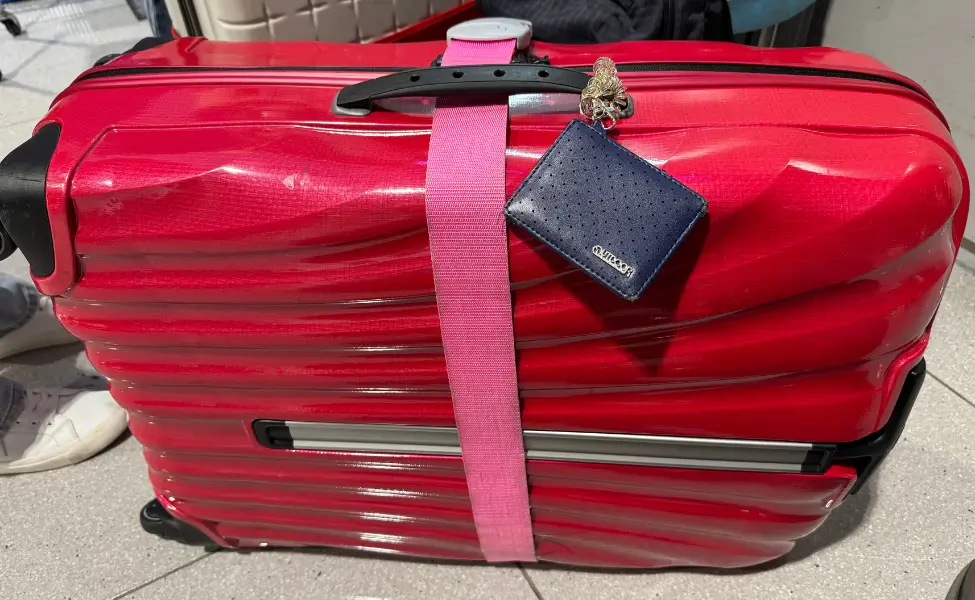
Don’t get on a train between 7 and 9 in the morning if you have luggage.
The trains are packed so tightly that you literally can’t move.
People are pressing against you from all sides and it’s genuinely uncomfortable.
After 10am though, everything changes.
There’s space, there are seats, you can actually breathe.
That’s when you travel.
The ticket office staff also book things much faster than the machines do, so if you’re confused about anything or need a seat reservation, just ask them during the quieter hours.
They’re genuinely helpful about it.
Apps That Actually Work
Download the Japan Travel by Navitime app before you arrive.
Google Maps is fine for walking around, but Navitime is way better for actual transportation logistics.
IC Cards Are Boring But Necessary
You need one of these cards: SUICA, ICOCA, TOICA, it doesn’t really matter which one.
You just hover it over the reader, you don’t tap it.
It saves you from carrying around hundreds of coins.
Look into regional passes depending on where you’re going because they might be cheaper, but having an IC card just makes everything simpler.
Bullet Trains Are Chill (Except One)
Bullet trains don’t sell out very often.

You can book a few days in advance, book the day of, whatever works.
You’re generally fine.
The Rail Pass Math
The 14-day pass costs 80,000 yen and the 21-day is 100,000 yen.
Is it worth it?
That depends entirely on whether you’re actually bouncing around the country.
If you’re spending three weeks in one area, probably not.

If you’re doing Tokyo, then Kyoto, then Hiroshima, then Nagasaki, maybe.
Just calculate what you’re actually doing instead of assuming it’s always the right choice.
And honestly, some of the best places aren’t even on the bullet train lines.
You’ll end up in places nobody’s heard of and have way better experiences.
That’s where the real secret is.
When to Actually Go
The best time to visit is mid-October through November.
The weather is perfect, there are hardly any tourists, and hotel prices are actually reasonable.
September is still a bit warm and humid from typhoons, but by mid-October everything clears up and you get clear skies with comfortable temperatures.
Winter is genuinely great if you don’t mind cold weather.

It’s cheap, barely any tourists, and you get an authentic experience.
Tokyo averages around 10 degrees during the day.
If you can handle that, you’re golden.
June through mid-July gets a bad reputation but it’s not actually that bad.
Yeah, it’s the rainy season, but it doesn’t rain continuously.
In Tokyo it’s only about a 45% chance of rain on any given day.
Gardens look incredible in the rain and hardly anyone’s around.
If you’re flexible, it’s actually quite nice.
Definitely avoid Golden Week in early May though as that’s when all the Japanese are travelling and it becomes a nightmare.
Money Stuff
Always carry cash.
Credit cards don’t work everywhere and power outages happen.
Post office ATMs accept foreign cards and they’re everywhere in every town, so you’re never without access to money.
Wise cards are convenient if you want to get fancy about it.
You can buy yen when the exchange rate is good and just use it throughout your trip.
But honestly, cash plus a post office ATM is perfectly fine.
At the checkout machines in supermarkets, you can just dump all your coins in and they’ll take however many you want.
It saves you from carrying pockets full of change around.
Luggage forwarding actually changes everything about how you travel.
Just pay for it.
Your back will thank you later.
And here’s something people don’t know .
Convenience stores and many supermarkets mark down bentos and prepared food heavily after 6 or 7pm.

You can eat really well for almost nothing if you hit them at the right time.
The Three Phrases That Matter
“Arigatou gozaimass” means thank you very much.
Say this constantly.
People genuinely appreciate it.
“Sumimasen” works for excuse me, sorry, or getting someone’s attention.
It’s like the Swiss Army knife of Japanese phrases and you’ll use it constantly.
“Daijoubu” means I’m okay, no thanks, or it’s fine.
It covers a lot of different situations.
One other thing.
when Japanese people say something is “difficult,” they actually mean no.
It’s an indirect way of refusing without being blunt.
If someone crosses their arms, that means forbidden or stop right now.
That’s the only real gesture you need to understand.
Getting Around Town
Show up 10 minutes early for anything that’s scheduled.
Tours, restaurant reservations, workshops, anything.
Japanese people actually care about punctuality.
On crowded trains, keep your backpack on your front rather than your back.

And don’t walk in groups that block the whole sidewalk as it’s annoying and people hate it.
Cyclists use the pavement too, so be aware of that.
Stop complaining about the lack of public rubbish bins.
They’re at stations and convenience stores.
That’s just how it works in Japan.
Pro tip: Go to famous tourist spots about an hour before they close.
You basically get the place to yourself.
Safety Stuff
If you lose something, then tell the staff immediately and you’ll probably get it back.
It happens all the time and it’s amazing.
Earthquakes are a real thing though.
When you check into your hotel, figure out where the emergency exit is.
Check what direction high ground is in case you need to know for a tsunami.
If a big earthquake hits, get out of the building, don’t use elevators, and wear shoes because there’s going to be broken glass everywhere.
If there’s a tsunami warning near the coast, get to high ground immediately.
Don’t wait around.
This is actual advice that could save your life.
Practical Stuff
Convenience stores are useful.
You can buy food and eat there, get cash from ATMs, print tickets and vouchers.
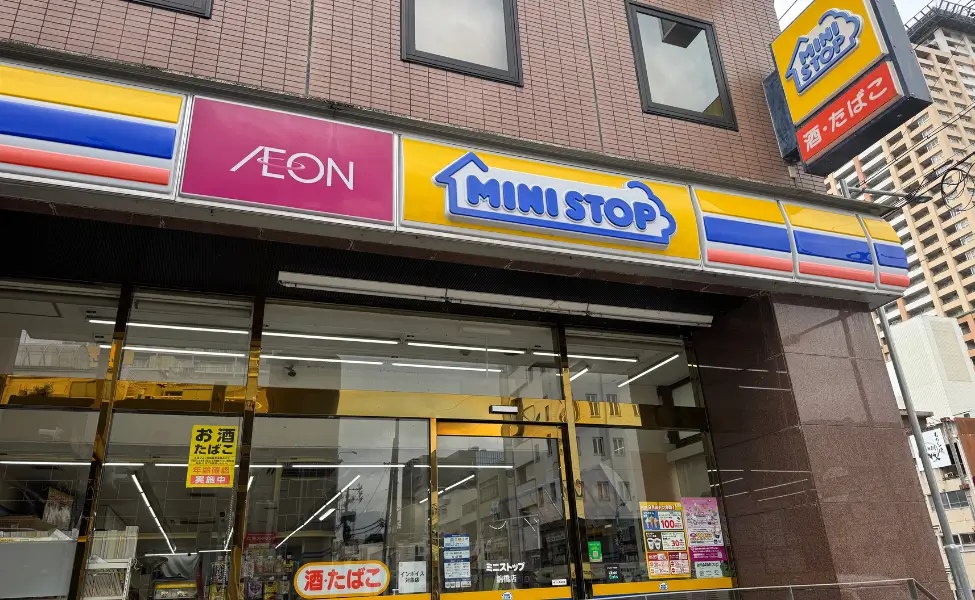
You don’t even need to buy anything to use the toilet.
Department store toilets are actually way better though and they’re cleaner, nicer, and usually right outside major train stations.
Also, station exits have numbers.
Look them up on Google Maps before you get there as it saves you a lot of time.
Finally
The Golden route is ok but also hilariously overrated.
Go everywhere else.
The rest of the country is so much better and everyone sleeps on it.
Japan is safe, the people are generally lovely, and they’re pretty forgiving when you make mistakes. Which you will.
Everyone does.
