
Whenever I am on social media, I see these full on itineraries and stories of people making Japan travel mistakes.
People trying to do too much in a short space of time.
Or simply making innocent errors as they didn’t know any better.
So, I decided to write this post to try to save you the stress of making the mistakes others do.
Let’s start with the smaller mistakes and work up to the bigger ones.
Booking a Hotel Far From the City Centre
When hunting for cheap hotels, you’ll often find deals in suburbs or a few subway stops away from where you want to explore.

This seems like a smart way to save money.
It usually isn’t.
Unless you specifically want to visit somewhere outside the hotel, you’ll lose far more than you save.
A 10-minute subway ride becomes a 20-minute round trip.
Staying five days in one city means an hour of commuting you’d rather spend sightseeing or shopping for souvenirs.
But there’s more.
You also need to think like a commuter.
Most people heading into the city centre are going the same direction as you during morning rush hour.
They’re heading to major interchange stations where multiple train lines meet.
The closer you get to these mega-stations, the more crowded the trains become during peak times.

The solution is simple: stay close to a major station.
That said, if you prefer quieter neighbourhoods or want to keep costs down, staying outside the centre makes sense.
Just budget extra time for travel and avoid moving your luggage during rush hours.
What to Do If You Arrive Before Check-In
You land at the airport, look up your hotel’s location, and board your train.

Then you check your booking confirmation.
Check-in doesn’t open for another six hours.
Lugging an enormous suitcase around for half a day isn’t fun.
You might grab a coffee and lunch, kill time at a cafe, and arrive at the hotel exactly when you can check in.
But you’ve wasted a morning.
There’s an easy solution.
Use coin lockers or luggage storage services.

Lockers exist almost everywhere in Japan.
You’ll find them at railway stations, bus terminals, airports, and even some museums and art galleries.
Prices are very reasonable, ranging from 300 yen for a small locker holding a backpack, to 1000 yen for a large locker that fits a full-sized suitcase.
You pay by the day, so leaving your bag from morning until evening costs the same as leaving it for two hours.
One tip: take a photo of your locker surroundings to help you find it later.
In a big station with multiple exits, photograph the nearest exit sign.
When it’s time to collect your bag, you’ll find your locker quickly.
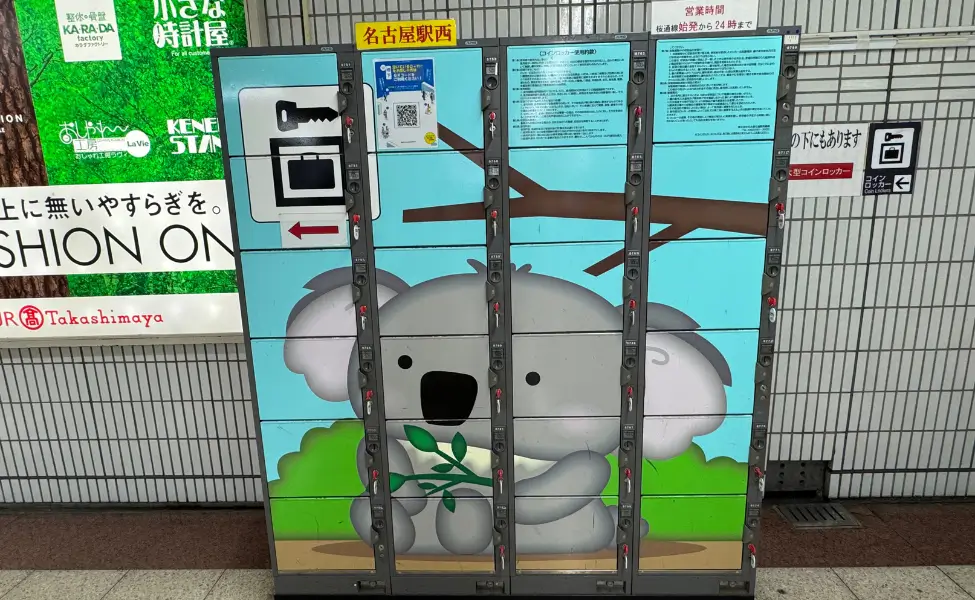
With your luggage stored safely, you’ve freed up an entire morning or afternoon to explore instead of sitting in a cafe waiting for check-in time.
Building Wiggle Room Into Your Itinerary
Japan has one of the world’s most reliable train systems.
Delays are rare, measured in seconds rather than minutes.
This excellence can tempt you to push your travel plans to the absolute limit.
One thing I have learned over the years is that there is no need to plan your itinerary so tightly that one small problem ruins everything.
I have made mistakes myself that would really stress me out if I were visiting Japan for the first time.
Many years ago, before mobile phones, my girlfriend and I were doing a day trip from Nagoya to Kyoto.

We lived in Nagoya at the time (and still do) and planned to take the Shinkansen without reserving seats.
The idea was simple enough.
We would just get on an unreserved carriage.
The train arrived, she got on first to find two seats together, and after a moment she found them and waved at me through the window.
Before I could get on, the doors shut and the train left for Kyoto with her on it and me still standing on the platform.
At the time it felt like a disaster.
In reality, it was not a big deal.
Another Shinkansen came soon after, I got on that one, and I arrived in Kyoto about 20 or 30 minutes later.
We met at Kyoto Station and carried on with the day.
The second example is more recent and a bit more serious.
I had family visiting from the UK.
They were flying via Amsterdam into Osaka, and the timing was tight but workable.
The plan was for me to meet them in Osaka and then catch the last Shinkansen back to Nagoya.
Then the weather in the Netherlands caused delays.
Their UK flight left late, they missed the Osaka connection in Amsterdam, and the whole plan fell apart.
In the end they had to reroute through Seoul and did not land in Osaka until around midnight.
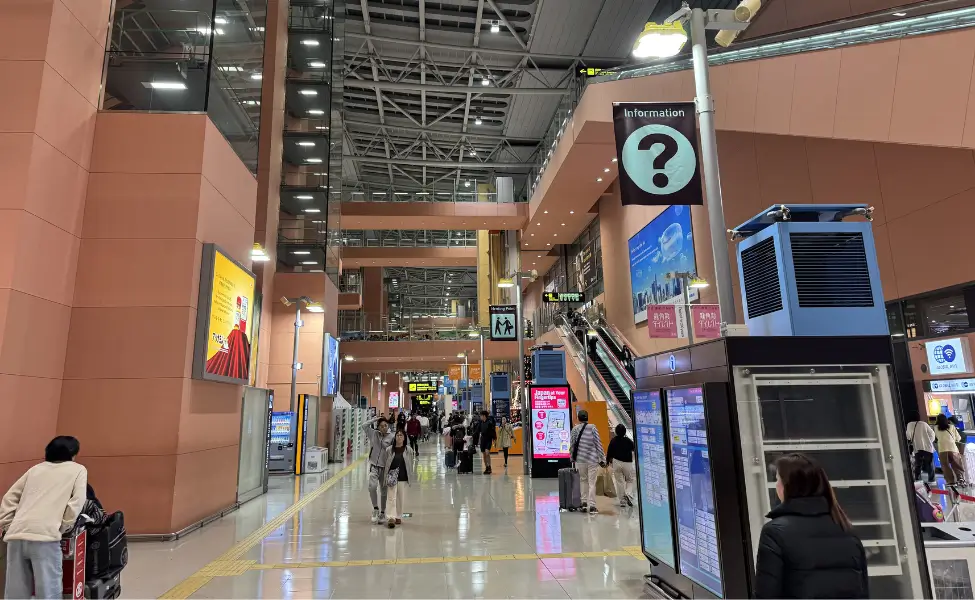
Thankfully I was able to drive down and pick them up, so it worked out, but it could easily have been a lot more stressful.
That is the point really.
If you push your plans right to the edge, even a small delay can cause stress.
Flights get delayed, trains get missed and connections do not always line up perfectly.
So when you plan your trip, give yourself some breathing room.
Try not to book late arrivals if you can avoid it, especially if you are depending on one last train or bus.
Explore Beyond the Most Famous Cities
Every visitor goes to Osaka, Kyoto, and Tokyo.
Those places are amazing, but they’re also extremely crowded.
Everyone has seen thousands of photos of Fushimi Inari shrine.

Most people know Shibuya and Ginza inside out before they arrive.
You’ll have a better trip if you see somewhere unexpected.
Try Kanazawa on the Japan Sea coast for world-class art museums, gardens, and geisha districts without Tokyo’s overwhelming crowds.
This brings back the excitement of discovery to your travels.

You’ll stumble upon something genuinely surprising, meet different people, and come home with stories no one else has.
Trips are far more enjoyable when you find something new.
Book Advance Tickets for Popular Attractions
Here’s something that’ll really bite you if you don’t plan for it.
A lot of the big attractions these days require advance booking, and if you show up without tickets, you might find the place is completely full for the entire day.
No walk-ins. Nothing available.
Tokyo Disneyland and DisneySea sell out regularly, especially during school holidays and weekends. You really need to buy tickets ahead of time or you could arrive and find nothing left.

Universal Studios Japan in Osaka is the same situation.
Popular dates are booked solid weeks in advance, particularly during spring and summer school breaks.
The Ghibli Museum in the Tokyo area requires timed tickets purchased through their system with limited capacity per time slot.
If you want to visit during cherry blossom season or Golden Week, you need to book a month ahead.
Tickets sell out within days.
The Ghibli Park in Aichi also works the same way – advance bookings only, and popular dates are gone before you know it.

Even smaller attractions like art museums on islands in the Seto Inland Sea require advance reservations.
You might show up thinking you can just walk in and discover the whole thing is booked out.
A soon as you know when you’re coming to Japan, check the official websites for anything you want to see.
Figure out their booking systems and when tickets release.
Set calendar reminders so you don’t miss when they go on sale because honestly, being even a few hours late can mean the difference between getting in and being completely locked out.
Don’t be the person who shows up and finds out they needed to book months in advance.
If you insist on using services like Klook, know that you’ll be vastly overpaying.
Pack Light and Avoid Luggage During Rush Hour
The most important advice I give is to pack less.
Dragging a large suitcase over bumpy paving, worrying about luggage space on trains, hunting for elevators, and getting in people’s way makes travel exhausting.
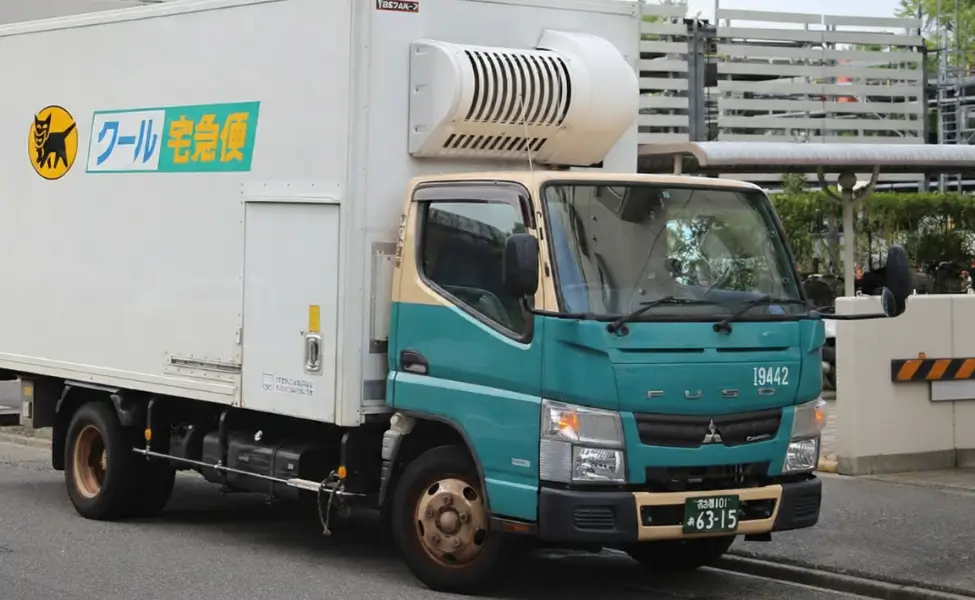
If you absolutely must bring lots of belongings, use luggage forwarding services.
These are incredibly good value and exceptionally reliable.
You can arrange delivery at most hotel front desks or at convenience stores.
Your luggage will be transported between cities, hotels, or from the airport to your accommodation.
Costs are reasonable, and delivery is usually next-day service.
Most importantly, never take luggage onto trains during rush hour.
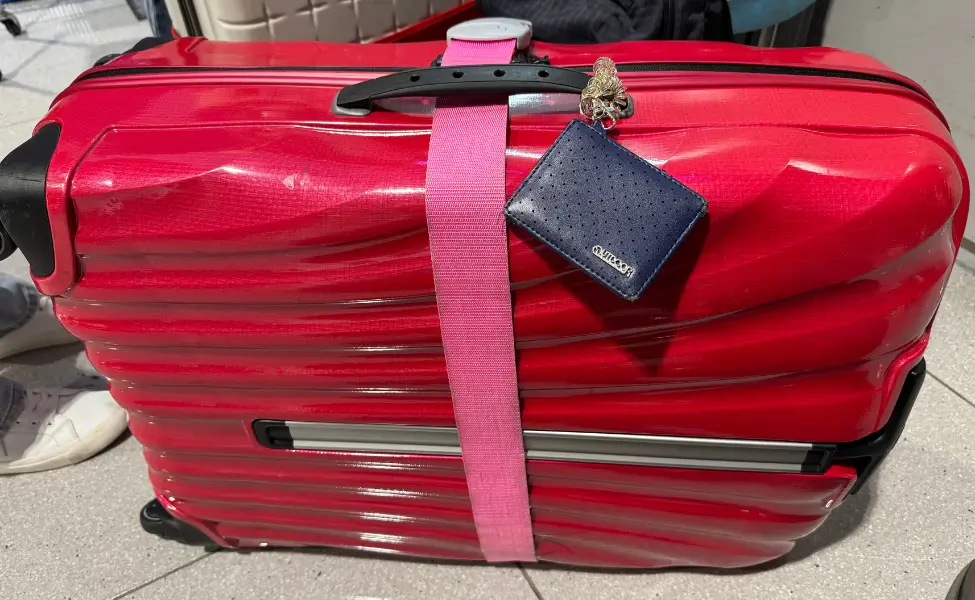
Japan’s rush hour peaks between 7 a.m. and 9 a.m., with the worst congestion around 8 a.m.
This applies to Tokyo, Kyoto, Nagoya, and other cities.
You probably have seen videos of trains packed so tightly that staff need to push passengers on board.
Bringing a suitcase is a genuine inconvenience to commuters trying to get to work.
If you must travel with luggage during these times, get a taxi instead.
It costs more, but you’ll avoid the worst crowds and you won’t be a nuisance to people already stressed about getting to work on time.
Plan your schedule to move luggage before 7 a.m. or after 10 a.m.

