
September in Japan smells of rain-soaked streets and roasted chestnuts.
Tourists vanish, humidity lingers, and typhoons tease the horizon.
But when skies clear, they reveal some of Japan’s best travel days of the year.
Summer crowds thin out after schools restart, heat begins its gradual retreat, and the country transitions into early autumn.
Typhoons remain a legitimate concern, but they’re typically brief disruptions followed by crystalline weather.
Late September delivers the most comfortable conditions, making timing crucial for your visit.
What September Weather Really Means
Early vs Late September
Early September feels like August’s slightly cooler cousin.
Temperatures still climb to 27 or 28°C in Tokyo and Osaka, and the sticky humidity clings to your skin the moment you step outside.
Pack the same lightweight, breathable clothes you’d bring for high summer.
Late September transforms the experience entirely.
Mornings arrive crisp and pleasant around 18 to 20°C, whilst afternoons remain warm enough for T-shirts and shorts.
Evenings require a light jacket or cardigan.
This stark two-week difference matters significantly when booking your flights and planning activities.
Hokkaido Escapes the Heat
Hokkaido maintains cooler temperatures throughout September, with daytime highs reaching only 14 to 22°C.
The humidity stays noticeably lower compared to central and southern Japan, making outdoor activities genuinely pleasant rather than endurance tests.
September might actually be Hokkaido’s finest month for visitors.

Autumn colours begin appearing at Daisetsuzan National Park from mid-month onwards, giving you a preview of the famous koyo season without the October crowds.
The Typhoon Reality
One or two typhoons typically affect Japan during September, and understanding how they actually work helps you plan intelligently.
These storms last one or two days maximum before moving on.
During that window, flights get cancelled, trains stop running, and hotels fill up with stranded travellers adjusting their plans.

Here’s what actually happens in practice.
Typhoon forecasts appear roughly five days ahead, showing the projected path on weather apps and news broadcasts.
If one’s heading your direction, book an extra hotel night immediately, stock up on convenience store food and water, and simply wait it out indoors.
Most hotels won’t penalise you for extending during weather emergencies.
The significant upside?
Crystal clear skies follow typhoons within hours of their passing.
The atmospheric pressure change creates some of the most spectacular photography conditions of the entire year, with visibility extending for miles and colours appearing unusually vivid.
| City | Temperature | Rainfall | Crowd Level |
|---|---|---|---|
| Tokyo | 27°C / 20°C | 181mm | Medium |
| Osaka | 28°C / 20°C | Similar | Medium |
| Kyoto | 28°C / 21°C | 180mm | Medium |
| Hokkaido | 14–22°C / 13–15°C | 143mm | Low |
September Crowd Levels
September sees roughly 40% fewer international tourists compared to August’s peak summer travel period.
Japanese schools restart during the first week of September, immediately ending family holiday travel.
Hotel prices drop substantially after September 5th as demand evaporates overnight.

Late September experiences a modest uptick again.
The Respect for the Aged Day holiday on September 15th creates a three-day weekend, and hotels in popular destinations raise rates accordingly.
If you’re travelling September 13th to 16th, book accommodations well in advance as prices typically jump 30 to 50% during this brief window.
What to Actually Eat in September
Shinmai: New Rice
The year’s first rice harvest arrives in markets during September, and the difference from older rice is immediately noticeable.
Called shinmai, this freshly harvested rice contains more moisture and tastes distinctly sweeter with a stickier, more satisfying texture.
It’s only sold September through December before losing its coveted “new rice” designation.
Sanma: Pacific Saury
This slender silver fish reaches its absolute peak during September when fat content hits yearly highs.
It’s typically grilled whole with just coarse salt, allowing the rich, oily flesh to speak for itself.
Order it as “sanma no shioyaki” at any decent izakaya.
The proper way to eat it involves squeezing sudachi citrus over the grilled flesh, creating a flavour combination that essentially defines September dining in Japan.
Early Autumn Produce
Matsutake mushrooms make their prestigious appearance in September, though they command eye-watering prices.
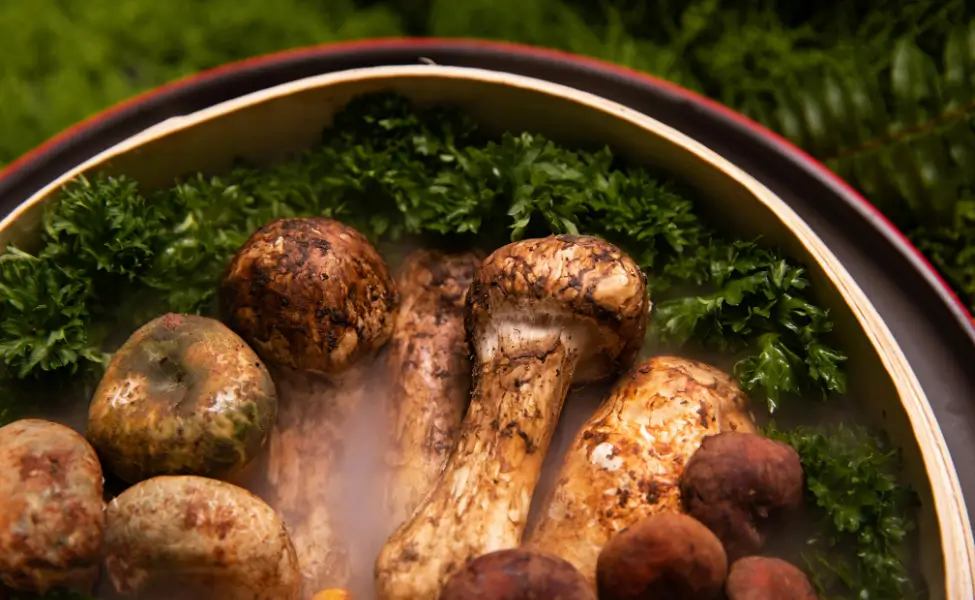
Japanese domestic varieties sell for 10,000 to 30,000 yen per kilogram at high-end markets.
Korean or Chinese matsutake offer more accessible pricing at 3,000 to 5,000 yen whilst delivering similar quality.
The distinctive smoky, pine-like aroma makes any dish featuring them utterly unforgettable.
Chestnuts begin arriving at street stalls and temple market vendors.
The smell of roasting chestnuts becomes one of September’s defining sensory experiences, particularly near older temple districts.
Sweet potatoes start appearing simultaneously, with yaki-imo vendors pushing their carts through residential neighbourhoods, their distinctive charcoal-roasted aroma announcing their presence blocks away.
Grapes reach peak sweetness during September’s warm days and cool nights.

Yamanashi Prefecture farms operate all-you-can-eat picking experiences for typically 1,500 to 2,000 yen per person.
Muscat and Kyoho varieties taste completely different from anything you’ll find in supermarkets back home, with intense sweetness and complex flavour profiles that justify the slightly higher prices.
September-Specific Destinations
Hokkaido for Early Colours
Skip Tokyo entirely if experiencing autumn colours matters to your trip.
Head directly to Hokkaido instead, where Daisetsuzan National Park displays vibrant red and gold leaves from mid-September onwards.
Take the ropeway up Mount Asahidake to access hiking trails that showcase dramatic colour transitions, with autumn brilliance at higher elevations whilst valleys below remain summer green.
The Sapporo Autumn Fest runs September 12th through October 4th, transforming Odori Park into a massive food showcase.
Over 300 stalls represent different Hokkaido towns and regions, each offering local specialities you’d otherwise need to travel hours to taste.
It delivers a more authentic and diverse food experience than most sit-down restaurants, with prices remaining surprisingly reasonable despite the festival atmosphere.
Tokyo During Game Show Week
Tokyo Game Show completely dominates the final week of September, running September 25th through 28th at Makuhari Messe.
Over one million gaming enthusiasts and industry professionals attend annually, making it one of Asia’s largest entertainment events.
Hotels near the convention centre sell out months in advance, so book accommodations elsewhere and simply take the train out.
Public admission days are September 27th and 28th, with tickets ranging from 1,500 to 6,000 yen depending on access level and timing.
Kishiwada for Pure Festival Energy
The Kishiwada Danjiri Festival on September 13th and 14th deserves dedicating an entire day to the experience.
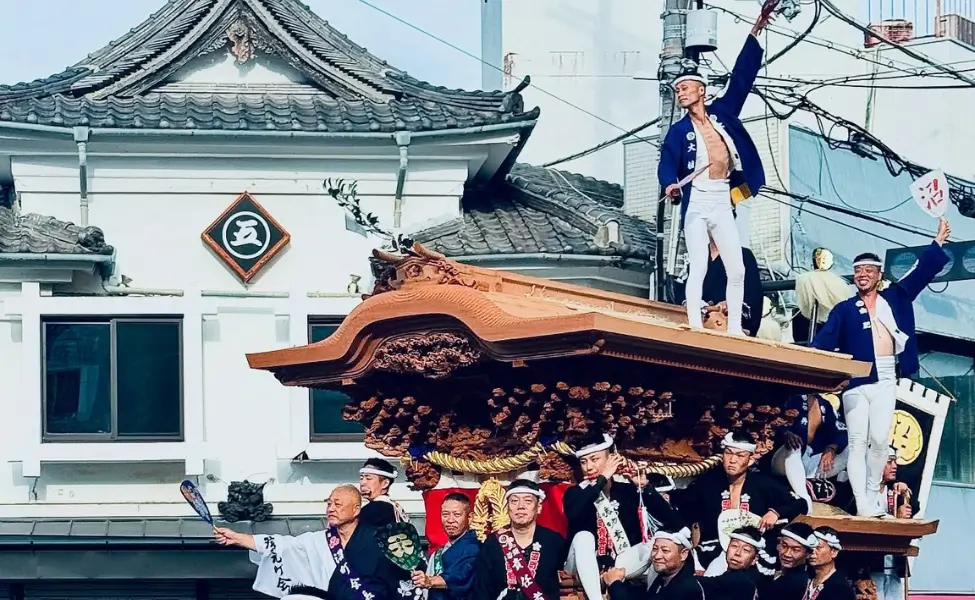
Teams of men sprint whilst pulling four-tonne ornately carved wooden carts around sharp street corners at genuinely dangerous speeds.
The massive carts tilt dramatically onto two wheels during turns whilst a daredevil carpenter dances on top.
Arrive by 9am on September 14th for optimal positioning before the main events begin. Standing near Kishiwada Castle provides excellent sightlines for the most dramatic turns.
Practice runs happen September 7th and 12th, attracting smaller crowds whilst demonstrating identical intensity and excitement.
Many locals actually prefer the practice days for better viewing positions without the crushing masses.
The journey from central Osaka takes roughly 45 minutes via the Osaka Loop Line to Kishiwada Station.
Return trains become absolutely packed after 7pm as everyone attempts leaving simultaneously.
Either depart by 6pm to beat the rush or wait until after 9pm when crowds finally thin out and seats become available again.
September Hiking Specifics
If you prefer mountain trails and natural scenery over urban festivals and crowds, September offers excellent hiking conditions across multiple regions.
Mount Fuji’s Final Days
All official climbing routes close definitively on September 10th, making early September your final opportunity to summit Japan’s iconic peak.
Mountain huts shut down immediately after the official closing date, meaning overnight stays become impossible after September 9th regardless of weather conditions or climbing experience.

The newly implemented 4,000 yen entrance fee applies to all climbers, and daily limits of 4,000 people exist specifically for the popular Yoshida Trail.
Book your climbing slot weeks ahead through the official reservation website, as walk-up access gets denied once daily quotas fill.
Gates physically close from 2pm to 3am specifically to prevent dangerous unsupported night climbing attempts.

Honestly though, September viewing from below typically beats the actual climbing experience.
Lake Kawaguchiko or the Hakone area provide superior photographic opportunities and genuinely enjoyable experiences.
Mount Fuji consistently looks better from a comfortable distance than it feels whilst actually climbing its volcanic slopes.
Nagano’s September Sweet Spot
Nagano Prefecture delivers ideal hiking weather throughout September, with the Japanese Alps maintaining comfortable temperatures whilst surrounding lowlands remain pleasantly warm.
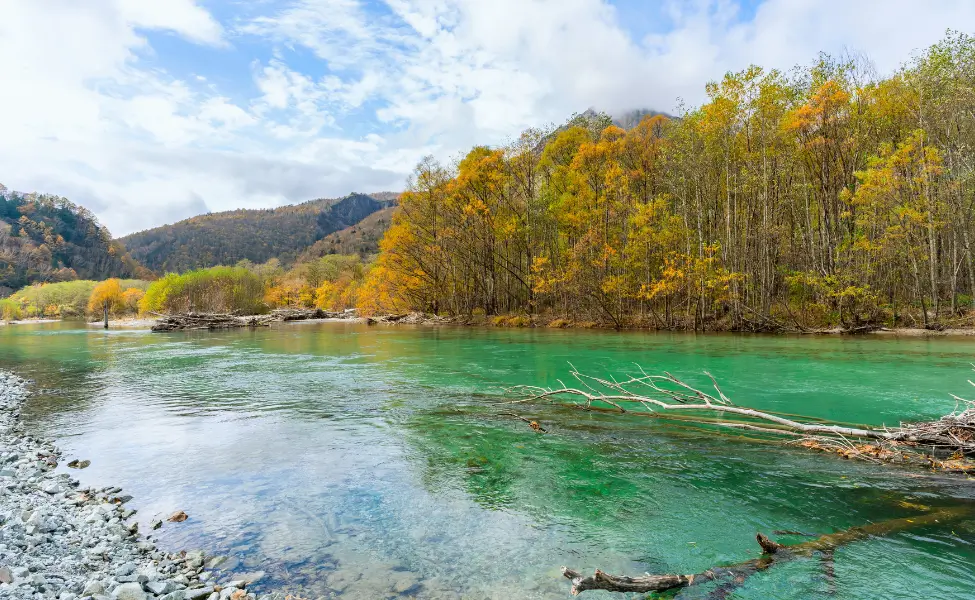
Kamikochi valley offers easy walking trails with spectacular mountain views and virtually none of the October crowds that arrive once autumn colours peak.
The historic Nakasendo Trail connecting former post towns makes an excellent two or three-day walking journey.
September weather remains mild enough for comfortable overnight stays at traditional minshuku inns along the route.

Book guesthouses in the preserved villages of Magome and Tsumago well ahead, as these atmospheric old post towns maintain limited accommodation capacity.
What Closes on September Holidays
Respect for the Aged Day (September 15th)
Banks and post offices observe closures, but most shops and restaurants operate on normal schedules.
Museums occasionally shift their regular weekly closure to Tuesday if Monday already serves as the holiday.
Theme parks and major tourist attractions maintain normal operating hours and typically see increased attendance.
Many older people receive free or discounted admission to zoos, public parks, and museums on this particular day.
Expect noticeably larger crowds at these facilities as families visit with older folk taking advantage of the complimentary access.
Autumnal Equinox Day (September 23rd)
Similar closure patterns apply as with September 15th.
Many Japanese families visit ancestral graves on this day following traditional customs.
Temples and cemeteries experience significant crowds, and flower shops near popular temples often sell out of offering bouquets by midday.
Some smaller restaurants near temple districts close entirely as owners visit family graves themselves.
Practical September Packing
What Actually Works
Early September needs summer clothes.
Pack lightweight shirts, shorts, and breathable fabrics.
Throw in one light jacket for cooler evenings.
Late September needs autumn.
Long trousers and a hoodie or sweater handle the bigger temperature swings.
Pack deodorant from home as Japanese drugstores don’t sell the strong Western-style stuff most travellers expect.

Bring comfortable walking shoes you’ve already broken in.
Money-Saving September Tips
Week One Price Drops
Hotel rates decrease dramatically by 25 to 40% immediately after September 5th when school restarts and family travel ceases abruptly.
Booking accommodations for September 6th onwards generates substantial savings compared to early September or late August pricing.
Late September vs October
October hotel prices typically jump 30% higher than late September rates for essentially identical weather conditions.
Autumn foliage hasn’t actually started yet in central Japan, meaning you’re paying premium October prices for what’s effectively still September weather and green landscapes.
Visiting September 20th through 28th delivers optimal value for budget-conscious travellers.
Restaurant Lunch Deals
Many quality restaurants offer substantial lunch sets for 800 to 1,200 yen that would cost 2,000 to 3,000 yen at dinner for virtually identical food and portion sizes.
Eat your main meal at lunch when prices remain reasonable, then grab onigiri or bento from convenience stores for simple evening meals.
September Transportation Reality
Typhoon Disruptions
Shinkansen bullet trains halt completely during typhoon conditions.

All rail services stop operating once wind speeds exceed strict safety thresholds established after historical accidents.
Most cancellations last approximately one day before normal service resumes, making flexibility absolutely crucial.
Holiday Weekend Trains
Trains pack absolutely solid during the September 13th to 15th weekend.
Reserve seats at least two weeks ahead through JR offices or online booking systems.
What September Misses
Limited Autumn Colours
Central Japan remains predominantly green throughout September.
Genuine autumn colour displays arrive late October in Tokyo, mid-November in Kyoto, and late November through early December in southern regions.
Only Hokkaido and high-altitude areas display September colours worth travelling specifically to see.
Don’t visit expecting the famous autumn foliage if you’re staying below the Tohoku region.
You’ll encounter green mountainsides and summer-like landscapes rather than the red and gold scenery featured in tourism photographs.
Fewer Festival Options
September features noticeably fewer festivals compared to the packed summer matsuri calendar.
August festivals conclude by September 5th, whilst October festivals don’t typically begin until late September.
This creates a cultural event gap that leaves many dates without significant traditional celebrations.
Who September Suits Best
September works exceptionally well for travellers seeking fewer crowds without experiencing winter temperatures.
It particularly suits visitors who genuinely dislike extreme heat but don’t require cherry blossoms or autumn foliage for trip satisfaction.
Budget-conscious travellers benefit substantially from post-summer price reductions across accommodations and domestic flights.
Final Reality Check
September isn’t objectively Japan’s finest month for visiting.
That distinction belongs to October or November for weather reliability, or April for cherry blossom season.
But September costs substantially less, feels noticeably less crowded, and still delivers genuinely excellent experiences for travellers with appropriate expectations.
The month rewards flexible travellers who adapt intelligently to changing weather patterns.
It punishes rigid planners maintaining inflexible packed itineraries.
Those two weeks separating early from late September make the difference between sweating uncomfortably through temple visits and enjoying genuinely comfortable sightseeing conditions.
