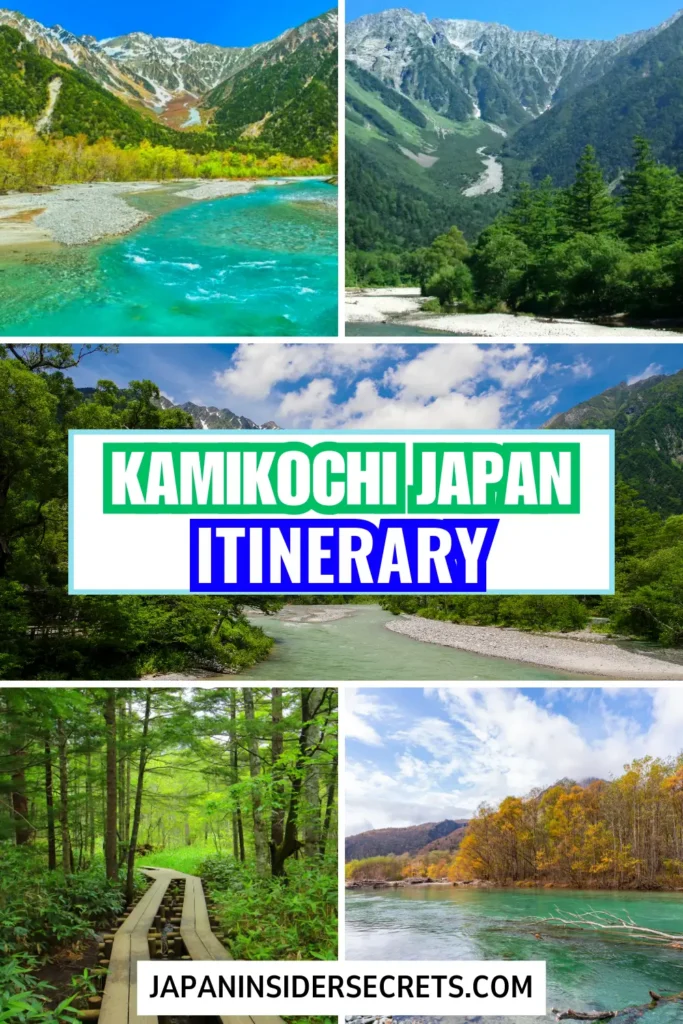

Standing on Kappa Bridge with the Hotaka peaks reflected in the Azusa River, you’ll understand why Kamikochi is called Japan’s most beautiful valley.
After 26 years of living in Japan and countless visits from my home in Nagoya, I still get that same sense of awe every time I return to this alpine paradise.
Snow-capped peaks rise above the Azusa River, Kappa Bridge frames postcard views, and trails link ponds, shrines, and forests that feel untouched.
Whether you want a calm day trip or a multi-day hike, this guide shows you how to visit Kamikochi without missing its best sights.
Here is our recommended experiences when planning your Kamikochi Itinerary:
How Many Days Do You Need in Kamikochi?
Most visitors need 1-2 days in Kamikochi.
One day (6-8 hours) covers the main trail from Taisho Pond to Myojin Pond at a relaxed pace.
Two days allows mountain hiking to Mount Yakedake or overnight stays for quieter valley experiences when the crowds thin out.
From my experience, first-time visitors should plan at least one full day to properly appreciate this stunning valley.
Important Note: Kamikochi sits at 1,500m elevation, so temperatures are cooler than the lowlands and some visitors might feel mild altitude effects initially.
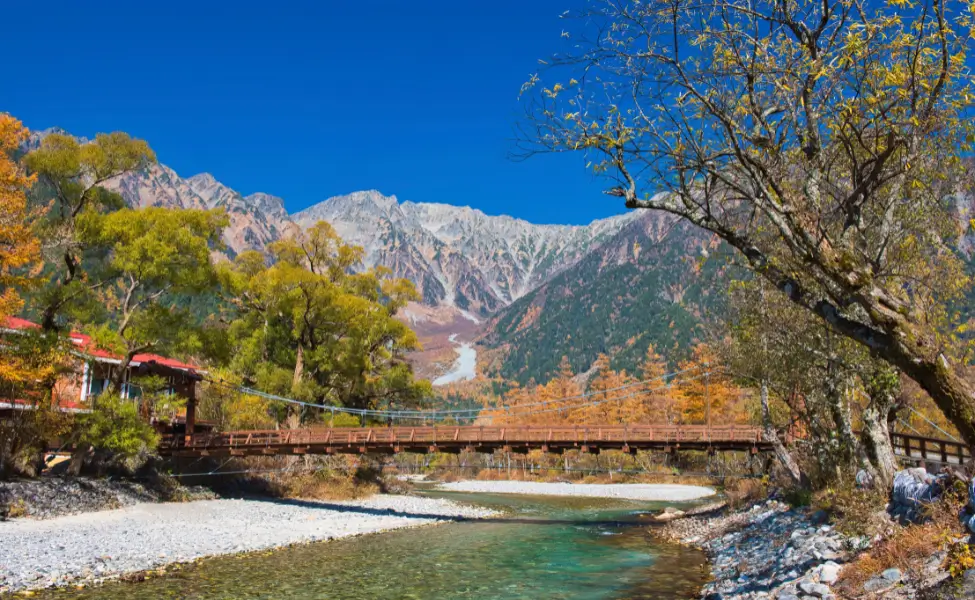
Kamikochi Itinerary Options
Kamikochi offers a mix of short scenic walks and longer treks in the Japanese Alps.
You can enjoy peaceful riverside trails or challenge yourself with nearby peaks.
There are two main trip styles:
Day trip from Matsumoto, Takayama, or Hirayu Onsen – perfect for casual walkers who want to experience the valley’s highlights.
Overnight stay at a lodge, campsite, or hotel – ideal for hikers wanting to reach higher viewpoints or experience the valley’s serene early morning atmosphere.
Day Trip Plan
For a day trip, arrive early by bus from Matsumoto or Takayama.
Start at Taisho Pond, then follow the Azusa River trail to Kappa Bridge.
Continue to Myojin Pond before heading back.
This loop takes about 5–6 hours at a steady pace.
Return Transport: Last buses typically depart between 5:00-6:00 PM depending on the season.
Purchase return tickets when you arrive to secure your spot.
Two-Day Plan
Day 1: Taisho Pond → Kappa Bridge → Myojin Pond → Stay overnight in Kamikochi
Day 2: Early morning hike to Yakedake or visit Shin-Hotaka Ropeway
This balances easy walking with adventure while letting you experience the valley’s peaceful morning hours.
Mountain Hiking Safety:
- Mount Yakedake is a demanding full-day hike (8-10 hours) requiring proper hiking boots, weather gear, and mountain experience
- Mount Hotaka routes are even more challenging, often needing overnight hut stays
- Always check weather conditions and inform someone of your hiking plans
Kamikochi Highlights You Can’t Miss
Kappa Bridge sits at the heart of Kamikochi and offers the most iconic views.
From here, the Azusa River flows with the Hotaka peaks rising dramatically in the background.
Taisho Pond is famous for its mirror-like reflections and mountain vistas.
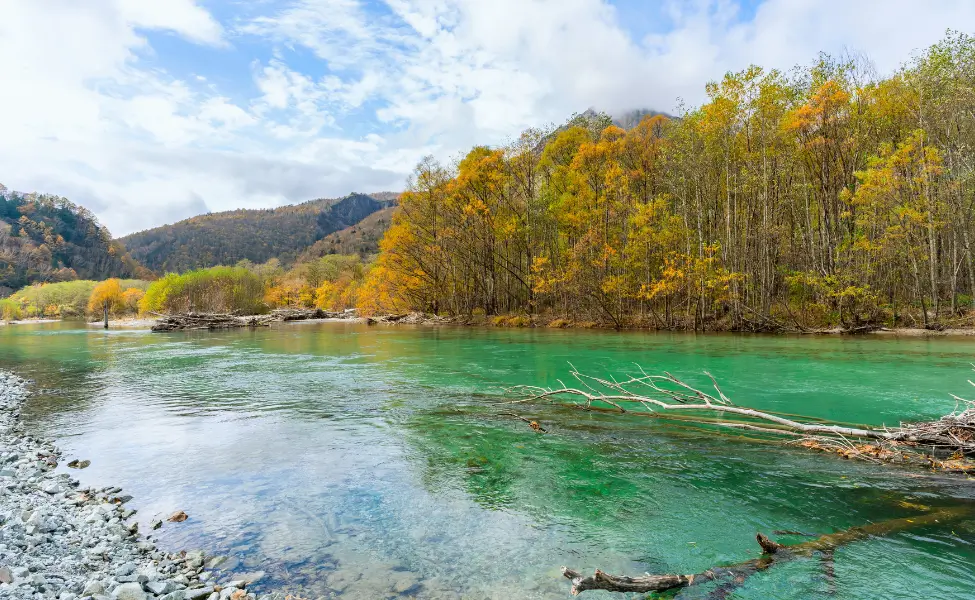
It’s the most accessible starting point for most visitors and offers some of the valley’s most photographed scenery.
Myojin Pond lies further upstream in a quieter setting.
Surrounded by ancient forest, it features a small shrine on its shore and feels more secluded than the main attractions.
Facilities: The main bus terminal area has restrooms, souvenir shops, restaurants, and basic first aid facilities.
Additional restrooms are located at major trail points including Kappa Bridge and Myojin Pond. Coin lockers (¥300-600) are available for day visitors.
Getting to Kamikochi: Transport Guide
You can only reach Kamikochi by bus or taxi.

Private cars aren’t permitted inside the park to protect the pristine environment.
Quick Reference: Transport Costs & Times
Matsumoto → Kamikochi (via train+bus): 90 minutes, ¥3,710 one way – Most popular route
Matsumoto → Kamikochi (direct bus): 90 minutes, ¥4,450 one way – Requires reservation
Tokyo → Kamikochi (highway bus): 5-7 hours, ¥8,000-14,000 one way – Direct but long journey
Takayama → Kamikochi (via Hirayu): 85 minutes total, ¥2,800 return trip – No reservations needed
From Matsumoto (Most Common Route)
From Matsumoto Station, take the Matsumoto Electric Railway (30 minutes) to Shin-Shimashima Station, then transfer to a Kamikochi-bound bus (60 minutes).
Bus Reservations: Buses require reservations and fill up quickly during peak periods (July-August, October).
Reserve 2-3 days ahead through Japan Bus Online or Alpico bus offices.
The Japan Rail Pass isn’t valid for this route.
From Tokyo and Takayama
Tokyo: Direct highway buses are simplest (5-7 hours) with overnight options available.
Alternatively, take JR Chuo Line to Matsumoto, then continue via the train+bus route.
Takayama: Take a bus to Hirayu Onsen (60 minutes, ¥1,600), then connect to Kamikochi (25 minutes). This route doesn’t require seat reservations.
Driving and Parking
Private vehicles must park outside the entrance (¥800/day) and continue by shuttle bus or taxi for the final 20-30 minutes into the valley.
Taxis cost ¥4,200-5,200 one way from the parking areas.
Best Time to Visit Kamikochi
Kamikochi operates from 17 April to 15 November only.
Heavy snow closes the park outside these dates.
Weather by Season
Late April–May: Daytime 10-15°C (50-59°F), cold mornings.
Pack fleece, gloves, and warm jacket.
Golden Week brings crowds but limited lodging.
June–July: Rainy season with temperatures 15-20°C (59-68°F).
Essential to bring waterproofs and sturdy footwear.
July–August: Most comfortable weather at 20-25°C (68-77°F) during the day, but nights still cool at 10°C (50°F).
Peak season means crowds, especially during Obon (11-16 August).
September: Temperatures drop to 15-20°C (59-68°F) with crisp 5°C (41°F) mornings.
Fewer visitors make this an excellent time to visit.
October–November: Winter-like conditions require down jacket and gloves.
Daytime 5-15°C (41-59°F), nighttime often below freezing.
Mid-October brings spectacular autumn colors but heavy crowds.
Avoiding the Masses
For quieter trails, target late May, September, or early November.

These periods offer pleasant weather with manageable visitor numbers.
Weekends, holidays, and school breaks are consistently the most crowded times.
Where to Stay in Kamikochi
Inside Kamikochi
Staying in the valley puts you steps away from trails and lets you experience the peaceful dawn hours when mist rises from the river.
Premium Hotels: Gosenjaku Hotel and Hotel Shirakabaso offer Western or Japanese-style rooms near the bus terminal with river views (¥15,000-25,000 per person including meals).
Budget Options: Konashidaira Campsite provides tent sites (¥1,000 per person) and forest cabins (¥3,000-5,000 per person), just 10 minutes from the terminal.
Mountain Lodges: Nishi-Itoya Mountain Lodge and similar properties offer dormitory stays (¥8,000-12,000 per person including meals).
Dining Note: Most accommodation includes meals.
Day visitors have limited restaurant options at the bus terminal (closing by 5 PM), so pack snacks for longer hikes.
Hot Springs and Deep Valley Stays
Kamikochi Onsen Hotel combines natural mineral baths with rooms overlooking the peaks .
This is ideal for post-hike recovery.
Mountain Huts: Tokusawaen and Yokoo Sanso sit deeper in the valley, catering to serious hikers with dormitory beds and hearty meals (¥8,000-15,000 per person including meals).
Evening conversations with other adventurers are half the charm.
Remote Camping: Designated campgrounds like Tokusawa Campsite offer both tent sites and fixed tent rentals.
Waking to star-filled skies and quiet mornings creates a completely different experience from the busier valley areas.
Outside Kamikochi
For more dining and entertainment options, base yourself in Matsumoto or Takayama.

Both cities offer extensive hotel choices with easy bus connections to Kamikochi.
Frequently Asked Questions
Is Kamikochi worth visiting?
Absolutely.
Having visited dozens of times over my years in Japan, Kamikochi offers some of the country’s most spectacular mountain scenery with trails for every fitness level.
The pristine nature and dramatic alpine setting make it essential for nature lovers.
What should I wear?
Layer your clothing as mountain weather shifts rapidly.
Even summer visitors need a fleece for cool mornings and evenings.
Waterproof gear is crucial during rainy season.
Sturdy hiking boots work best for trails, though the main valley paths suit good walking shoes.
Don’t forget sun protection at this elevation.
Is it suitable for beginners?
The main valley trails from Taisho Pond to Myojin Pond are perfect for newcomers – well-maintained, mostly flat paths taking 5-6 hours leisurely.
Mountain ascents like Yakedake demand experience and proper gear. Start with valley walks to assess your comfort level.
Do I need advance reservations?
Yes, especially during peak times.
Mountain lodges have limited capacity and fill up months ahead during autumn foliage and summer holidays.
Even camping requires reservations at designated sites.
Day visitors should secure return bus tickets immediately upon arrival.
What facilities are available?
The bus terminal area provides restrooms, shops, restaurants, and first aid stations.
Additional facilities exist at Kappa Bridge and Myojin Pond.
Mobile coverage can be spotty in remote areas, so always inform someone of your hiking plans and carry emergency supplies for longer treks