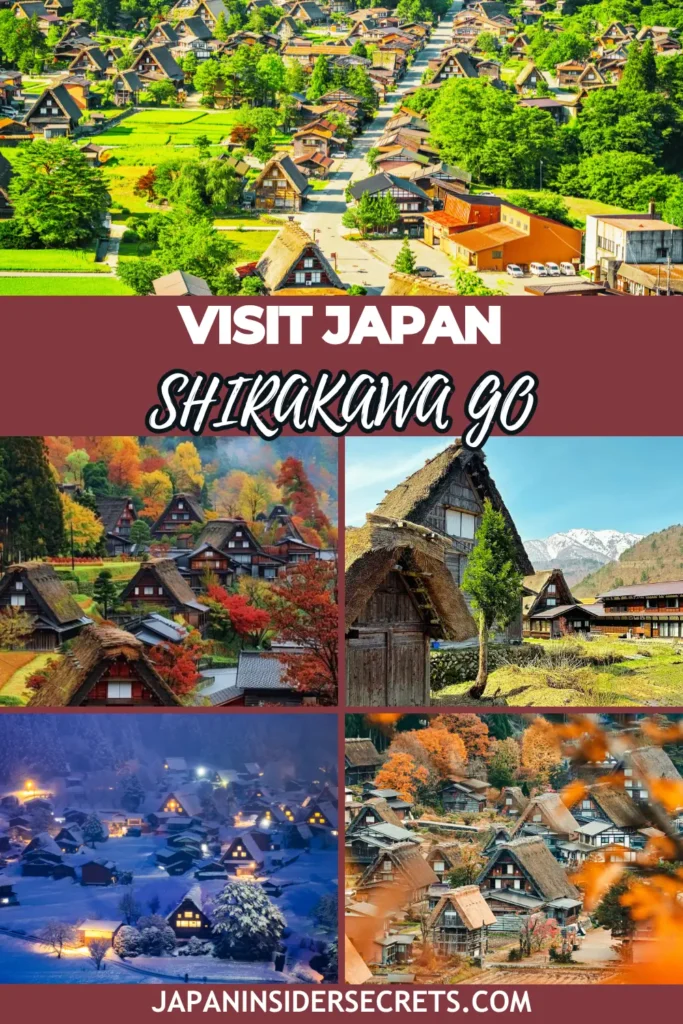
If your Japan itinerary covers Tokyo and Kyoto and you are now staring at the central Japan section trying to decide what belongs there, this question has probably crossed your mind.
The photos look compelling, but photos in Japan often mislead.
You have likely seen snow-capped farmhouses glowing in winter light, empty paths, mountain stillness.
And you have probably wondered whether the reality involves four hundred people with selfie sticks standing between you and that view.
Living in Nagoya, less than three hours from the village, I have visited Shirakawa-go more times than I can reliably count.
I have been there on October mornings before the first bus arrived and on wet August afternoons when the crowds made the place feel like a theme park.
The difference between those two visits was enormous, and that gap is the whole story.
Shirakawa-go is genuinely worth your time, but the quality of your visit depends almost entirely on when you go and a few decisions you make before you arrive.
The Short Answer
Yes, go.
It earns its place in your itinerary.
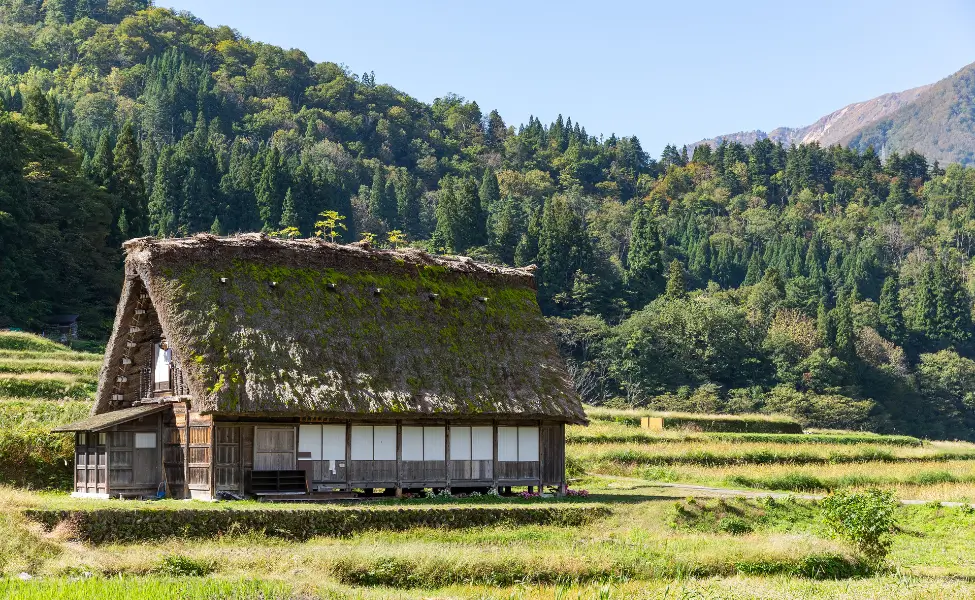
The farmhouses are not a reconstruction or a set piece.
They are real structures, many still occupied, in a valley that was functionally isolated from the rest of Japan for much of every winter until a highway opened in the 1970s.
What grew there over centuries, in terms of architecture, community structure, and culture, looks like nothing else in the country.
The caveat is real, though.
A bad-timing visit to Shirakawa-go is genuinely underwhelming.
A well-timed one is the kind of morning in Japan you talk about for years.
Everything that follows is about making sure yours falls in the second category.
What This Village Actually Is
Shirakawa-go sits in the Shogawa River Valley in the mountains of Gifu Prefecture.
UNESCO recognised it in 1995, designating it alongside neighbouring Gokayama as a World Heritage Site.
That designation matters to your decision because it signals something specific.
This is not a village preserved under glass.
Families still live in the farmhouses, the community organises its own fire patrols three times a day to protect buildings no fire brigade could replace, and the buildings are maintained using the same methods they have always used.
The gassho-zukuri farmhouses that fill the village take their name from the steep angle of their thatched roofs, which resembles hands pressed together in prayer.
The design is not decorative.

The valley receives snowfall regularly exceeding three metres, and a shallower roof would collapse under the weight.
Across Shirakawa-go, 114 of these structures survive.
Some stand three or four storeys tall, the beams joined without a single nail, using interlocking wooden joinery that gives each frame enough flexibility to absorb earthquake movement without cracking.
The roofs use thick pampas grass and rice straw, replaced roughly every 30 to 40 years at a cost of approximately ¥10 million or more per structure.
The community pitches in together each time, which is the only way it gets done.
That cooperative maintenance tradition, called yui, is as much a part of what UNESCO designated as the buildings themselves.
How People Actually Lived Here
The upper floors of these farmhouses served as silkworm farms, with wooden frames for raising thousands of silkworms fed on mulberry leaves and kept warm by heat rising from the hearth below.
The irori, a sunken hearth at the centre of each home’s main room, heats the space, serves as the cooking fire, and sends smoke upward to preserve the thatch from rotting.
In the families that still live here, the irori remains in daily use.
Some families also produce doburoku, a cloudy, unfiltered rice wine made by a method that predates filtered sake.
Most of Japan prohibits home production, but Shirakawa-go holds a special exemption.
The Doburoku Festival in mid-October celebrates the tradition at five village shrines with lion dances and sake shared among residents and visitors alike.
Knowing this when you walk the village gives everything a different weight.
You are not looking at a preserved exhibit.
You are visiting a place where people still live the way their great-grandparents did, because they chose to.
Understanding this changes how you experience the visit and, more practically, helps you answer the question of whether it belongs on your itinerary.
The Crowd Problem and How to Deal With It
This is the part most travel writing skips, which is exactly why so many visitors end up disappointed.
Shirakawa-go draws more than a million visitors a year to a village that would fit comfortably inside a medium-sized shopping centre.
On a Saturday in October or during the winter illumination season, the crowds are genuinely bad.
Tour buses from Kanazawa and Takayama disgorge passengers through most of the morning, and between 10am and 2pm the main paths look nothing like any photograph you have seen.
The crowd problem is predictable, though, which means it is largely avoidable.
The timing windows that work:
- Arriving before 9am, before most tour groups reach the village, particularly effective in October when morning mist sits between the farmhouses and the hills behind
- Weekdays throughout September, October, and November, which carry substantially lighter visitor numbers than weekends
- Late September and early October, when autumn colour begins without the peak-weekend pressure of mid-October
- Late afternoon from around 3.30pm onward, when day-trippers head for return buses
- Early May, once Golden Week ends, with warm conditions and manageable crowds
The viewpoint at the old Shiroyama castle site is worth the 15-minute walk uphill from the village.
A small shuttle bus (¥200 one way) runs if the climb does not appeal.
From the top, the valley floor opens below you and the scale of the whole place becomes clear in a way that walking the paths alone does not provide.
When to Go: A Practical Breakdown
Autumn is the most visually rewarding season for most first-time visitors.
The foliage peaks in mid to late October, and the contrast between warm hillside colours and dark farmhouse thatch is as good as Japan gets.
Book accommodation anywhere in the region for mid-October weekends several months ahead.

Weekdays are far more manageable, and the colour persists into early November when tourist pressure eases noticeably.
Winter transforms the valley into something genuinely different.
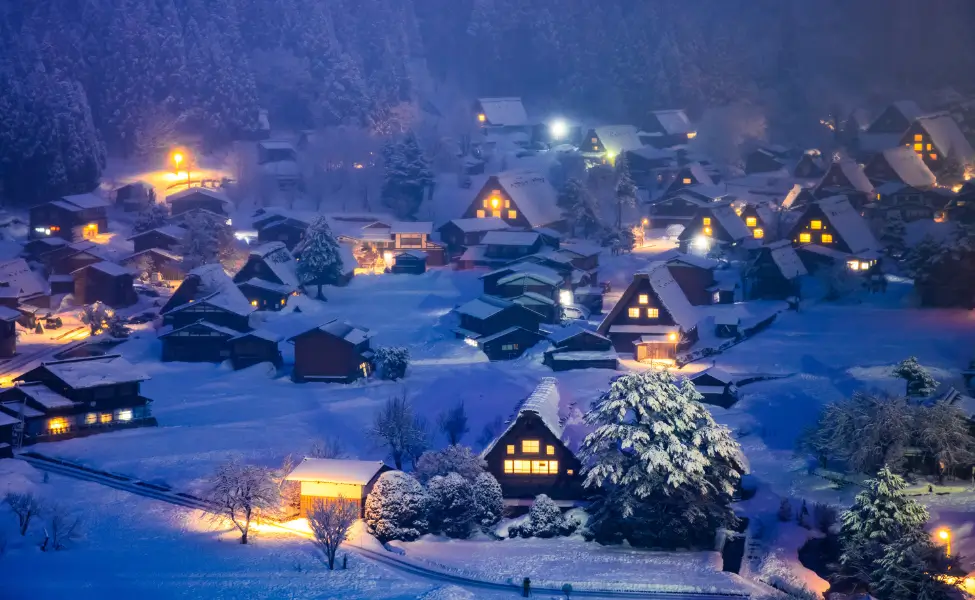
Heavy snowfall covers the roofs and surrounding hills, and the village looks as close as it will ever come to the photographs you have seen.
The illumination events in January and February are spectacular but require serious planning, covered below.
Even without the illuminations, a weekday visit in late January, when the snow is deep and the tour buses are fewer, produces one of the most compelling Shirakawa-go experiences available.
Spring brings fresh green rice fields and cherry blossom in late April.
The blossom is pleasant without being the primary reason to come.
Golden Week, running from late April into early May, packs the village hard.
Once it ends, conditions calm quickly and May delivers some of the most relaxed visiting of the year.
Summer is genuinely good if you avoid Obon in mid-August.
The valley is intensely green, the surrounding mountains offer hiking, and a Tuesday or Wednesday outside of the holiday period gives you the village at something close to its natural pace.
Getting There
Shirakawa-go has no train station.
Buses handle almost all visitor access and they work well once you understand the system.
| From | Journey time | One-way fare | Reservations | Daily frequency |
| Takayama | 50 minutes | ¥2,600 to ¥2,800 | Some services require reservation; unreserved buses available | Up to 16 round trips in peak season |
| Kanazawa | 75 minutes | ¥2,800 | Mandatory on all services | Nearly hourly |
| Nagoya | 2.5 to 3 hours | ¥3,600 to ¥4,700 | Required; book well ahead | Multiple daily |
Confirm current prices on the Nohi Bus or Japan Bus Online websites before travel.
From Takayama, this is also the answer to “can I do both in one trip?”
Yes, easily.
Take the first morning bus to Shirakawa-go, spend three to four hours in the village before the main crowds arrive, then return to Takayama and use the afternoon for the old town.
The Nohi Bus terminal sits next to Takayama Station.
Some services require advance seat reservations, others do not.
During October weekends, book ahead through Japan Bus Online.
From Kanazawa, reservations are mandatory on all services.
Kanazawa works well as a base if you plan to travel the Hokuriku coast route, treating the village as a stop between Kanazawa and Takayama rather than a round trip from either city.
From Nagoya, Gifu Bus and Meitetsu Bus run direct services from Meitetsu Bus Center next to Nagoya Station.
If you plan to stop at Takayama anyway, routing via Takayama rather than taking the direct Nagoya service saves time overall.
Driving costs ¥1,000 per day for parking.
Snow tyres or chains are mandatory on mountain roads from December through March.
Day Trip or Overnight? The Honest Answer
The assumption that staying in the village delivers the more authentic experience is worth questioning directly, because it leads a lot of people to spend more money on a worse visit.
A well-timed day trip, arriving early on a weekday morning, gives you the village at its best.
You walk the paths before tour groups appear, visit one or two farmhouses, climb to the viewpoint, eat lunch, and return in the early afternoon.

Done this way, a day trip produces a better experience than an overnight stay during a busy weekend, when the village stays crowded from the moment you wake up.
The case for staying overnight is specific rather than general.
An overnight stay lets you experience the village after day visitors leave, when the paths empty and the sounds of the valley return.
Early morning in Shirakawa-go, in the hour before anyone else is moving, is one of the most peaceful experiences the village offers.
If you can arrive on a Sunday evening, when weekend crowds thin, and leave on Monday morning, you get the quiet evening and the empty early hours together.
The minshuku in the village are family-run guesthouses inside actual gassho-zukuri farmhouses, charging ¥12,000 to ¥18,000 per person including breakfast and dinner.
Rooms have tatami floors and futon bedding.
Baths and toilets are typically shared but modern.
The experience is more rustic than a standard ryokan and genuinely comfortable if you approach it with realistic expectations.
Most guesthouses manage English well enough to cover practicalities, and Western visitors are not unusual guests.
For most people on a first Japan trip, basing yourself in Takayama and making Shirakawa-go a day trip is the better use of time and money.

The Winter Illuminations: What Nobody Tells You Before You Try to Book
The illumination events are the most photographed thing Shirakawa-go does, and the booking process is also the most misunderstood.
Most articles still describe a simple ticket purchase.
That system no longer exists.
The events run on four to six evenings per season, typically in January and February from 5.30pm to 7.30pm.
Entry requires a pre-booked reservation through one of three routes, and no same-day or walk-up access is available at all.
The practical steps:
- Book overnight accommodation via the lottery. Village guesthouses accept lottery applications during October each year, with results announced on 10 November. Overnight guests receive a parking allocation and access to the Shiroyama viewpoint during the illumination. This is the most immersive option and also the hardest to secure.
- Join a designated bus tour. Nohi Bus, Kaetsuno Bus, Hokutetsu Bus, and licensed travel agencies operate illumination tour packages that include admission as part of the fare. Some also include the observation deck ticket. Confirm the tour explicitly includes illumination entry before booking. Tours depart from Takayama, Kanazawa, Toyama, and Nagoya. Book as soon as the season opens, typically September, because these sell out well in advance.
- Reserve a parking space online. Two booking windows open each year: one in September (¥6,000 to ¥9,000 per car) and one in December (¥7,000 to ¥10,000 per car). Parking reservation holders cannot access the Shiroyama viewpoint during the evening event.
Regular buses stop running from Shirakawa-go before the illumination begins.
Independent bus travellers cannot attend without joining an organised return tour.
Check the Shirakawa-go Tourist Association website each September for the exact dates and booking details for the coming season, as these change annually.
Temperatures at the events drop well below freezing and the village paths become compacted ice.
Shirakawa-go vs Gokayama
Gokayama lies to the north in Toyama Prefecture and forms part of the same UNESCO designation.
Its villages, particularly Ainokura with around 20 gassho-zukuri houses, see a fraction of Shirakawa-go’s visitor numbers. If your priority is photography in a setting without crowds, Gokayama wins clearly.
The farming community character is more present and less mediated by tourism infrastructure.
The trade-off is access and facilities.
Gokayama requires more logistical effort to reach independently, and there is far less to do once you arrive.
For most first-time visitors with limited days, Shirakawa-go is the right choice.
If you travel the bus route between Kanazawa and Takayama and have time to spare, stopping at Ainokura before or after Ogimachi adds a worthwhile contrast to the day without requiring significant extra planning.

What It Costs
Day Trip
| Departing from | Return bus fare | House entries | Lunch | Estimated total |
| Takayama | ¥5,200 to ¥5,600 | ¥0 to ¥1,500 | ¥1,500 to ¥3,000 | ¥6,700 to ¥10,100 |
| Kanazawa | ¥5,600 | ¥0 to ¥1,500 | ¥1,500 to ¥3,000 | ¥7,100 to ¥10,100 |
| Nagoya | ¥7,200 to ¥9,400 | ¥0 to ¥1,500 | ¥1,500 to ¥3,000 | ¥8,700 to ¥13,900 |
Village entry is free. Individual farmhouses open to visitors charge ¥300 to ¥500 per person.
The Gasshozukuri Minkaen outdoor museum, which preserves 25 relocated gassho-zukuri structures including 9 designated cultural properties, charges ¥600.
Budget for two or three house entries plus the museum and site fees come to roughly ¥1,500 to ¥2,000 for a thorough visit.
Restaurants in the village are limited and priced accordingly.
A proper lunch runs ¥1,500 to ¥3,000 for Hida regional food including hoba miso, Hida beef, and local river fish.
Overnight Stay
| Base | Per person including meals | Bus to village | Approximate total |
| Village minshuku | ¥12,000 to ¥18,000 | ¥2,600 to ¥2,800 one way | ¥14,600 to ¥20,800 |
| Takayama base plus day trip | ¥10,000 to ¥20,000 | ¥5,200 to ¥5,600 return | ¥15,200 to ¥25,600 |
Staying in Takayama is often better value outside peak season. During illumination weekends and autumn peak, village minshuku command a premium and availability is tightly limited regardless of price.
Practical Details Worth Knowing
English support. Major attractions carry basic English signage and most minshuku communicate in English at a functional level. Translation apps cover anything more complex. The Takayama bus terminal and the Shirakawa-go bus stop both use English lettering clearly.
Photos inside farmhouses. Policies vary between buildings. Some allow photography on certain floors, others prohibit it entirely. Ask before raising your camera. These buildings are homes, not museum galleries.
Mobility. The main village paths are flat and navigable. Traditional farmhouses have steep internal staircases and uneven flooring, which presents a real challenge for anyone with joint or balance difficulties. The shuttle bus to the Shiroyama viewpoint (¥200) removes the uphill walk for those who need the option.
What to pack for winter visits:
- Waterproof boots with grip, as village paths become compacted ice during cold snaps
- Thermal base layers rated for below-zero temperatures
- Gloves designed for genuine cold rather than casual winter use
- A hat that covers your ears
- Hand warmers for the stretches when you stand still to take photographs
Who Should Go and Who Should Skip It
Go if you have a base in Takayama or Kanazawa and can spare a day.
Go if you travel in October, late January, or early May and can hit the village before 9am.
And if you want one experience on your trip that sits outside the standard Tokyo and Kyoto circuit and actually delivers on that promise.
Think carefully if you only have time for weekend visits in peak season and cannot arrive early.
The village at midday on an October Saturday is a crowd management exercise, not a cultural experience.
The version of Shirakawa-go that most visitors miss, a quiet morning in late October with the mist still sitting on the valley, the farmhouses dark and solid against the hills, the paths largely empty, is absolutely available.
It just requires arriving before the buses do.
That is the only real piece of planning that separates a great visit from a disappointing one, and it costs nothing extra to get right.