

Japan in November at a Glance
Best For: Fall foliage, comfortable weather, fewer crowds, cultural festivals
Weather: Cool days (17°C/63°F), chilly nights (10°C/50°F)
Savings: Hotel prices 20-30% lower than peak season
Peak Colors: Mid to late November in most regions
Rainfall: 3-5 rainy days total
Daylight: 5-6 hours, sunset by 5:00 PM
Crowds: Light to moderate
Budget: Mid-range, excellent value for money
Want to visit Japan when the leaves turn red and gold?
November is your best choice.
The weather is nice and cool.
Hotel prices drop by 20 to 30 percent.
The summer crowds go home.
You get amazing fall colors everywhere you look.

This guide will help you plan the perfect November trip to Japan.
You will learn what to pack, where to go, and how much things cost.
We cover the best places to see fall leaves and fun festivals to enjoy.
Weather You Can Expect
November weather in Japan changes from place to place.
Most areas have cool days and chilly nights. You will need warm clothes for evening walks.
Regional Weather Breakdown
| Region | Daytime High | Nighttime Low | Best For |
|---|---|---|---|
| Tokyo/Osaka/Kyoto | 17°C (63°F) | 10°C (50°F) | Urban exploration, temples |
| Hokkaido (North) | 8°C (46°F) | 0°C (32°F) | Early snow, hot springs |
| Kyushu (South) | 20°C (68°F) | 12°C (54°F) | Outdoor activities, hiking |
Rain and Sunshine
November is a dry month in most of Japan.
You can expect 60 to 100 millimeters of rain for the whole month.
This means about 3 to 5 rainy days during your trip.
Most days will be clear and sunny.
You get 5 to 6 hours of sunshine each day.
This gives you plenty of light for taking photos and walking around.

But remember that days get shorter in November.
The sun sets between 4:30 and 5:00 PM.
Plan your outdoor activities for the morning and afternoon.
What to Pack for November
Smart packing helps you stay comfortable all day.
The key is layers you can add or remove as temperatures change.
Essential Clothing Items
Start with a light base layer like a cotton t-shirt or thin sweater.
Add a warm middle layer like a fleece jacket or wool sweater.
Top it off with a waterproof outer jacket that fits in your bag.
Pack at least two pairs of walking shoes.
Waterproof boots work great for temples and hiking.
Clean sneakers are perfect for cities and indoor places where you remove shoes.
Expect to walk 15,000 to 20,000 steps each day.
Bring warm accessories for cold mornings and evenings.
Pack gloves, a scarf, and a warm hat.
Sunglasses help with bright fall sunshine reflecting off colorful leaves.
Practical Travel Items
Pack a small umbrella even though November stays mostly dry.
Japanese stores sell good umbrellas for about 600 yen if you need one.

A portable phone charger keeps your phone working for maps and translation apps.
Bring basic medicines in a small first aid kit.
Western medicines can be hard to find in small Japanese towns.
Pack any prescription medicines you take regularly.
Sample 7-Day Itinerary for First-Time Visitors
Days 1-3: Tokyo
Arrive, explore Shinjuku Gyoen (peak colors Nov 15-25), Imperial Palace East Gardens, evening in Shibuya
Day 4: Day trip to Kamakura
Great Buddha, Hasedera Temple, return to Tokyo evening
Days 5-6: Kyoto
Kiyomizu-dera Temple, Tofuku-ji Temple (go early at 8:00 AM), Eikando Temple
Day 7: Osaka
Osaka Castle Park, Dotonbori district for street food, departure
Best Places to Visit
November turns Japan into a colorful wonderland.
Every region offers something special to see and do.
Tokyo: Big City Fall Colors
Tokyo becomes a fall paradise in November.
The city has many parks and gardens with amazing leaf displays.
Shinjuku Gyoen National Garden shows off over 1,000 cherry and maple trees across 144 acres.

Entry costs 500 yen for adults.
The best colors usually happen between November 15th and 25th.
The Imperial Palace East Gardens cost nothing to visit.
Crowds stay smaller than during spring cherry blossom time.
The gardens have beautiful Japanese landscape design perfect for photos and quiet walks.
Yoyogi Park has big open areas great for fall picnics.
Food vendors around the park sell seasonal treats like roasted sweet potatoes for 400 to 600 yen each.
Kyoto: Ancient Beauty
Kyoto looks its best during November.
Old temples and traditional gardens frame themselves with bright fall colors.
Kiyomizu-dera Temple gives you great city views surrounded by maple forests.

Evening light shows create magical scenes perfect for romantic walks.
Tofuku-ji Temple has one of Japan’s most famous fall viewing spots.
A wooden bridge crosses over a valley filled with 2,000 maple trees.
Go early in the morning around 8:00 AM to avoid crowds.
Entry costs 600 yen during peak leaf season.
Eikando Temple gets called the “Temple of Autumn Leaves.”
It has the most amazing maple displays in all of Kyoto.
The temple has many gardens connected by covered walkways.
You can see changing colors from different views while staying dry if it rains.
Osaka: Modern City with Natural Beauty
Osaka Castle Park turns into a golden wonderland in November.
The old castle looks great against seasonal leaf colors.
The 105-acre park costs nothing to explore.
Castle entry costs 600 yen for adults.
Visit in the morning for the best photo lighting.

Expo ’70 Park covers 630 acres with many themed gardens.
Each garden shows different parts of Japanese landscape design.
The Tower of the Sun looks especially good when surrounded by fall colors.
Dotonbori district comes alive during November evenings.
Nice temperatures make street food exploration more fun.
Try takoyaki (octopus balls) for 600 to 900 yen per serving.
Sample okonomiyaki while eating by the river under bright neon signs.
Day Trip Options
Nara Park lets you meet over 1,200 wild deer while seeing fall landscapes around old temples.
Deer crackers cost 200 yen per pack.
Feeding these gentle animals creates great memories for all ages.
Todai-ji Temple houses Japan’s largest bronze Buddha statue.

Kasuga-taisha Shrine has thousands of stone and bronze lanterns making mystical pathways through maple trees.
Kamakura makes an easy day trip from Tokyo.
Express trains cover the 50 kilometers in just one hour.
The 13-meter tall Great Buddha sits peacefully surrounded by fall colors.
Nearby Hasedera Temple has hillside gardens with ocean views.
Temple entry usually costs 400 to 500 yen per site.
Outdoor Activities and Nature
November gives you perfect weather for outdoor adventures.
The cool air feels great for walking and hiking.
Fall Leaf Viewing
Japanese fall leaves, called “koyo,” follow clear patterns that help you plan.
Colors start first in northern mountains during early November.
They slowly move south and to lower areas during the month.
Maple trees give the most dramatic red displays.
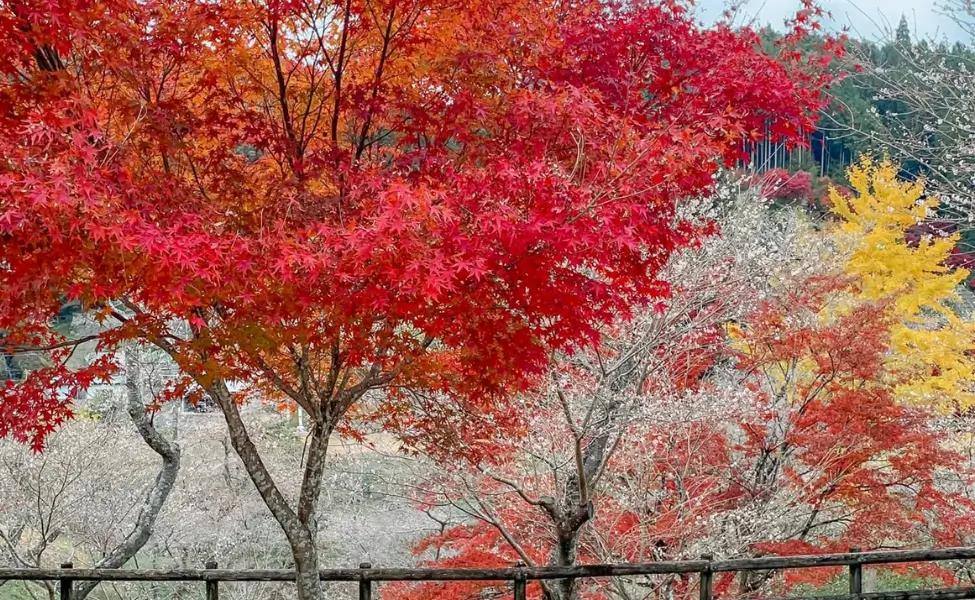
Ginkgo trees create amazing golden carpets around temples and parks.
Japanese mountain ash adds bright orange colors.
These different trees create diverse color mixes that change daily as temperatures shift.
Mountain Adventures
The mount Fuji offers great November experiences.
Lake Kawaguchi gives crystal-clear reflections that double the visual impact of surrounding fall colors.
The Fuji Five Lakes area has many hiking trails from easy lakeside walks to hard mountain climbs.
The Nakasendo Trail between Magome and Tsumago gives manageable 8-kilometer hiking through preserved old villages surrounded by colorful forests.

This historic route takes 3 to 4 hours to complete.
Traditional inns offer lunch stops and rest chances.
Kamikochi in the Japanese Alps shows pristine wilderness areas with boardwalk trails good for casual hikers.
The valley closes for winter around November 15th.
Plan early month visits to see this mountain paradise before seasonal closures.
Cultural Etiquette for Autumn Activities
Temple Visits During Leaf Season
- Arrive early morning (before 8:00 AM) to avoid crowds and get the best photos
- Remove hats and sunglasses when entering temple buildings
- Photography may be restricted in certain areas – look for signs or ask staff
- Keep voices low and avoid blocking pathways for other visitors
- Consider making a small offering (usually 5-100 yen) at prayer areas
Hot Spring (Onsen) Etiquette
- Always shower thoroughly before entering any bath
- Keep towels out of the hot spring water – place them on your head or nearby ledges
- No swimwear allowed – onsen are used completely nude
- Keep conversation quiet and respectful
- Don’t stare at other bathers
- Many onsen exclude people with tattoos – check policies beforehand
Festivals and Cultural Events
November brings many special celebrations that show Japanese culture and traditions.
National Holidays
Culture Day happens on November 3rd.

It celebrates Japanese arts, culture, and learning through events across the country.
Art galleries host special shows.
Traditional craft demonstrations happen in parks and cultural centers in major cities.
Labor Thanksgiving Day on November 23rd honors workers while celebrating harvest traditions from over 1,500 years ago.
Many families visit shrines to show thanks for the year’s blessings.
This creates chances to see real Japanese spiritual practices.
Regional Festival Fun
Asakusa Tori no Ichi festival in Tokyo happens on special “rooster days” in November.
It features fancy kumade rake decorations that people believe bring good luck and wealth.
Vendors throughout Asakusa district sell these ornate good luck charms.
Small ones cost 1,200 yen. Large business displays can cost over 120,000 yen.
The festival has traditional street food, sake vendors, and live shows creating carnival-like fun perfect for cultural learning.
Crowds peak during evening hours when hundreds of food stalls light up narrow temple streets.
Karatsu Kunchi in Saga Prefecture runs from November 2nd through 4th.
It features huge decorative floats called “hikiyama” paraded through historic city streets.
This 400-year-old festival mixes Shinto religious ceremonies with community celebrations.
It offers real glimpses into traditional Japanese festival culture.
Traditional Experiences
November gives ideal conditions for trying traditional Japanese hot springs, or “onsen.

Cool air temperatures make warm mineral waters feel extra good.
Public bathhouses charge 500 to 1,000 yen for entry.
Luxury resort onsen cost 2,500 to 6,000 yen for day use.
Tea ceremony experiences gain special meaning during November when fall leaves frame traditional teahouse gardens.
Formal ceremonies last 60 to 90 minutes and cost 3,500 to 9,000 yen including traditional sweets and matcha tea.
Food and Seasonal Treats
November brings lots of seasonal ingredients that define Japanese fall cuisine.
Must-Try November Foods
Sanma (Pacific saury) reaches peak flavor during this month.
Restaurants grill it with salt and serve it with grated radish and soy sauce.
Restaurant portions cost 1,000 to 1,800 yen and give healthy fats perfect for active travelers.
Street vendors throughout Japan sell yakiimo (roasted sweet potatoes) from special trucks.

These trucks announce themselves with distinctive musical sounds.
These naturally sweet treats cost 400 to 700 yen based on size.
They give warming comfort during cool evening walks.
Chestnuts appear in many forms during November.
Simple roasted versions from street vendors cost about 500 yen.
Fancy desserts in high-end restaurants showcase the ingredient’s natural sweetness.
Traditional chestnut rice, or “kuri gohan,” gives satisfying nutrition for busy sightseeing days.
Seasonal Fruits
Japanese persimmons reach perfect ripeness during November.

They offer sweet, honey-like flavors that locals enjoy as afternoon snacks.
Fresh persimmons cost 150 to 400 yen each at convenience stores.
Traditional persimmon sweets make great gifts for friends back home.
Asian pears give crisp, refreshing alternatives to heavy fall foods.
Premium varieties cost 600 to 1,200 yen each at department store food halls.
These fruits offer perfect palate cleansers between rich restaurant meals.
Money-Saving Tips
November hotel rates run 20 to 30 percent below peak season prices.
Business hotels in major cities average 10,000 to 15,000 yen per night for standard rooms.
Traditional ryokan inns cost 18,000 to 35,000 yen per person including dinner and breakfast.

But they give authentic cultural experiences worth the higher pricing.
Book rooms near major train stations to reduce walking time during short daylight hours.
Many hotels offer luggage forwarding services for 600 to 1,800 yen per bag.
This lets you explore hands-free while your bags travel to the next destination.
Making Your November Trip Perfect
November in Japan gives you the perfect balance of amazing natural beauty, nice weather, and rich cultural experiences.
You avoid overwhelming crowds and peak season pricing.
The fall leaves provide a spectacular backdrop for every activity.
Seasonal festivals and traditional celebrations offer real glimpses into Japanese culture.

Plan your days to use outdoor activities during the limited daylight hours.
Then move to indoor experiences like museums, shopping, or dining during the long evenings.
This helps you experience the full range of what Japan offers while adapting to seasonal daylight patterns.
November’s pleasant temperatures and stunning scenery make it perfect for creating lasting memories.
You can find spiritual experiences at ancient temples, enjoy culinary adventures in bustling cities, or relax in nature’s autumn beauty.
Start planning your November Japan trip today.
The combination of fewer crowds, lower prices, and peak fall colors makes this month unbeatable for Japanese travel.
