

Osaka rewards curious travelers with a character all its own.
While Tokyo dazzles with polish and Kyoto radiates tradition, Japan’s third largest city embraces you with an earthy warmth that feels refreshingly real.
This 3 days in Osaka itinerary gives you enough time to experience what makes the city special, from its unmatched street food scene to historic temples that predate most European capitals.
Whether you’re traveling solo, with family, or somewhere between, you’ll find the practical details that actually matter.
3 Days in Osaka: Quick Planning Overview
| Aspect | Details |
|---|---|
| Best base location | Near Namba Station for metro access |
| Daily budget estimate | ¥6,000–9,000 covering food, transport, attractions |
| Transport pass | Osaka Amazing Pass (¥3,500 for 1 day, ¥5,000 for 2 days) |
| Peak crowds | 10am–3pm at major sites |
| Essential phrase | “Ookini” (thank you in Osaka dialect) |
Day One: Dotonbori’s Neon Energy and Shinsekai’s Retro Soul
Morning: Dotonbori Canal District
Time: 9am-12pm
Start early before tour groups arrive around 10:30am.
The famous Glico Running Man sign photographs best from Ebisu Bridge, where you’ll capture the canal reflection without awkward angles.

Walk west along the southern canal bank toward Hozenji Yokocho.
This moss covered stone alley appears suddenly between gaudy storefronts.
The Mizukake Fudo statue at tiny Hozenji Temple drips with water from decades of wishes.
Locals splash water on it before important meetings.
Cross into Shinsaibashi-suji covered arcade for climate controlled shopping.
This 600 meter stretch runs north from Dotonbori.
Pharmacies here stock English labeled products at better prices than airport shops.
Ebisu Tower Ferris Wheel
The oval shaped wheel rises 77 meters from Don Quijote’s facade.
Access the entrance inside the store on the third floor.
Admission: ¥1,000 for 15 minutes.
Hours: 11am-10pm (last ride 9:30pm).
Best time: Before noon for shorter queues.
Discount: ¥100 off with Osaka Amazing Pass.
Lunch Options
| Food | Location | Price | Notes |
|---|---|---|---|
| Takoyaki | Near Hozenji Temple | ¥500–600 | Sweeter sauce than main Dotonbori stalls |
| Okonomiyaki | Side streets | ¥800–1,200 | Look for salary worker queues at lunch |
| Kushikatsu | Daruma (Namba area) | ¥1,500–2,000 | English picture menu available |
| Konbini meal | Lawson / FamilyMart | ¥400–600 | Rice balls, sandwiches, fried chicken |
Afternoon: Shinsekai District
Time: 2pm-6pm
Getting there: Midosuji Line from Namba to Dobutsuen-mae Station (10 minutes, ¥180)
Tsutenkaku Tower rises 103 meters above jumbled kushikatsu signage.

The observation deck costs ¥800.
Views are decent though not spectacular by modern standards.
Billiken, the grinning good luck god, sits on the fifth floor.
Rubbing his feet supposedly grants wishes.
Arrive by 3pm to avoid school groups.
Tower Details
| Detail | Information |
|---|---|
| Height | 103 meters (main observation deck at 91 meters) |
| Admission | ¥800 general, +¥300 for outdoor Tembo Paradise deck |
| Hours | 10am–8pm |
| Tower Slider | +¥500 for the slide attraction |
Wander Janjan Yokocho, the narrow covered alley running south from the tower.
Gaming arcades feature claw machines and vintage consoles.
Many stay open until midnight.
Kushikatsu Dinner
The golden rule: never double dip your fried skewers in the communal sauce.
Staff provide individual sauce cups on request.

Budget ¥1,500-2,000 per person.
Wrap up your first day with photos of the tower’s evening lights, which change colors based on tomorrow’s weather forecast.
Day One: For Families and Solo Travelers
Family pointers: Canal walkway has benches every 50 meters for rest stops.
Public toilets beneath Tazaemon Bridge are cleaner than average.
Kushikatsu restaurants let kids watch chefs work, and the Tower Slider (¥500 extra) proves more memorable for children than the observation deck itself.
Solo traveler notes: Ferris wheel capsules seat four, so staff may pair you with others during busy times.
Mornings before noon usually mean private rides.
Counter seating at kushikatsu places encourages casual chat with neighboring diners in Shinsekai’s informal atmosphere.
Enjoy your 3 Days in Osaka with these experiences:
Day Two: Osaka Castle, Hidden Shrine, and City Views
Morning: Namba Yasaka Shrine
Time: 9am-9:45am
This surreal shrine hides five minutes walk south of Namba Station.

A 12 meter tall lion head structure dominates the small courtyard, its gaping mouth supposedly swallowing bad luck.
The shrine draws surprisingly few tourists despite its visual drama.
Peek inside the lion’s mouth to see ornate golden ceiling decorations.
Admission: Free.
Location: 5 minutes south of Namba Station.
Mid Morning: Getting to Osaka Castle
Time: 10am arrival
From Namba, take Midosuji Line to Shinsaibashi, transfer to Nagahoritsurumiryokuchi Line toward Morinomiya.

Total journey: 30 minutes.
Exit: Morinomiya Station.
Walking through the outer gates toward the castle keep takes 10-15 minutes.
The massive stone walls deserve attention.
The largest foundation stone measures nearly 60 square meters in surface area.
A time capsule buried in 1970 sits near the entrance, scheduled to open in 6970.
Osaka Castle: Tickets and Hours
New pricing from April 2025:
- Adults: ¥1,200 (increased from ¥600)
- High school/university students: ¥600
- Junior high and younger: Free (ID required)

Price increase funds: New Toyotomi Ishigaki Museum showing original 1580s stone walls.
Hours: 9am-6pm daily (last entry 5:30pm).
Extended hours: Yes, one hour longer than previous schedule.
Closed: December 28 to January 4.
Skip the queue: Buy tickets online through official website or Klook to avoid 30+ minute waits.
Over 2.4 million visitors come yearly.
Inside the Keep
Time to explore: 60-90 minutes
The eight floor structure functions as a history museum rather than preserved medieval interior.
Museum Highlights
- Armor and weapons collections
- Battle dioramas with hand-painted figurines
- Interactive displays with English subtitles
- Historical artifacts documenting the castle’s construction
Observation Deck Strategy
Head straight to floor eight while crowds linger below.
The 360 degree panorama shows modern Osaka sprawling to distant mountains.
Elevator note: Lines form during busy periods.
Stairs move faster for the energetic.
Strollers must be stored at ground level.
Castle Grounds
Nishinomaru Garden
Admission: ¥200.
Highlight: 600 cherry trees create spectacular canopies late March through early April.
Photography: Excellent castle angles from the garden.

Plum and Peach Groves
Behind the castle, blooming mid February to early March.
Locals visit these while tourists chase sakura elsewhere.
Lunch
Time: 12:30pm-1:30pm
Castle grounds have food stalls selling yakitori skewers and ice cream.
For proper meals, exit toward Morinomiya Station where family restaurants cluster.
Budget: ¥1,000-1,500
Afternoon: Alternative Osaka
Time: 3pm-7pm
If standard circuits feel exhausted, consider these alternatives.
Option 1: Umeda Sky Building
Location: Umeda Station Admission: ¥1,500

Height: Floating Garden Observatory at 173 meters.
Best time: Sunset (4pm-6pm winter, 6pm-8pm summer) for golden hour lighting.
Option 2: Shitennoji Temple
Location: Tennoji area.
Admission: ¥300 (outer areas free).
Founded: 593 AD, Japan’s oldest officially administered temple.
Atmosphere: Peaceful contrast to Osaka’s commercial energy.
Option 3: Osaka Museum of Housing and Living
Location: Tenjimbashisuji 6-chome Station.
Admission: ¥600
Highlight: Full scale Edo period neighborhood recreation.
Kimono rental: Additional ¥500 for photos.
Bonus: Air conditioning in summer, heating in winter.
Option 4: HEP Five Ferris Wheel
Location: Umeda, atop shopping mall.
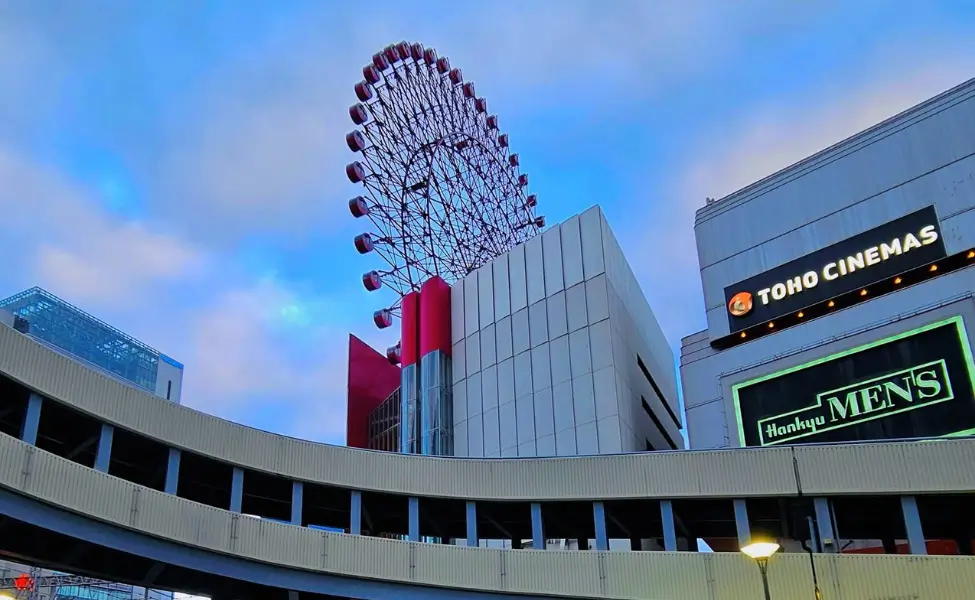
Admission: ¥600
Note: Closed for renovation October 2025 through late April 2026
Many attractions accept the Osaka Amazing Pass for free entry.
Day Two: For Families and Solo Travelers
Family pointers: Namba Yasaka’s dramatic lion delights kids but can overwhelm very young children (under 4).
The castle museum has an elevator, though lines form during peak times.
The castle grounds provide peaceful walking and excellent picnic spots by the moat.
Solo traveler notes: Namba Yasaka’s surrounding residential area shows everyday Osaka life away from tourist circuits.
The castle grounds are extensive enough for peaceful solo walking.
Pack konbini lunch and picnic by the moat.
Winter provides calmest atmosphere for solo photography without crowds.
Day Three: Nara Day Trip and Food Markets
Morning: Nara Excursion
Time: 8am departure, 4pm return
Nara sits 40 minutes from Osaka, making it Japan’s most accessible major historical site from Kansai.

Getting There
Recommended route: Kintetsu Limited Express from Namba.
Journey: 40 minutes Cost: ¥680 one way.
Why: Kintetsu-Nara Station sits closer to deer park than JR station.
Alternative: JR from Osaka Station to JR Nara Station.
Journey: 60 minutes.
Cost: ¥810 (covered by JR Pass).
Note: Deposits you further from attractions.
Luggage: Coin lockers at Kintetsu station cost ¥300-700 depending on size.
In Nara: The Deer Park
Time: 9am-2pm
Exit Kintetsu station heading east.
Nara Park sprawls ahead within 5 minutes walk.

Over 1,200 wild sika deer roam freely throughout the park and surrounding streets.
Feeding the Deer
Deer crackers (shika senbei): ¥200 from vendors.
The ritual: Deer recognize treats and bow politely before feeding.
Warning: Some deer become pushy when they smell crackers.
Feed quickly or hide crackers until ready.
Teach children to bow back before offering crackers.
This ritual delights kids and respects cultural practice.
Keep crackers in bags deer can’t see.
Aggressive deer may nip clothing but don’t bite hard.
Todaiji Temple
Highlight: One of Japan’s largest bronze Buddha statues at 15 meters tall

Building: One of the world’s largest wooden structures.
Admission: ¥600.
Best time: Before 10am for relative peace.
Tour groups fill the space by midday.
Kasuga Taisha Shrine
Location: 30 minutes walk through forested paths from Todaiji.
Atmosphere: Stone lanterns line the approach.
Vermillion buildings peek through ancient trees.
Appeal: Nara’s most atmospheric scenery.
The forest walk between temples provides serene hiking.
Early morning or late afternoon avoids crowds entirely.
Lunch in Nara
Time: 1pm-2pm
Nakatanidou Mochi Shop
Location: Near Kintetsu station.
Specialty: Mochi pounding demonstrations (10-15 times daily).
Price: ¥180 for fresh mochi.
Timing: Arrive by noon for best show times.
Higashimuki Shopping Street
Location: Connects station to Nara Park.
Options: Dozens of restaurants serving sushi to curry.
Price range: ¥800-1,500 meals.
Late Afternoon: Return to Osaka
Time: 4pm train back
Catch Kintetsu to Namba by 4pm.
This gives evening time for Kuromon Market (10 minutes walk from Namba).
Kuromon Market
Time: 5pm-6:30pm
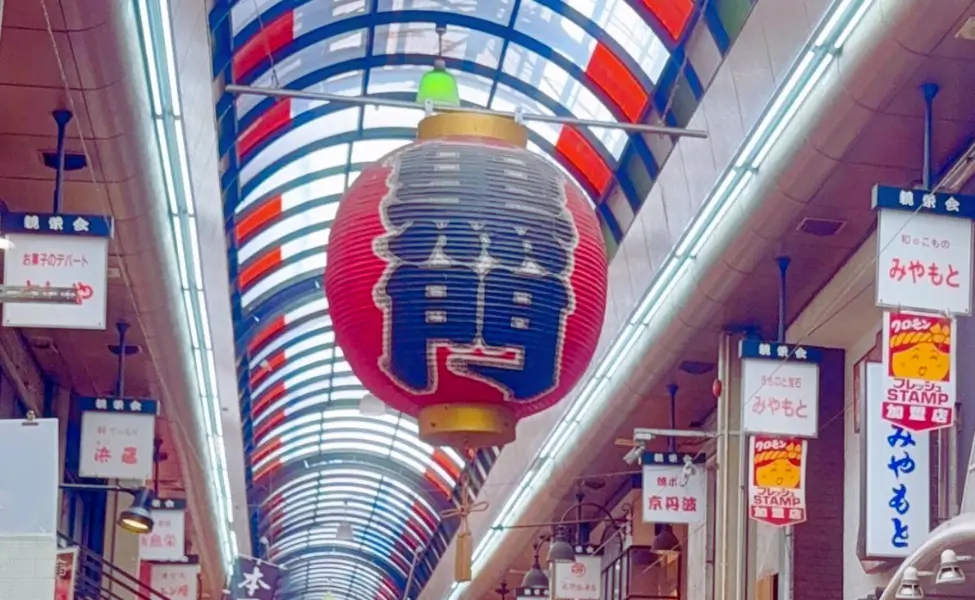
This 580 meter covered arcade functions as Osaka’s kitchen, where chefs source ingredients.
What to Eat
| Item | Price | Notes |
|---|---|---|
| Fresh sashimi | From ¥500 | Multiple vendors |
| Grilled seafood skewers | ¥300–800 | Cooked fresh when ordered |
| Wagyu beef samples | ¥1,000 + | Various grades available |
| Seasonal fruits | Varies | Peak quality selection |
Timing note: Most vendors close by 6pm.
Market atmosphere peaks 11am-3pm.
Facilities: Public restrooms near center and north entrances.
Stroller access works but gets tight during crowds.
Evening: Final Osaka Meal
Time: 7pm-9pm
Dining Options
Izakaya (Japanese pub)
- Small plates with drinks
- Order several dishes to share
- Cost: ¥2,000-3,000 per person
- Look for red lanterns outside
Horumon (cow innards)
- Authentic Osaka cuisine
- Western palates find it challenging
- Try once if adventurous
Conveyor belt sushi
- Chains like Kura Sushi
- Plates from ¥100
- Interactive ordering tablets have English
- Cost: ¥1,500-2,500 per person for satisfying amounts
Day Three: For Families and Solo Travelers
Family pointers: Teach children the deer bowing ritual.
Keep crackers hidden to prevent aggressive deer behavior.
Forest walk between Todaiji and Kasuga provides peaceful family hiking.
Conveyor belt sushi entertains kids who enjoy the mechanical delivery.
Solo traveler notes: Forest paths between temples deliver serene solo hiking.
Early morning (before 9am) or late afternoon (after 4pm) means having temples nearly to yourself.
Kuromon Market stalls welcome solo diners at counters.
Practical Osaka Information
Money Saving Strategies
Osaka Amazing Pass
Pricing:
- 1 day: ¥3,500
- 2 days: ¥5,000
Includes:
- Unlimited subway and bus travel
- Free entry to 40+ attractions (Osaka Castle, Tsutenkaku Tower, museums, cruises)
- Discount coupons for restaurants and shops
Break even point: After visiting three attractions plus transport use
Family savings: Children under 12 ride Osaka Metro free with paying adults.
Only purchase passes for adults.
Budget Meal Strategy
| Option | Cost | Quality |
|---|---|---|
| Konbini meals | ¥400–800 | Fried chicken, rice balls, sandwiches – surprisingly good |
| Restaurant meals | ¥1,000–2,000 | Standard quality |
| Street food | ¥300–600 | Excellent, authentic taste |
Tip: Carry refillable bottle.
Free water fountains in parks and temples.
Vending machines cost ¥130 per drink.
Getting Around Osaka
Osaka Metro
Single journey: ¥180-400 depending on distance.
Recommendation: Buy IC card (ICOCA) for tap and go convenience.
Coverage: Works nationwide on trains and buses.
Walking Distances Between Major Sites
- Namba to Dotonbori: 5 minutes
- Dotonbori to Shinsaibashi: 10 minutes
- Osaka Castle to nearest station: 15 minutes
Osaka’s compact central area rewards walking between neighborhoods.
When to Visit Osaka
Spring (March-May)
Peak: Late March to early April for cherry blossoms.
Crowds: Heaviest tourist season.
Booking: Reserve accommodations months ahead.
Highlights: Castle grounds and Nara Park become spectacular.
Summer (June-August)
Temperature: Hot and humid, reaching 35°C (95°F)
Weather: Afternoon thunderstorms bring brief relief
Strategy: Indoor attractions (museums, shopping) offer air conditioned respite.
Bonus: Festival season.
Ask hotels about local matsuri featuring food stalls, games, fireworks.

Autumn (September-November)
Weather: Comfortable temperatures.
Foliage: Colorful leaves peak in November.
Crowds: Second busiest season after spring.
Winter (December-February)
Temperature: Cold but rarely freezing
Crowds: Thin dramatically except New Year’s week.
Deals: Budget accommodations offer best prices.
Closure: Osaka Castle closed December 28 to January 4.
Getting to Osaka from Other Cities
| Route | Time | Cost | Notes |
|---|---|---|---|
| Tokyo (Nozomi) | 2.5–3 hours | ¥13,320 | Not covered by JR Pass |
| Tokyo (Hikari) | 3–3.5 hours | Covered | JR Pass valid |
| Kyoto | 15–30 minutes | ¥570 | JR or private lines |
| Kansai Airport | 50 minutes | ¥1,450 | Nankai Express to Namba |
| Hiroshima | 1.5 hours | ¥10,580 | Shinkansen |
JR Pass holders: Save significantly on long distance travel but must use Hikari trains instead of faster Nozomi service.
Common Mistakes to Avoid
Escalator Etiquette
Osaka residents stand on the right and walk on the left.
This differs from Tokyo.
Following this unwritten rule prevents annoyed glares.
Eating While Walking
Japanese etiquette discourages eating while moving through streets.
Stand still or sit to consume street food. Parks have designated eating areas.
Exception: Children eating ice cream get more tolerance, but teach proper etiquette where possible.
Queue Discipline
Japanese society takes queuing seriously.
Even informal lines at food stalls should be respected.
Cutting causes genuine offense.
Cash Preparedness
Many small restaurants, temples and market stalls accept cash only.
Carry ¥10,000-20,000 in bills and coins.
7-Eleven ATMs accept most international cards.
Peak Season Booking
Cherry blossom season and Golden Week (late April to early May) require months ahead planning for decent accommodations at fair prices.

What to Do When Plans Change
Rainy Days
Indoor options:
- Covered shopping arcades (Shinsaibashi, Tenjinbashisuji, Kuromon Market)
- Museums and aquarium
- Underground shopping malls
- Department stores
Excessive Heat
Strategy:
- Outdoor activities early morning and evening
- Midday in air conditioned spaces (department stores, museums, cinemas)
- Convenience stores for cold drinks and ice packs
Attraction Closures
Action plan:
- Check official websites morning of visit
- Japanese attractions close unexpectedly for maintenance or weather
- Have backup plans ready
- Osaka Amazing Pass guidebook lists alternative sites
Overwhelming Crowds
Timing adjustment:
- Major sites overwhelm 10am-3pm, especially weekends
- Visit early morning (before 9:30am) or late afternoon (after 4pm)
- Weekdays significantly less crowded than weekends
Family backup plan: If kids get overwhelmed by crowds or heat, Osaka parks (Nakanoshima Park, Tennoji Park, Utsubo Park) offer free green space.
Grab konbini supplies for impromptu picnics.
The One Thing to Remember About Osaka
Osaka reveals itself through small moments rather than grand monuments.
Don’t try accomplishing everything.
The city rewards relaxed travelers who stop for random street food, explore unmarked alleys, and accept occasional getting lost as discovery.
Leave room for spontaneity between planned activities.
Most importantly, arrive hungry.
You’ll eat better here, for less money, than almost anywhere else in the country.
Only Nagoya beats it for food in my humble opinion.
You’ll leave Osaka with full stomachs, tired feet, and the feeling that the city let you in on its secret.

