

Japan in December blends glowing city lights with quiet snow-covered temples.
It’s the month when festive energy meets peaceful winter beauty.
And one of the best times to travel if you want fewer crowds and clear views of Mount Fuji.
December in Japan has something special for every traveller.
You can enjoy world-class skiing, cultural festivals, or just soak in Japan’s unique holiday spirit.
Understanding December Weather in Japan
December starts winter in Japan.
It brings cold temperatures and different conditions based on where you are.
Plan your wardrobe carefully, as the weather differs dramatically from north to south.
Temperature Expectations by Region
| Region | Average High | Average Low | Conditions |
|---|---|---|---|
| Tokyo (Central) | 12°C | 3–5°C | Cold, dry, sunny |
| Kyoto (Central) | 12°C | 3°C | Cold, dry, clear |
| Osaka (Central) | 12°C | 5°C | Cool, occasional rain |
| Sapporo (Hokkaido) | 2°C | −6°C | Heavy snow, freezing |
| Nagano (Mountains) | 6°C | −2°C | Snowy, excellent for skiing |
| Fukuoka (Southern) | 14°C | 3°C | Mild, some rain |
| Okinawa (Southern) | 21°C | 16°C | Pleasant, coolest time |
Pack thermal layers, a warm coat, gloves, scarves and sturdy, waterproof footwear.
Consider bringing heat packs for your hands and feet, especially if you plan to spend extended time outdoors.
Pack thermal layers, a warm coat, gloves, scarves and sturdy, waterproof footwear.
Consider bringing heat packs for your hands and feet, especially if you plan to spend extended time outdoors.
Important: Indoor heating in Japan can be extremely strong.
Trains, shops and restaurants are often overheated, so wear layers you can easily remove.
The contrast between freezing outdoors and sweltering indoors surprises many first-time visitors.
Snow and Precipitation
Hokkaido receives heavy snowfall in December, with cities like Sapporo seeing over 1,300mm of snow accumulation during the month.

Central regions like Nagano experience cold, snowy conditions with temperatures ranging from -2°C to 6°C, perfect for winter sports.
December ranks as one of the driest months across most of Japan, with Tokyo receiving approximately 50mm of rainfall over 9 days.
The combination of cold, dry air and clear skies creates excellent conditions for viewing Mount Fuji.
Daylight and Visibility
December offers bright, sunny weather in central Japan, providing stunning photography opportunities and crisp winter air.
Clear skies make this one of the best months to see Mount Fuji from Tokyo and surrounding areas.
Expect approximately 9-10 hours of daylight in Tokyo, with sunset occurring around 4:30pm.
Northern regions like Hokkaido see even shorter days, with sunset around 4pm.
Top Cities to Experience in December
Tokyo
Why go in December: Spectacular winter illuminations, Christmas markets, and crisp winter air make Tokyo magical whilst maintaining comfortable walking temperatures.
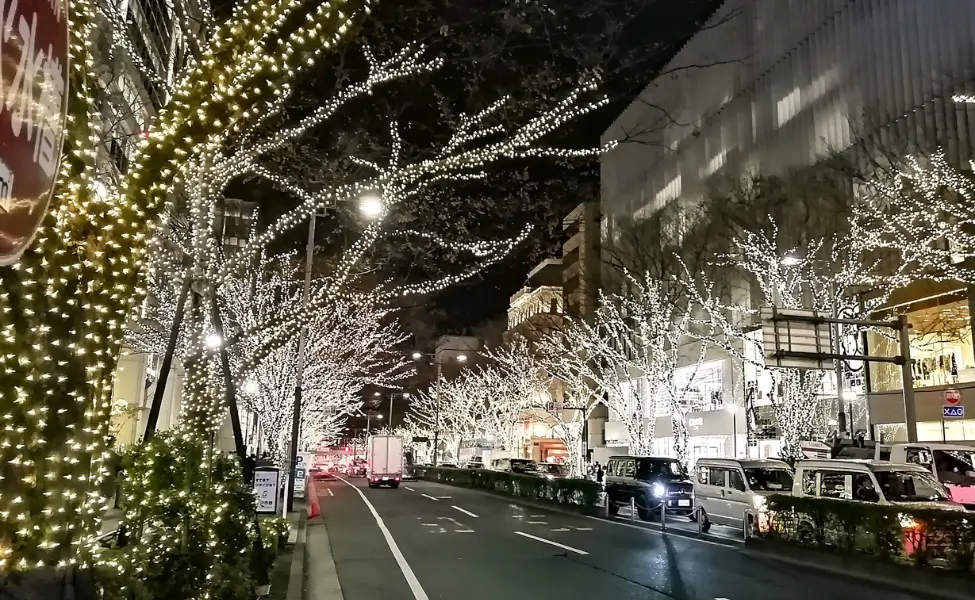
Japan’s capital dazzles in December with spectacular winter illuminations transforming districts into magical wonderlands.
Major shopping areas like Roppongi Hills, Odaiba and Shibuya compete to create the most impressive light displays, typically running from mid-November through mid-February.
Must-Do Activities:
- Explore Christmas markets at Tokyo Dome City and Roppongi Hills
- Admire winter illuminations at Roppongi Hills, Odaiba (Rainbow Bridge), Tokyo Midtown, and Marunouchi
- Warm up with steaming bowls of ramen or udon from local shops (try Ichiran or Ippudo for reliable chains)
- Visit Tokyo Skytree or Tokyo Tower for panoramic winter views
- Shop for unique gifts at traditional markets in Asakusa or modern department stores in Ginza
Kyoto
Why go in December: Peaceful temples, crisp air, and light crowds let you experience Japan’s cultural capital at its calmest.
Kyoto in December offers a quieter, more intimate experience with average maximum temperatures around 12°C.

The reduced tourist crowds make this ideal for exploring temples and shrines without the usual queues.
Must-Do Activities:
- Walk through the Arashiyama Bamboo Grove in peaceful winter light
- Experience illuminated temples and shrines during special evening viewings (Kiyomizu-dera, Kodai-ji, Kinkaku-ji)
- Join the New Year bell-ringing ceremony at Chion-in Temple. It starts at 10:40 PM on 31 December. Seventeen monks will ring the bell 108 times.
- Sip warming matcha tea in traditional tea houses in Gion
- Wear a kimono for cultural photoshoots in historic districts (many rental shops available)
Osaka
Why go in December: Vibrant energy, incredible street food, and festive atmosphere with illuminations and markets running mid-November to late December.
Osaka sees average temperatures of 12.3°C in December with approximately 5.5 rainy days.

The city’s energetic atmosphere intensifies during the festive season.
Must-Do Activities:
- Visit Christmas markets throughout the city centre (Grand Front Osaka, Umeda Sky Building) running mid-November to 25 December
- View the illuminated Osaka Castle against winter skies
- Sample street food like takoyaki (octopus balls) and okonomiyaki (savoury pancakes) from bustling food stalls in Dōtonbori
- Explore the vibrant Dōtonbori district’s neon-lit entertainment area
- Shop at massive retail complexes like Umeda Sky Building and Namba Parks
Hokkaido
Why go in December: Genuine winter wonderland with heavy snow coverage, world-class skiing, and romantic winter illuminations. Perfect for winter sports enthusiasts.
Hokkaido transforms into a winter wonderland with genuine snow coverage and temperatures between -6°C and 2°C.

This northernmost island offers Japan’s best winter sports conditions.
Important: Daylight hours are short in December (sunset around 4pm), so plan activities accordingly.
Many ski resorts provide shuttle buses from New Chitose Airport.
These buses go straight to places like Niseko and Rusutsu, making arrival easy.
Must-Do Activities:
- Ski or snowboard at world-renowned resorts like Niseko (opening late November) and Furano (opening late November)
- Experience winter illuminations in Sapporo (White Illumination), Otaru (Snow Light Path), and Hakodate
- Taste warming soup curry, a Hokkaido speciality (try Suage Plus or Garaku)
- Visit the romantic canal area of Otaru lit with festive lights
- See the winter penguin walk at Asahiyama Zoo (starting mid-December)
Nagano
Why go in December: Snow monkeys bathing in hot springs, excellent skiing conditions, and authentic mountain onsen towns.

Nagano experiences cold, snowy weather with temperatures ranging from -2°C to 6°C, creating perfect conditions for winter activities.
Must-Do Activities:
- Visit Jigokudani Monkey Park to see snow monkeys enjoying hot springs. It’s open all year.
- Ski at Hakuba Valley resorts, with most opening from late November to early December
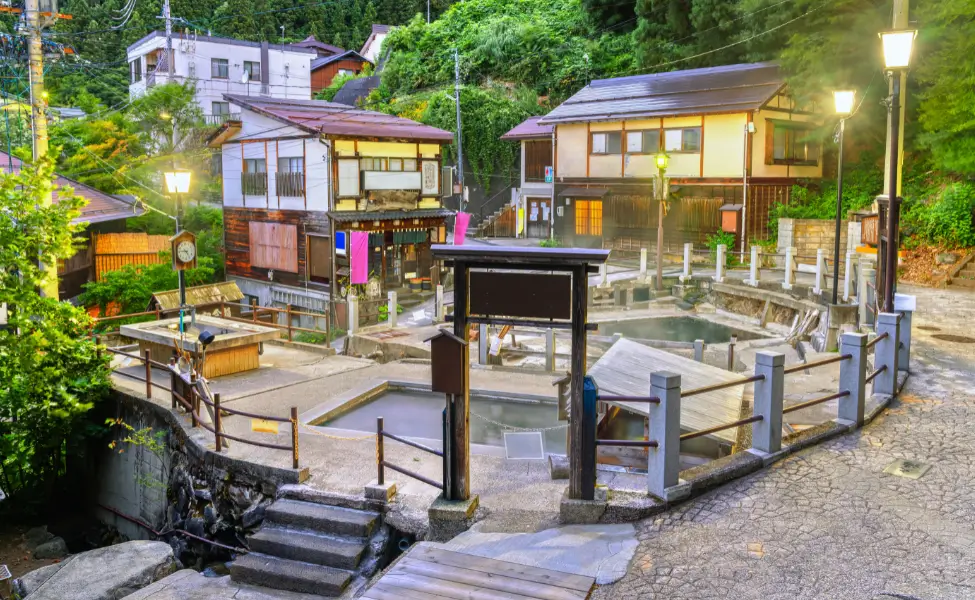
- Relax in numerous natural onsen scattered throughout the region (Nozawa Onsen, Shibu Onsen)
- Explore traditional mountain villages and historic temples (Zenkō-ji Temple in Nagano City)
- Sample soba noodles, a Nagano speciality, at local restaurants

Nara
Why go in December: Intimate temple experiences with minimal crowds and friendly deer in a serene winter setting.
Located just 45 minutes by train from Kyoto, Nara offers cultural experiences beyond its famous spring deer encounters.

Must-Do Activities:
- Visit Todai-ji Temple housing the massive bronze Buddha statue
- View the illuminated Kasuga Taisha Shrine during special evening hours
- Feed friendly deer roaming freely through Nara Park (deer crackers available for purchase)
- Explore quiet temples and shrines with minimal crowds
- Sample local specialities like kakinoha-zushi (persimmon leaf sushi)
Fukuoka
Why go in December: Southern Japan’s mild winter weather, incredible ramen culture, and access to the late November sumo tournament.
Fukuoka, on Kyushu island, sees about 10.3 rainy days in December, bringing 54mm of rain.
This southern city offers milder winter weather.

Must-Do Activities:
- Explore Christmas markets with southern Japanese flair (running mid-November to 25 December)
- View illuminated Fukuoka Tower overlooking the bay
- Enjoy authentic tonkotsu ramen, which originated in this region (try Ichiran’s flagship location)
- Visit nearby Dazaifu Tenmangu Shrine for historical significance
- Attend the November Grand Sumo Tournament (9-23 November) if visiting in late autumn
Nagasaki
Why go in December: Unique European-Japanese fusion culture, historic sites, and beautiful winter illuminations.
This western coastal city combines rich history with festive winter celebrations.

Must-Do Activities:
- Browse Christmas markets showcasing European influences
- Visit the illuminated Nagasaki Peace Park and Atomic Bomb Museum
- Warm up with champon noodles, a Nagasaki invention (try Shikairo or Fukusaya)
- Ride the cable car to Mount Inasa for spectacular night views ranked among Japan’s top three
- Explore the historic Dejima district and Glover Garden
What Makes December Special in Japan
December offers several unique experiences you won’t find at other times of year.
Japan’s Unique Christmas Culture
In Japan, Christmas operates completely differently than in Western countries.
Christmas Day (25 December) is a normal working day with schools, offices and most businesses operating as usual.
It’s not a national holiday, likely due to constitutional separation of religion and state.
Christmas Eve (24 December) is the main event. It serves as the most romantic day of the year, essentially Japan’s version of Valentine’s Day.
Couples book restaurants months in advance, exchange gifts, and stroll through illuminated districts.
Important for travellers: Many restaurants offer special Christmas Eve menus at premium prices and require reservations weeks or months ahead.
If you want a romantic dinner on 24 December, book as early as possible. Christmas Day (25 December) returns to normal operations with standard menus available.
The Famous KFC Christmas Tradition
About 3.6 million Japanese families enjoy KFC for Christmas dinner.

This tradition began in 1974 with KFC Japan’s well-known “Kurisumasu ni wa Kentakkii” (Kentucky for Christmas) campaign.
The campaign began when Takeshi Okawara, the manager of Japan’s first KFC, heard foreign customers wishing for Christmas turkey.
He then created “Party Barrels” as a tasty alternative.
KFC Christmas meals need to be pre-ordered weeks ahead.
Japanese Christmas Cake
Japanese Christmas cake consists of light, fluffy sponge cake topped with fresh cream and strawberries.
The red and white colours symbolise good fortune in Japanese culture, contributing to their popularity.
Bakeries like Fujiya take orders early, and enjoying cake on 25 December is a strong part of Japanese holiday tradition.
Best Places to See Winter Illuminations
From mid-November until Valentine’s Day, seasonal lighting events occur nationwide.
These are the standout displays:
Tokyo:
- Roppongi Hills (one of the largest displays)
- Tokyo Midtown (sophisticated light tunnel)
- Marunouchi (elegant tree-lined illuminations)
- Shibuya Blue Cave (stunning blue light tunnel)
- Odaiba (Rainbow Bridge illuminations)
Kobe:
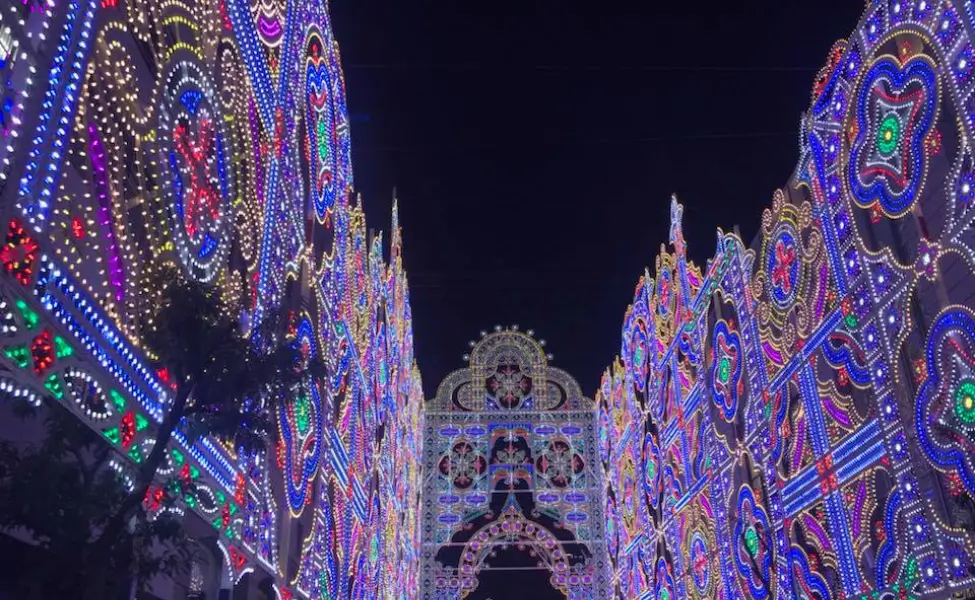
- Kobe Luminarie (memorial for 1995 earthquake victims, drawing over three million visitors annually)
Yokohama:
- Red Brick Warehouse Christmas Market (mid-November to 25 December)
Sapporo:
- Sapporo White Illumination (mid-November through February)
Osaka:
- Osaka Castle Park illuminations
- Midosuji Illumination
December Festivities and Events
New Year Preparations
New Year ranks as Japan’s most important holiday, with many businesses closing for several days as people return to hometowns to spend time with family.
Late December sees preparations intensifying across the country.
New Year’s Eve (Ōmisoka)
On 31 December, many people go to temples or shrines for Joya no Kane.
During this event, temple bells ring 108 times.
This helps to get rid of the 108 earthly desires that cause human suffering.
Major cities host countdown events at midnight, followed by spectacular fireworks displays.
New Year’s Day (Shōgatsu)
On New Year’s Eve, people eat toshikoshi soba (year-crossing noodles).

They also visit temples and shrines (hatsumode) to pray for good luck in the new year.
Chichibu Night Festival
The Chichibu Night Festival, or Chichibu Yomatsuri, happens each year on 2-3 December at Chichibu Shrine in Saitama Prefecture.
Known as one of Japan’s three great float festivals, along with Kyoto’s Gion Matsuri and Takayama Matsuri, it became UNESCO Intangible Cultural Heritage in 2016.
Six huge, beautifully crafted floats, weighing 10 to 20 tons, are drawn through Chichibu’s main street to the sound of drums and flutes.
The festival’s climax occurs on 3 December when floats are hauled up steep Dango Hill as crowds cheer them on.
The event includes almost 2.5 hours of fireworks from 7:30pm to 10pm.
This is a rare chance to enjoy Japanese fireworks in winter.
The festival attracts approximately 400,000 visitors over two days.
Getting There: From Tokyo, take the Seibu Ikebukuro Line limited express to Seibu-Chichibu Station (80-90 minutes) or the JR Takasaki Line to Kumagaya Station, then transfer to Chichibu Railway for Chichibu Station (approximately 2 hours).
Special trains run during the festival, but advance reservations are essential.
Winter Sports and Activities
Skiing and Snowboarding
Japan’s ski season typically runs from late November through early May, with the main season spanning December to March.
December marks the start of the season, with varying opening dates across resorts.
Top Ski Destinations:
Niseko (Hokkaido) opens around 29-30 November, becoming fully operational by mid-December.

The resort is world-renowned for exceptional powder snow and excellent facilities.
Shuttle buses run directly from New Chitose Airport.
Hakuba Valley (Nagano) resorts typically open from late November to early December, with Hakuba Happo-One, Hakuba Goryu and Tsugaike Kogen among the first to open around 30 November.
Other notable resorts: Furano (opening late November), Rusutsu (opening early December), and Nozawa Onsen in central Japan.
Beginner-Friendly Options: Most major resorts offer ski schools with English-speaking instructors.
Early December typically has lighter crowds compared to peak season (late December through February), making it ideal for learning.
Cost Considerations:
- Lift tickets: ¥4,000-6,000 per day
- Equipment rental: ¥3,000-5,000 daily
- Ski lessons: ¥8,000-15,000 for group lessons
- Book accommodation 6-12 months ahead for popular resorts
Onsen (Hot Springs)
Japan has 27,000 hot springs spread across 3,000 onsen towns, with the tradition dating back at least 1,300 years.
Relaxing in an onsen after winter fun offers great relaxation and many health perks.
Note: Mixed-gender and private onsen options exist for travellers who prefer privacy. Many ryokan provide private family baths that you can book.

Some modern places also have separate private bathing rooms.
Essential Onsen Etiquette
Complete nudity is required in traditional onsen.
Clothing, swimsuits and towels are not allowed.
Wash thoroughly first. Before entering the bath, thoroughly wash your entire body at the shower stations provided.
Use the soap and shampoo available to ensure complete cleanliness.
Keep your towel out. Keep your small towel (given for modesty) out of the bath water.
Many people place it on their head whilst soaking.
Tattoo policies vary. Traditional onsen often prohibit visible tattoos due to historical associations with organised crime.
Check policies in advance or seek private onsen options.
Maintain quiet. Onsen are places for relaxation and peaceful meditation, not loud socialising.
No phones or cameras. Photography and phone use are strictly prohibited in onsen areas to protect privacy.
Dry off before leaving. Lightly dry yourself with your small towel before entering the changing room after bathing.
Top Onsen Regions: Hakone (near Tokyo), Kusatsu Onsen (Gunma), Kinosaki Onsen (Hyogo), and numerous locations throughout Hokkaido and Nagano.
Traditional Japanese Cuisine for December
December brings warming comfort foods perfect for cold weather.
Here’s what to try and where to find it.
Nabe (Hot Pot)
Various styles of communal hot pot meals where ingredients simmer in flavourful broth at the table.
Popular varieties include shabu-shabu, sukiyaki, and chanko nabe (sumo wrestler’s stew).

Where to try it: Specialised nabe restaurants like Nabezo or Mo-Mo-Paradise (chains), or traditional izakaya throughout Japan.
Ramen
Rich, hearty noodle soups warm you from within.
Regional specialities include:
- Tonkotsu (pork bone broth) from Fukuoka
- Miso ramen from Hokkaido
- Shoyu (soy sauce) ramen from Tokyo
Where to try it: Ichiran and Ippudo (reliable chains), or local ramen shops near train stations.
Oden
A winter staple featuring various ingredients like daikon radish, boiled eggs, fish cakes and konnyaku simmered in light dashi broth.
Where to try it: Convenience stores (Lawson, 7-Eleven, FamilyMart) sell hot oden from September through March.
Also available at izakaya and street vendors.
Nikuman (Steamed Buns)
Steamed buns filled with seasoned pork, sold hot from convenience stores and street stalls.
Where to try it: Convenience stores and street stalls near major stations like Tokyo Station, Shinjuku Station, and Osaka Station.
Shabu-Shabu
Thinly sliced meat and vegetables cooked in boiling broth at your table.
Where to try it: Shabu-shabu speciality restaurants like Shabu Zen or Mo-Mo-Paradise, or higher-end restaurants in major cities.
Sake and Amazake
Warm sake (rice wine) and amazake (sweet, non-alcoholic rice beverage) appear at winter festivals and restaurants.
Both provide excellent warmth on cold nights.
Where to try it: Izakaya, traditional restaurants, and winter festivals throughout Japan.
Seasonal Specialities
In December menus, you’ll find crab, especially from Hokkaido, along with oysters, winter vegetables like hakusai (napa cabbage), and yuzu citrus fruit.
Where to try it: Seafood restaurants in Hokkaido, izakaya, and speciality restaurants in fishing ports.
Practical Information for December Travel
Accommodation
December (excluding the final week) ranks as low season in Japan, offering excellent accommodation deals.
Tokyo and Kyoto remain popular, so secure bookings early even during low season.
Prices increase significantly during the Christmas week and New Year period (26 December through 3 January), when many Japanese travel domestically.
Budget Options:
- Capsule hotels: ¥3,000-4,000
- Hostels: ¥2,500-3,500
- Business hotels: ¥6,000-8,000

Mid-Range:
- Standard hotels: ¥10,000-15,000
- Traditional ryokan with meals: ¥15,000-25,000 per person
Luxury:
- High-end hotels: ¥25,000+
- Premium ryokan with kaiseki meals: ¥30,000-80,000 per person
Transportation
The Japan Rail Pass offers excellent value for extensive travel.

Calculate whether it suits your itinerary, as short trips might not justify the cost.
Purchase passes before arriving in Japan.
Sample JR Pass Prices (2025):
- 7-day Ordinary: ¥50,000
- 14-day Ordinary: ¥80,000
- 21-day Ordinary: ¥100,000
Major routes remain accessible year-round. Heavy snowfall in Hokkaido and mountainous regions can occasionally cause delays, but services remain reliable.
Costs and Budgeting
Daily Budget Estimates (per person):
Budget traveller: ¥8,000-12,000 (accommodation, food, local transport)
Mid-range traveller: ¥15,000-25,000 (comfortable hotels, varied restaurants, some activities)
Luxury traveller: ¥30,000+ (premium accommodation, fine dining, extensive experiences)
Ski resort expenses add considerably to daily costs.
Budget ¥10,000-15,000 daily for lift tickets, equipment rental, and mountain meals.
Crowds and Tourism
December before the 20th has many fewer tourists than during peak seasons, like cherry blossom and autumn foliage.
Popular attractions become easier to access without lengthy queues.
Christmas week (20-25 December) and the New Year period (26 December to 3 January) are very busy with local tourists.
Important: Many museums, attractions, and restaurants close 29 December through 3 January for the New Year holiday.
Major chains and convenience stores remain open, but smaller establishments shut completely.
Plan your dining and activities accordingly during this period.
What to Pack
Essential Items:
Thermal base layers (top and bottom)
Warm winter coat (down or insulated)
Waterproof outer layer
Warm hat, gloves and scarf
Comfortable, waterproof winter boots with good traction
Heat packs for hands, feet and body (also available at convenience stores)
Moisturiser and lip balm (dry winter air)
Power bank (batteries drain faster in cold weather)
Compact umbrella
Layered clothing for transitioning between cold outdoors and overheated indoors
Why Visit Japan in December?
December offers remarkable advantages for travellers seeking authentic experiences without overwhelming crowds.
Lower prices: Accommodation and some attractions offer discounted rates during low season (before 20 December).
Fewer crowds: Experience popular sites without long queues or overwhelming tourist numbers.
Winter sports: Access world-class skiing and snowboarding at the season’s start with excellent early snow conditions.
Unique festivities: Experience Japan’s distinctive approach to Christmas and New Year preparations.
Clear skies: December provides some of the year’s best visibility for viewing Mount Fuji from Tokyo and surrounding areas.
Authentic experiences: Reduced tourist numbers allow more genuine interactions with locals and deeper cultural immersion.
Onsen season: Cold weather makes hot spring bathing especially appealing and therapeutic.

Winter illuminations: Spectacular light displays transform cities into magical wonderlands throughout the month.
Final Thoughts
Japan in December gives you clear skies, affordable stays, and a festive atmosphere without the crowds.
Soaking in a mountain onsen, listening to midnight temple bells, or tasting winter crab in Hokkaido makes this a great month for travellers seeking peace and joy.
Start planning early, especially for accommodation and ski resorts.
Book major experiences like ski lessons and popular restaurants in advance.
Keep in mind that from 29 December to 3 January, many places will be closed.
Plan ahead if you’re travelling for New Year.
Planning to visit at other times? Check our guides for January (Sapporo Snow Festival, peak ski season) and February (plum blossoms starting, more winter sports) to see seasonal highlights.
