

Your Japan trip can go from stressful to seamless with one simple decision about the best airports in Japan to use.
The wrong airport choice leaves you exhausted from long transfers, frustrated by crowds, and poorer from overpriced transport options.
The right choice puts you in the heart of Tokyo in 20 minutes, saves you hundreds of dollars, and starts your adventure the moment you land.
This single decision shapes everything that follows in your Japanese journey.
1. Tokyo Haneda Airport (HND)
Best for quick Tokyo access and domestic flights
Haneda sits just 15 kilometers from Tokyo Station.
This makes it the fastest way into the capital.
You can reach Shibuya in 20 minutes or Tokyo Station in 30 minutes by train.
The airport handles both international and domestic flights, so connecting within Japan is easy.
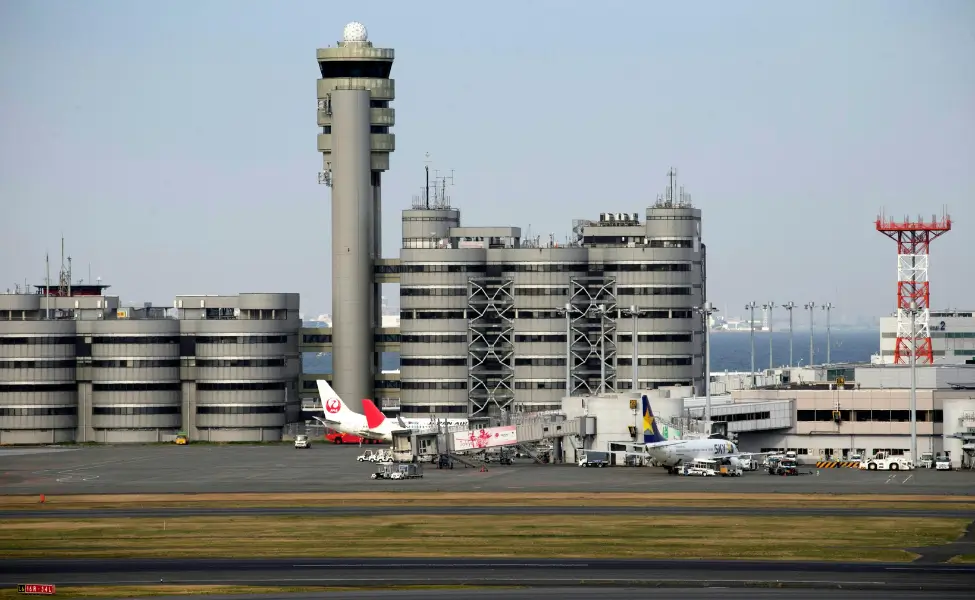
The terminals stay very clean and organized, even when busy.
Immigration lines move quickly.
The airport ranks in the top 5 worldwide for passenger experience.
You’ll find good dining options, from quick ramen to sit-down restaurants, plus duty-free shopping with fair prices.
You can take the Tokyo Monorail (¥500 to central Tokyo) or Keikyu Line (¥300-450).
Buses and taxis are available but cost more.
2. Kansai International Airport (KIX)
Gateway to Osaka, Kyoto, and western Japan
Built on an artificial island in Osaka Bay, KIX is the main entry point for western Japan.
The airport connects directly to Osaka (45 minutes), Kyoto (75 minutes), and Kobe (65 minutes) by express train.
The airport handles lots of international traffic well, with good English signs throughout.
Immigration can get busy during peak times, but lines move steadily.
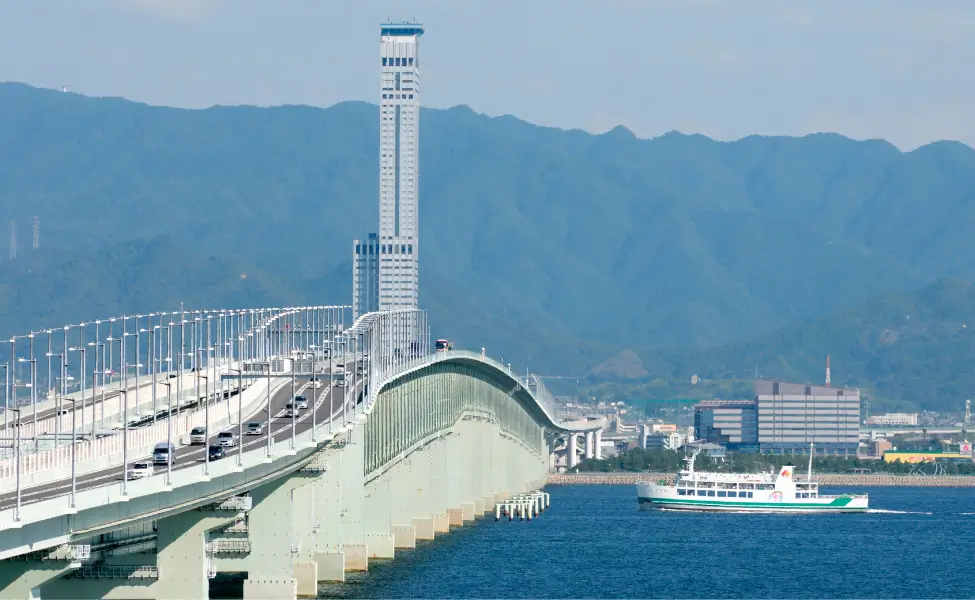
The shopping and dining selection is large, including a good food court with local foods.
The Kansai Haruka Express costs ¥1,050 to reach Osaka’s main stations.
There is a ticket office just outside the station and there are two lines.
One for non Japanese speakers and another for anyone who can speak the language.
Airport buses serve major hotels and cost around ¥500-700.
Pro tip: If you use Emirates, there is a free shuttle bus to and from KIX to Nagoya station.
I have used it several times and it’s super useful
3. Narita International Airport (NRT)
Best for long-distance international flights
Narita is Japan’s main hub for flights from Europe, the Americas, and many other far destinations.
If you’re flying from outside Asia, you’ll probably land here.
The airport is big and well-equipped for international travellers.
It has plenty of duty-free shops and restaurants.
The downside is distance.
Narita sits 60 kilometers from central Tokyo, meaning longer and more expensive transfers.

The Narita Express and Skyliner trains offer a comfy, direct ride to key Tokyo stations.
It takes about an hour.
Express train options include the Narita Express (¥1,050-2,570) and Skyliner (¥2,570).
Budget buses take 60-90 minutes and cost around ¥1,000.
4. Chubu Centrair International Airport (NGO)
Perfect for Nagoya and central Japan
Centrair sits on an artificial island off the coast near Nagoya.
The modern facility handles passengers well and has earned recognition as the World’s Best Regional Airport for 11 straight years, plus best regional airport in Asia for 15 consecutive years.
It offers great amenities, like an observation deck and hot spring baths for long layovers.

The airport connects to Nagoya Station in just 28 minutes via the Meitetsu Limited Express.
From Nagoya, you can easily reach places like Takayama, the Japanese Alps, or continue to Tokyo or Kyoto.
The airport handles both international and domestic flights, making it useful for multi-city trips.
The Meitetsu Limited Express costs ¥870 to Nagoya Station.
Regular trains are cheaper (¥590) but take 10 minutes longer.
Prior to 2019 this was the airport I used to fly back to the UK but long-haul flights are not common right now.
5. Fukuoka Airport (FUK)
Closest airport to city center in Japan
Fukuoka Airport wins for convenience.
It sits just 5 kilometers from downtown Fukuoka.

The subway connects directly to the airport, reaching the city center in 10 minutes.
This makes it very easy to start exploring Kyushu or catch domestic connections.
The airport mainly serves domestic routes plus flights to South Korea and other nearby Asian countries.
Facilities are good but not as large as Tokyo’s major airports.
Still, for quick access and easy travel, Fukuoka is hard to beat.
The Fukuoka City Subway costs just ¥260 to reach central Fukuoka.
Taxis are also reasonable because of the short distance.
6. New Chitose Airport (CTS)
Gateway to Hokkaido
New Chitose serves as Hokkaido’s main airport and is like a destination itself.
The terminal has lots of shopping, local food specialties, and even entertainment facilities.
You could easily spend hours here if you have a layover.
The airport sits about 40 minutes from Sapporo by express train, making it convenient for reaching Hokkaido’s main city.

From there, you can access ski resorts, hot springs, and Hokkaido’s famous seafood and dairy products.
The JR Rapid Airport train costs ¥590 to reach Sapporo Station.
Airport buses serve various destinations across Hokkaido.
7. Osaka Itami Airport (ITM)
Best for domestic travel in the Kansai region
Itami mainly handles domestic flights but offers a major location advantage.
It sits much closer to central Osaka than KIX, cutting transfer times a lot.

If you’re in Japan and flying domestically, Itami is usually more convenient than the international airports.
The airport is small and easy to navigate.
While you won’t find the huge shopping areas of larger airports, it covers the basics, and shorter lines make for quicker processing.
The Osaka Monorail links to different train lines, costing ¥200-400.
Airport buses reach major hotels and districts for ¥500-650.
8. Sendai Airport (SDJ)
Best access to northern Honshu
Sendai Airport was fully rebuilt after the 2011 tsunami.
Now, it has modern facilities and smooth operations.
It serves the Tohoku region, giving access to areas like Matsushima Bay, Yamadera Temple, and the hot spring town of Naruko.

The airport is smaller than Japan’s major hubs, but it offers good domestic connections and some international flights.
The rebuilding process created a clean, efficient facility that handles passenger flow well.
The Sendai Airport Access Line connects to Sendai Station in 25 minutes for ¥660.
Making Your Choice
Think about your final destination first.
Flying into Haneda saves a lot of time if Tokyo is your base.
For Kyoto or Osaka, KIX makes more sense even though it’s farther from city centers.
Regional airports like Fukuoka or Sendai work well if you’re focusing on specific areas.
Think about total travel costs, not just flight prices.
A cheaper flight to Narita might cost more overall once you add expensive airport transfers.
Many budget airlines use smaller airports, so check transfer times and costs before booking.
Japanese airports are generally great at cleanliness, organization, and English signs.
Immigration and customs processes are usually quick and smooth.
And most major airports offer free WiFi and have English-speaking staff available for help.
