

This 2 Day Kyoto Itinerary is for tourists who want to plan in advance.
With just 48 hours, you can still see the city at its best if you follow the right order.
I’ll show you how to experience iconic temples, quiet bamboo paths and Kyoto’s historic streets without losing time to crowds or confusion.
Two days in Kyoto lets you explore the city’s most recognisable temples on day one whilst enjoying natural landscapes and cultural highlights on day two.
You will walk through thousands of vermilion torii gates at Fushimi Inari, explore the preserved lanes of Gion and see why Arashiyama’s bamboo groves continue to draw visitors from around the world.
Understanding transport options and timing your visits makes the difference between a stressful scramble and a smooth experience.
Planning Your Two Days: Timing and Transport
Best times to visit:
Early mornings (6am to 8am) at major sites give you the best experience.
Temples open early but crowds don’t arrive until 9am or later.

Summer and winter see fewer tourists than spring cherry blossom season or autumn foliage season, though all seasons have their appeal.
2 day Kyoto itinerary experiences to try:
- Kyoto Customized Private Tour: See Top Attractions in 1 Day
- 10 Must-see Spots in Kyoto One Day Private Tour (up to 7 people)
- PERFECT KYOTO 1-Day Bus Tour
Getting around Kyoto:
The Subway and Bus One-Day Pass costs 1,100 yen for adults and covers both subway lines plus city buses.
This replaced the old bus-only pass that was discontinued in 2023.
Buy it at Kyoto Station or any subway station.
For just two days, this pass plus individual tickets for longer journeys works better than most rail passes.
From Kyoto Station, buses reach most tourist sites in 20 to 40 minutes.
The two subway lines connect major areas but don’t reach every attraction.
Where to stay:
Downtown Kyoto near Kawaramachi puts you close to Nishiki Market and restaurants.
The Kyoto Station area works well for easy train access to other cities.
Budget hostels start at 3,000 yen per night, mid-range hotels at 8,000 to 15,000 yen, whilst traditional ryokan cost 15,000 to 40,000 yen per person.
2 day Kyoto itinerary – Book your hotel
Day 1: Fushimi Inari, Gion and Kiyomizu-dera
Morning: Fushimi Inari Taisha (6am to 9am)
Start your first day at Fushimi Inari Taisha.
Take the JR Nara Line from Kyoto Station to Inari Station (5 minutes, 150 yen).
The station sits directly at the shrine entrance.

Around 10,000 vermilion torii gates create tunnels winding up Mount Inari.
Local businesses donate these gates hoping for prosperity.
The main shrine buildings sit at the mountain base and take 30 minutes to explore.
Hiking to the summit takes two to three hours.
Arrive by 6am if possible.
By 9am, tour groups fill the lower sections and photography becomes difficult.
What you need:
- Proper walking shoes for mountain trails
- Water for longer hikes
- No admission fee, open 24 hours
The trails grow quieter as you climb higher.
Most tourists turn back after the first viewpoint at Yotsutsuji (30 to 40 minutes up).
If you’re short on time, this viewpoint gives you the torii gate experience plus views over southern Kyoto.
Midday: Nishiki Market (10am to 12pm)
From Fushimi Inari, return to Kyoto Station then take the subway to Shijo Station (5 minutes).
Nishiki Market stretches 390 metres between Teramachi and Takakura streets.
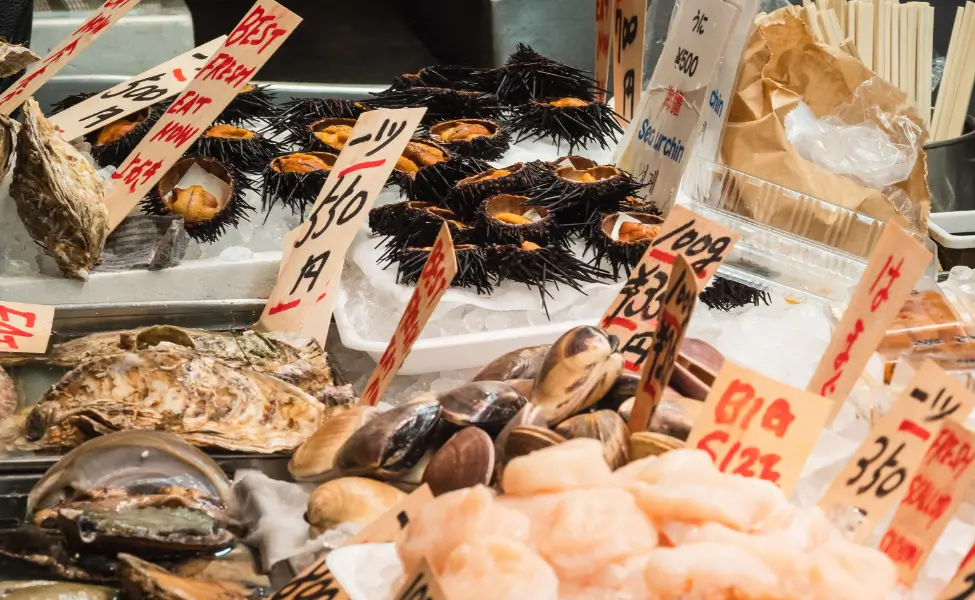
This covered shopping arcade has operated since 1615.
Around 130 shops sell fresh seafood, pickled vegetables, tofu products and local specialities.
Sample yuba (tofu skin), fresh mochi and grilled seafood skewers as you walk.
Most vendors offer tastings.
Plan 60 to 90 minutes here for lunch and browsing.
The market gets crowded after noon.
Afternoon: Ninenzaka, Sannenzaka and Kiyomizu-dera (2pm to 5pm)
From Nishiki Market, take a bus to the Kiyomizu-michi or Gojo-zaka stops.
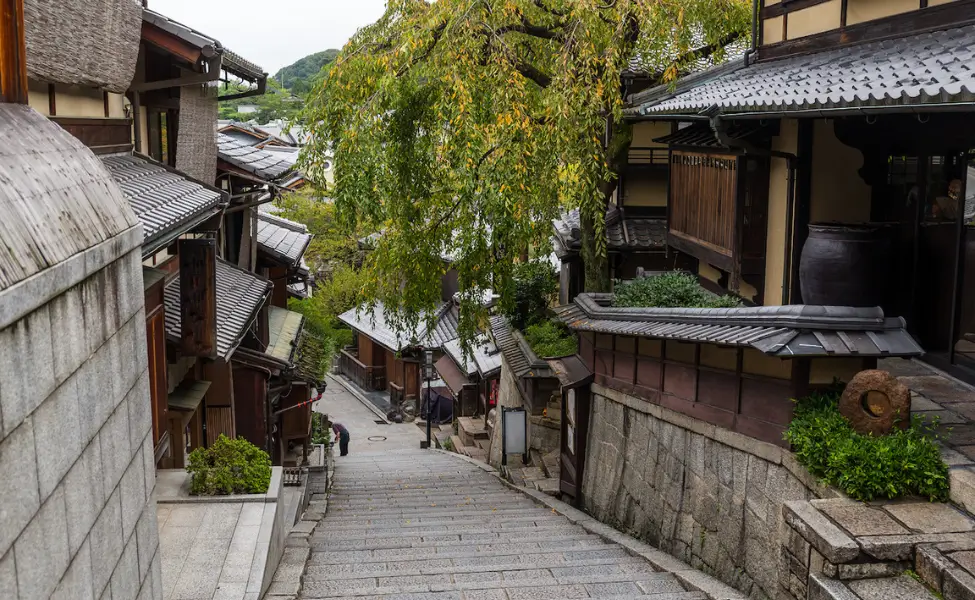
Walk uphill through the preserved shopping streets of Ninenzaka and Sannenzaka.

These stone-paved lanes feature traditional shops selling pottery, local crafts and Japanese sweets.
The five-storey Yasaka Pagoda marks the route and provides excellent photographs.
Tea houses along these streets serve matcha and wagashi if you need a break.
The walk to Kiyomizu-dera takes 15 to 20 minutes from the bus stop.

This UNESCO World Heritage temple perches on a hillside with its wooden stage extending over the slope. Traditional joinery joined the structure without nails.
Entry costs 500 yen for adults.
The grounds include smaller shrines and Otowa Falls where three streams of water are said to grant different benefits.
Evening: Gion District (6pm to 8pm)
Walk downhill from Kiyomizu-dera towards Gion (15 to 20 minutes).
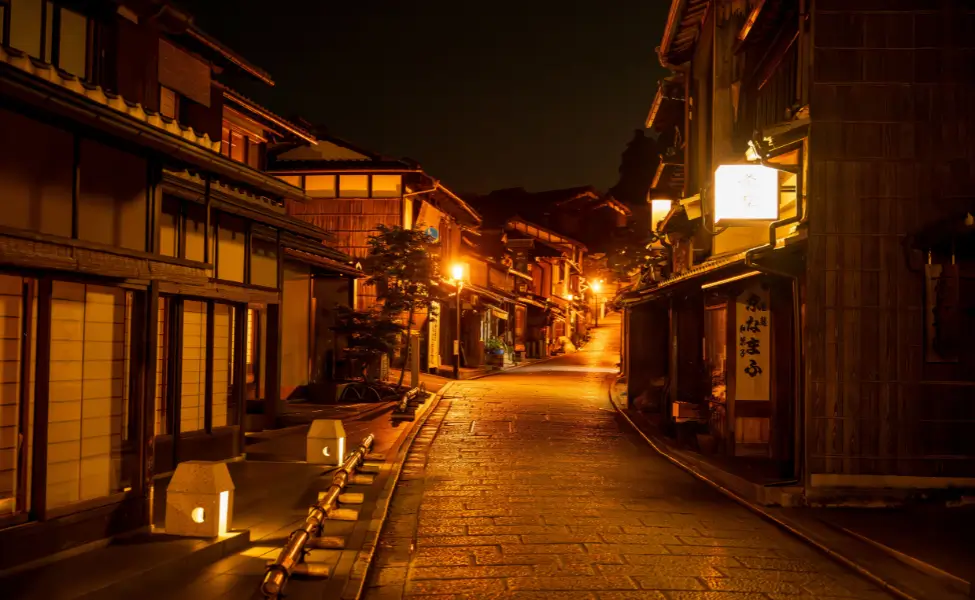
Wooden machiya townhouses line the narrow lanes of Kyoto’s most famous geisha district.

Hanami-koji Street forms the main area where geiko and maiko occasionally appear whilst travelling to appointments.
Around 6pm offers the best chance of spotting them.
Keep a respectful distance and never block their path.
A brief acknowledgement from several metres away shows proper etiquette.
Explore the smaller side streets to see traditional teahouses and century-old buildings.

Yasaka Shrine stands at Gion’s eastern edge and lights up beautifully after dark.
Day 2: Arashiyama, Golden Pavilion and Downtown
Morning: Arashiyama Bamboo Forest (6am to 9am)
Take the JR Sagano Line from Kyoto Station to Saga-Arashiyama Station (15 minutes, 240 yen).
The bamboo grove sits a 10-minute walk from the station.

Visit between 6am and 7am when morning light filters through the towering green stalks.
The bamboo creates a natural corridor with remarkable acoustic qualities.
By 9am, the path fills with tour groups.
After the grove, explore the main Arashiyama shopping street.
Stalls sell matcha treats, fresh mochi and local handicrafts.
Optional temple visit: Adashino Nenbutsuji sits on a nearby hillside featuring approximately 8,000 stone statues.
The temple offers quiet reflection away from busier spots.
Add 45 to 60 minutes if you visit.
Allow two to three hours total for Arashiyama.
Late Morning: Kinkaku-ji (10am to 11.30am)
From Arashiyama, take a bus or train back towards central Kyoto, then bus 101 or 205 to Kinkaku-ji (the Golden Pavilion).
Total journey takes 40 to 50 minutes.

This Zen temple’s upper two floors shine with gold leaf that reflects across the surrounding pond.
The site began in 1397 as a retirement villa before becoming a temple.
Entry costs 500 yen. The walking path circles the pond through temple gardens in 45 minutes.
Arrive before 11am if possible, as crowds peak after this time.
Best photographs come from near the entrance where the pavilion and pond reflection frame together.
Afternoon: Downtown Kyoto and Maruyama Park (1pm to 4pm)
Return to downtown Kyoto by bus or train. If you missed Nishiki Market yesterday, visit now.
Otherwise, walk to Maruyama Park from Gion (10 minutes).

This public park offers wide lawns, ponds and walking paths.
From there, Kyoto Imperial Palace sits within 15 minutes by foot.
The palace requires advance reservations for interior tours, but the surrounding park welcomes visitors freely and provides a peaceful break.
Alternatively, explore the shopping arcades of Teramachi and Shinkyogoku streets, or visit additional temples in the Higashiyama area depending on your interests and energy levels.
Practical Information
Getting to Kyoto
From Tokyo: Shinkansen takes approximately two hours 15 minutes.
The JR Pass (50,000 yen for seven days) covers this route if you’re visiting multiple cities.
From Osaka: JR Special Rapid train takes 30 minutes (560 yen).
From Kansai Airport: JR Haruka limited express reaches Kyoto Station in 75 minutes.
Money-Saving Tips
Buy convenience store meals rather than eating every meal at restaurants.
Many shrines charge no entry fee.
Major temples cost between 400 to 600 yen.
Visit temples when they open to avoid crowds and get better photographs.
The Subway and Bus pass pays for itself after three to four journeys.
What to Pack
Comfortable walking shoes are essential.
Both days involve several hours of walking and stairs.
Bring a water bottle you can refill.
Summer in Kyoto gets hot and humid whilst winter can be cold with occasional snow.
Temples typically accept cash only for admission fees.
Carry sufficient yen in small denominations.
Making the Most of Your 48 Hours
This 2 day Kyoto itinerary covers the essential sites without rushing.
After 27 years in Japan, I’ve learned that arriving early at places like Fushimi Inari and the bamboo grove makes all the difference.
You’ll actually enjoy the experience rather than fighting through crowds.
Kyoto rewards slowing down.
Take time to notice details in the pottery shops along Ninenzaka, watch how light changes on the golden pavilion or simply sit in Maruyama Park for a few minutes.
These smaller moments often matter more than ticking off famous sites.

