
Your passport is the only tool you need to unlock massive savings through tax free shopping in Japan.
You already carry it everywhere as a tourist, so you possess everything required to slash 10% off nearly every purchase you make.
Most visitors never realize this powerful document doubles as a discount card at thousands of stores across the country.
The infrastructure is ready, the stores are waiting, and your savings begin as soon as you grasp how this simple system works.
How Tax Free Shopping Works in Japan
Japan’s tax free system lets foreign visitors avoid paying consumption tax on purchases.

Duty free shopping is a different thing, with its own products and locations.
Getting the basics down helps you save money and avoid mistakes.
Definition and Basics
Foreign tourists can buy items in Japan without paying the country’s consumption tax.
You need to be a temporary visitor staying less than six months to qualify.
The system works at designated shops across Japan, not just at the airport.
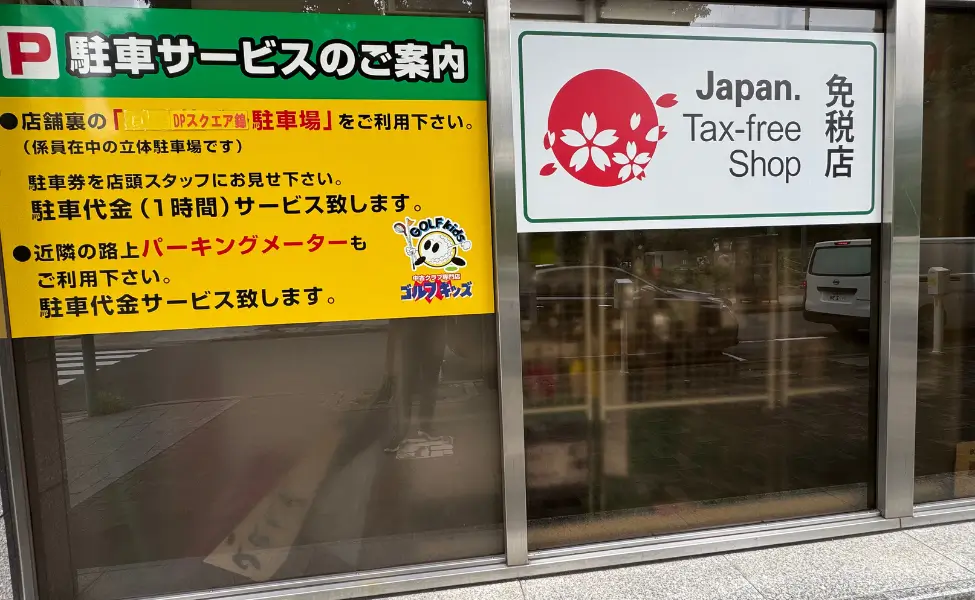
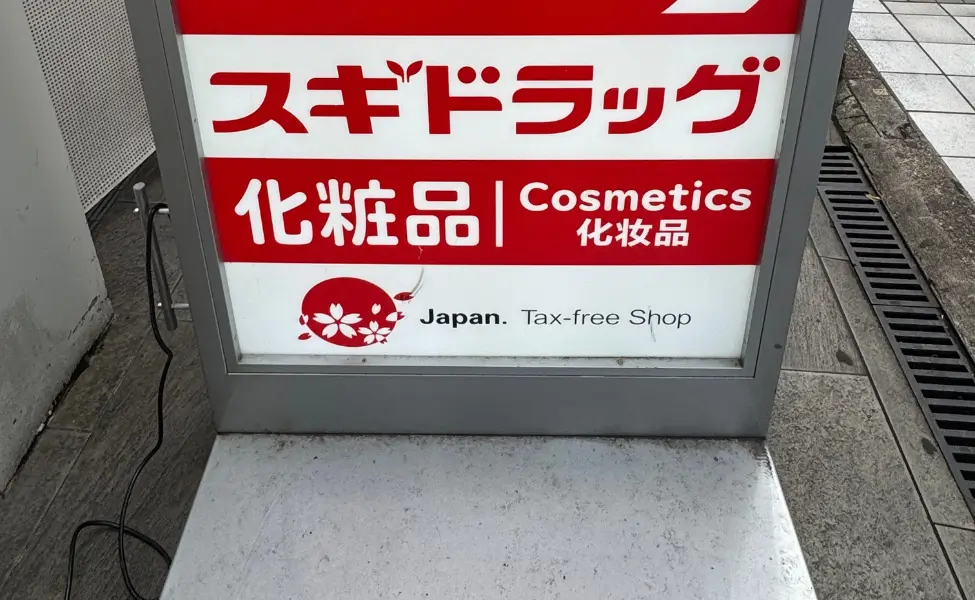
Look for the “Japan Tax-Free Shop” logo near the entrance or at the register.
There are two types of eligible items:
General goods: electronics, clothing, bags, watches
Consumables: food, cosmetics, medicines, alcohol
You have to spend at least ¥5,000 at the same shop on the same day.
For consumables, there’s also an upper limit of ¥500,000.
It’s straightforward: show your passport at checkout, and the shop does the paperwork.
They’ll usually pack items in special bags you can’t open in Japan.
Understanding Consumption Tax
Japan’s consumption tax is 10% for most things.
This tax usually gets added to almost everything you buy as a tourist.
Tax free shopping removes that 10% from your total.
So if you buy a ¥50,000 camera, you save ¥5,000.
There’s a big change coming in 2026.
The system will switch to a refund method where you pay tax upfront, then claim it back at the airport when you leave.
Right now, you don’t pay the tax at all when shopping at tax free stores.
That makes budgeting a bit easier while you’re in Japan.
The savings can add up fast, especially if you’re buying electronics or luxury goods.
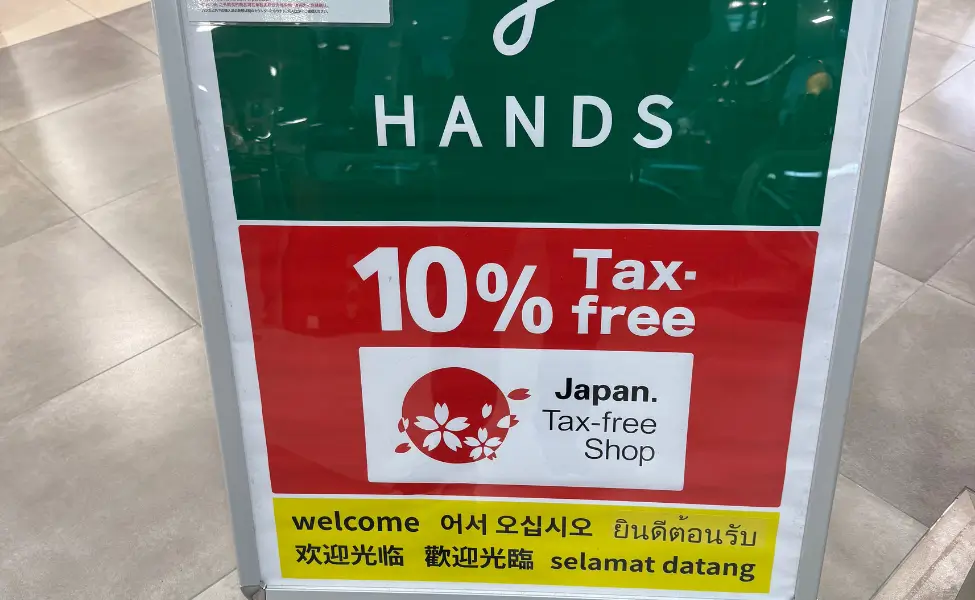
Difference Between Tax Free and Duty Free
Tax free and duty free shopping aren’t the same, and the rules differ.
Tax free shopping:
- Found at thousands of shops across Japan
- Removes Japan’s 10% consumption tax
- Requires you to show your passport
- You must take items out of Japan
Duty free shopping:
- Only at airports and some border spots
- Removes import duties and taxes
- Often features international brands
- Offers a different product lineup
Tax free shops pop up in city centers, shopping districts, and tourist areas.
You’ll see them in department stores, electronics shops, and even some convenience stores.
Duty free shops mostly sell perfumes, alcohol, tobacco, and luxury items.
You’ll find them in airport departure lounges after security.
You can actually use both systems during one trip if you want to stack up the savings.
Eligibility for Tax Free Shopping
Not everyone can use Japan’s tax free shopping.
Your visa status and length of stay decide whether you get the 10% tax break.
Who Qualifies as a Tax Free Shopper
Foreign tourists in Japan can use the tax free system if they meet certain requirements.
You need to have arrived in Japan within the last six months.
Your passport should show a “Short-Term Stay” visa.
That covers most tourist visas for up to 90 days.
Some people can’t use tax free shopping, even if they’re foreigners.
Diplomats, government officials, and US military personnel stationed in Japan don’t qualify.
Japanese citizens living abroad might qualify if they can prove they’ve been living outside Japan for at least two years straight.
Residency Requirements
Residency status makes a big difference for tax free eligibility.
Temporary visitors get access to tax free benefits, but residents don’t.
If you have a Japanese address or residence card, you can’t use tax free shopping.
This rule includes foreign students, workers, and long-term residents.
Shops check your passport stamps to confirm your tourist status.
They’ll look for your landing permission or entry documents.
If you’ve been in Japan more than six months on your current visit, you lose tax free privileges.
The clock starts from your last entry date.
Duration of Stay Considerations
How long you stay in Japan affects your tax free eligibility.
Most tourist visas allow 15 to 90 days, which is enough for the full programme.
Short visits under two weeks still count.
There’s no minimum stay once you meet the basic tourist criteria.
Longer stays over six months disqualify you from tax free shopping.

That stops people from abusing the system.
Business travellers on short-term visas can use tax free shopping.
Your visa purpose doesn’t matter as long as you keep temporary visitor status.
The six-month rule covers your total time in Japan, not just one shopping trip.
Items Eligible for Tax Free Shopping
Japan’s tax free system covers two main types of products, each with its own rules and spending limits.
General Goods
You can get tax free shopping on general goods if you spend ¥5,000 or more at the same shop in one day.
That’s before tax is added.
General goods include:
- Home appliances and cameras
- Clothing and shoes
- Bags and accessories
- Watches and jewellery
- Souvenirs and gifts
There’s no upper limit for general goods.
You can use these items while you’re in Japan, so they’re handy for things you want to wear or use during your trip.
If the shop puts general goods in special packaging to stop you from using them in Japan, they can combine them with consumables for the spending minimum.
Consumables: Cosmetics, Food, and Beverages
Consumables come with stricter rules.
You need to spend between ¥5,000 and ¥500,000 at one shop in a single day to qualify.
Popular consumables include:
- Cosmetics and skincare
- Japanese sweets and snacks
- Alcoholic drinks
- Medicine and supplements
- Food products
Important: You can’t open or use consumables while you’re in Japan.
Shops will seal these in special bags that need to stay closed until you leave the country.
You’ll have to show these sealed items and your passport to customs when you depart.
If you open consumables before leaving, you’ll need to pay the tax at the airport.
Electronics, Clothing, and Other Popular Categories
Electronics are a huge draw for tax free shopping.
Cameras, smartphones, gaming consoles, and small appliances all count as general goods.
Clothing is another big category.
Designer brands, traditional Japanese clothes, and everyday wear all qualify.
Other popular categories include:
- Traditional crafts and artwork
- Sports gear
- Musical instruments
- Books and stationery
- Toys and collectibles
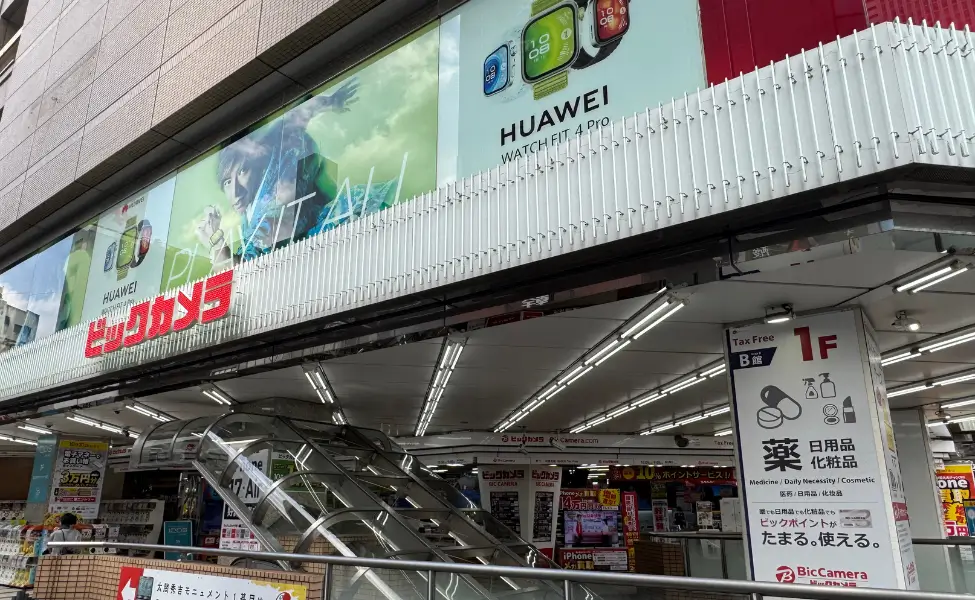
Many department stores and electronics shops have tax free counters to help with purchases.
Watch for “Tax Free” signs at participating retailers all over Japan.
Tax Free Shopping Procedures
To shop tax free in Japan, you need your passport and have to follow a few steps at the store.
The shop does most of the paperwork, but you’ll have to pay attention to packing rules for some items.
Required Documents and Passport Presentation
Bring your actual passport when you shop for tax free items.
Copies or photos won’t work.
Show your passport to the staff when you want to claim tax free shopping.
They need to see the real thing to check your tourist status.
The shop might photocopy or scan a few pages.
This is how they check you’re eligible for the tax break.
Some stores may ask for your hotel address in Japan.
It’s smart to have that info handy.
Skip the Passport Hassle: Visit Japan Web Pre-Registration
There’s a way to skip presenting your physical passport at every single store: Visit Japan Web.
This is an official Japanese government service that lets you register your passport details online before your trip. That covers your name, nationality, birthdate, visa status, entry date, and passport number.
Once it’s set up, you get a QR code under the “Prepare for Tax-Free Shopping” section of the app or website. Show that code at participating stores instead of digging out your passport every time.
Not every shop has the scanner for this yet, so check in advance if a specific store supports it. If it doesn’t, you can still show your physical passport as normal.
Set this up before you land: Visit Japan Web official site.
In-Store Digital Process
Most shops do the tax free paperwork online.
Staff enter your passport details and purchase info into their system.
You’ll pay the full price with tax first, then get your tax refund at a special counter.
It’s a little clunky, but it works.
Department stores often have dedicated tax free service counters.
Ask staff where to find it after you buy something.
The system keeps digital records of your tax free purchases.
This links up with customs for when you leave Japan.
Some smaller shops still use paper forms, which takes a bit longer but works the same way.
Packing and Sealing Rules for Consumables
Shops seal consumables like food, cosmetics, and medicine in special tax free bags.
These bags must stay sealed while you’re in Japan.
The sealed bags have official labels.
Don’t take these off or damage them, since customs checks them at the airport.
You can use general goods like clothes and electronics as usual in Japan.
No special packaging needed for those.
Pack sealed items carefully in your luggage.
Broken seals can cause headaches with customs on your way out.
Where to Enjoy Tax Free Shopping in Japan
Tax-free shopping is everywhere in Japan, from big department stores to tiny specialty shops.
You’ll want to spot the right signs and know which places cater best to international visitors.
Identifying Tax Free Stores
Check for the official tax-free shop logo at the entrance.
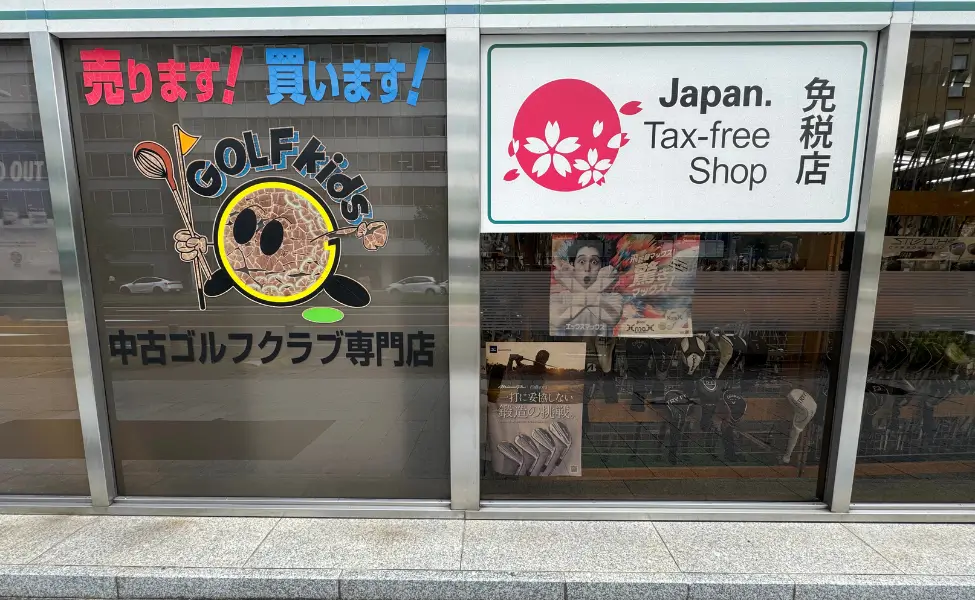
This symbol means the retailer is approved as an “Export Sales Shop” by the Japanese tax office.
You’ll usually see the logo near the front door.
Not every shop in a shopping mall offers tax free, even if the main building does.
Some stores put up extra signs in different languages, often with English text like “Tax Free.”
Key things to check:
- Official tax-free logo at the door
- Staff who know how to process tax free purchases
- Acceptance of foreign passports
Where You Can’t Shop Tax-Free
Not every store offers tax-free shopping, even in touristy areas.
Generally excluded:
- Convenience stores such as 7-Eleven, FamilyMart, and Lawson. A small number of locations in major cities like Tokyo and Osaka do offer it, but don’t count on it.
- Restaurants and cafes. Food and drink consumed in Japan don’t qualify.
- Hotel stays and other services. Tax-free only applies to physical goods you take out of the country, not services.
If you’re not sure whether a shop takes part, look for the official tax-free logo at the entrance before you start shopping.
Department Stores and Major Retailers
Big department stores like Takashimaya, Isetan Mitsukoshi, and Sogo & Seibu have central tax free counters.
You pay full price at each shop, then get your refund at the main counter.
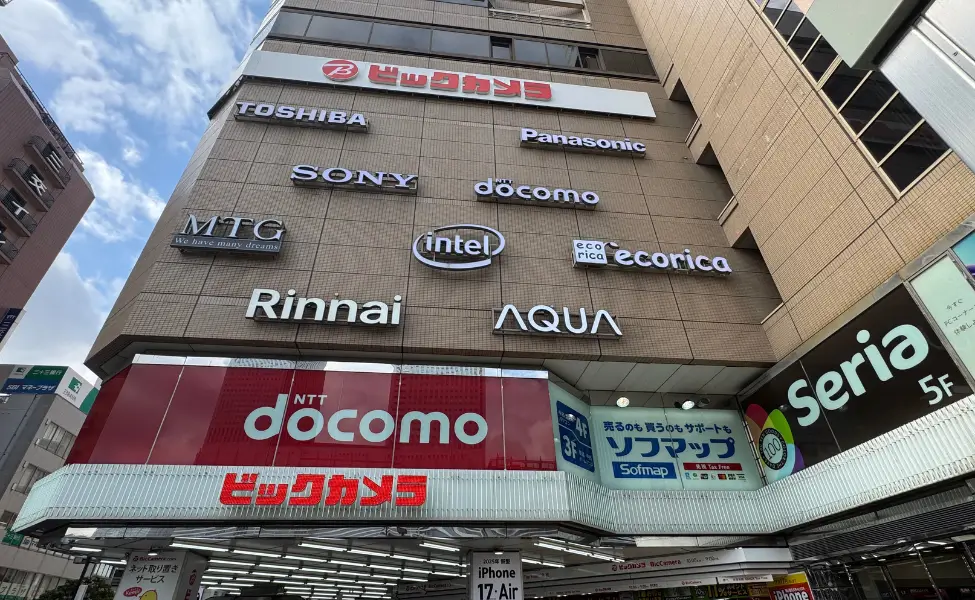
Electronics chains like Yodobashi Camera and Bic Camera process tax free purchases right at checkout.
That’s way faster than central counters.
Large shopping malls sometimes let you combine purchases from different stores to hit the minimum.
Outlets like Gotemba Premium Outlets are part of the tax free programme too.
Major chains with tax free services:
- Electronics: Yodobashi Camera, Bic Camera
- Department stores: Takashimaya, Daimaru, Tokyu
- Fashion: Uniqlo (some locations)
- Drugstores: Matsumoto Kiyoshi, Don Quijote
Convenience Stores and Specialty Shops
Many drugstores like Matsumoto Kiyoshi offer tax-free shopping on cosmetics and health products.
These shops have become especially popular for Japanese skincare and medicine.
Specialty electronics shops in places like Akihabara often provide tax-free services.

Camera shops in tourist areas usually participate too.
Some traditional craft shops and souvenir stores let you make tax-free purchases.
You’ll find this mostly in busy tourist districts such as Asakusa or Kyoto’s old neighborhoods.
Local shopping streets, called shotengai, have started to include more tax-free retailers.
Still, coverage can vary a lot between neighborhoods and even from shop to shop.
Airport and Duty Free Locations
All major international airports like Narita, Haneda, Kansai, and Chubu Centrair have big duty-free areas.

You’ll find these after immigration control in the departure lounges.
Airport duty-free shops offer exemptions from several taxes, not just the consumption tax.
Sometimes you’ll get better savings here than at regular tax-free stores in the city.
Some special duty-free locations also exist in city centers.
Japan Duty Free Ginza, and Lotte Duty Free Tokyo Ginza work like airport shops but are in urban areas.
Quick comparison:
- Airport: Multiple tax exemptions, located after immigration
- City duty-free: Limited locations, same benefits as airports
- Regular tax-free: Consumption tax only, widespread availability
Important Tips and Recent Changes
Japan’s tax-free shopping system is changing fast.
By November 2026, the whole process will shift to a refund-based system, and new digital steps are already arriving.
Current Rules and Limits
The basic spending requirements remain:
- General items (electronics, clothing): ¥5,000 minimum, no upper limit
- Consumables (food, cosmetics): ¥5,000-¥500,000 per day at one shop
Some stores let you combine purchases across departments within the same retailer.
Important Recent Changes
Shipping restriction (became effective April 1st, 2025): You can no longer get tax exemption on items shipped directly to your home country through international parcels.
This change affects both online shopping and shop-based shipping services.
Plan to bring purchases home with you instead of shipping them.
The new rule targets visitors who never actually take the items out of Japan themselves.
Cashless Tax Refunds and Digital Processes
Since October 2021, shops stopped using paper forms for tax-free purchases.
They now send your purchase data straight to Japan’s National Tax Agency electronically.
This digital system tracks all your tax-free purchases automatically.
You don’t need paper receipts for customs, but it’s smart to keep them for your own records.
Current process:
- Make your purchase and pay the full amount
- Show your passport to the staff
- The shop handles the exemption digitally
- You get a refund or an adjusted receipt
Some big department stores remove the tax instantly at checkout once they verify your passport.
The Big Change: November 2026 Refund System
The biggest change arrives on November 1st, 2026 when Japan switches to a refund-based system.
Instead of getting tax removed at shops, you’ll pay the full price and claim your refund at the airport.
How it will work after 2026:
- Pay consumption tax on everything you buy
- Keep all your receipts and proof of purchase
- Process refunds at the airport before departure
- Leave yourself extra time at the airport
For now, you can still get immediate tax exemption at shops.
It’s a good idea to budget for the full price including tax while shopping since your refund will come later after 2026.
Also changing in November 2026:
- The current split between “general goods” and “consumables” categories goes away completely
- The ¥500,000 spending cap on consumables is removed
- Special sealed packaging for consumables is no longer required
- Stores no longer need to work out whether an item is for “everyday personal use”
In short, the rules get simpler, even though the payment process, pay first and claim your refund later, gains an extra step.
Handling Tax Free Purchases at Departure
Currently, you just need to show sealed consumables to customs if asked.
After 2026, you’ll need to complete refund procedures before you leave.
Common Mistakes and How to Avoid Them
Learning from others’ errors can save you money and hassle.
Before You Shop
Forgetting your passport: You can’t make tax free purchases without it, so keep your passport on you if you plan to buy anything.
Shopping at non-participating stores: Look for the official tax-free logo before making large purchases.
During Shopping
Splitting purchases across multiple days: Each shop looks at same-day totals only.
You can’t combine yesterday’s ¥3,000 purchase with today’s ¥2,000 to reach the minimum.
Trying to combine purchases from different shops:
The ¥5,000 minimum applies per store, not across multiple retailers.
After Purchase
Opening consumable items early: If you open consumables like food or cosmetics before leaving Japan, you lose your tax exemption and may have to pay the tax at the airport.
Damaging sealed packaging: Keep consumable bags intact and don’t remove official labels.
Future Considerations
After 2026, you’ll need to process your refund before leaving Japan.
The system won’t do it automatically anymore.
Set a reminder or you might lose your tax exemption completely.
Honestly, it’s easy to forget this step in the rush at the airport.
Frequently Asked Questions
Generally, no. Convenience store chains like 7-Eleven, FamilyMart, and Lawson don’t usually offer tax-free shopping, though a small number of locations in major cities occasionally do. Don’t count on it unless you see the tax-free logo posted.
Tell the immigration officer at the gate that you need a physical entry stamp for tax-free shopping before you walk through. Without it, some stores may not be able to check your eligibility.
No. Only the person who made the purchase can complete the tax-free process. It can’t be handled by a friend, family member, or anyone else on your behalf.
At stores with a central tax-free counter, common in department stores, your refund usually lands back on your card within 10 days to 2 weeks. At stores that remove the tax immediately at checkout, common at electronics chains, there’s no separate refund wait.
Most tax-free shops don’t accept points or miles for this. Plan to pay with cash or a credit card.
