
Most people never discover the real reasons behind why people wear masks in Japan.
While visitors notice the masks everywhere, they miss the century-old cultural story that explains why millions choose to cover their faces daily.
This practice reveals something profound about Japanese society that most outsiders completely overlook.
The truth covers everything from old ideas of harmony to today’s fashion trends.
This shows a unique view of how a culture thinks about community responsibility.
Cultural and Historical Origins of Mask-Wearing in Japan
Mask-wearing in Japan grew from a mix of pandemic responses, collectivist values, and slowly became part of daily routines.
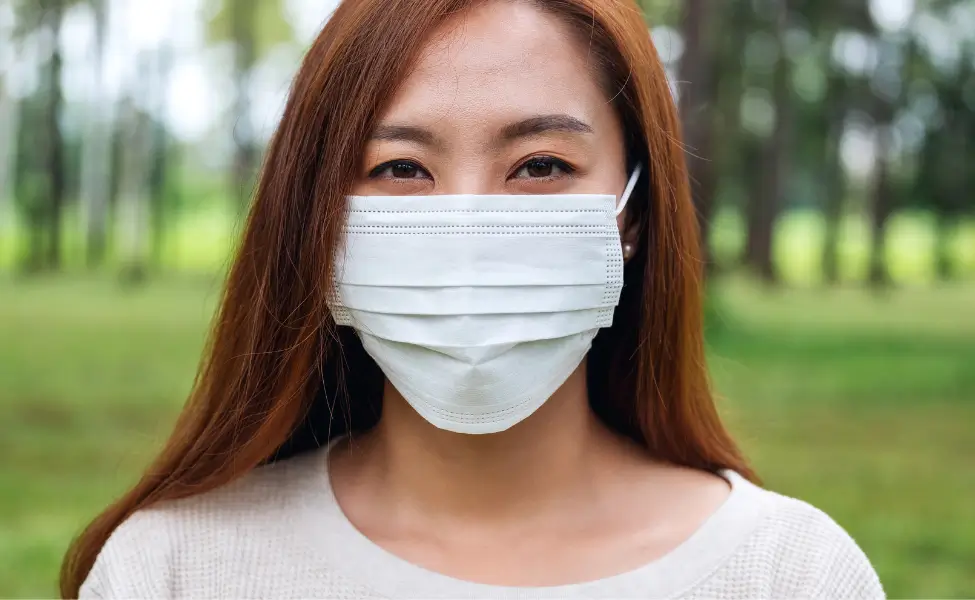
These factors turned face masks from emergency gear into something ordinary.
Historical Pandemics and Disaster Response
Japan’s mask habit started in the late 1800s during the Meiji era.
Factory workers wore masks made with brass wire frames and cloth to block dust and pollution.
The 1918 Spanish flu was a big turning point.
That outbreak killed about 450,000 people in Japan.
Some of the key responses:
- Posters in public spaces urging people to “protect yourself and others”
- Free mask distribution in cities like Tokyo
- Schools making students wear handmade gauze masks
The 1934 flu pandemic made these habits even stronger.
Masks became a polite thing to wear in winter, especially to avoid coughing or sneezing near others.
After World War II, rapid industrial growth brought new problems.
Air pollution and pollen allergies increased, especially after cedar trees were planted for reforestation.
This led to a rise in hay fever during the 1960s and 70s.
Collectivism and Social Norms
Japanese culture puts a lot of weight on “wa” (harmony) and thinking of others.
People try not to cause trouble or inconvenience for those around them.
Wearing a mask when you’re sick became a sign of good manners.
Mask-wearing fits right in with Japan’s group-first mindset.
People often put group comfort ahead of their own.
Many keep wearing masks to avoid being seen as inconsiderate or standing out.
Masks reflect deeper ideas about cleanliness and responsibility.
On trains, in offices, and at school, wearing a mask shows you’re aware of how your actions affect everyone else.
Why people wear masks for cultural reasons:
- Stopping the spread of germs when feeling sick
- Being considerate during allergy seasons
- Meeting social expectations in public
- Taking responsibility for the health of the group
Integration Into Daily Life
Mask use follows the seasons. In winter, mask use goes up to prevent the flu.
Over time, masks turned into fashion items too.

Now you see masks with colors, patterns, and even brand logos.
Young people sometimes use them to match their outfits or hide blemishes.
How masks fit into daily life:
- Masks made for specific allergens or pollution
- Designs that go with different clothes
- Workplaces encouraging masks if you’re unwell
- Schools promoting masks to control infections
COVID-19 didn’t create the mask culture in Japan, but it did make it even stronger.
The “New Lifestyle” campaign built on habits people already had.
High compliance was possible because masks were already normal.
Health and Hygiene Motivations for Mask Use
For most Japanese people, masks are about health and social responsibility.
These habits come from a strong cultural focus on stopping illness and looking out for the community.
Illness Prevention and Protection
Masks act as a simple barrier against respiratory illnesses.
If someone feels even a little sick, like with a runny nose or mild cough, you’ll often see them put on a mask.
This helps keep viruses and bacteria from spreading.
When you cough or sneeze into a mask, most of the droplets stay contained.
When people usually wear masks for protection:
- Going out while feeling sick
- Visiting hospitals
- Taking crowded trains or buses
- Shopping during outbreaks
The main point isn’t to protect yourself, but to avoid passing germs to others.
This has been the norm in Japan for decades, long before COVID-19.
Consideration for Others
Japanese society values the group’s health over personal convenience.
Wearing a mask when you’re sick is a way to show respect for others’ well-being.
This idea is about putting others first.
Nobody thinks it’s strange to wear a mask in Japan, but you might get odd looks if you’re clearly ill and not wearing one.
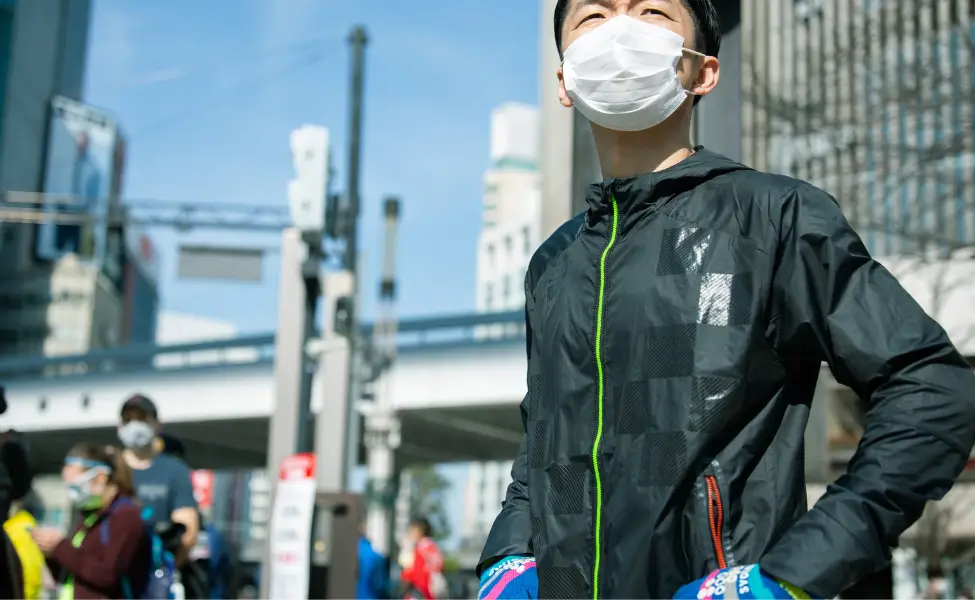
Many people feel it’s selfish to risk spreading illness when it could be avoided.
This creates strong social pressure to mask up if you have symptoms.
Cultural values behind masks:
- Not inconveniencing others
- Taking care of community health
- Being considerate of vulnerable people
- Maintaining harmony
Impact of Flu Season
Flu season really boosts mask use across Japan.
From autumn to early spring, you’ll see way more people wearing masks, especially when colds and flu are going around.
During these months, it’s almost expected to wear a mask on public transport or in crowded places.
Schools and offices often encourage or even require it during bad outbreaks.
Health authorities run public campaigns every flu season to promote mask use.
They focus on protecting older folk and those with weaker immune systems.
Allergies, Pollen, and Pollution
Hay fever is a huge problem for millions in Japan.
Cedar pollen in spring causes a lot of discomfort, so masks are a must for many.
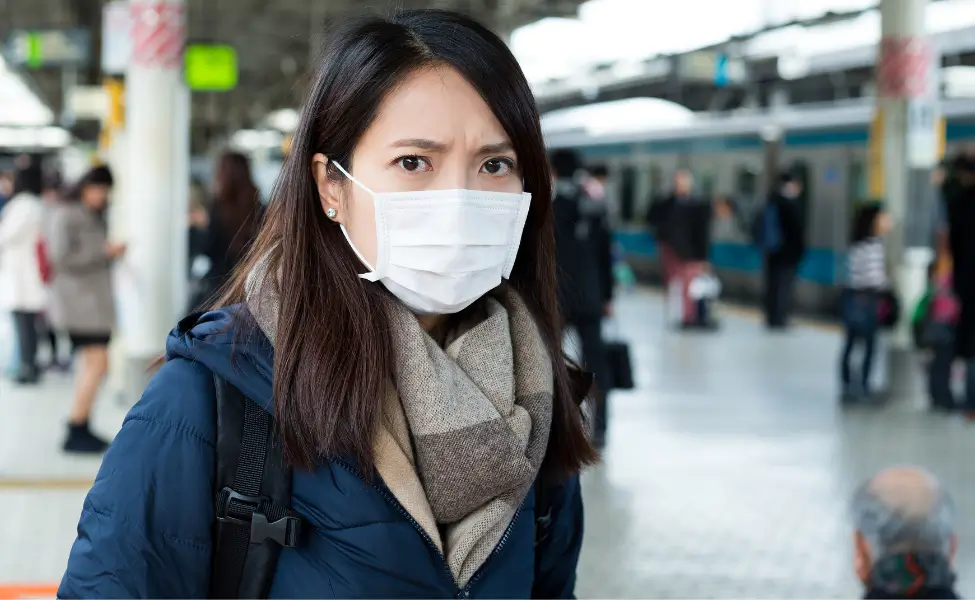
Masks help block pollen, dust, and other irritants.
You’ll see more people masking up during specific pollen seasons, especially when cedar or cypress pollen is in the air.
Japan has several pollen seasons:
- Cedar: February to April
- Cypress: March to May
- Grass: May to October
- Ragweed: August to October
While Japan’s air is cleaner than some neighboring countries, urban air quality still pushes some people to wear masks.
They filter out fine particles and can make people feel a bit safer in the city.
Some folks also find that masks help keep their throats from drying out in winter.
Role of COVID-19 Pandemic and Beyond
The COVID-19 pandemic made mask-wearing even more common in Japan.
The country’s response looked pretty different from what you saw in many other places, and the changes have stuck around after the pandemic eased.
Influence of COVID-19 on Public Behaviour
When COVID-19 hit in 2020, mask-wearing in Japan shot up to almost everyone.
The government recommended masks early, and most people followed along without much fuss.
According to Osaka University, 59% of Japanese people were still wearing masks in June 2023.
That’s only a slight drop from 67% before the government changed COVID-19’s legal status in May 2023.
The study found two big reasons people kept wearing masks:
- Relief: Masks lowered anxiety and stress
- Social norms: People wore them because everyone else did
Now, a lot of people wear masks for psychological comfort.
They just feel safer, even if the risk of infection is low.
The pandemic also made mask-wearing feel like a social duty.
Many people see it as a way to protect family and community, not just themselves.
Comparison to Global Responses
Japan’s approach to masks during COVID-19 stood out from other countries.
While many places dropped mask rules quickly, people in Japan kept wearing them by choice.
In most Western countries, as soon as vaccination rates were up, people ditched masks almost overnight.

The government said masks weren’t needed, and that was that.
In Japan, things went the other way. Even after the government relaxed mask guidelines in March 2023, most people kept wearing them in public.
Japan had one of the world’s highest mask usage rates throughout the pandemic.
This wasn’t because of strict laws but because people wanted to wear them.
Here’s a quick comparison:
| Region | Post-Pandemic Mask Use | Main Reason |
|---|---|---|
| Japan | High (59% continued) | Social norms, anxiety relief |
| Western Countries | Low (most stopped) | Medical necessity only |
Lasting Changes Post-Pandemic
The pandemic left permanent marks on how Japanese people think about masks.
You can see it in new mask styles with fun patterns and better functions.
Companies now make masks as fashion items, not just for health.
Many people now link masks to personal responsibility, not only sickness.
So you’ll spot people wearing them for allergies, minor colds, or just in crowded places.
Young people especially have made masks part of everyday life.
For them, it just feels normal.
Social, Psychological, and Fashion Factors
Mask-wearing in Japan isn’t just about health.
There are deep social and psychological reasons too.
Many people use masks to ease social anxiety, show some personal style, or keep a bit of privacy in crowded places.
Mask Use for Social Anxiety and Comfort
Studies say conformity to social norms is the biggest reason people wear masks in Japan.
When you see others doing it, you feel like you should too.
Japanese culture values fitting in and not standing out.
That creates a strong pull to wear a mask when everyone else is.
Relieving anxiety is another big reason.
Masks create a kind of comfort zone in social situations.
You might feel more confident and less exposed when your face is partly hidden.
This is especially true in crowded places like trains or stores.
Masks give you a bit of personal space, even if you’re packed in with strangers.
People want to do what feels normal in their community.
Fashion and Personal Expression
Masks have become fashion accessories in Japanese culture.
You’ll see masks in all sorts of colours, patterns, and designs to match your outfit or mood.
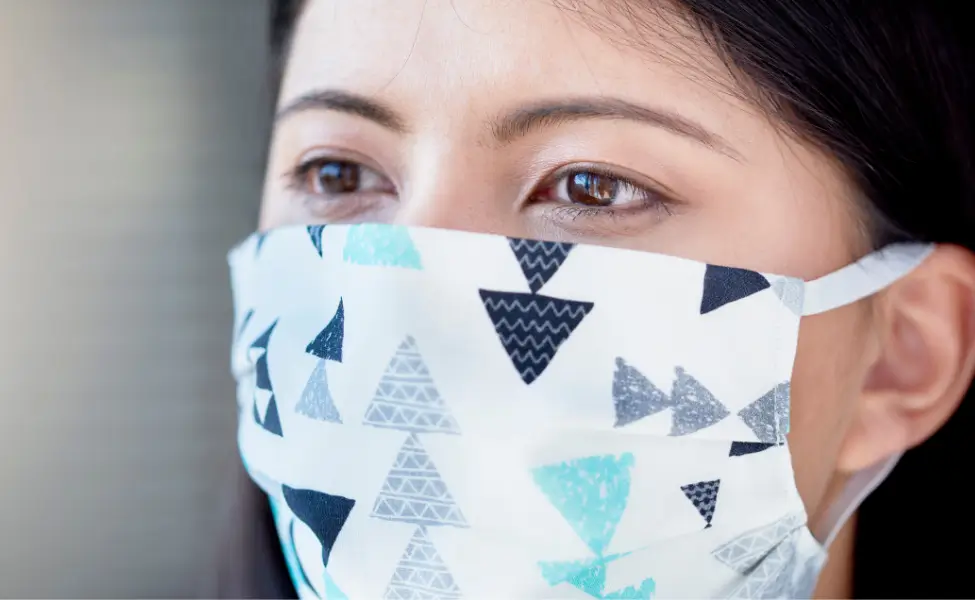
Many young people choose masks as part of their personal style.
Designer masks and trendy patterns let folks express themselves while still fitting in.
The mask industry in Japan offers seasonal designs and limited editions.
You might wear cherry blossom patterns in spring or pick darker colours for winter.
Some people coordinate their mask colour with their clothes or accessories.
This makes a practical item feel like a genuine fashion choice.
The variety means masks suit different face shapes and preferences.
You can pick materials, sizes, and styles that feel comfortable for daily wear.
Maintaining Privacy and Anonymity
Masks offer privacy and anonymity in Japan’s crowded public spaces.
You can move through busy areas without feeling totally exposed to strangers’ stares.
This privacy is especially valued by women who might not want attention for their appearance.
The mask lets you go out without full makeup or when you’re feeling under the weather.
Japanese culture puts a lot of emphasis on personal boundaries and not intruding on others’ space.
Masks help support this value by creating a physical barrier.
You can also hide facial expressions or emotions behind a mask.
That helps maintain the calm, composed look that’s so important in public settings.
The anonymity factor feels even more important on crowded trains or in busy shopping areas.
Your mask gives you a bit of psychological distance from the crowd.
Common Misconceptions and Modern Trends
Lots of people outside Japan think mask-wearing is just about pollution or illness.
Modern mask culture has expanded past basic white surgical designs.
Now, it features various materials and accessories.
Misunderstandings Outside Japan
Foreign visitors often assume Japanese people wear masks all the time because of air pollution.
That’s not really true.
Tokyo actually has pretty good air quality compared to other major Asian cities.
The most common myth is that masks mean someone’s sick.
In Western countries, you might think a mask signals illness, but in Japan, healthy people wear them daily for prevention, allergies, or just to be polite.
Another misconception is that the government requires masks.
There aren’t any legal rules about masks.
People just choose to wear them based on social norms and personal preference.
Some tourists think mask-wearing has roots in traditional customs.
Actually, masks became popular in modern times, starting with the 1918 Spanish flu pandemic mentioned earlier in the article.
The practice grew from health needs, not ancient traditions.
Trends in Mask Materials and Designs
Modern Japanese face masks have turned into fashion items with endless varieties.
You’ll find masks in different colours, patterns, and brands so people can show off their own style.
Popular mask materials include:
- Disposable non-woven fabric
- Washable cotton blends
- Specialised pollen-blocking filters
- Moisture-wicking athletic fabrics
Seasonal masks target specific needs.
Spring brings anti-pollen masks with better filters.
Summer has cooling fabrics and UV protection.
Winter masks focus on warmth and flu prevention.
Youth culture has really embraced masks as accessories.
Some people use them to hide facial imperfections or just to change up their look.
This trend has made mask-wearing common across all age groups.
Technology keeps pushing mask designs forward.
New materials block PM2.5 particles but still let you breathe.
Some masks have antimicrobial coatings or adjustable ear loops for extra comfort.
Frequently Asked Questions
Mask-wearing in Japan comes from deep cultural values around group harmony and caring for others.
The practice grew from industrial protection in the late 1800s to include health, etiquette, and even personal care.
What are the cultural reasons behind wearing masks in Japan?
When you wear a mask while feeling unwell, you show respect for those around you by not spreading germs.
The idea of “meiwaku o kakenai” means not causing trouble for others.
This group-minded thinking makes mask-wearing a polite gesture, not just a personal choice.
Social conformity matters, too.
In crowded places like trains or offices, not wearing a mask during illness seasons can draw unwanted attention or even disapproval.
How has the tradition of wearing masks in Japan evolved over time?
Mask-wearing started in the Meiji era as gear for factory workers to protect against dust and pollutants.
The early designs had brass wire frames covered with cloth filters for industrial use.
The 1918 Spanish flu pandemic turned masks into public health tools.
Government campaigns used posters urging people to “protect yourself and others,” making masks a symbol of public health responsibility.
Post-war industrialisation brought more air pollution and cedar pollen allergies.
By the 1960s, hay fever affected millions, so masks became barriers against environmental irritants.
The 1980s saw the introduction of disposable non-woven masks, making them cheap and comfy for everyday use.
Modern masks now use specialised filtration for pollen and PM2.5 particles.
In what ways do masks play a role in Japan’s public health approach?
Japan’s Ministry of Health, Labour and Welfare recommends masks in crowded places, especially for vulnerable groups.
This advice focuses on personal responsibility, not strict laws.
During allergy seasons, public health campaigns by groups like the Japan Society of Allergology promote masks as essential.
Around 40% of people wear masks all the time during spring pollen season.
The government’s “New Lifestyle” initiative during COVID-19 encouraged masks as part of daily routines.
This relied on self-persuasion instead of fines, but still got high compliance.
Masks help prevent seasonal allergies, colds, and respiratory infections throughout the year.
What significance do masks hold in Japanese social etiquette?
Wearing a mask when you’re unwell shows thoughtfulness towards colleagues, classmates, and strangers. T
his fits with Japanese values of consideration and social responsibility.
At work, showing up sick without a mask can seem inconsiderate.
The mask signals that you’re taking steps to protect others.
Schools teach kids to wear masks during illness or allergy seasons as part of learning to care for others.
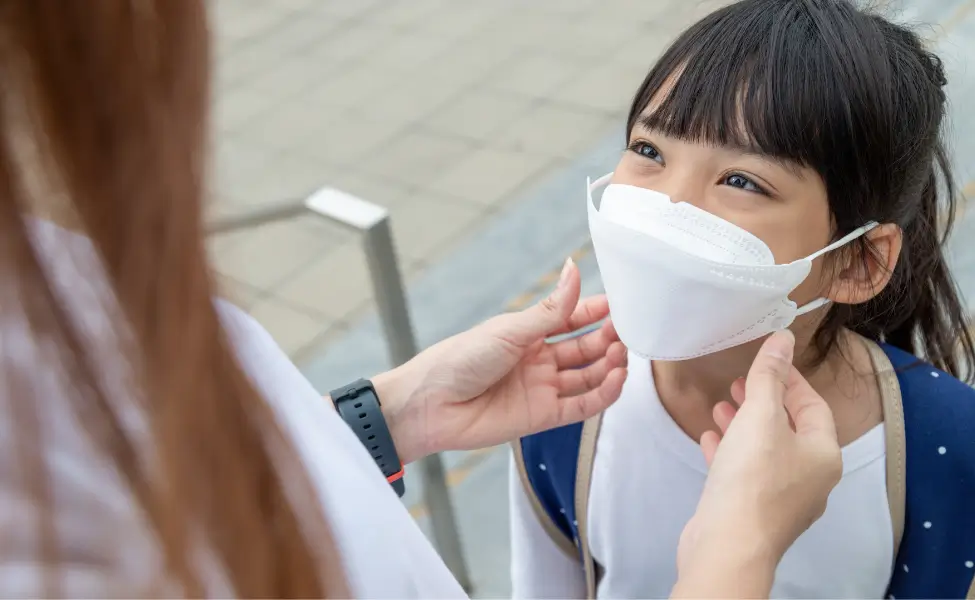
This education makes mask-wearing part of good social behaviour.
Masks also give some people psychological comfort in social situations, making them feel more confident in public or when talking to others.
How are masks integrated into Japanese beauty and skincare routines?
Many people use masks to hide skin imperfections, cut down on makeup, or protect their skin from sun and pollution.
This practical side has made masks even more appealing.
Masks have become fashion accessories with different colours, patterns, and brands.
Young people especially see them as style statements that go with their outfits.
Some folks wear masks to keep their privacy or avoid unwanted social interactions.
The mask acts as a subtle barrier while still being socially acceptable.
Masks also shield your face from harsh weather, like cold winds in winter or strong sun in summer.
Can the prevalence of masks in Japan be attributed to historical or religious factors?
The 1918 Spanish flu hit hard, and masks in Japan became a normal way to deal with public health threats.
That early habit stuck around and shaped how folks see masks today.
After the war, reforestation efforts led to a ton of cedar trees, which meant a lot more pollen allergies.
So, people needed protection during allergy season, and masks became a year-round thing you could find almost anywhere.
Japan’s quick industrial growth brought air quality problems.
Masks helped people deal with the smog and dust, which made them even more common.
People in Japan really value cleanliness and looking out for others.
Masks are still common, and while there’s no strong religious reason for this, cultural habits play a big role.
