
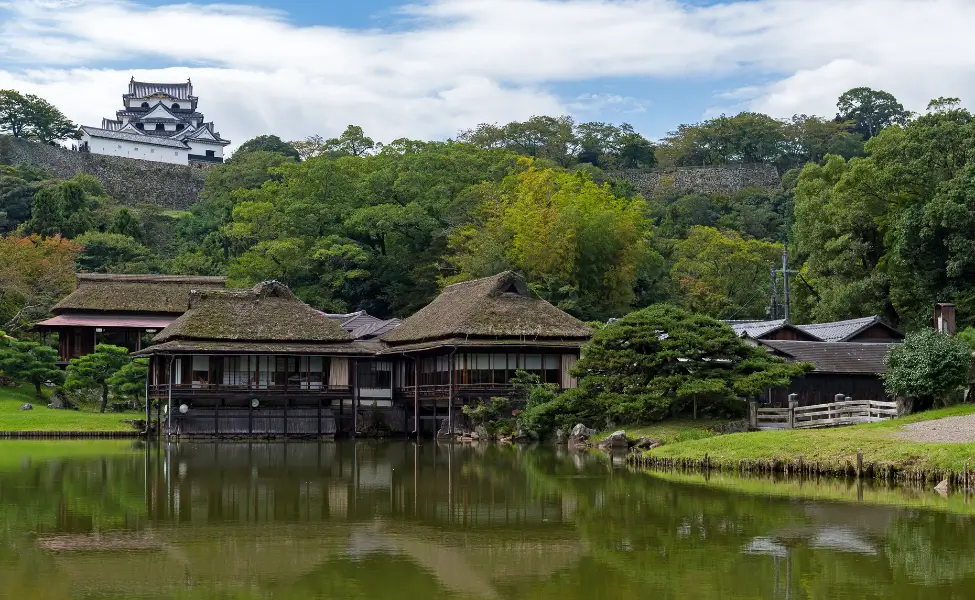
Japan has a reputation for being exhausting.
That’s mostly because suggested itineraries are terrible.
Too many hotels, too many early mornings, too many long travel days that would exhaust anyone under 40, let alone over 60.
Planned differently, Japan is not only manageable for older travelers, it’s often easier than many European destinations because the systems actually work once you understand them.
Here is what that means in practical terms.
Can You Actually Do This?
For most visitors in their sixties and seventies, yes, provided you pace sensibly and choose destinations with care.
Japan’s daily infrastructure reduces friction in ways that European cities often don’t.

Trains leave when the schedule says they will.
Station staff will physically walk you to the correct platform if you look confused.
Streets are well lit at night.
Violent crime against tourists is essentially nonexistent.
The real considerations are physical layout and energy management.
Many temple and shrine complexes were built centuries ago and include stone staircases, gravel paths, and gradual inclines that aren’t going away.
Some regional stations still lack elevators.
Platform transfers in large cities can involve long corridors.

Major Shinkansen hubs (Tokyo, Kyoto, Shin-Osaka, Hiroshima) have clearly marked elevators and escalators.
Regional stations often don’t. If mobility is limited, stick to major cities where infrastructure actually exists rather than hoping small towns will accommodate you.
Public toilets are widely available and reliably clean, including accessible cubicles in major stations and tourist sites.
Seating is less frequent on ordinary streets than in Western cities, but temple grounds, gardens, museums, and department stores usually provide benches.
If you select manageable neighborhoods, limit the number of major sights per day, and use taxis when needed, the country doesn’t feel physically hostile.
When to Actually Go
Weather has a significant impact on comfort.

July and August are brutal.
Sustained heat and heavy humidity across most of the country, with temperatures often reaching the mid thirties in cities like Tokyo and Kyoto.
Combined with dense crowds, even moderate walking becomes draining.
Skip summer entirely unless you have a specific reason to be there.
Late March through May offers milder conditions.
Early April is cherry blossom season in central Japan, which looks beautiful in photos but means crowds and inflated prices.
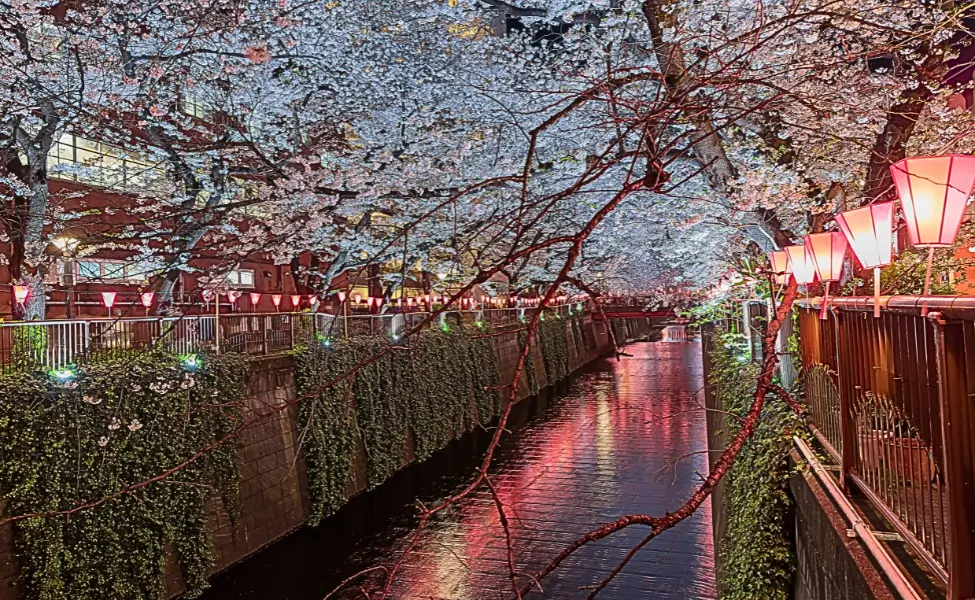
Traveling in mid April or May reduces crowd pressure while keeping temperatures comfortable.
October and November are often the most comfortable months.
Daytime temperatures are moderate, humidity is low, and autumn foliage adds interest without the logistical strain of peak blossom season.

I’ve watched tour groups of retirees arrive in Kyoto in August and spend half their time seeking air conditioning instead of seeing temples.
Don’t do that.
Getting Around Without Suffering
Long distance rail is one of Japan’s genuine strengths.
The Shinkansen provides spacious seating, smooth journeys, and level boarding from the platform.
Staff will assist with heavy luggage if you ask.
Toilets are Western style and clean.
Most intercity trips between major destinations are two to three hours, which makes travel days manageable if you avoid stacking multiple transfers.
Before buying a JR Pass, calculate your specific routes.
Since the 2023 price revision, the pass only represents value if you’re doing several long distance journeys within a short period.
For a slower trip based around two or three regions, buying individual tickets is often cheaper.
Within cities, rechargeable IC cards (Suica or ICOCA) let you tap in and out without calculating fares.
English signage is standard in major urban networks.
Physical IC cards occasionally face supply limitations, though tourist versions are typically available at large airports.
Taxis are clean, regulated, and drivers won’t try to scam you.
Using them strategically, particularly at the end of a long day or when navigating complex neighborhoods, removes unnecessary walking.
A 15-minute taxi ride costs ¥2,000-3,000 and saves an hour of confusion.
That’s a good trade.
Luggage Forwarding Changes Everything
Luggage forwarding (takuhaibin locally) allows you to send suitcases from one hotel directly to the next for around ¥1,500-2,500 per bag depending on size and distance.
Delivery is usually same day or next morning.
This means you travel between cities with only a small day bag.
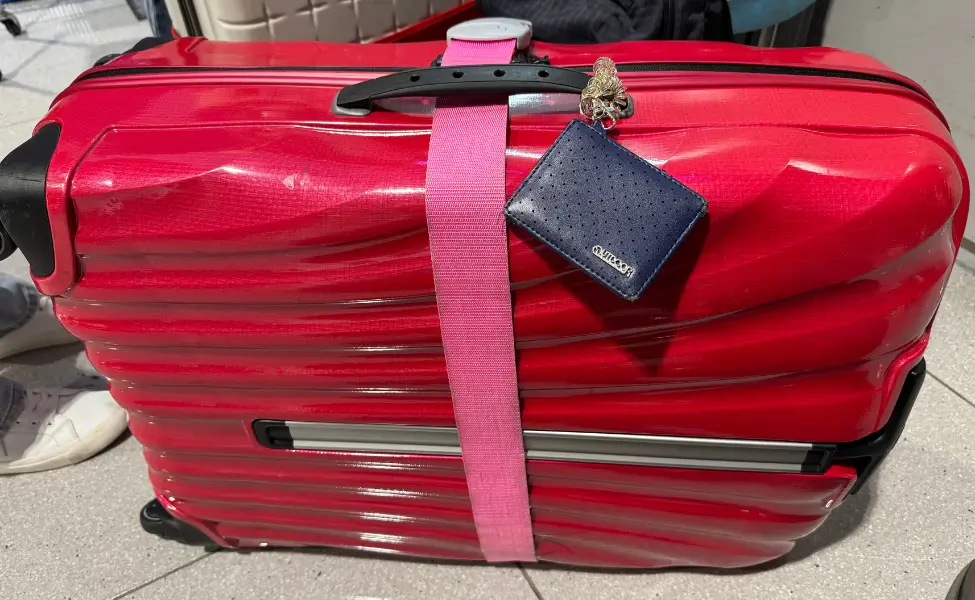
No hauling suitcases up station stairs.
No navigating crowded platforms with luggage.
And no figuring out which train car has space for bags.
I’ve seen people in their seventies refuse to use this service because “it seems complicated” and then struggle with their bags through three train transfers.
The hotel concierge handles everything.
You hand them your bag in the morning, it arrives at your next hotel that evening or the next day.
Use it.
Beyond Tokyo, Kyoto, and Crowds
Tokyo, Kyoto, and Osaka remain popular for good reason, but they’re also the most congested.
Travelers who prioritize space and manageable scale often find the following destinations more comfortable.
Kanazawa
Kanazawa combines preserved historic districts with a compact layout that doesn’t require constant transit.
Higashi Chaya, Kenrokuen garden, and Omicho Market cluster within the old city.
You can explore without spending half your day on buses.

The city feels slower than Kyoto while offering comparable cultural depth.
Seafood quality is high because of the city’s position on the Sea of Japan.
The Hokuriku Shinkansen connects it to Tokyo in roughly two and a half hours.
Matsumoto
Matsumoto’s original feudal castle sits against the Japanese Alps and is one of the most striking castles in the country.

The interior staircases are steep and narrow.
Some visitors choose to admire the structure from outside and explore the flat surrounding grounds instead.
That’s perfectly fine.
The exterior is the main attraction anyway.
The town center is walkable and distances between key points are moderate.
Hiroshima and Miyajima
Hiroshima is modern, flat, and easy to navigate.
The Peace Memorial Museum requires emotional energy but not physical stamina.
The surrounding parkland is level.

Miyajima is reached by train to Miyajimaguchi followed by a ten-minute ferry.
From the ferry terminal, Itsukushima Shrine and the torii gate are accessible via relatively level paths.

I’ve watched older Japanese visitors do this trip without difficulty.
If they can manage it at 80, you can manage it at 65.
Nikko
Nikko’s shrine complex lies within forested hills north of Tokyo.
Direct limited express trains reach it in about two hours.

Toshogu Shrine is ornate and distinctive, though the site includes stairs and uneven stone surfaces.
It works well as an overnight visit, spreading the walking over two days.
The town itself has limited English but sufficient infrastructure for basic navigation.
Where You’ll Sleep
Modern city hotels typically provide Western style beds as standard.
Business hotels are compact.

If you prefer more space, book mid-range or higher category properties.
Ryokan stays work for many older visitors provided expectations are clear.
When booking, request a room with a Western style bed if sleeping on a futon would be uncomfortable.
Meals are included and served in-house, which eliminates evening logistics.

Older properties may lack elevators.
Confirm access arrangements before booking to avoid showing up at a third-floor room with no elevator and your luggage already forwarded.
Onsen Reality
Hot spring bathing is restorative, not strenuous.
Water temperatures generally range from 40 to 42 degrees Celsius.
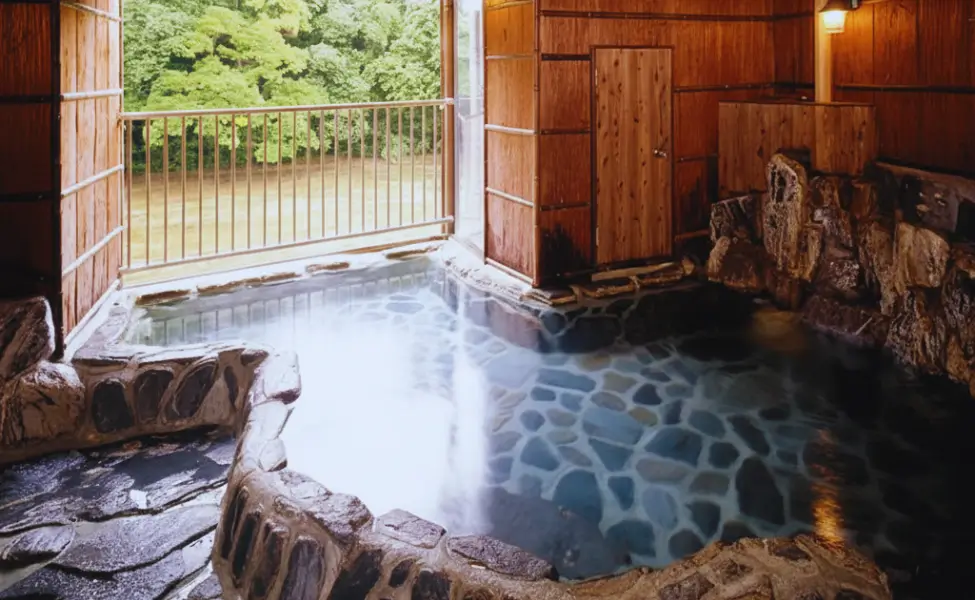
Enter gradually and limit initial sessions to ten or fifteen minutes while your body adjusts.
Facilities are gender separated and bathing is done without swimwear.
That’s non-negotiable.
Small tattoos can sometimes be covered, and private baths at ryokan remove the issue entirely.
Larger resort facilities increasingly advertise barrier-free access for mobility limitations.

If communal naked bathing doesn’t appeal to you, skip it entirely and don’t feel obligated.
Many Japanese people don’t use onsen either.
Food Is Straightforward
Dining is easier than most Western countries once you understand the system.
Set meals (teishoku) provide rice, soup, a main dish, and side items in a single order.
Usually around ¥1,000 in casual establishments.
Portion sizes are moderate rather than excessive.
Plastic food displays and photo menus simplify ordering when you can’t read Japanese.
Point at what looks good.
Convenience stores offer reliable prepared food at all hours.

This is useful on days when you prefer not to navigate restaurants.
The quality is significantly better than Western convenience stores.
Don’t let food anxiety prevent you from going.
Pace Determines Everything
Energy management determines whether Japan feels comfortable or exhausting.
Limit yourself to two or three significant sights per day.
In cities like Kyoto, where major temples often involve stairs, spacing them across separate days is sensible.
Expect daily step counts between 6,000 and 10,000 unless you substitute taxis for some journeys.

That’s moderate walking, not hiking, but it accumulates over multiple days.
Building rest days into longer stays provides flexibility without sacrificing overall coverage.
A rest day doesn’t mean doing nothing.
It means sleeping late, visiting one nearby attraction, and returning to the hotel by 3pm.
Most tour groups don’t build rest days.
That’s why tour groups are exhausting.
A Sensible First Trip Structure
Four nights in Tokyo, three nights in Kanazawa, and three nights in Kyoto allow time to settle into each location.

This structure reduces repeated packing and keeps long distance transfers limited to two.
You see three distinct regions without constant movement.
Tokyo gives you modern urban Japan.
Kanazawa provides traditional culture at a manageable scale.
Kyoto delivers the temples and history people expect.
Skip Osaka unless you have specific food interests.
It adds complexity without adding much that Kyoto doesn’t already provide.
Practical Details That Matter
Comprehensive travel insurance with medical coverage is essential.
Japan’s healthcare system is excellent but treatment isn’t free for visitors.
Major hospitals in Tokyo, Kyoto, and Osaka maintain international patient departments.
Bring sufficient prescription medication.

Foreign prescriptions cannot be directly refilled.
Pharmacies are well stocked but cannot substitute for prescribed drugs.
Coin lockers are widely available in major stations for temporary bag storage during day trips.
The Bottom Line
Japan doesn’t demand speed. It demands structure.
If you allow adequate time between destinations, use luggage forwarding, accept that not every famous site needs to be seen, and substitute taxis for exhausting walking when needed, the country becomes predictable and surprisingly calm to travel through.
The mistake most older travelers make is trying to match the pace of 30-year-olds.
Don’t do that.
Plan for your actual energy level, not the energy level you wish you had.

