
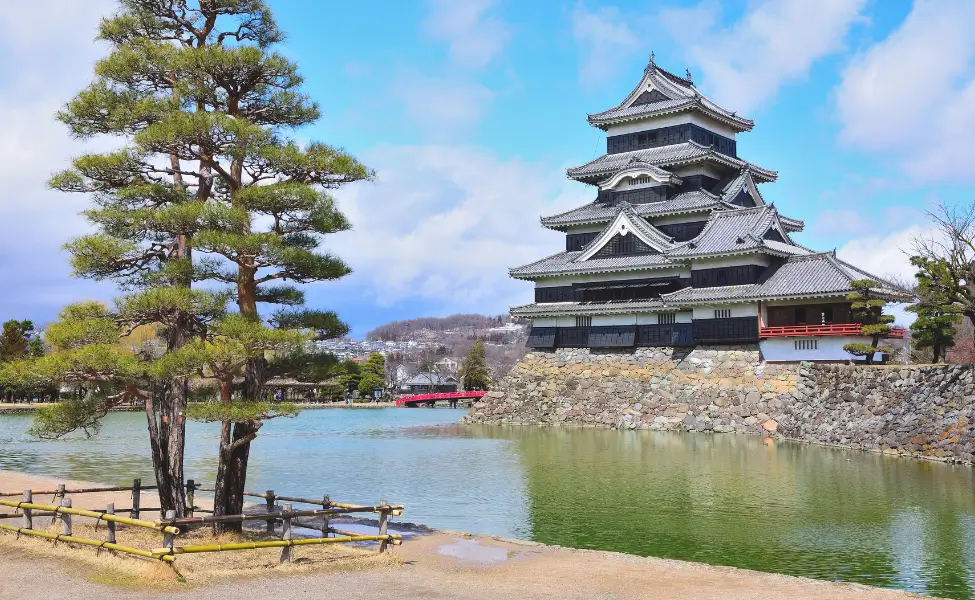
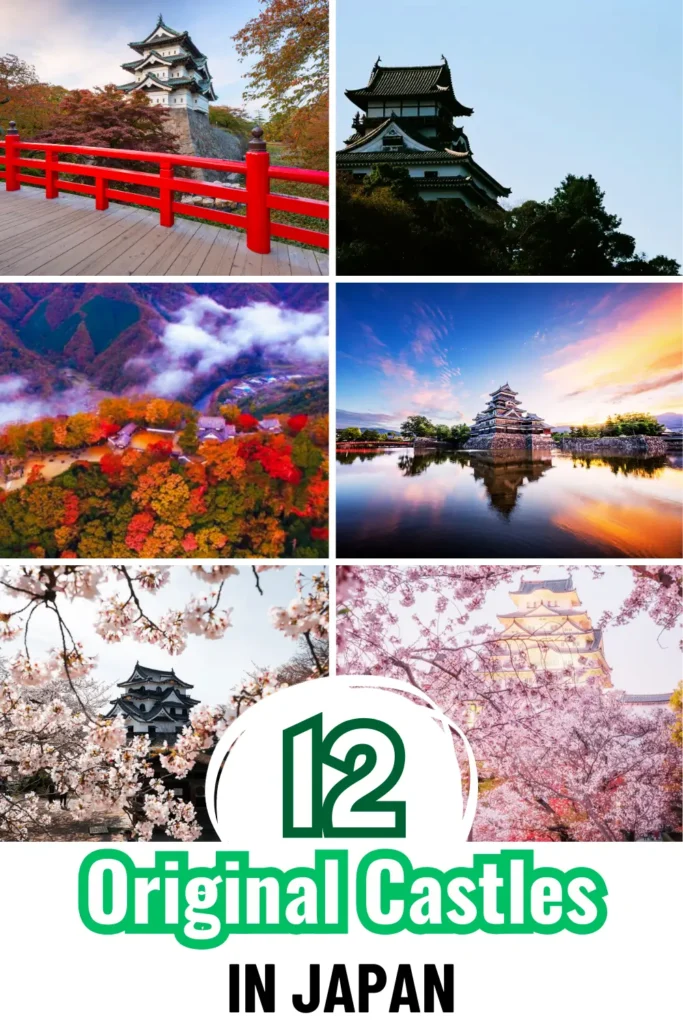
Most Japanese castles you see today are modern rebuilds, but only twelve still keep their authentic main towers.
These rare survivors carry the scars of battles, the weight of centuries, and the craftsmanship of the samurai era.
Walking through them is not just sightseeing.
It’s stepping into the living past.
From towering Himeji to the misty charm of Maruoka, each castle reveals a story that no replica can match.
What Makes Japan’s Twelve Original Castles Unique
These castles stand out because they’re the real deal, not modern rebuilds.
They show how architecture, politics, and daily life all mixed together in old Japan.
The government officially protects them as irreplaceable pieces of the country’s past.
Definition and Criteria of Original Castles
In Japan, an “original castle” means one with a tenshukaku (main keep) that’s survived since before the Meiji Restoration in 1868.
These keeps are real wooden structures.
Unlike the concrete replicas from the 20th century, they have stood the test of time for centuries.
Japan used to have hundreds of castles.
Most were torn down, burned, or lost to earthquakes and war.
Only twelve still have their original keeps, making them rare survivors of true samurai-era design.
You’ll notice regional differences, too. Himeji Castle has white plaster walls for defense and fire safety.

Maruoka Castle stands on thick stone bases designed for local conditions.
Visiting them lets you see how building styles changed across the country.
Historical Significance and Survival
The fate of these castles is tightly woven into Japan’s history.
After the shogunate ended in the Meiji era, many castles were pulled down because they symbolized the old order.
Others vanished during World War II or in disasters.
The twelve originals survived thanks to luck, their locations, or local efforts.
Matsumoto Castle escaped demolition by being used for government offices.

Hirosaki Castle burned in a lightning fire but kept its original main keep during repairs.
As you walk through these places, you climb the steep stairs once used by samurai.
You also peer through narrow windows made for archers.
The defensive details are everywhere.
Designation as National Treasures and Historic Sites
Japan marks its most valuable cultural sites with official titles.
Out of the twelve, five are National Treasures:
- Himeji
- Matsumoto
- Inuyama
- Hikone
- and Matsue.
That’s a big deal in terms of history and architecture.
The rest are labeled Important Cultural Properties or National Historic Sites.
These titles come with funding and legal protection, which is essential for old wooden buildings that always seem to need repairs.
As a visitor, these designations tell you you’re seeing something truly special.
Overview of the Twelve Surviving Castles
Japan’s twelve original castles are scattered across the country, and each one reflects its region’s history and needs.
Some perch on mountains, others by rivers or the sea.
All of them show how local priorities shaped their design and survival.
Geographical Distribution Across Japan
You’ll quickly see these castles aren’t all in one place.
Hirosaki Castle sits way up in Aomori Prefecture in the north, while Kochi Castle stands on Shikoku Island in Kochi Prefecture.
In central Japan, Matsumoto Castle is surrounded by the Japanese Alps in Nagano Prefecture.
Inuyama Castle overlooks the Kiso River near Nagoya.
Heading west, Hikone Castle is close to Lake Biwa in Shiga Prefecture, and Himeji Castle in Hyogo Prefecture draws huge crowds.

On Shikoku, you’ll find Matsuyama Castle and Uwajima Castle in Ehime Prefecture, plus Marugame Castle in Kagawa Prefecture.
Matsue Castle is in Shimane Prefecture.
Bitchu Matsuyama Castle is in Okayama Prefecture.
Both castles are in western Honshu.
Maruoka Castle in Fukui Prefecture is known for its hilltop view near Mt. Katsuyama.
This spread shows how each region valued defense, trade, and control of travel routes.
Architectural Styles and Features
Each castle has its own vibe, shaped by its setting.
Matsumoto Castle, nicknamed the “Crow Castle” for its black walls, sits on flat land surrounded by moats.
Bitchu Matsuyama Castle stands as Japan’s highest surviving mountain castle, giving it a strong defensive edge.

Himeji Castle is famous for its white plaster and maze-like layout.
Inuyama Castle is one of the oldest, and its wooden interiors show off the original building techniques.
Marugame Castle has a tiny keep but sits on towering stone walls that make it look much bigger than it is.
Some, like Matsue Castle and Hikone Castle, mix elegance and practicality with watchtowers and deep moats.
Others, like Uwajima Castle, are more compact but still show off original Edo-period woodwork.
You can really see how these castles balanced beauty with defensive needs.
Role in Regional History
These castles weren’t just military posts.
They shaped their towns and regions.
Himeji Castle became a symbol of power in western Japan.
Hikone Castle helped the Ii clan control key routes near Lake Biwa.
Inuyama Castle guarded the vital Kiso River crossing.

In Shikoku, Matsuyama Castle and Kochi Castle became local government centers and helped their areas thrive.
Uwajima Castle helped the Date family stay in power.
Marugame Castle kept an eye on transport routes in Kagawa Prefecture.
Hirosaki Castle played a key role in northern Honshu, especially under the Tsugaru clan.
Matsue Castle controlled the Shimane Prefecture region, and Maruoka Castle stood as a defensive outpost near Mt. Katsuyama.
When you visit, you can still feel how these castles shaped their communities.
Highlights of Notable Original Castles
The twelve original castles aren’t all alike.
Some are famous for their beauty, others for their strength or wild locations.
Each one gives you a different taste of Japan’s history and culture.
Himeji Castle: The White Heron Castle
Himeji Castle, often called the White Heron Castle, might be Japan’s most recognizable fortress.
Its white plaster walls really do look like a bird about to take flight.
You can explore a maze of gates, courtyards, and winding corridors meant to confuse intruders.
The main keep towers six stories above the city, offering sweeping views of the area.

Himeji survived wars and disasters almost untouched.
It stands as one of the most complete examples of Japanese castle design.
If you want a blend of elegance and military might, this is the one.
Matsumoto Castle: The Crow Castle
Matsumoto Castle, known as the Crow Castle, stands out with its dramatic black walls.
Against the snowy Alps, it’s a striking sight.

The keep goes back to the late 1500s and still has its original wooden interiors.
Inside, you’ll climb steep stairs and see displays of old armor and weapons.
Unlike Himeji, Matsumoto is built on flat land, not a hill.
The builders surrounded it with moats and walls for defense.
You really get a sense of what it took to defend a castle out in the open.
Maruoka Castle: The Mist Castle
Maruoka Castle in Fukui Prefecture is often called the Mist Castle because local legend says fog would hide it during attacks.
Its main keep, built in 1576, is the oldest still standing in Japan.

You’ll notice its simple stone base and smaller size compared to giants like Himeji.
Inside, the wooden stairs are steep, but the view from the top is worth it.
The castle suffered earthquake damage and has been repaired, but the central keep is still original.
Maruoka is less crowded, so it’s a great pick if you want a calmer experience.
Bitchu Matsuyama Castle: Castle in the Sky
Bitchu Matsuyama Castle gets the nickname Castle in the Sky thanks to its mountain perch in Okayama Prefecture.
At over 400 meters above sea level, it’s the highest original castle keep in Japan.
On misty mornings, the castle really does look like it’s floating above the clouds.
Getting there means a decent hike up a steep path, but that just adds to the adventure.
The keep and stone walls are smaller than Himeji’s or Matsumoto’s, but the setting is unforgettable.
From the top, you can see across the valleys and sometimes even spot Okayama Castle in the distance.
Visiting and Experiencing the Original Castles Today
Visiting Japan’s twelve original castles is more than a history lesson.

Each one offers seasonal beauty, local traditions, and plenty of ways to make your trip memorable.
Seasonal Attractions and Cherry Blossoms
Many castles sit in big parks, making them prime spots for cherry blossom viewing.
Hirosaki Castle in Aomori is especially famous, with thousands of cherry trees blooming in late April.

You can stroll along the moats under a canopy of pink petals or take a boat out for a different view.
In spring, Himeji Castle draws huge crowds when the cherry blossoms explode into color.
The contrast between the white walls and pink flowers is one of Japan’s most iconic sights.
Other castles, like Matsumoto and Matsue, do evening light-ups during peak bloom.
The castles and flowers look magical at night.
If you visit in autumn, you’ll find brilliant fall colors in the same parks, and it’s usually quieter.
Cultural Events and Local Traditions
You might catch a local festival if you time your visit right.
At Uwajima Castle, summer brings traditional dances and fireworks.
These events really bring the community together and let you see the castle as part of everyday life.
At Matsue Castle, you’ll sometimes find samurai re-enactments or tea ceremonies.

Local folk music and martial arts demos are pretty common, too, making the castle’s history feel alive.
Some castles, like Kochi Castle, host markets with regional foods and crafts.
These activities make your visit feel less like a museum and more like stepping into a lively town square.
Many of these castles are designated as a National Historic Site, which just adds to their cultural weight.
Travel Tips and Accessibility
Planning ahead really helps when you’re visiting.
Many castles sit close to train stations or bus routes.
Some, like Maruoka Castle, need a short taxi ride from the nearest stop.
It’s a good idea to check local transport schedules before you go.
Opening hours usually start in the morning and end by late afternoon.
Most castles ask for a small entry fee.
Some places offer combo tickets that include museums or gardens nearby.
That can save a few yen if you’re interested in more than just the castle.
If you want to dodge big crowds, try going early or on a weekday.
During cherry blossom season, lines get long at spots like Himeji and Matsumoto.
Wear comfortable shoes, since you’ll probably be climbing some steep, creaky stairs inside.
Most castles have English signs or pamphlets.
The bigger sites sometimes have guided tours, which can make the history feel more alive.
