

Japan is introducing a new Electronic Travel Authorisation (ETA) system by 2028 that will change how visa-exempt travellers enter the country.
The system will let you sort entry requirements online before flying.
This will mean no piles of forms, fewer surprises at immigration, and a faster start to your trip.
While still in development, here’s what you need to know about eligibility, the application process, and what changes to expect when the system launches.
Overview of Japan’s ETA System
Japan’s rolling out a new electronic travel system for short-term visitors.
The idea is to make entry smoother, speed up immigration, and give a clear process to those from visa-exempt countries.

What Is the Electronic Travel Authorisation?
The Electronic Travel Authorisation (ETA) is a digital form you fill out online before heading to Japan.
It’s mainly for people from countries with visa-free access.
Places like much of Europe, North America and Australia.
Instead of a traditional visa, you fill out an online form.
The Immigration Services Agency of Japan checks your info before you travel.
Authorities pre-screen travellers and confirm eligibility in advance.
Once you’re approved, your ETA links electronically to your passport.
The government will make this system mandatory by 2028.
It’s called the Japan Electronic System for Travel Authorization (JESTA).
For now, they’re rolling it out step by step.
Key Features and Objectives
Japan’s ETA system has a few main goals.
- Faster entry: Your info’s cleared ahead of time, so you don’t wait in long lines.
- Stronger security: Officials can spot risks before you land.
- Tourism support: Japan wants more visitors, but without chaos at the border.
The ETA isn’t a visa. It’s a pre-travel check, so you’ll still need to meet entry rules like proof of return travel or enough money for your stay.
Japan hopes to welcome 60 million visitors a year by 2030.
Streamlining the process helps both travellers and border officers.
Comparison with Other ETA Systems
Japan’s ETA looks a lot like systems in other countries.
The US has ESTA, and Australia and Canada have their own versions.
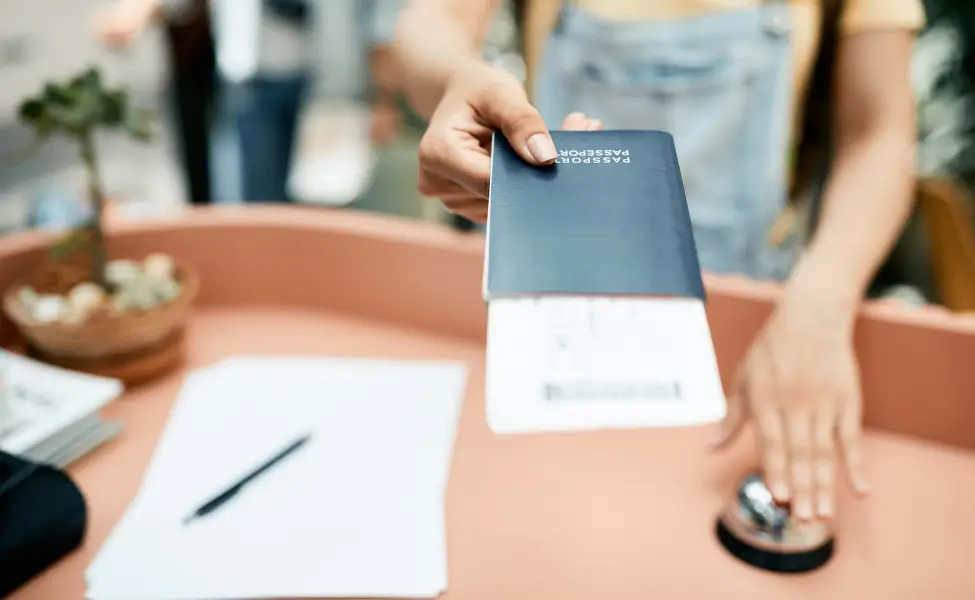
You’ll apply online, pay a small fee, and get approval before your flight.
The approval links to your passport, so you won’t need to print anything.
One difference is timing.
The US ESTA has been around for years, but Japan’s JESTA won’t be fully mandatory until 2028.
Until then, expect a gradual rollout, especially during busy travel seasons.
If you’ve used ETA systems elsewhere, you’ll find this familiar. It makes planning a bit less mysterious.
Eligibility and Requirements
Japan’s ETA mainly targets short-term visitors from visa-exempt countries.
Check if your nationality qualifies and gather your travel documents before applying.
The process is simple, but knowing who needs it and what info you’ll need helps you avoid headaches.
Who Needs Japan’s ETA?
If you’re from a visa-exempt country, you’ll probably need to apply for an ETA before your trip.
It’s for tourists, business visitors, and anyone on a short stay.
The ETA doesn’t replace a visa if you already need one.
If your country isn’t on the visa-exempt list, you still have to go through the embassy.
You’ll also need an ETA if you’re staying up to 90 days without working.
Longer stays, studies, or jobs need different visas.
Every traveller, kids included, has to apply separately.
List of Visa-Exempt Countries
Japan currently allows visa-free entry for travellers from 71 countries and regions.
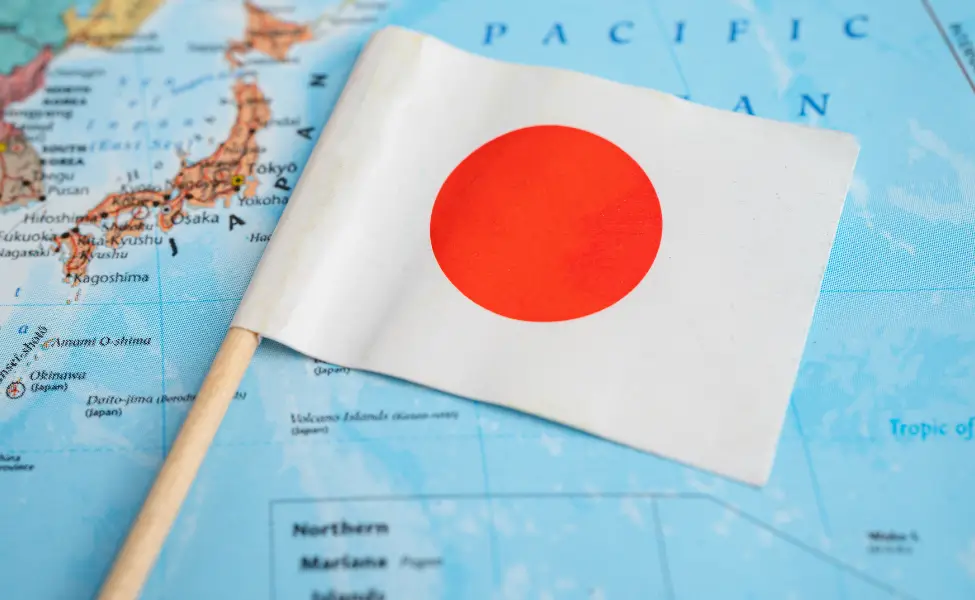
That covers most of Europe, North America, Australia, New Zealand, and some Asian countries.
Examples include:
- Europe: United Kingdom, Germany, France, Italy, Spain
- North America: United States, Canada
- Oceania: Australia, New Zealand
- Asia: South Korea, Singapore, Hong Kong SAR
- Latin America: Argentina, Chile
If you have a passport from one of these places, you can stay up to 90 days visa-free, but you’ll need to complete the ETA process.
Japan sometimes updates the list, so double-check before you apply.
Information and Documents Needed
You’ll fill out the ETA application online.
No embassy visits required.
You should have:
- A valid passport (good for at least 3 months after your stay)
- Flight details (arrival and departure)
- Accommodation address in Japan (hotel or host)
- Contact info (email and phone)
Some forms might ask about your travel history or security questions.
Answer honestly as mistakes or false info can slow things down or block your entry.
Having everything handy makes the application process quicker and helps you avoid errors.
Application Process and Timeline
Once launched, you’ll apply online, pay a small fee, and wait for approval.
Step-by-Step Application Guide
Head to the official Immigration Services Agency of Japan website to apply for the ETA (or JESTA).
It’s all digital, so no need to visit an embassy.
Start with your personal details: full name, date of birth, passport info.
Add your travel dates, flight details, and where you’ll stay in Japan.
Upload any required documents.
Your passport must be valid for at least three months.
In some cases, you might need to show proof of onward travel or funds.
Once you submit the form, the system reviews your info.
Most people get approved in a few days.
You’ll get an email confirmation, so keep it handy, either printed or digital, when you travel.
Fees and Validity Period
There’s a processing fee for the ETA, but the exact amount isn’t set yet.
Expect it to be similar to fees in the US or UK.
You’ll pay online by credit or debit card.
Japan’s ETA system isn’t just for one trip.
It usually covers multiple short visits (up to 90 days each) over two or three years.
If your passport expires before your ETA, you’ll need to reapply.
Always check your passport’s expiry before you start the application.
Implementation Timeline
Japan aims to launch the ETA system in 2028.
The rollout will include visitors from about 71 visa-exempt places.
Airlines will check your ETA before you board.
No approval?
You might not be allowed on the plane.
The government wants things to run smoothly before big tourism events and the expected surge in visitors.
Applying early is your best bet to avoid issues.
Travelling to Japan with an ETA
In the future, when you travel to Japan with the new ETA, you’ll notice a few changes in how you prep, enter the country, and handle your info.

Arrival Procedures and Entry Process
With an ETA, you’ll handle most entry steps online before you leave home.
You’ll submit passport info and travel plans through the system.
Once approved, the ETA will link to your passport electronically.
At Japanese airports, immigration officers will scan your passport, and your ETA will pop up in their system.
This will hopefully mean less time at the counter.
For short visits, like tourism or business, you’ll skip extra paperwork on arrival.
Still, it will be smart to have a copy of your approval (digital or printed) in case of tech hiccups, but the process is meant to be paperless.
Benefits for Travellers
Japan’s ETA system will come with some real perks.
You can apply anytime, anywhere, without trekking to an embassy.
Most approvals come through in just a few days.
Applying before you leave means you’re less likely to hit snags at the border.
Japan can handle big travel crowds more easily, so you get in faster.
Here’s what stands out:
- Faster border checks thanks to pre-screened info
- Online application from your sofa
- No embassy visits for most short trips
- Better planning since you’ll know you’re approved before you go
If you’re traveling during cherry blossom season or a big event, this will really help.

Airports get packed, and anything that saves time is a win.
Privacy and Security Considerations
When you apply for an ETA, you share personal details like your name, passport info, and travel plans.
Japan uses this data to check if you’re eligible and to keep borders secure.
They store your information carefully and check it against watchlists.
This helps stop illegal entry or overstays.
Always use the official government website or an authorised platform when you apply.
Third-party sites might charge extra or misuse your data, which is honestly a risk not worth taking.
To keep your privacy intact:
- Stick to official channels when you apply.
- Keep your confirmation number private.
- Don’t share sensitive details on sites you don’t trust.
