
The 8 Regions of Japan give you the easiest way to understand the country’s cultural and geographic variety.
From Hokkaido’s snow-covered landscapes to Okinawa’s subtropical islands, each region feels distinct in food, history, and daily life.
Travelling across them shows how Japan is more than one story.
It’s a patchwork of traditions, climates, and communities that shape the nation as a whole.
Overview of the 8 Regions of Japan
Japan is divided into eight regions that group together the country’s 47 prefectures.
Each region has its own geography, culture, and history that shape how people live and identify with their area.
From snowy mountains to subtropical islands, these regions show you the full range of Japan’s diversity.
Plan your Japan travel with our insider guides.
- Explore Hokkaido with Our Travel Guide
- Uncover Tohoku’s Hidden Gems in the Travel Guide
- Plan Your Kanto Adventure with This Guide
- Discover Chubu: Castles, Alps and More
- Your Essential Kansai Travel Guide
- Step Into History with the Chugoku Travel Guide
- Follow the Pilgrimage in Our Shikoku Guide
- Kyushu & Okinawa Travel Guide: Volcanoes, Hot Springs and Beaches
What Defines a Region in Japan
Regions in Japan aren’t official government units.
They’re informal groupings of prefectures.
For example, Kanto includes Tokyo, Kanagawa, and five other prefectures.

Kansai covers Osaka, Kyoto, and surrounding areas.
These groupings help organise the country by geography, climate, and culture.
Locals often feel more connected to their region than to the nation as a whole.
Dialects, food traditions, and festivals are tied closely to regional identity.
Each region also reflects history.
Kansai has long been seen as Japan’s cultural heart, while Tokyo and the wider Kanto area represent modern political and economic power.
Regions give you a practical way to understand how Japan’s 47 prefectures fit together.
Geographic Distribution from North to South
Japan stretches about 2,800 km from north to south, and the regions follow this layout.
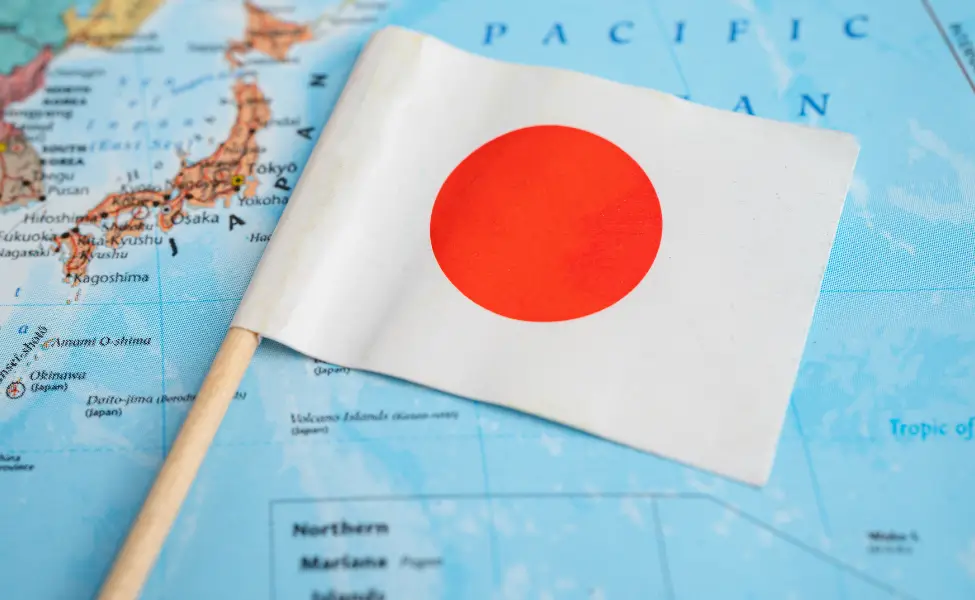
At the top, Hokkaido is the northern island with cold winters and wide open landscapes.
On the main island of Honshu, you find Tohoku in the north, Kanto in the east, Chubu in the centre, Kansai in the west, and Chugoku further down.
Each area has its own climate.
South of Honshu, Shikoku is the smallest of the four main islands.
Kyushu lies further southwest, known for its volcanoes and hot springs.
Finally, Okinawa is a chain of subtropical islands far to the south, closer to Taiwan than Tokyo.
Historical and Cultural Significance
Regions also reflect Japan’s long history.
Kansai, with cities like Kyoto and Nara, was the centre of politics and culture for over a thousand years.
You can still see this in its temples, shrines, and traditional arts.

Kanto, led by Tokyo, became dominant in the modern era and is now the country’s political and economic hub.
The rivalry between Kansai and Kanto still shapes culture and identity today.
Other regions have their own roles.
Tohoku is known for resilience and rural traditions.
Kyushu stands out for early contact with foreign trade.
Okinawa keeps its distinct Ryukyu heritage alive.

These differences give each region a unique character that you notice when you travel across Japan.
Hokkaido: Nature, Winter Sports and Ainu Heritage
Hokkaido is located in northern Japan.
It has vast landscapes, a cooler climate, and a culture influenced by Japanese and indigenous traditions.

You’ll find modern cities, historic influences, and some of the country’s best natural scenery in every season.
Geography and Climate
Hokkaido is Japan’s second largest island and lies north of Honshu, separated by the Tsugaru Strait.
It faces the Pacific Ocean to the east, the Sea of Japan to the west, and the Sea of Okhotsk to the north.
This location gives the island a distinct character compared to the rest of Japan.
The climate is cooler than in other regions.
Winters bring heavy snowfall, making skiing and snowboarding popular.
Summers stay mild and less humid, so Hokkaido is a refreshing escape from the hot summers of central Japan.

The land is shaped by mountains, volcanoes, and fertile plains.
You’ll see places like the Daisetsuzan mountain range, rolling farmland, and flower fields in Furano.
These features make the island stand out as both a farming hub and a natural playground.
Culture and the Ainu People
Hokkaido’s culture feels different from the rest of Japan because of the influence of the Ainu people, the island’s indigenous group.
The Ainu have a unique language, spiritual beliefs, and traditions.
You can discover these in cultural centers and museums across the island.

You can learn about their history through folk crafts, wood carvings, and traditional clothing.
Some villages and heritage parks feature Ainu music and dance performances.
These shows help you see their deep connection to nature.
The island also has a strong food culture.
Local dishes include fresh seafood like crab, scallops, and sea urchin, as well as regional ramen styles.
Dairy farming is important here too, so you’ll find plenty of local milk, cheese, and ice cream.
Major Cities and Attractions
The largest city is Sapporo, known for its winter festival, lively food scene, and beer breweries.
It’s also a good base for exploring nearby ski resorts such as Niseko.
In the north, Wakkanai is Japan’s northernmost city, facing Russia across the sea.
You can also visit Rebun Island and Rishiri Island, which are famous for hiking and coastal views.

Other highlights include the hot spring towns of Noboribetsu and the lavender fields of Furano.
The national parks like Shiretoko, a UNESCO World Heritage Site, also stand out.

These spots give you a mix of outdoor adventure and cultural discovery all in one region.
Tohoku: Mountains, Hot Springs and Festivals
You’ll find Tohoku in the north of Honshu, far from the pace of Tokyo and Kyoto.
This area has rocky mountains, relaxing hot springs, charming towns, and lively seasonal festivals.
These elements offer a peek into local life.
Natural Beauty and Hot Springs
Tohoku is full of natural scenery that feels peaceful and open.
You can hike through mountain ranges like Shirakami Sanchi, home to ancient beech forests.
Or visit Towada Lake, a caldera lake that looks especially stunning in autumn.

Hot springs, or onsen, are everywhere in the region.
Ginzan Onsen is one of the most famous, with its old wooden inns and riverside baths.

If you prefer something more rustic, head to Hachimantai, where outdoor baths sit in the mountains.
The Naruko Gorge is another highlight, drawing visitors in autumn when the forest turns deep red and gold.
In winter, places like Zao Onsen combine skiing with hot spring bathing, giving you a mix of adventure and relaxation.
Key Cities and Destinations
The region’s largest city, Sendai, is often your entry point.
It has a mix of modern shopping areas, historic spots, and easy access to nearby attractions.
You can try local dishes like gyutan (grilled beef tongue), which the city is famous for.
Not far from Sendai, you’ll find Matsushima Bay, dotted with over 200 pine-covered islands.

It’s considered one of Japan’s most scenic views and is best explored by boat.
Smaller towns also stand out.
Kakunodate has a preserved samurai district with traditional houses.
Hirosaki is known for its castle and cherry blossoms.

Coastal areas like the Sanriku Coast show both rugged beauty and the region’s recovery after the 2011 tsunami.
For skiing, Appi Kogen offers some of the best slopes in northern Japan.
If you’re into folklore, Tono is worth a visit for its legends and rural charm.
Seasonal Festivals and Traditions
Tohoku has some of Japan’s most lively festivals.
In Sendai, the Tanabata Festival fills the city with colourful streamers each August.
In Aomori, the Nebuta Matsuri features giant illuminated floats paraded through the streets.

Winter brings the Kamakura Festival in Yokote, where you walk among snow huts lit with candles.
In Akita, the Kanto Festival shows off performers balancing tall bamboo poles with lanterns attached.
Spring and autumn also have their highlights.
Hirosaki Castle is one of the country’s best cherry blossom spots, while Kitakami draws crowds for its riverside blooms.
In autumn, the mountain forests around Bandai and Naruko turn into natural displays of red, yellow, and orange.

Kanto: Tokyo, Historic Towns and Modern Energy
The Kanto region sits on the eastern side of Honshu and is the most populated part of Japan.
It is home to Tokyo Metropolis, a hub of politics, business, and culture.

You’ll also find historic towns, temples, and coastal views.
There’s a mix of modern skyscrapers, traditional shrines, and nearby natural escapes.
Kanto Region: Urban Centres and Heritage
You’ll notice that Kanto is dominated by Tokyo, with its vast urban sprawl that stretches into Yokohama, Kawasaki, and Saitama.

Together, these cities form Greater Tokyo, one of the largest metropolitan areas in the world.
The area is dense, fast-paced, and central to Japan’s economy.
Despite its modern face, Kanto also holds deep cultural heritage.
Kamakura, south of Tokyo, was once a political capital and today is known for its temples and the Great Buddha.
Nikko, to the north, has beautiful shrines nestled in forested mountains.

They highlight Japan’s rich religious and architectural traditions.
What makes the region unique is this balance between urban growth and preserved history.
You can move from neon-lit districts to centuries-old temples within a short train ride.
It’s a region where you experience both Japan’s future and its past in one trip.
Famous Cities and Landmarks
Tokyo stands out with landmarks like the Tokyo Skytree, Shibuya Crossing, and Asakusa’s Senso-ji Temple.

Each spot gives you a different view of the city, from cutting-edge design to historic charm.
Yokohama, Japan’s second largest city, is famous for its Chinatown, Minato Mirai waterfront, and Sankeien Garden.
Kawasaki and Saitama also add to the metropolitan feel, offering shopping, museums, and sports venues.
For day trips, Kamakura and Nikko are popular choices.

Kamakura offers a calm escape with its coast and temples.
In contrast, Nikko features UNESCO shrines nestled among waterfalls and mountains.
These places give you a chance to step outside the city without leaving the Kanto region.
Chubu: Japanese Alps, Mount Fuji and Castles
You find Chubu right in the middle of Honshu, between the busy Kanto region with Tokyo and the historic Kansai area.
It’s a place where tall mountains meet modern cities.
Here, old traditions sit alongside industry and innovation.
Chubu Region: Mountains and Rural Charms
If you’re into nature, Chubu gives you plenty of reasons to get out and explore.

The Japan Alps run through Nagano, Gifu, and Toyama, with some of the country’s best hiking, skiing, and mountain scenery.
Kamikochi in Nagano is a favorite for its clear rivers and well-kept trails.
It feels like a hidden spot, even though it’s pretty popular.

When winter hits, Nagano and Niigata get heavy snow.
This is great news if you love skiing.
Resorts like Hakuba still draw crowds, just like they did during the 1998 Winter Olympics.
Once summer rolls in, those same mountains turn lush and green.
People come for hiking, cycling, or just soaking in a hot spring after a long day outside.
Agriculture is a big deal here too.
Yamanashi grows peaches and grapes, and Niigata is famous for its Koshihikari rice.
Shizuoka has tea plantations right at the base of Mount Fuji.
The views there are something else.

Villages like Shirakawa-go and Gokayama, found in Gifu and Toyama, boast traditional thatched-roof houses.
These spots really slow things down compared to the buzz of Tokyo or Yokohama.
Famous Cities and Landmarks
The biggest city in Chubu is Nagoya, sitting in Aichi Prefecture.
It’s an industrial center and Toyota’s home base.
But it’s also got history, with Nagoya Castle and Atsuta Shrine.

Nagoya feels less packed than Tokyo, but you still get a modern city vibe.
It’s a good balance if you ask me.
Other cities have their own character.
Kanazawa in Ishikawa is famous for Kenroku-en Garden and old samurai neighborhoods.
Matsumoto in Nagano has one of Japan’s most striking original castles.

Fukui offers Maruoka Castle and Eihei-ji Temple, both worth a look if you’re nearby.
Landmarks really shape this region.
Mount Fuji sits between Yamanashi and Shizuoka and is about as iconic as it gets.
The Tateyama Kurobe Alpine Route in Toyama lets you walk between massive snow walls in spring.

Niigata’s Sado Island has a gold mining history and a connection to Noh theatre.
Chubu actually connects two coasts.
You can travel from the Pacific side in Shizuoka to the Sea of Japan in Niigata or Ishikawa.
This blend of mountains and seaside towns gives Chubu a different feel than places like Kamakura or Nikko up in Kanto.
Kansai: Kyoto, Osaka and Japan’s Cultural Core
The Kansai region, sometimes called Kinki, sits in southern-central Honshu.

It’s packed with some of Japan’s best-known cities, ancient capitals, and cultural sites, plus lively modern areas and food you really shouldn’t skip.
Kansai: Ancient Capitals and Modern Cities
Kansai has been Japan’s political and cultural core for centuries.
Kyoto and Nara both served as capitals, and you see that legacy in their temples, shrines, and old neighborhoods.

Kyoto’s wooden townhouses and Nara’s massive Buddha hall are reminders of how central this area once was.
It’s hard not to feel the weight of history here.
These days, Osaka is the biggest city around.
It’s all about business, shopping, and food, with a pace that’s nothing like Kyoto or Nara.
Kobe brings something different.

Famous beef, sure, but also a history as a port city and plenty of sake breweries.
Put these cities together and you get a real mix of old and new.
One day you’re wandering ancient temples, the next you’re lost in neon lights and bustling markets.
| City | Known For |
|---|---|
| Kyoto | Temples, shrines, tea ceremonies |
| Nara | Todai-ji, friendly deer, early capital |
| Osaka | Street food, Osaka Castle, nightlife |
| Kobe | Kobe beef, sake breweries, port history |
Kansai: Major Attractions
Kansai has some of Japan’s most famous sights.
In Kyoto, you’ve got the Golden Pavilion (Kinkaku-ji) and Fushimi Inari Shrine, with its endless red gates.

Nara Park is packed with friendly deer and home to the massive wooden Todai-ji temple.
It’s a must-see, honestly.

Osaka draws visitors to Osaka Castle and the lively Dotonbori district, which is just as much about food as it is about history.
The city’s aquarium is huge, too.
Kobe is the place to try real Kobe beef and visit sake breweries, especially in the Nada district.
If you’re up for more travel, Kansai connects easily to other regions.
It’s a handy base if you want to see more of western Japan.
Chugoku: Hiroshima, History and Coastal Beauty
Chugoku sits at the far western end of Honshu, acting as a bridge between Kansai and the islands of Shikoku and Kyushu.

The region mixes big cities like Hiroshima with quiet small towns, and its coastline faces both the Seto Inland Sea and the Sea of Japan.
Chugoku Cities and Towns
There’s a real range of places here, from major industrial cities to old historic towns.
Hiroshima is the biggest, known for its Peace Memorial and strong industries.

Okayama stands out for Korakuen Garden and its proximity to Kurashiki, a city with a beautiful canal district.
Mid-sized cities add their own flavor.
Fukuyama has a rebuilt castle, and Shimonoseki is famous for fresh seafood and busy fish markets.
Matsue in Shimane offers a castle and peaceful lake views.

Tottori is smaller but draws people to its sand dunes, which are honestly kind of surreal.
Here’s a quick look at some of the main urban areas:
| City | Approx. Population | Notable Feature |
|---|---|---|
| Hiroshima | 1.2 million | Peace Memorial, industry |
| Okayama | 720,000 | Korakuen Garden, transport hub |
| Kurashiki | 480,000 | Historic canal district |
| Shimonoseki | 260,000 | Fish markets, Kanmon Strait |
| Matsue | 210,000 | Castle, Lake Shinji |
Most towns here are much quieter than Osaka or Kyoto, so life moves at a different pace.
Sometimes that’s exactly what you want.
Chugoku: History and Coastal Beauty
The name Chugoku means “middle country,” a nod to Japan’s old provincial system.
It used to cover areas between Kansai and Kyushu.
Now, it also includes Hiroshima, Okayama, Shimane, Tottori, and Yamaguchi.
People often split the region in two.
San’in hugs the Sea of Japan, staying rural and snowy in winter, with a focus on farming.

San’yo runs along the Seto Inland Sea and is more urban, with shipbuilding and steel as main industries.
Hiroshima’s story is at the center of it all.
After the atomic bombing in 1945, the city rebuilt itself but kept memorials that remind everyone of its past.
Meanwhile, towns like Hagi and Tsuwano keep their samurai-era streets and layouts.
If you’re into history, it’s easy to get lost in these places.
Head south and you’ll find ferries crossing to Shikoku, reaching cities like Matsuyama.
Chugoku works well as a stop if you’re traveling between Kansai and western Japan.
The coastline here varies a lot, from Shimane’s dramatic cliffs to the calm, sheltered harbors along the inland sea.
Shikoku: Pilgrimage, Temples and Island Life
Shikoku is Japan’s smallest main island, but it has a character all its own.

The place is shaped by Buddhist temples, old towns, and a deep connection to both sea and mountains.
Life here moves at a slower pace, and traditions stick around.
Maybe because Shikoku is a bit out of the way.
Shikoku: Pilgrimage and Island Life
The 88-temple pilgrimage is one of Shikoku’s most important cultural experiences.
The route circles the whole island and links temples tied to the monk Kūkai (or Kōbō Daishi).
Some people walk the full 1,200 km, while others just pick a few temples and travel by bus or car.
Either way, you’ll spot pilgrims in white with conical hats and walking sticks, all on their own journeys.
The island’s geography shapes daily life.
With mountains in the middle and coastlines on both the Pacific and the Seto Inland Sea, fishing and farming still matter a lot.
The rhythm here stays slower than in big cities like Osaka or Kyoto.
It’s a bit of a relief, honestly.
Food matches the pace.
Sanuki udon in Kagawa is everywhere.

Firm noodles, simple broth, nothing fancy but always satisfying.
Sharing a bowl at a local spot feels like a proper Shikoku experience.
Shikoku: Major Attractions, Towns and Cities
The island is split into four prefectures: Kagawa, Tokushima, Ehime, and Kōchi. Each has something special.
In Matsuyama (Ehime), you can check out Matsuyama Castle and Dōgo Onsen, which claims to be one of Japan’s oldest hot springs.

Tokushima hosts the Awa Odori dance festival every August, filling the city with color and music.
Indigo dyeing is another tradition you can still try for yourself.
Kōchi mixes coastal views with lively markets.
Hirome Market in Kōchi City is perfect for sampling local food, like katsuo no tataki (seared bonito).
Kagawa has Takamatsu, a port city that connects Shikoku to Honshu and Chugoku.
Ritsurin Garden is here, with ponds, bridges, and tea houses that feel straight out of the Edo period.

For a quick reference, here are a few key spots:
| Prefecture | Highlights |
|---|---|
| Ehime | Matsuyama Castle, Dōgo Onsen |
| Tokushima | Awa Odori, indigo dyeing |
| Kōchi | Hirome Market, Pacific coastline |
| Kagawa | Ritsurin Garden, Takamatsu Port |
Each of these places gives you a taste of Shikoku’s tradition, history, and local life.
There’s a lot packed into this small island.
Kyushu and Okinawa: Volcanoes, Beaches and Unique Cuisine
The far south of Japan offers two totally different vibes.
Kyushu blends lively cities, hot springs, and volcanic landscapes.
Okinawa brings island traditions, shaped by its subtropical climate and a history all its own.
Both regions stand out for food, culture, and stories you won’t find anywhere else in Japan.
Kyushu: Cities and Natural Hotspots
Kyushu is Japan’s third-largest island with about 15 million people calling it home.
You’ll spot modern cities like Fukuoka, famous for shopping, nightlife, and food stalls called yatai.
If you’re into history, Nagasaki shows off Japan’s international roots. Old European-style churches and its past in global trade are easy to find here.
Nature stands out just as much.
Kumamoto draws visitors for its castle and the nearby Mount Aso, which is one of the world’s largest active volcanoes.
Hot spring towns like Beppu and Yufuin in Oita Prefecture let you soak in mineral baths surrounded by mountains.

The scenery feels both peaceful and wild at the same time.
Miyazaki gives you coastal views and solid surfing spots.
Kagoshima, by the Sakurajima volcano, has stunning views.
You can easily take ferries to nearby islands like Yakushima.

Okinawa: Island Culture and History
Okinawa sits way south of Kyushu, with a subtropical climate that’s a world apart from the mainland.
These islands belonged to the Ryukyu Kingdom, which traded with China and Southeast Asia and shaped Okinawa’s unique culture.
You can still catch glimpses of this past at Shuri Castle in Naha.

Traditional music, dance, and crafts keep the old ways alive.
Reminders of World War II are everywhere, from memorials to museums about the Battle of Okinawa.
The weight of that history is hard to ignore.
Life here just moves slower.
The beaches are a huge draw, with clear water for diving and snorkelling.
You’ll probably notice a tight-knit community vibe in the festivals and daily routines.
It’s a different pace from the mainland, and honestly, it’s kind of refreshing.

Unique Cuisine and Festivals
Food in Kyushu and Okinawa leans into local ingredients and what grows best there.
In Kyushu, you can try Hakata ramen in Fukuoka, pork dishes from Kagoshima, or super fresh seafood in Nagasaki.
Saga has its seaweed (nori), and Kumamoto is known for horse meat sashimi.
Okinawa’s food is lighter.

With lots of vegetables and tofu, Okinawan meals are often linked to why people here live so long.
Festivals light up both regions.
Kyushu throws the Hakata Gion Yamakasa in Fukuoka, while Okinawa bursts with Eisa dance and lively summer Obon traditions.
If you want to feel the local energy, these festivals are the way in.
Frequently Asked Questions
Japan splits its 47 prefectures into regions.
Each area has its own culture, climate, and feel, which helps you make sense of how the country is set up and why places can feel so different.
What’s the difference between regions and prefectures in Japan?
Prefectures are official, like counties or provinces.
There are 47 in total.
Regions are just informal groupings.
They don’t have any government role, but they help people talk about cultural or historical differences.
How are the regions of Japan grouped together?
There are 8 regions of Japan.
- Hokkaido
- Tohoku
- Kanto
- Chubu
- Kansai
- Chugoku
- Shikoku
- Kyushu & Okinawa
These groupings are based on geography and shared culture.
For example, Tohoku covers the north of the main island, and Kansai is where you’ll find Osaka, Kyoto, and Kobe.
Which region would you find Tokyo in, and what makes it unique?
Tokyo sits in the Kanto region, along with places like Yokohama, Chiba, and Saitama.
Kanto stands out for its sheer size and influence.
With over 40 million people, it’s the most crowded region in Japan and the centre for politics, business, and media.
How do the climates vary across different Japanese regions?
Hokkaido sits up north and gets these long, snowy winters.
Summers there stay pretty cool, which makes it a favorite spot for skiing and winter sports.
On the other hand, Okinawa way down south feels totally different.
The weather’s subtropical, so summers get hot and humid, while winters stay mild.
Places in the middle, like Kansai and Chubu, go through all four seasons.
Each season brings its own mix of heat, rain, and snow, so you never really know what to expect.
For more information, check out our comprehensive guides to each region.

