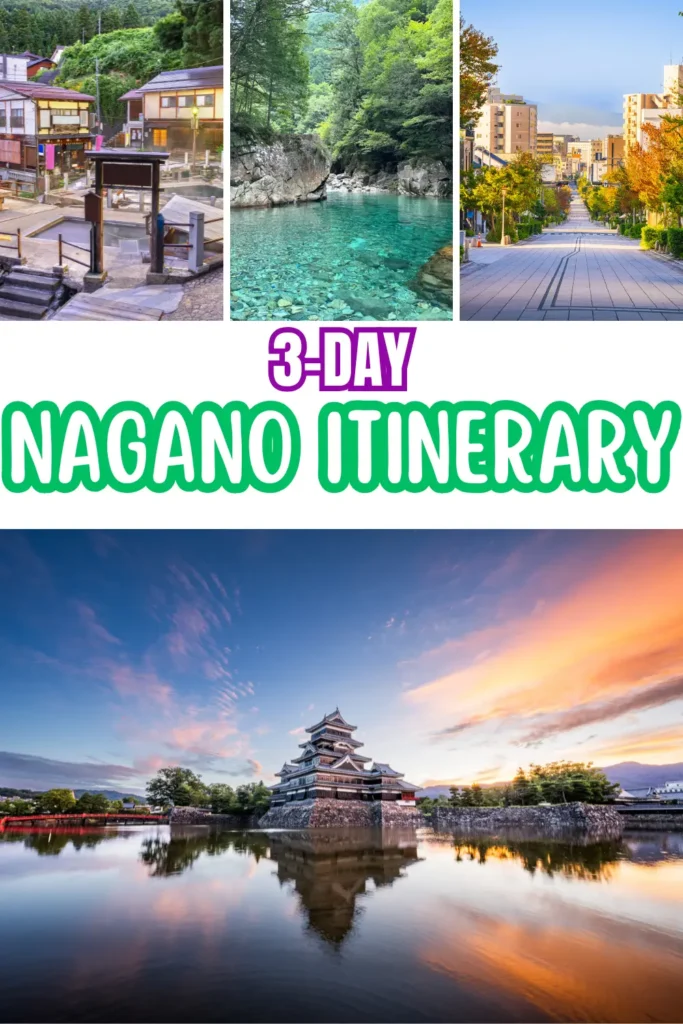
Nagano is where ancient temples meet mountain peaks and steaming hot springs.
In just three days you can watch snow monkeys soaking in warm pools, taste buckwheat noodles made fresh each morning, wander castle towns that feel frozen in time, and breathe crisp alpine air.
This itinerary is designed to guide you through the sights, flavours, and traditions that make Nagano unforgettable, giving you the highlights without the stress of planning.
Plan your Nagano itinerary with these amazing experiences.
Planning Your 3 Day Nagano Adventure
Nagano’s easy to reach from Tokyo.
There’s a good mix of historic temples, castles, and some of Japan’s most scenic mountains.
You’ll find modern cities, peaceful hot spring towns, and outdoor activities that shift with the seasons.
Plan your Nagano itinerary with these experiences:
How to Get to Nagano and Around
From Tokyo, hop on the Hokuriku Shinkansen and you’ll be in Nagano City in about 80 minutes.
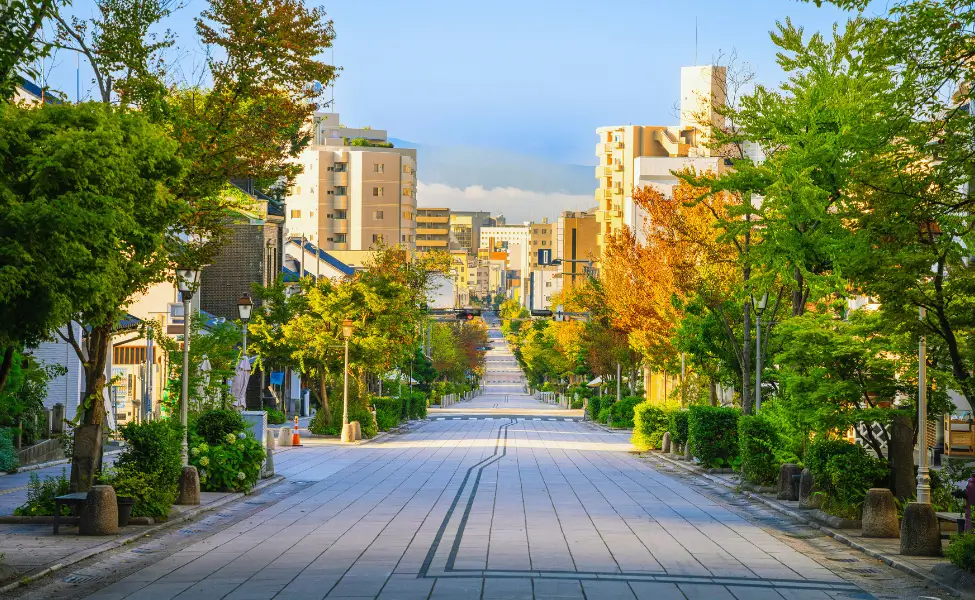
You can also stop at Karuizawa along the way if you like.
If you’re planning to travel around a bit, look into a JR Pass or the Hokuriku Arch Pass.
They can save you some yen if you’re making multiple trips.
Buses and local trains in Nagano City connect you to Zenkoji Temple, hot spring towns, and other nearby spots.
For places like the Jigokudani Monkey Park, you’ll need to pair a train or bus ride with a short walk.
Renting a car gives you the most flexibility for mountain areas or smaller towns.
Roads are well kept, but if you’re coming in winter, make sure you’ve got snow tires or chains.
Parking’s usually easy at the main attractions.
Best Time to Visit
Nagano Prefecture really does all four seasons.
Winter (December–March) is all about skiing and snowboarding at places like Hakuba.
It’s also when the snow monkeys love their hot springs.
Spring (April–May) brings cherry blossoms and mild weather.
This is especially true near Matsumoto Castle and the Japanese Alps’ foothills.
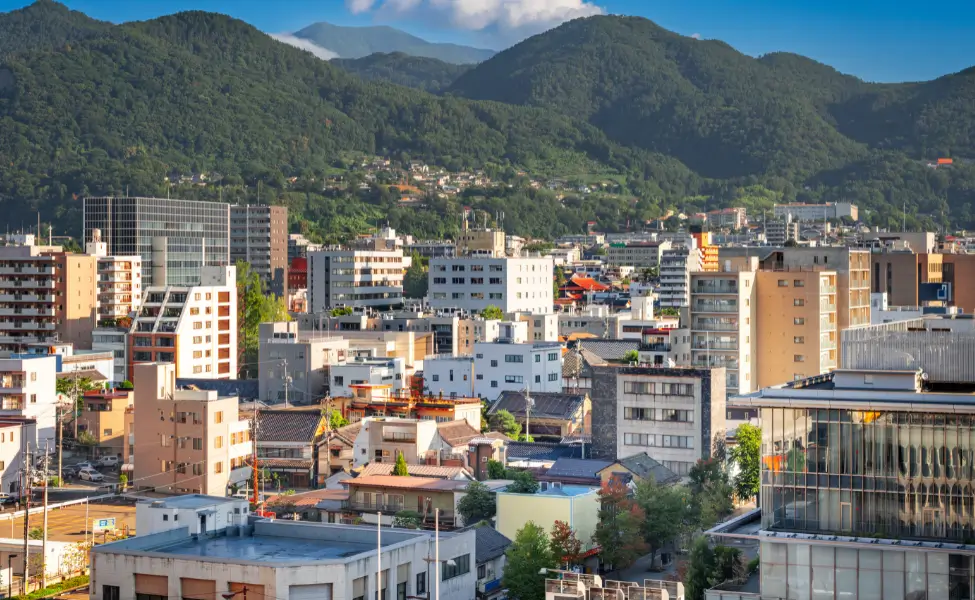
Summer (June–August) is cooler than Tokyo, so Karuizawa and the mountains get busy with hikers.
Autumn (September–November) is just beautiful.
The Japanese Alps turn red, yellow, and orange, and hiking trails like the Nakasendo are at their best.
Each season has its own draw, so it depends on your mood and interests.
Nagano Prefecture Overview
Nagano Prefecture sits right in central Honshu, surrounded by mountains.
The Northern Japanese Alps are here, making it a great spot for both winter sports and summer hiking.
Nagano City is known for Zenkoji Temple, a major Buddhist site.
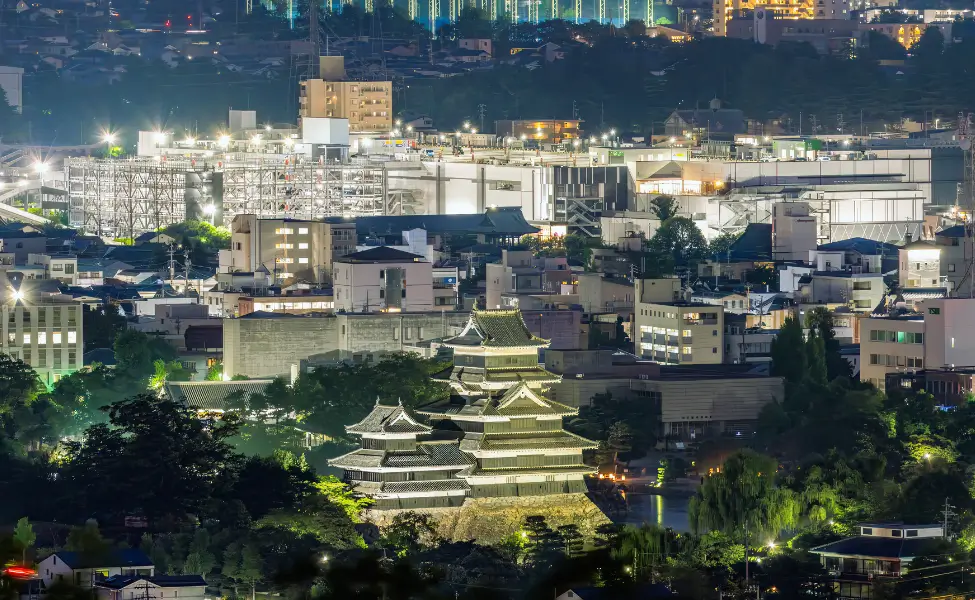
Down south, Matsumoto Castle stands tall as a national treasure.
To the east, Karuizawa mixes shopping, history, and nature.
Nagano’s full of onsen towns like Yudanaka and Shibu.
After a day outdoors, nothing beats a hot spring soak.
The balance of cultural sites, natural scenery, and traditional towns makes it a solid pick for a short getaway.
Now here’s my 3-day Nagano itinerary.
Day 1: Exploring Nagano City’s Heritage and Flavours
Spend your first day in Nagano City soaking up its deep cultural roots.
Try local foods made from buckwheat and seasonal produce, then relax in a traditional hot spring.
The city weaves together history, cuisine, and wellness in a way that’s easy to enjoy, even if you’re short on time.
Zenkoji Temple and Nakamise-dori Street
Start your morning at Zenkoji Temple.
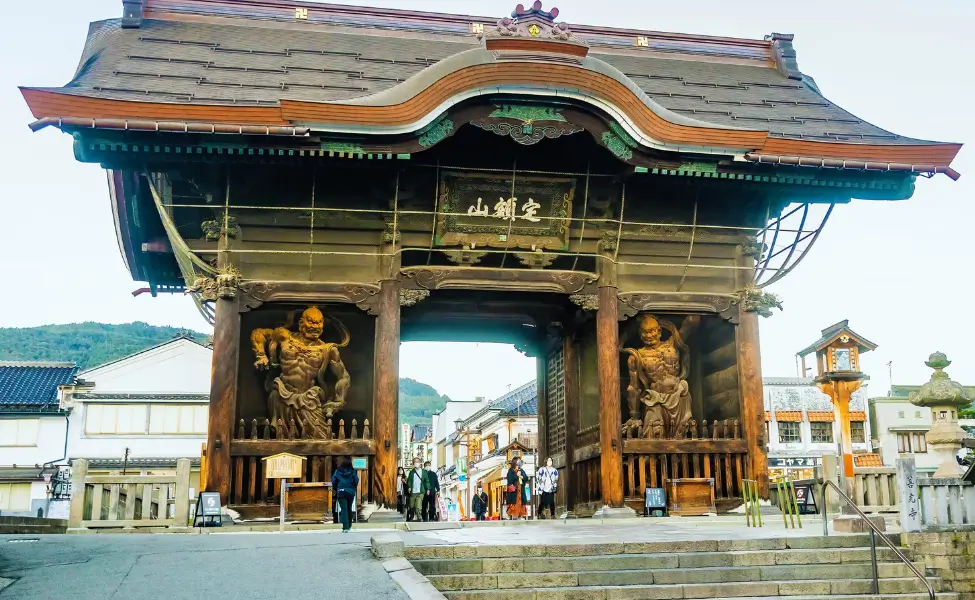
Founded in the 7th century, it’s one of Japan’s most important Buddhist temples.
The temple keeps the first Buddhist statue ever brought to Japan, though nobody gets to see it.
You can walk through the dark underground passage below the main hall.
It symbolizes the quest for enlightenment.
After the temple, stroll along Nakamise-dori Street.
This approach road is lined with souvenir shops and snack stalls.
You’ll spot traditional crafts, wooden carvings, and regional sweets.
It’s a fun place to pick up oyaki dumplings stuffed with seasonal veggies or red bean paste.
Many of these shops have been run by the same families for generations.
Hanging out here gives you a taste of both history and daily life in Nagano.
Local Cuisine: Soba Noodles and Oyaki
Nagano’s famous for its soba noodles.
The cool mountain climate makes for great buckwheat, which gives the noodles a special flavor.
Try them hot in broth or cold with dipping sauce (zaru soba).
Restaurants near Zenkoji usually make their soba fresh each morning.

Don’t skip the oyaki dumplings.
They’re filled with things like pumpkin, mushrooms, or pickled greens, and they’re either grilled or steamed.
Matsushiro Castle and Samurai History
In the afternoon, head south to Matsushiro Castle, once home to the Sanada clan.
Only some of the original structure stands, but the rebuilt gates and stone walls give you an idea of its old strength.

As you walk the grounds, you can imagine life when the castle served as both a home and a military base.
Nearby, check out samurai residences and museums showing off armor, weapons, and clan documents.
The Sanada Treasure Museum is worth a look, with items that belonged to the famous warlord Sanada Yukimura.
Matsushiro offers a quieter vibe than central Nagano.
It’s a window into the city’s feudal past and samurai culture.
Onsen Experiences in Nagano City
After a day on your feet, unwind in one of Nagano City’s onsen.
There are public baths and ryokan with natural hot spring water, known for soothing tired muscles.
Even the small local bathhouses give you a traditional experience without breaking the bank.
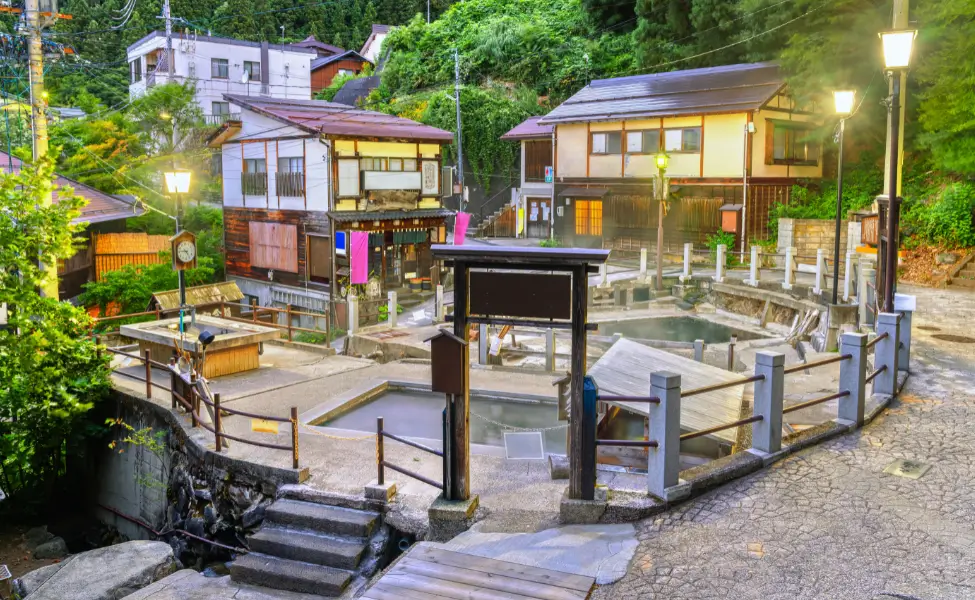
Some onsens in the city center are simple and community-focused.
Others have more elaborate setups, maybe even outdoor baths.
If you want privacy, plenty of hotels offer rooms with private baths.
Soaking in an onsen isn’t just about relaxation.
It’s a way to connect with a long-standing Japanese custom.
Honestly, it’s the perfect way to wrap up your first day here.
Day 2: Nature, Snow Monkeys and Mountain Retreats
Today’s all about mountain landscapes, unique wildlife, and local traditions.
You’ll watch snow monkeys in hot springs, maybe hit the slopes, and taste more handmade soba.
Jigokudani Monkey Park and Snow Monkeys
At Jigokudani Monkey Park, you’ll see Japanese macaques, better known as snow monkeys soaking in natural hot springs.

The park’s a 30-minute walk from the nearest bus stop, so bring comfy shoes.
Winter’s the busiest time since the monkeys love the steaming baths when there’s snow all around.
In warmer months, they’re still around, climbing rocks and playing in the trees.
You can’t touch or feed the monkeys, but you can snap photos from a safe distance.
The place feels natural, with wooden walkways and forest trails winding through the valley.
Nearby towns like Shibu Onsen and Yudanaka Onsen have hot spring baths where you can relax after your visit.

Quick Tips:
- Best season: December–March
- Walking path: 1.6 km (about 30 minutes)
- Facilities: Toilets, small visitor centre, café at the entrance
Shiga Kogen Ski Resort and Outdoor Activities
Shiga Kogen Ski Resort is huge, with over 80 km of interconnected trails.
You can ski or snowboard across multiple slopes with just one lift pass.
The snow’s reliable from late November to early May.

Beginners get wide, gentle runs, while more advanced skiers can find steeper slopes and off-piste areas.
Not into skiing?
Try snowshoeing or hop on a ropeway for mountain views.
Many hotels in the area have onsen baths, so you can warm up after a day outside.
Highlights at Shiga Kogen:
- Elevation: up to 2,307 m
- Ski season: November–May
- Other activities: snowshoe tours, scenic gondola rides
Togakushi Shrines and Soba-Making
Togakushi, up in the mountains north of Nagano City, is famous for its ancient Shinto shrines and handmade soba noodles.
The shrines are tucked along forest trails lined with towering cedar trees, some over 400 years old.
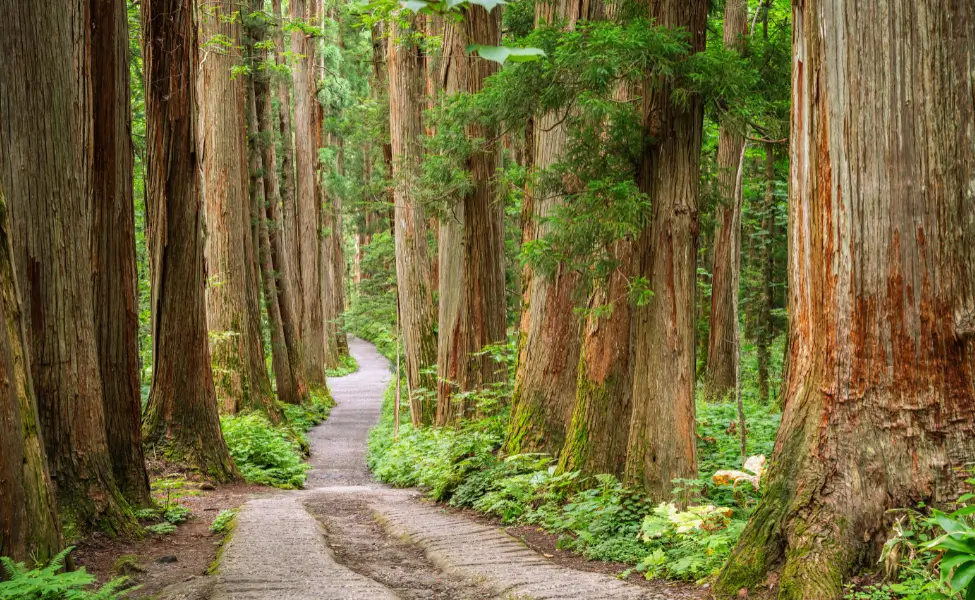
The main shrines of Okusha, Chusha, and Hokosha are spread out, connected by walking paths.
Visiting them gives you a good mix of spiritual atmosphere and mountain scenery.
Togakushi’s soba is made with local buckwheat and crisp mountain water.
Family-run restaurants serve fresh noodles, often with tempura or wild veggies.
Some places even let you try your hand at making soba by rolling and cutting the dough yourself.
It’s a satisfying, slightly messy experience.
Natural Landscapes and Scenic Walks
Nagano’s mountains offer plenty of chances for short, scenic walks.
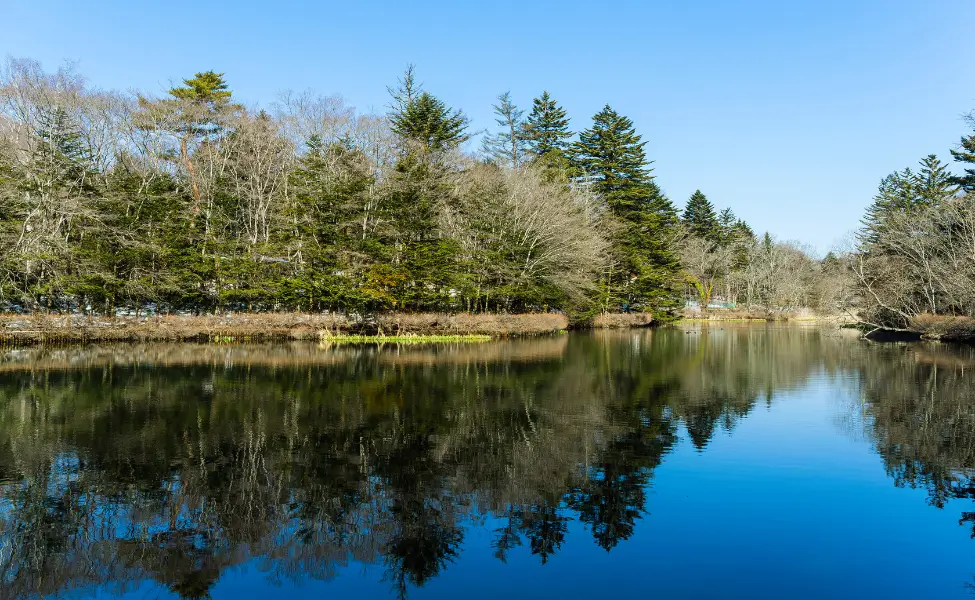
Around Togakushi, you can follow trails to Kagami-ike Pond, where the peaks reflect on the water if you catch it on a calm day.
Near Shiga Kogen, marshlands and alpine plateaus open up for hiking in summer.
Wooden boardwalks make the trails easy, and you’ll see seasonal flowers and maybe some birds.
Prefer something gentler?
The riverbanks near Yudanaka and Shibu Onsen have peaceful walking routes.
These paths pass historic inns and public footbaths where you can soak your feet.
Examples of easy walks:
| Location | Distance | Features |
|---|---|---|
| Kagami-ike Pond | 1 km | Mountain reflections, quiet spot |
| Shiga Kogen Marsh | 2–3 km | Alpine flowers, wooden trails |
| Shibu Onsen town | 1 km | Historic streets, footbaths |
Day 3: Castles, Culture and Charming Towns
On your last day, explore a mix of history, local culture, and small-town charm.
You’ll visit a national treasure castle, wander artisan streets, and snack on a few sweet treats.
Matsumoto Castle and Castle Town Streets
Matsumoto Castle is one of Japan’s most complete original castles and is a designated National Treasure.
Climb the steep wooden stairs to see exhibits on armor, weapons, and castle defenses.
The top floor gives you a great view over Matsumoto City and the mountains beyond.

After the castle, walk through the nearby castle town streets.
The old Edo-period layout is still there, with low buildings and narrow lanes.
Shops sell local crafts, snacks, and souvenirs.
If you’re curious, check out the small museums in the area.
They tell the story of the city and the castle’s role in its defense.
Plan for at least two hours to take it all in.
Nakamachi Street and Local Artisan Shops
Nakamachi Street is just a short walk from Matsumoto Castle.

The historic merchant street is lined with white-walled storehouses called kura.
Many of these now house cafés, galleries, and shops.
You’ll find pottery, lacquerware, and handwoven textiles made by local artisans.
Antique fans will enjoy shops selling traditional household goods and furniture.
The street’s also a nice spot to try regional snacks.
Small eateries serve soba noodles, oyaki dumplings, and sweets.
The blend of history and modern craft makes Nakamachi Street fun for both shopping and strolling.
Obuse: Hokusai Museum and Chestnut Sweets
Obuse is a small town north of Nagano City, best known for its connection to the artist Katsushika Hokusai.
At the Hokusai Museum, you can see prints and paintings he created while staying in town.
The exhibits change pretty often, so it’s a little different each time.
Obuse is also famous for chestnuts. You’ll spot chestnut-based sweets like kuri yokan (chestnut jelly) and chestnut ice cream.
Many cafés and shops here specialize in these treats, so it’s a good place for a snack break.
The town center is compact and easy to walk.
Traditional houses, gardens, and small galleries give Obuse a calm, welcoming vibe.
If you like art and food together, this is a great stop.
Karuizawa: Shopping and Nature
Karuizawa sits in the mountains, about an hour from Nagano by train.
The town draws people in with its cool weather, shopping, and outdoor escapes.
The Karuizawa Prince Shopping Plaza offers outlets from international brands and Japanese labels.
It’s a spot where you can wander for hours, though it can get busy on weekends.
If you lean more toward nature, try the walking trails and waterfalls nearby.
Shiraito Falls is just a short bus ride away.

It’s a calm spot, perfect for a quiet break.
Renting a bicycle makes it easier to get around town.
Honestly, pedaling past the trees and old houses feels pretty great, especially in the fresh air.
Karuizawa mixes modern cafés with old-school bakeries.
People often grab a relaxed meal after shopping, maybe lingering over coffee before heading back to Tokyo.
It’s a convenient spot, and honestly, it’s not a bad way to wrap up your time in Nagano.