
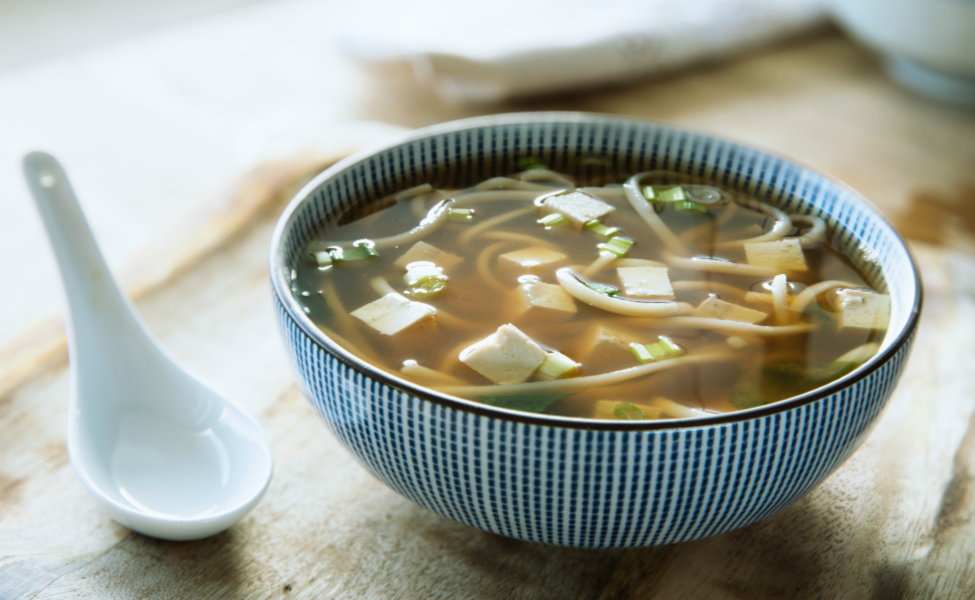
Should you start your day with miso soup?
Supporters claim it boosts energy, balances blood sugar, and even lowers blood pressure.
But is miso soup really a smart choice for breakfast?
Let’s look at the science and expert advice.
What Is Miso Soup?
This Japanese soup starts with fermented soybean paste mixed into a savoury broth called dashi.
The result?
A warm, umami-rich drink that’s become breakfast gold on social media.
Think of it as Japan’s answer to morning broth.
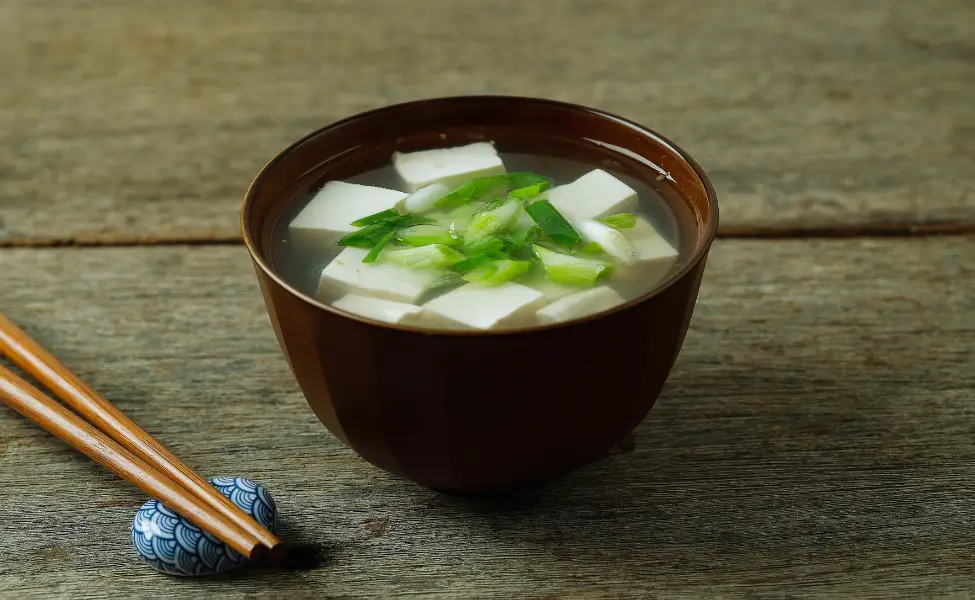
You’ll find chunks of soft tofu floating alongside strips of seaweed and fresh spring onions.
Each bowl delivers a satisfying mix of textures and deep, complex flavours.
Buddhist monks may have first enjoyed this soup over 1,300 years ago, making it one of the world’s oldest breakfast traditions.
Today, it’s still an everyday staple across Asia, and scientists are discovering why it’s stood the test of time.
Red vs White Miso: What’s the Difference?
Not all miso is created equal.
You’ll find two main types on shop shelves, each with its own personality and regional following.
White miso (shiro miso) is the mild-mannered cousin.
It ferments for just a few months, creating a sweet, delicate flavour that’s perfect for beginners.
This lighter variety comes mainly from western Japan, particularly around Kyoto.
If you’re new to miso soup, white miso won’t overwhelm your taste buds.
Red miso (aka miso) takes the opposite approach.

It ferments for years, sometimes up to three, developing a deep, robust flavour that packs a punch.
Eastern Japan, especially around Nagoya, champions this bolder style.
Red miso delivers more intensity and saltiness in every spoonful.
Many Japanese households actually blend both types to create their perfect balance.
You can experiment with mixing them too, adjusting the ratio until you find your ideal morning brew.
Miso Soup and Your Health
Miso soup is low in sugar and provides hydration first thing in the morning.
And you can always add vegetables for an extra boost.
In Japan, miso soup is often part of a breakfast spread that includes rice, fish, and vegetables.
This mix is good for blood sugar steady and gives you longer energy.
It’s better than the refined carb-heavy breakfasts often found in the West.
Miso soup contains small amounts of protein, B vitamins, and minerals like manganese, copper, and zinc.
It often contains seaweed, tofu, and vegetables.
This means it can supply iodine and phytonutrients.
These nutrients support thyroid function and help with antioxidant defenses.
It’s also a rich source of isoflavones.
Research links these plant compounds to stronger bones and fewer menopausal symptoms.
It Could Help Lower Your Blood Pressure and Heart Rate
High salt diets usually increase blood pressure, but miso works differently.
A 2020 review found that ingredients in miso appear to calm your sympathetic nervous system.
This leads to lower blood pressure and heart rate.
Researchers think this happens because fermentation changes how sodium works in your body.
The peptides and bioactive compounds in miso may actually reduce the blood pressure-raising effect of salt.
But, scientists need to do more research to confirm this.
It Could Help Regulate Your Energy Levels
Other studies suggest that miso soup may help support blood sugar management, which helps balance your energy levels.
A 2021 study found that women with type 2 diabetes who drank miso soup daily had lower HbA1c levels.
This marker shows average blood sugar control over two to three months, and their levels were better compared to women who didn’t drink the soup.
It’s Linked to Many Health Benefits
More broadly, research into fermented soy foods like miso has linked these products to a range of potential benefits.
These include antidiabetic, antioxidant, anti-obesity, and anti-inflammatory effects.
Because miso is a fermented food, it’s also naturally probiotic.
This means it feeds the good bacteria in your gut microbiome.
New research shows that your gut impacts your overall health.
This could bring benefits to your entire body.
These benefits include better immunity, skin, and mental health.
Is Eating Miso Soup Daily Safe for Everyone?
Miso is naturally high in sodium.
The health effect depends on your total daily salt intake and overall diet.
Some research suggests the fermentation process in miso may offset some of the blood pressure-raising effects of salt.
This explains why Japanese people who eat more miso don’t always develop high blood pressure like they do with other salty foods.
However, if you have high blood pressure or you’re monitoring sodium, use less miso paste.
Choose a reduced-salt variety too.
Pack the soup with vegetables too.
The Practical Side of Daily Miso Soup
Another big consideration is the level of prep involved.
Creating soup from scratch every day isn’t exactly practical for most people outside Japan.
But here is how we make it.
First, we fill a pan with water and bring it to the boil.
Add one pack of dashi and then any ingredients we want.
Popular choices include, sliced onion, daikon, tofu and dried seaweed.
Others use ‘fu’ or aubergine.

Then, after a few mins, we add either red or white miso.
Stir it in and that’s it!
The Bottom Line
Miso soup for breakfast has real health benefits backed by science.
If you want to ditch sugary cereals, consider a choice that offers hydration, probiotics, and steady energy.
It might be worth a try.
Just remember to consider your overall sodium intake, especially if you have blood pressure concerns.
And remember you can always prep ahead to make this healthy habit more manageable in your daily routine.
Frequently Asked Questions
There’s no official daily limit, but one to two bowls a day is a reasonable range for most people. If you’re watching your sodium intake, stick to reduced-salt miso and balance the rest of your day’s meals accordingly.
Instant packets still carry the fermented, probiotic benefits of miso, though some brands are higher in sodium and lower in fresh ingredients than a homemade bowl. Check the label if you’re having it often, and add your own tofu or vegetables where you can.
