

This 7-Day Kyushu Itinerary is based on what I’ve learned after living in Japan for 25 years.
And trust me, Kyushu is where the country gets wild
This southern island has active volcanoes, incredible hot springs, the best ramen you’ll ever eat, and people who actually talk to strangers.
Kyushu has seven prefectures: Fukuoka, Saga, Nagasaki, Kumamoto, Oita, Miyazaki, and Kagoshima.
Each prefecture has its own unique personality.
Most tourists stick to Honshu and miss all this.
Their mistake becomes your adventure.
My daughter is considering university down here, which means I’ll be exploring even more corners soon.
But for now, here’s my tried and tested 7-day Kyushu itinerary.
Why Kyushu
Food That Actually Matters: Every city claims to have the best ramen, but to me, it’s a tie between Fukuoka and Sapporo.
Fukuoka’s tonkotsu broth is rich and cloudy.
Hot Springs Everywhere: Beppu is the largest hot spring resort in western Japan, with waters hot enough to cook eggs.

Steam literally rises from the streets, and locals use volcanic heat to prepare their dinner.
Real History: This is where Japan first met the outside world.
Portuguese traders, Dutch merchants, Christian missionaries, samurai, and atomic bombs all came here first.
The history is heavy but essential.
Active Nature: You can safely visit active volcanoes, see wild horses in Japan’s largest crater, and relax on beaches heated by underground thermal activity.
Plan your 7-day Kyushu itinerary with these experiences:
- Takachiho Gorge Miyazaki Day Private Tour From Fukuoka
- Mount Aso Volcano, Kumamoto Castle, Grasslands Day Tour
- Fukuoka Your Way: 100% Customisable Private Tour with Local Guide
- Nagasaki Half-Day Sightseeing Private Tour with 1-day Tram Ticket
- Beppu 4hr Private Trip with Government-Licensed Guide
- Port Pick-Up: Kagoshima Private Tour Licensed Guide & Vehicle
Your Base Strategy
Unlike other regions, Kyushu works better with multiple bases.
Trains connect major cities well, but rural areas need patience.
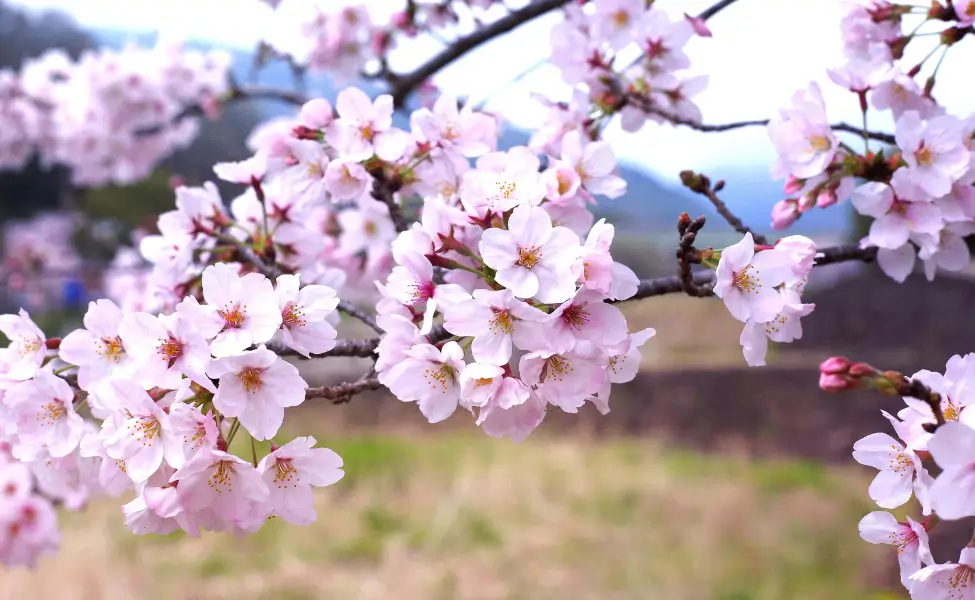
Cherry blossoms typically start around late March here, though dates vary yearly.
Day 1: Fukuoka – Ramen Reality Check
Your best bet is to fly into Fukuoka Airport.
The subway connects directly to downtown in 20 minutes for 260 yen.
No expensive airport express needed (unlike Narita).
Stay near Tenjin or Hakata Station areas as that’ll make life easier.
Ramen Education: Forget everything you think you know about ramen.
Fukuoka invented tonkotsu (pork bone) broth and perfected it over 70 years.

The first proper bowl changes everything.
A rich, cloudy broth that’s been simmering for hours, tender pork, and noodles with perfect texture.
Where locals actually go:
- Ichiran is touristy but worth trying once for the solo booth experience
- Ippudo started here and locals still debate which location is best
- Yatai (street stalls) along the river – cash only, no English, incredible atmosphere
Afternoon Exploring: Canal City looks like a modern shopping centre but has excellent depachika (department store basement) food courts.

Watch the fountain shows while eating pastries that cost less than London coffee.
Evening Fun: Nakasu entertainment district gets busy after 8 PM.
Tiny bars, neon lights, and friendly mama-sans who’ll teach you drinking games.
Don’t expect to remember everything clearly.
Days 2-3: Nagasaki – Where East Met West
Getting There: Express train from Fukuoka takes 2 hours.
The coastal route shows traditional fishing villages mixed with modern industry.

Day 2: Heavy History: Start early at the Atomic Bomb Museum when your mind is fresh.
It hits hard emotionally.
Not as big as Hiroshima’s memorial but equally graphic and necessary.
Glover Garden shows how foreign merchants lived here in the 1800s.
The hillside setting overlooking the harbour explains why Nagasaki became Japan’s window to the world.
Local tip: Take any streetcar to its end point.
Nagasaki’s neighbourhoods each tell different stories about cultural mixing.
Day 3: Island Adventures Gunkanjima (Battleship Island) boat tours leave from the harbour.
This abandoned coal mining island looks like a movie set .
Concrete buildings slowly crumbling into the sea.
Weather cancels boats frequently, so have backup plans.
Dejima reconstruction shows the artificial island where Dutch traders lived for 200 years.
Small but important for understanding how Japan controlled foreign contact.
Food discovery: Champon noodles started here when

Chinese cooks fed foreign workers. Every restaurant makes it differently.
Try several and join the local debates.
Evening Views: Mount Inasa ropeway provides the famous night view.
Nagasaki’s harbour lights spread across the water.

Popular spot for couples and proposals.
Day 4: Kumamoto – Castles and Horses
Getting There: Express train from Nagasaki to Kumamoto takes 3.5 hours with transfers.
Long journey but the countryside views make it worthwhile.
Kumamoto Castle: The 2016 earthquake damaged this famous black castle badly.
Reconstruction continues but you can still visit parts.
The scale shows why this was considered Japan’s most impressive castle.

The castle town below has better preserved samurai houses than the famous castle itself.
Aso Adventures: The Aso region (1 hour by train) has Japan’s largest volcanic crater and wild horses roaming grasslands.
Mount Aso still smokes, so sometimes gas levels close the crater to tourists.

Check conditions before travelling.
Local Food: Basashi (raw horse meat) is the regional specialty.
It sounds awful, tastes surprisingly good.
Kumamoto’s tonkotsu ramen tastes completely different from Fukuoka’s version despite being hours away.
It has a lighter broth and different noodles
Day 5: Beppu – Hot Spring Madness
Steam City Train from Kumamoto to Beppu takes about 3.5 hours with connections.
Alternatively, fly to Oita Airport and bus it in 50 minutes for 1600 yen.
Steam rises from manholes and sidewalks throughout the city.
Beppu is built on thermal vents that have been bubbling for centuries.
How to Book: Buy the combination ticket at Beppu Station tourist information (2,000 yen for all 7 hells) or individual entries (400 yen each).

Beppu Jigoku Bus runs tours every 30 minutes from 9am-5pm. Full circuit takes 2.5 hours.
The Seven Hells:
- Blood Pond Hell (Chinoike Jigoku): Red mineral water at 78°C
- Sea Hell (Umi Jigoku): Cobalt blue water at 98°C
- White Pond Hell (Shiraike Jigoku): Milky white hot spring with tropical fish
- Tornado Hell (Tatsumaki Jigoku): Geyser erupts every 30-40 minutes
- Demon Mountain Hell (Oniyama Jigoku): Crocodile farm heated by hot springs
- Cooking Pot Hell (Kamado Jigoku): Multiple coloured pools
- Golden Dragon Hell (Kinryu Jigoku): Buddhist temple with hot spring
Real Bathing
Takegawara Onsen: 100+ year old bathhouse in Beppu city centre.
Entry 100 yen for hot spring bath, 1,030 yen for sand bath (sunamushi).
Open 6:30am-10:30pm daily.
Myoban Onsen: Mountain hot springs 20 minutes by bus from Beppu Station.
Yunohana-goya offers outdoor baths with volcano views.
Entry 600 yen. Take bus #33 or #34.
Kannawa District: Walking distance cluster of public baths.
Jigoku-steamed food available at Jigokumushi Kobo Kannawa (open 9am-9pm).

Steam cooking experience costs 100 yen per person plus food prices.
Day 6: Kagoshima – Volcano Life
Fast Connection Kyushu Shinkansen from Kumamoto to Kagoshima takes about 1 hour.
Shows how Japan’s rail network reaches everywhere efficiently.
Sakurajima Volcano This active volcano sits in Kagoshima Bay like a smoking island.

Ferries run every 15 minutes, 24/7. The volcano erupts small amounts almost daily.
Reality check: When volcanic activity increases, locals sweep ash daily. B
ring masks if you have breathing issues.
Walk around the island to see lava fields, huge vegetable farms (volcanic soil works wonders), and hot spring foot baths with volcano views.
Black Sand Experience:
Ibusuki Sand Baths:
Take JR from Kagoshima-Chuo Station to Ibusuki Station (1 hour, 970 yen).
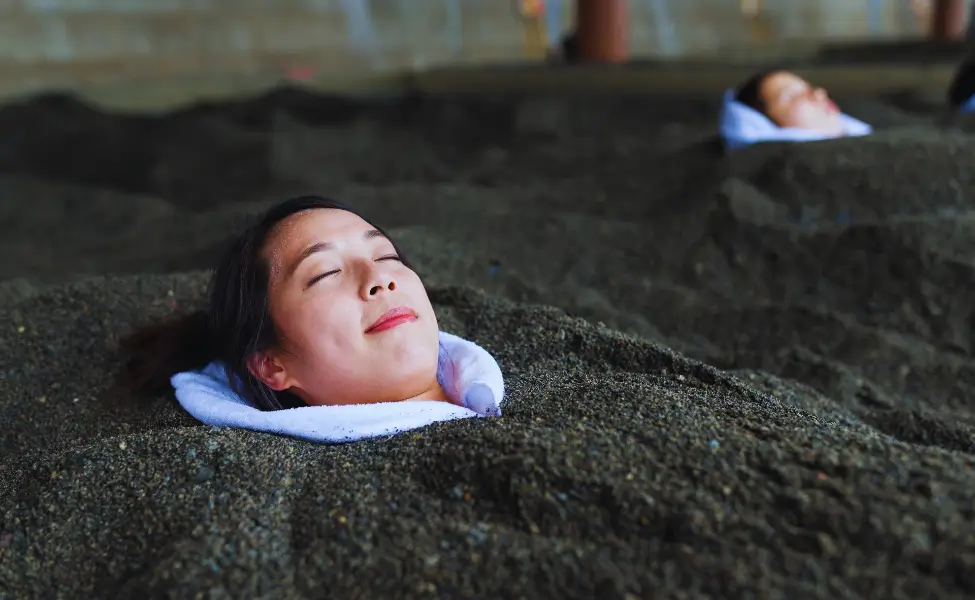
Saraku Sand Bath Kaikan is the main facility (open 8:30am-9pm daily).
Sand bath costs 1,100 yen which includes yukata rental.
Sessions last 10-15 minutes.
Book ahead on weekends: 0993-23-3900.
Shochu Education Kagoshima makes Japan’s best shochu from sweet potatoes.
Every bar serves different brands.
Day 7: Miyazaki – Surf and Mythology
Pacific Coast Getting to Miyazaki from Kagoshima takes over 3 hours by train or 45 minutes by air.
Many prefer buses or flights for this route.
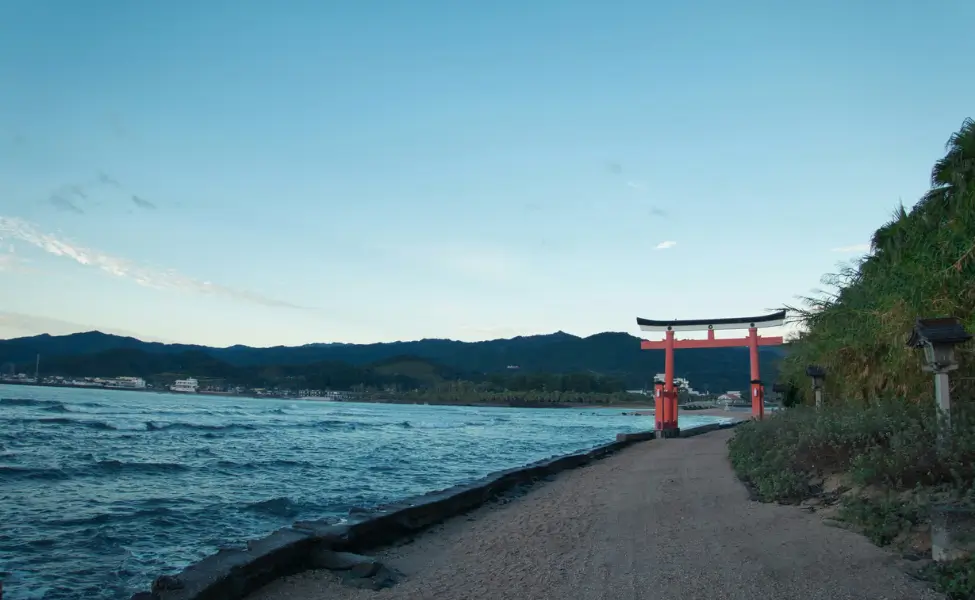
Unexpected Surf Culture: Miyazaki has consistent waves and warm water.
Surf shops rent boards and give lessons. Even beginners can catch waves here.
Japanese surfers are surprisingly skilled and very friendly.
Beach culture exists in Japan but most tourists never see it.
Sacred Sites
Takachiho Gorge: Take JR to Nobeoka Station (2 hours from Miyazaki), then Miyako Bus to Takachiho (1 hour, 1,200 yen).

Buses run 4 times daily. Boat rental at the gorge costs 2,000 yen for 30 minutes (cash only).
The gorge is free to walk and photograph.
Money Talk – Real Numbers
These amounts can change of course, but here are some rough numbers.
Daily Budgets:
- Backpacker: 6,000-8,000 yen (hostels, convenience store food, public transport)
- Comfort: 12,000-15,000 yen (business hotels, restaurant meals, some taxis)
- Luxury: 25,000+ yen (ryokan with meals, private transport, premium activities)
Food Costs:
- Convenience store meals: 500-800 yen
- Local ramen shops: 800-1,200 yen
- Nice dinner: 3,000-5,000 yen
- High-end kaiseki: 15,000+ yen
Weather and Timing
Best Months: March-May and October-November for perfect weather without crowds.
Seasonal Highlights:
- Spring: Cherry blossoms typically late March (dates vary yearly)
- Summer: Beach season and festivals, but very hot and humid
- Autumn: Fall foliage at places like Kirishima Jingu, late October to early November
- Winter: Mild compared to mainland Japan, hot springs feel amazing
Regional Food You Can’t Skip
By Prefecture:
- Fukuoka: Tonkotsu ramen, mentaiko (spicy cod roe), Hakata chicken
- Nagasaki: Champon noodles, castella cake, shippoku cuisine
- Kumamoto: Basashi (horse sashimi), Aso beef, different-style tonkotsu ramen
- Oita: Hell-steamed foods, fugu (puffer fish), Bungo beef
- Kagoshima: Kurobuta pork, sweet potato shochu, kibinago (small fish)
- Miyazaki: Mangoes, Miyazaki beef, chicken nanban
- Saga: Saga beef (high-grade wagyu), nori seaweed
Wherever you go in Japan, regional food is always a highlight.
Why Kyushu Changes Everything
After 25 years in Japan, Kyushu still surprises me.
Each prefecture feels like a different country.
The food changes every few hundred kilometres, and local cultures vary dramatically.
This diversity makes week-long trips feel like month-long adventures.
You’ll enjoy ramen that makes instant noodles seem bland.
You’ll relax in hot springs warmed by active volcanoes.
Plus, you’ll meet locals who defy the typical image of reserved Japanese people.
While other tourists queue for photos at overcrowded temples, you’ll be experiencing the Japan that most visitors never see.
That’s the real adventure.
If you want to expand on this 7-Day Kyushu Itinerary, check out our complete Kyushu and Okinawa guide.

