

If you have spent any time building a Japan itinerary, you already know the problem.
Every travel site recommends the same cities in the same order, and when Miyagi appears in the results it usually comes with a vague promise of being “off the beaten path.”
That phrase does not help you decide anything.
Miyagi does earn a place on a Japan trip, but not for everyone and not without a clear reason to go.
This article lays out what the prefecture actually offers, how much of it you can reach without a car, and what kind of traveller will find it worth the journey.
Getting to Miyagi and Getting Around
Sendai, the capital of Miyagi Prefecture, sits roughly 350 kilometres northeast of Tokyo and connects directly via the Tohoku Shinkansen.

The journey is shorter than most people expect.
| Train | Route | Approx. time | Notes |
|---|---|---|---|
| Hayabusa | Tokyo to Sendai | ~90 minutes | Fastest, reserved seats only |
| Yamabiko | Tokyo to Sendai | ~2 hours | More stops, unreserved seats available |
Both services run several times per hour throughout the day, and the Japan Rail Pass covers both.
One-way reserved-seat fares start at around 11,000 yen.
Getting around within Miyagi is manageable without a car for the main sights.
You can reach Matsushima by local train in about 40 minutes from Sendai.
Naruko Gorge connects by rail and local bus via Furukawa.
Only a handful of rural spots genuinely require a car, and those are noted in the relevant sections below.
What Sendai Gives You as a Base
Sendai is a working city of around one million people.
It carries its history in a way that feels embedded rather than curated, the streets are wide and green, and English signage around the main tourist areas is practical rather than sparse.

Zuihoden Mausoleum
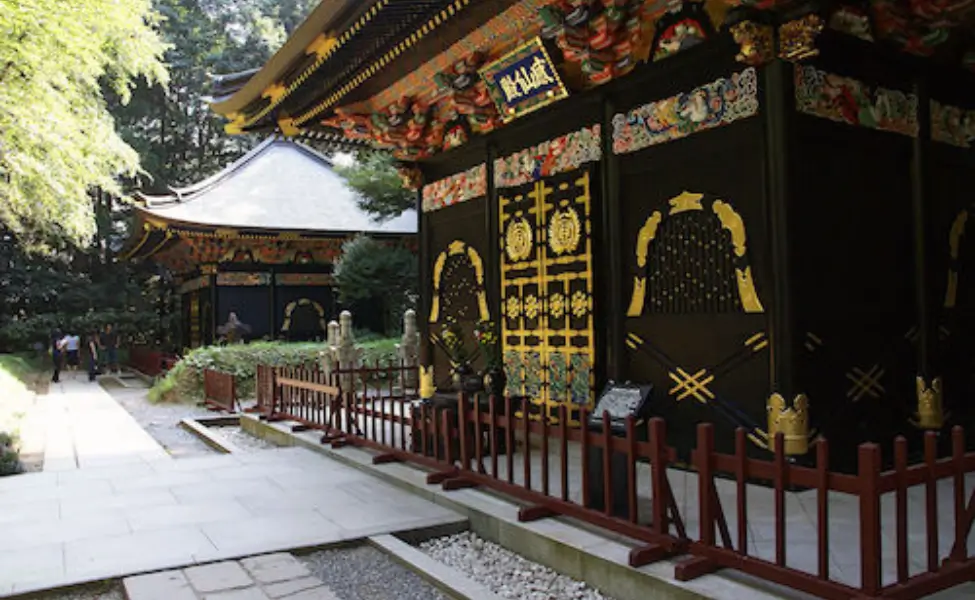
Zuihoden is the resting place of Date Masamune, the warlord who founded Sendai in 1600 and whose legacy sits behind nearly everything of historical note in the prefecture.
A long stone staircase through a cedar forest leads to the mausoleum complex.
The main hall carries elaborate wood carving and gold-leaf decoration that ranks among the finest craftsmanship in Tohoku.
Entry costs around 570 yen and the visit takes about 45 minutes.
Aoba Castle Ruins
Date Masamune began building Aoba Castle on a hill above the city in 1600.
Fires, earthquakes, and wartime bombing destroyed most of the original structure over the following centuries.
What remains is a hilltop site with stone walls, a small museum, and an equestrian statue of Masamune that watches over the city below.
The views across Sendai and toward the Zao mountains justify the trip up even without the buildings.
A virtual reality experience in the on-site museum recreates the castle at its peak, which gives the ruins considerably more context than they carry on their own.
Osaki Hachimangu Shrine
Date Masamune ordered the construction of Osaki Hachimangu Shrine in 1607, and the main hall now holds National Treasure status.
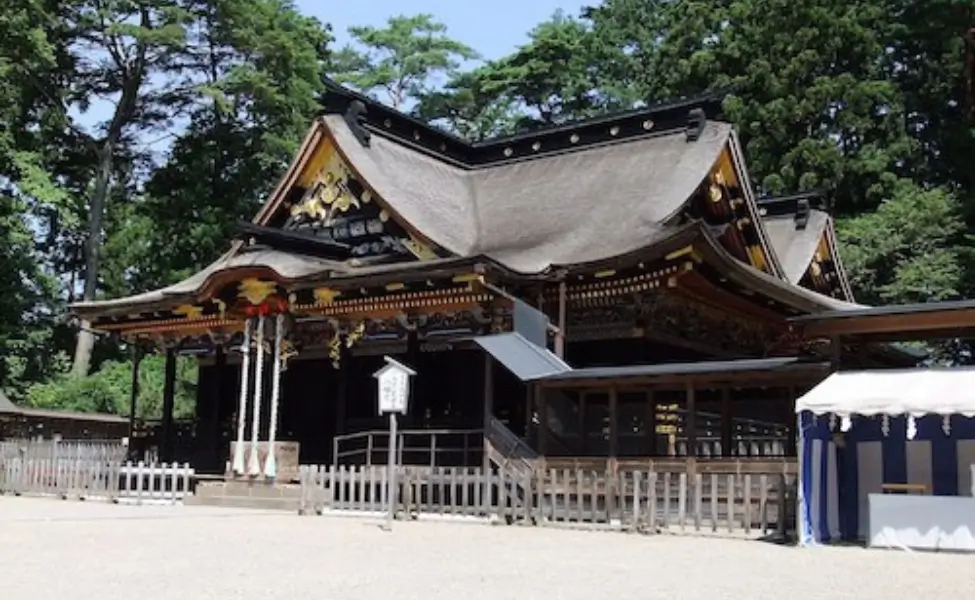
Unlike the vermilion-and-white shrines you encounter in Kyoto and Nara, this one carries black lacquer and gold-leaf decoration.
The interior holds Momoyama-period craftsmanship that sets it apart from most shrines on a standard Japan itinerary.
City buses from Sendai Station reach the nearest stop in about 20 minutes.
A hop-on hop-off bus called the Loople Sendai connects all three sites on a single loop for a flat daily pass of around 630 yen, which makes touring central Sendai straightforward without planning every connection in advance.
Matsushima Bay: the Honest Verdict
Matsushima holds official status as one of Japan’s Three Views, alongside Miyajima in Hiroshima and Amanohashidate in Kyoto.
About 260 pine-covered islands of various shapes fill the bay, and the light plays differently across them depending on the time of day and the season.

The 50-minute sightseeing cruise from Matsushima Pier is the most popular way to see the islands up close.
It costs around 1,500 yen, runs roughly every hour between 9am and 4pm, and the upper-deck seats are worth the extra few hundred yen for the views.
From Sendai Station, the local JR Senseki Line reaches Matsushima-Kaigan Station in about 40 minutes.
Take care to use Matsushima-Kaigan rather than Matsushima Station, which sits well away from the waterfront and the main attractions.
Matsushima is most satisfying when you combine the boat cruise with a walk to one of the four elevated viewpoints around the bay and a visit to Zuiganji Temple, which Date Masamune rebuilt in 1609. Entry costs 700 yen and a proper visit takes about 45 minutes.
Waterfront restaurants along the bay also serve the local oysters, which Miyagi produces in large quantities and which are worth planning a meal around.
Go in for an hour and it may feel underwhelming. Give it a full morning or afternoon and it pays for itself.
The Rest of Miyagi Worth Knowing About
Naruko Gorge
Naruko Gorge is a narrow canyon carved through volcanic rock, running for roughly 2 kilometres through the mountains north of Sendai.

From mid-October into early November, the surrounding forest turns deep red and orange.
The colour is some of the most concentrated autumn foliage in Tohoku, and a walking trail runs along the gorge floor and gives good views of the rock face and the valley below.
Access requires a train to Furukawa on the Tohoku Shinkansen, about 20 minutes from Sendai.
From Furukawa, a local train continues to Naruko Onsen Station, then a short taxi or bus covers the final stretch.
It is not a quick day trip, but few places in the region match it during peak autumn colour.
Naruko Onsen town also produces kokeshi dolls, the simple painted wooden figures that originated in Tohoku.

The Japan Kokeshi Museum in town holds dolls from regional styles across Japan and runs painting workshops for visitors who want a hands-on experience.
Zao Fox Village
Zao Fox Village in Shiroishi City sits on the Miyagi side of the Zao mountain range.
More than a hundred foxes of six breeds, including red, silver, platinum, and arctic foxes, roam through the main enclosure.
It’s well known locally as so I mentioned it but it’s not the best place for animal lovers.
It smells and the foxes are not exactly ‘free’.
Entry costs 1,500 yen. From Sendai, take the Tohoku Shinkansen to Shiroishi-Zao Station, about 20 minutes, then a taxi for the remaining 20 minutes to the village.
A shuttle bus runs twice daily from the station on most days, though a car makes access considerably easier.
Zao Onsen Ski Resort, famous for its snow-covered trees and large ski terrain, is on the Yamagata side of the same mountain range.

Reaching it requires a bus from Yamagata Station rather than from Sendai. Both attractions carry the Zao name but sit in different prefectures and need different transport routes.
Ishinomaki and the Manga Museum
The Ishinomori Manga Museum in Ishinomaki celebrates the work of Shotaro Ishinomori.
He was born in the Miyagi town of Ishinomori, now part of Tome City, and went on to create Kamen Rider and Cyborg 009 among many other influential works.
Original artwork and interactive exhibits fill the museum, and the city itself carries a story of rebuilding after the 2011 earthquake and tsunami.
Ishinomaki is about an hour from Sendai by local train.
The museum makes sense for anyone interested in manga or tokusatsu, but probably does not justify the trip on its own if neither topic appeals.
What to Eat in Miyagi
Miyagi’s food identity is one of the stronger arguments for adding it to your itinerary.
The variety is wider than most pre-trip research suggests.
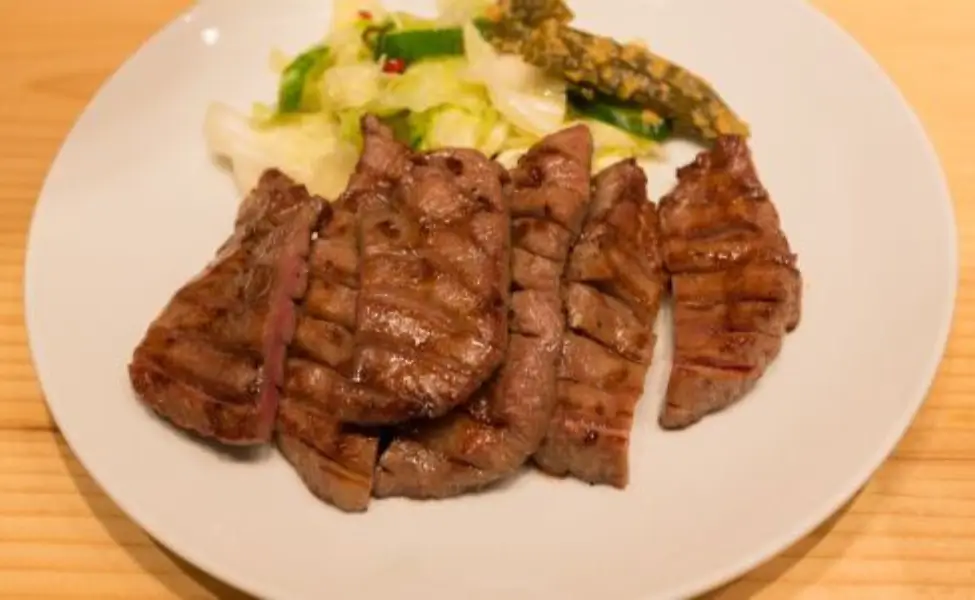
- Gyutan is grilled beef tongue. Sendai turned it into a regional institution after the second world war, and restaurants near the station season it with salt or light soy sauce and serve it alongside barley rice, oxtail soup, and pickles. A set meal costs around 1,500 to 2,500 yen. The texture is firmer than most beef cuts, and eating it at a good restaurant ranks among the more memorable meals you will have in Japan.
- Zunda mochi is sticky rice cake coated in sweetened edamame paste. The colour is a vivid pale green and the flavour is mild and lightly sweet. You will find it throughout Sendai and at the station in multiple forms, from traditional rice cakes to soft-serve ice cream.
- Sasakamaboko takes seasoned fish paste, presses it onto a bamboo skewer, and grills or steams it. Vendors sell it at fish markets and food halls across Miyagi, and the bamboo-leaf shape makes it one of the more distinctive things to pick up while walking the Matsushima waterfront.
Miyagi’s oysters deserve a separate mention.
The prefecture produces some of Japan’s most consistently rated oysters, and restaurants in both Sendai and Matsushima serve them year-round.
If you eat shellfish, they alone are reason enough to plan at least one meal with care.
How Many Days and Whether Miyagi Fits Your Trip
Two full days is the practical minimum for covering Sendai’s main historical sites and a proper half-day at Matsushima.
Three days lets you add Naruko Gorge without rushing.
One day as a side trip from Tokyo works, but you would need to choose between Sendai and Matsushima rather than combining both comfortably.
When Miyagi tends to work well
- You are planning ten or more days in Japan and have space for a northern stop after Tokyo
- Samurai history, Date clan architecture, traditional crafts, and regional food culture appeal to you
- You are visiting in autumn and want foliage with genuine impact
- You have already seen Kyoto and Osaka and want a different part of Japan
The Sendai Tanabata Festival runs in early August and draws large crowds for one of Japan’s biggest Tanabata celebrations.

Colourful paper decorations fill the covered shopping streets, and the atmosphere carries a sense of occasion that feels earned rather than staged.
If your dates overlap with it, the festival alone gives Miyagi a specific reason to be on your itinerary.
When to choose somewhere else
- You have five days or fewer in Japan and Kyoto and Nara are still on your list
- You need one overwhelmingly famous sight capable of selling itself on name recognition
- Modern art, nightlife, or large-scale shopping districts are your main priorities
Weighing Miyagi against northern alternatives like Nikko, Kanazawa, or Aizu-Wakamatsu produces a fair comparison.
Miyagi offers more variety than a single-focus destination, but works best as a coherent two or three day experience.
A quick look at one attraction will not do it justice.
What the prefecture has is a combination of history, scenery, and food that works together well, and a pace that most travellers find a welcome contrast to Japan’s more visited cities.

