

The prefecture sits east of Tokyo and curves around Tokyo Bay before stretching south along the Pacific for roughly 150 kilometres.
Within that area you have Tokyo Disney Resort, Narita Airport, an industrial waterfront, farmland, and a mountain ridge worth climbing.
The southern half looks nothing like what you’d expect within an hour of a major capital.
That range is part of what makes Chiba useful for the right trip, and part of what makes it confusing to research.
Comparing Chiba to Kamakura or Nikko doesn’t really work because they do different things.
Kamakura is compact, with famous temples and ocean views within easy walking distance of each other.
Chiba is bigger and more spread out, and it takes more planning to get the best from it.
When you do pick the right spots, you find coastline that feels genuinely uncrowded, food that’s distinctly local, and a pace that most first-time visitors to Japan rarely experience.
What Chiba Is and What It Isn’t
The two things most visitors already know about Chiba are Tokyo Disney Resort and Narita Airport, and neither tells you much about the rest of the prefecture.
Tokyo Disney Resort is in Urayasu right on the Tokyo border.

It’s a self-contained destination and visiting it gives you no real sense of Chiba at all.
Narita Airport sits around 60 kilometres northeast of central Tokyo, in Narita City within Chiba Prefecture.
If you’ve flown through Narita, you’ve technically been in Chiba without seeing any of it.
Chiba City itself is a working city rather than a tourist destination.
It has an unusual suspended monorail, a castle museum, and decent shopping.
What it doesn’t have is the historic atmosphere of Kamakura or the visual drama of Nikko.
The more interesting parts of the prefecture are further south, on the Boso Peninsula, a strip of land running between Tokyo Bay and the Pacific.
That’s where you find cliffs, fishing ports, and farmland that genuinely feels removed from Tokyo.
The places worth building a day around are not in the capital city.
Katsuura on the Pacific coast, the Nokogiriyama ridge, and the temple town of Narita each have a clear character and offer something you wouldn’t get from another day in Tokyo or Yokohama.
Where to Focus Your Time
The following are the strongest reasons to visit Chiba, each suited to a different kind of trip.
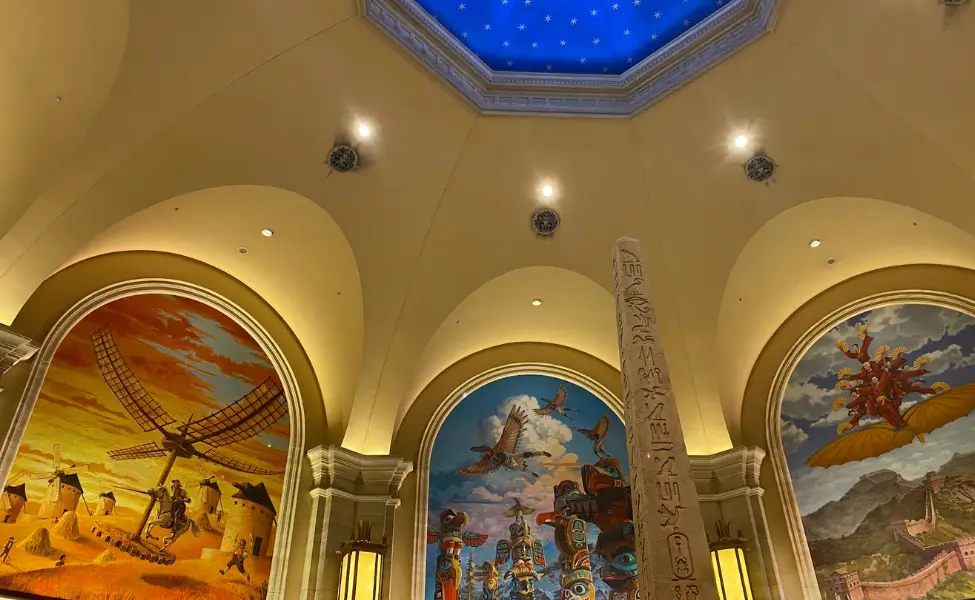
- Tokyo DisneySea. The resort has two parks. Disneyland follows the same formula as other Disney parks around the world, but DisneySea has no equivalent anywhere else in the Disney system. Its nautical theme and level of architectural detail put it in a different category entirely. DisneySea alone is worth a full day. Book in advance, as the park uses date-specific tickets with a daily limit on capacity.
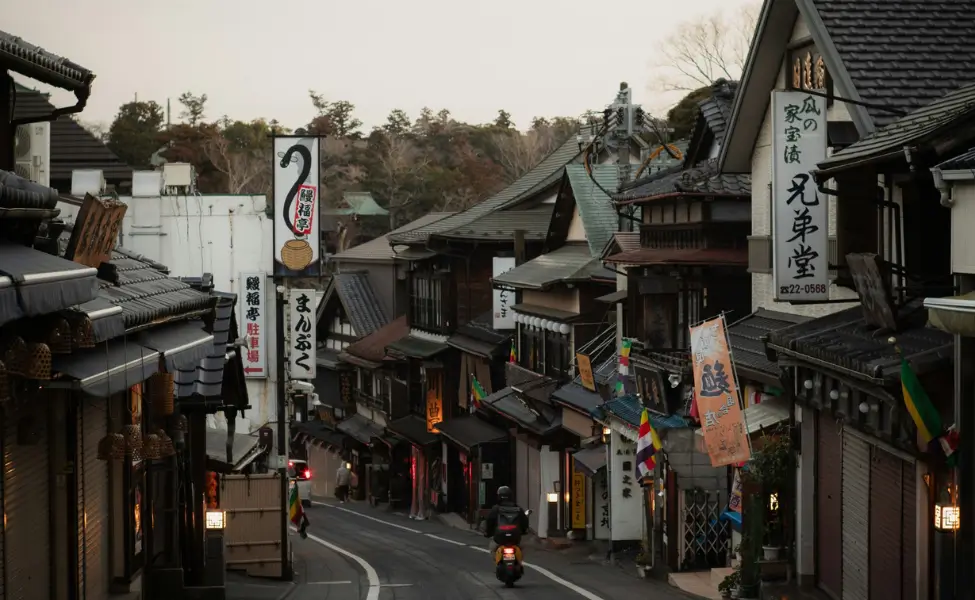
- Naritasan Shinshoji Temple. The complex draws over 12 million visitors a year and sits above a well-preserved approach street lined with eel restaurants and tea shops. A train from Narita Airport to Narita Station takes around 15 minutes, so it fits easily into a transit day before you head into Tokyo.
- Nokogiriyama. The ridge on the western edge of the Boso Peninsula has some of the most dramatic terrain you can reach by train from Tokyo without going far. A ropeway takes you most of the way up from Hamakanaya Station on the Uchibo line, and a short walk from the top gets you to the Nihon-ji temple complex, a cliff-face Buddha, and a clear view across Tokyo Bay. The whole visit works as a half-day and needs no car.
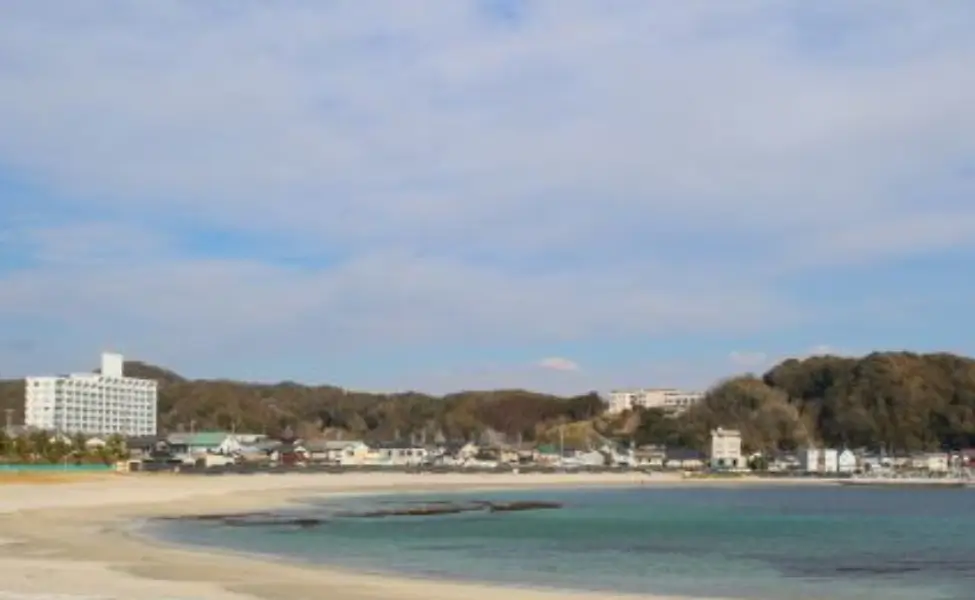
- Katsuura and the outer Boso coast. Katsuura runs one of the most active morning fish markets in the Kanto region. The town is quiet and feels nothing like the urban areas to the north. The coastline in both directions is rugged and worth exploring on foot.
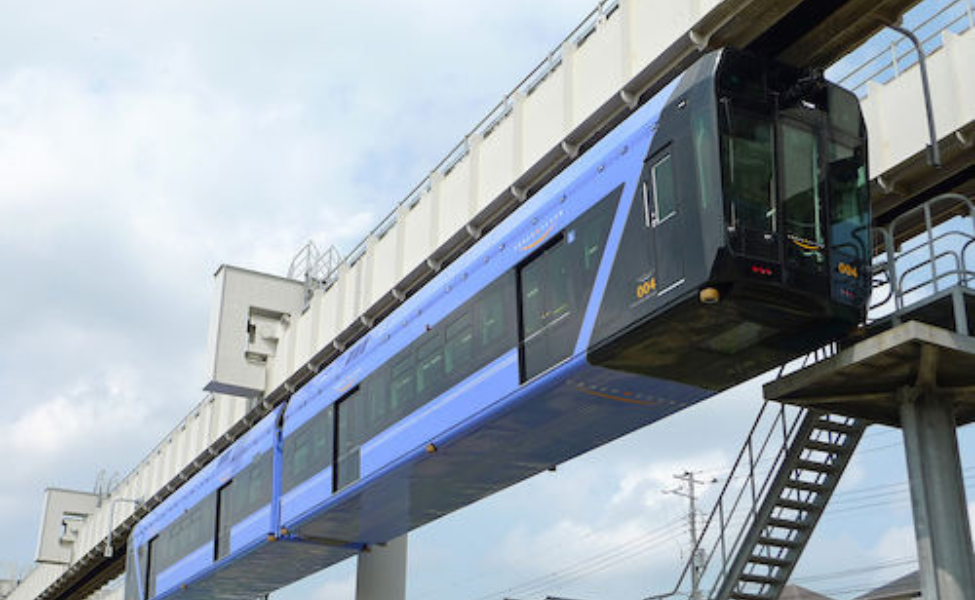
- Chiba City monorail and castle museum. The Chiba Urban Monorail is the world’s longest suspended monorail, with 15.2 kilometres of track above the city streets. Riding it is a genuine novelty.
History and Landscape
Most visitors don’t think of Chiba as a place with serious historical depth, partly because the prefecture doesn’t promote itself the way Kamakura or Nikko does.
The Chiba clan played an important part in establishing Japan’s first samurai government, and archaeological evidence of settlement here goes back to the Jomon period, roughly 14,000 to 300 BCE.
The Chiba City Folk Museum is worth knowing what it is before you arrive.
The building is a 1967 concrete structure built to look like a castle, on the approximate site of the original Inohana fortification.
What the museum does well is lay out the clan’s story clearly, covering their rise, their role in founding the Kamakura shogunate, and their decline in the mid-1400s.
Admission is cheap, the view from the top floor is decent, and the park around it is pleasant in spring.
Naritasan Shinshoji Temple is a very different kind of visit.
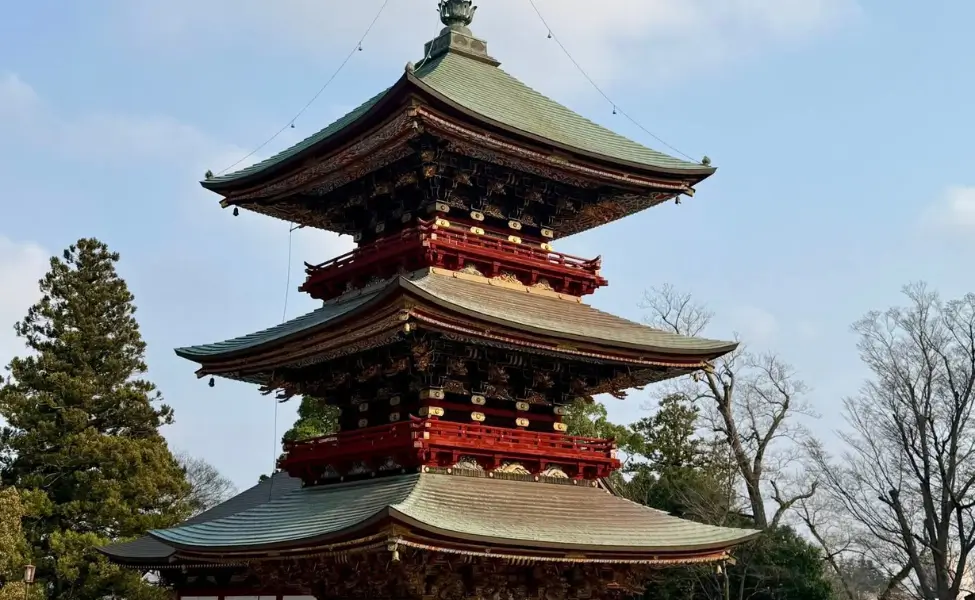
Dating to 940 AD, it has an approach street that still looks much as it would have in the Edo period, lined with old buildings and long-established restaurants.
The complex covers terraced grounds with several halls, a formal garden, and a pagoda.
The southern Boso Peninsula has its own distinct character.
The Kuroshio Current runs up from the south along the Pacific side, keeping the climate mild and the fishing rich.
The coastline around Katsuura is rocky, with sea caves and walking tracks that extend a half-day easily into a full one.

Nokogiriyama on the western side of the peninsula has carved Buddhist statues from the 18th and 19th centuries, including a Great Buddha larger than the famous one at Kamakura.
If your dates fall in August, the Teganuma Fireworks near Kashiwa launches around 13,500 shots over a single evening, drawing crowds of several hundred thousand people.
What to Eat in Chiba
Food is one of the better practical arguments for including Chiba in a trip, and the local dishes are more distinctive than most people expect.
- Futomaki matsuri sushi. This is the food Chiba is best known for locally, and it looks nothing like standard sushi. The rolls are thick, sometimes up to 10 centimetres across, and when sliced they reveal decorative patterns made from coloured rice, vegetables, eggs, and kanpyo (dried gourd strips). Japan’s Ministry of Agriculture lists it among the country’s top 100 traditional rural dishes.
- Peanut products. Chiba produces around 70 to 80 percent of Japan’s peanuts, grown in the volcanic ash soil of the northern Shimosa Plateau. Roasted peanuts, peanut miso, and peanut butter fill shop shelves throughout the prefecture. Fresh boiled peanuts are available from September to November and taste completely different from anything you’d find outside Japan at that time of year.
- Namero and sangayaki. Both come from the fishing communities of the southern coast. Namero is minced horse mackerel or sardine mixed with miso, ginger, spring onion, and shiso leaf. Sangayaki is the same mixture grilled and wrapped in shiso. Both are strongly flavoured and noticeably better here, close to where the fish comes from, than anywhere inland.
- Narita eel. Eel restaurants line the approach street at Naritasan and have been doing so for a long time. Narita has a genuine reputation for unagi among Japanese food lovers, not just passing tourists. A lunch stop there is worth planning around.
- Clam dishes. Tokyo Bay and the Pacific coast both produce good asari clams. Clam rice, clam miso soup, and clam tempura appear regularly on menus throughout the coastal areas.
Getting There and Around
Transport to the main destinations is reliable and doesn’t require a car for most of what’s worth doing.
| Route | Best option | Approx. time | Notes |
|---|---|---|---|
| Narita Airport to Narita City | JR or Keisei local | 15 to 20 min | Short walk to the temple approach street |
| Narita Airport to Tokyo Station | Narita Express N’EX | 53 to 60 min | Not all services stop at Chiba Station |
| Narita Airport to Keisei Ueno | Keisei Skyliner | 41 min | Also stops at Nippori |
| Tokyo Station to Chiba Station | JR Sobu rapid | Around 40 min | More frequent and cheaper than the N’EX |
| Chiba City sightseeing | Chiba Urban Monorail | Short hops | Day pass around 630 yen, covers castle stop, port, and zoo |
| Tokyo to Nokogiriyama area | JR Uchibo line to Hamakanaya | Around 90 min | Ropeway is a short walk from the station |
| Tokyo to Katsuura | JR Sotobo Wakashio limited express | Around 90 min | Direct and comfortable |
Exploring the southern Boso Peninsula at your own pace is easier with a car.
The villages between Katsuura and Tateyama are small and buses run infrequently.
For the main destinations listed here, trains cover everything you need.
How to Plan a Day in Chiba
The most useful question is not whether Chiba is worth visiting in general.
It’s whether Chiba delivers what you want from a day out, better than the alternatives.
A single-focus approach works best.
Spreading your time across different parts of the prefecture in one day usually means a lot of travel and not enough time anywhere.
Naritasan and Nokogiriyama pair well together, with a morning at the temple, lunch on the approach street, and an afternoon above Tokyo Bay.
Katsuura suits an early start at the fish market, a walk along the coast, and a seafood lunch in town.
A day in Chiba City using the monorail and the castle museum is slower and lower-key, which suits some travellers more than a packed day out.
Chiba is not Kamakura.
It doesn’t pull its best features into one easy area, and it doesn’t have the same recognition.
What it does have is a coastline most first-time visitors skip past, food worth making the effort for, and a pace that’s genuinely different from the well-worn Tokyo day-trip routes.
Whether that fits your trip depends on what you’re after and what you still want to see.
