As a UK expat who has lived in Japan for over 26 years, I’ve learned that the country’s true magic often lies beyond the well-trodden paths of its major cities.
Japan has 6,852 islands and about 430 are inhabited.
These Japanese islands to visit offer tropical beaches, ancient forests, active volcanoes and close-up wildlife.
From easy day trips near Tokyo to far-flung subtropical escapes, these islands offer adventures you will not find on the mainland.
Enjoy some of the best islands to visit in Japan with these experiences:
Best Islands to Visit in Japan
The best Japanese islands to visit include Okinawa for tropical beaches and unique culture, Yakushima for ancient forest hikes, Naoshima for art and design, and Aogashima or Miyakejima for unusual experiences.
Miyakojima
Miyakojima sits between Okinawa and Ishigaki, offering some of Japan’s most stunning beaches without the crowds.
The island’s coral reefs create brilliant turquoise lagoons, while traditional Miyako culture remains distinct from both mainland Japan and Okinawa proper.
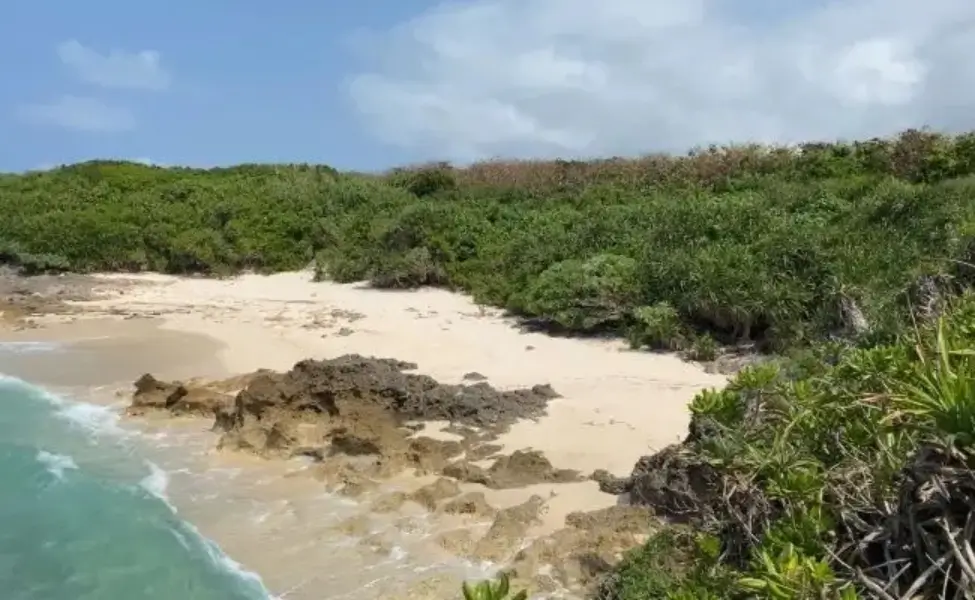
Yonaha Maehama Beach stretches for seven kilometres of white sand and emerald water.
The shallow lagoon stays warm year-round, perfect for swimming and snorkelling.

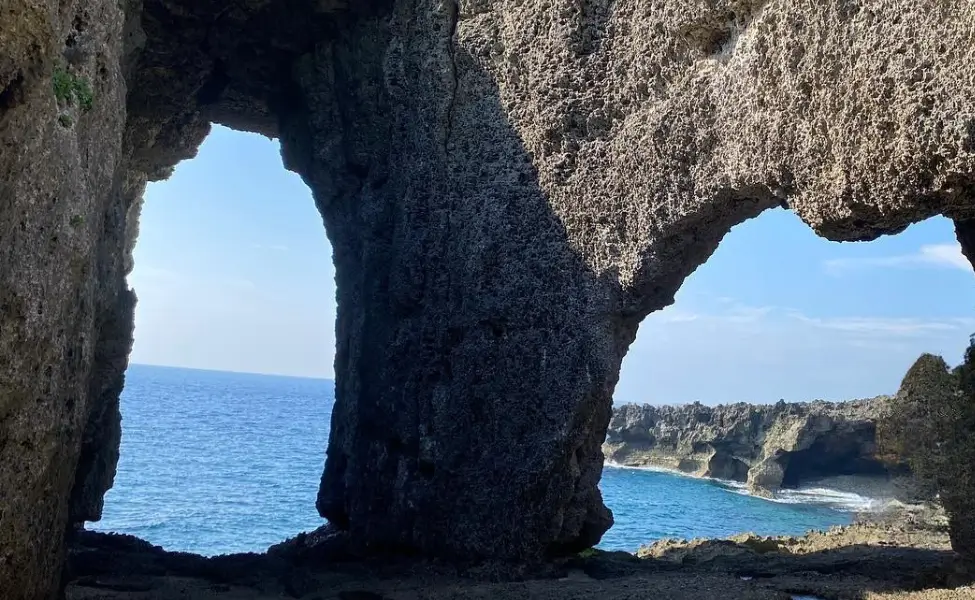
Cape Higashi-Hennazaki offers dramatic coastal views and lighthouse visits.
Traditional weaving continues at local workshops where artisans create Miyako-jofu textiles from banana fibre.
These UNESCO-recognised crafts take months to complete using techniques unchanged for centuries.
Diving and snorkelling around Miyakojima reveals pristine coral formations and tropical fish rarely seen elsewhere.
The Yabiji coral reef system, visible from the air, creates natural swimming pools during low tide.
Rebun Island: Flower Paradise of the North
Japan’s northernmost inhabited island blooms with over 300 alpine flower species during its brief summer.
Located off Hokkaido’s coast, Rebun offers hiking through flower meadows impossible to find elsewhere in Japan.

The island’s isolation preserved unique flora, including several endemic species.
Eight-hour hiking trails traverse the island’s spine, offering views of neighbouring Rishiri Island’s volcanic peak.
Best visited from late May through August when flowers peak.
Amami Oshima: Subtropical Wilderness
Between Kyushu and Okinawa lies this UNESCO World Heritage island with unique ecosystems found nowhere else.
Ancient forests house endemic species like the Amami rabbit and Amami woodpecker.
Night tours seek rabbit species while mangrove kayaking explores pristine wetlands.
Traditional mud-dyeing creates the famous Oshima tsumugi silk textiles using techniques requiring years to master.
Awaji Island: Mythical Birthplace and Culinary Delights
Awaji Island sits in the Seto Inland Sea, easily accessible from Osaka and Kobe via the stunning Akashi Kaikyo Bridge.
According to ancient Japanese mythology, this was the first island created by the gods, making it Japan’s mythical birthplace.
The island produces some of Japan’s sweetest onions, featured in everything from gourmet kaiseki meals to casual onion burgers.

Local restaurants celebrate this agricultural heritage with onion-focused menus that showcase the distinctive flavours.
The Naruto Strait between Awaji and Shikoku creates dramatic whirlpools, best viewed from sightseeing boats or the bridge observation deck.
These natural phenomena occur when tidal flows create swirling currents up to 20 metres in diameter.

Ogasawara Islands: Japan’s Galapagos
Located 1,000 kilometres south of Tokyo, these remote islands evolved in complete isolation for millions of years.
Unique endemic species earned them UNESCO World Heritage status.

Swimming with wild dolphins and whales happens year-round.
Trekking through forests reveals plants found nowhere else on Earth.
The 24-hour ferry journey from Tokyo is part of the adventure.
No airports exist, preserving the islands’ pristine ecosystems.
Yakushima: Ancient Forest Sanctuary
Yakushima is a UNESCO World Heritage island of ancient cedar forests.
Jomon Sugi may be over 2,000 years old.
Trails range from short walks in Shiratani Unsuikyo to the full-day trek to Jomon Sugi.
It rains often, so bring waterproofs.

The mystical moss-covered forests inspired Studio Ghibli’s “Princess Mononoke.”
Wildlife includes Japanese macaques and yakushika deer, both subspecies found only here.
Sea turtles nest on Nagata Inakahama beach from May through July.
Naoshima and the Seto Art Islands
Naoshima centres on Benesse House and Tadao Ando museums.
Kusama’s famous yellow pumpkin sculpture has become the island’s icon, while village homes host intimate art projects.
Teshima’s water-drop museum shifts and flows through the day.

Inujima turns an old copper refinery into atmospheric galleries.
Use ferries from Okayama.
Spring and autumn bring good weather and lighter crowds.
Allow two to three days.
Tokunoshima: Fighting Bulls and Coral Beaches
This Amami island group member hosts traditional bull fighting tournaments where bulls wrestle without harm to either animal.
Traditional brown sugar production uses heritage methods while pristine coral beaches offer excellent diving.
The island’s isolation preserved unique cultural practices and dialect distinct from mainland Japan.
Unique and Remote Islands
Aogashima: Village in a Volcano
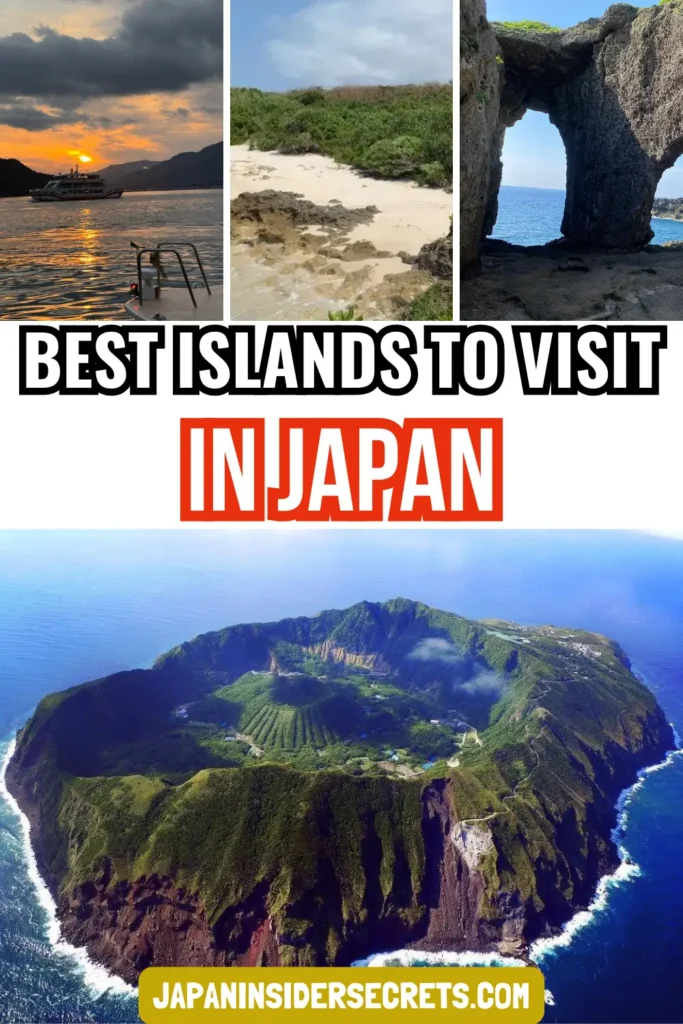
This active volcanic island houses its entire village of 160 residents inside a larger volcano’s crater.
The newer volcanic cone rises from the crater floor while local hot springs use geothermal energy.

A unique shochu distillery uses volcanic steam for distillation. Plan flexible dates. Weather often grounds flights and ferries for days.
Sado Island: Gold and Performance Arts
This large island off Niigata combines historical gold mines with traditional performing arts.
The Kodo Taiko drummers call Sado home, hosting their annual Earth Celebration.
The island also maintains noh theatre and puppet theatre traditions.

Historical sites include mine tunnels, traditional villages, and temples preserved by the island’s isolation.
Miyakejima: Swimming with Wild Dolphins
Flights from Tokyo take about 50 minutes.
Swim with wild bottlenose dolphins with licensed operators.
A resident pod of approximately 120 dolphins lives in coastal waters year-round, showing curiosity about human visitors.
Mount Oyama’s 2000 eruption forced complete evacuation for five years.
Visitors can still see abandoned buildings and volcanic landscapes alongside the recovering ecosystem.
Kozushima: Secret Surf Paradise
This Izu Island offers some of Japan’s best surfing conditions with uncrowded white sand beaches and consistent swells.
The volcanic sand creates beautiful contrasts with blue Pacific waters.
Beyond surfing, dramatic cliff hiking and natural hot springs provide additional attractions.
Three-hour high-speed ferry services from Tokyo operate regularly.
Ojika Island: Traditional Village Life
This small island off Nagasaki preserves traditional Japanese village life with minimal tourism impact.
Terraced rice fields cascade to the sea while ancient shrines dot forested hillsides.

Traditional farmhouse stays with local families, ancient shrine festivals with kagura dance performances, and sea kayaking through hidden coves maintain Japan’s original satoyama landscape where humans and nature coexist harmoniously.
Outdoor Adventures on Japan’s Islands
Marine Life and Diving
You can snorkel reefs from the beach or book boat dives to manta cleaning stations.
The Kerama Islands near Okinawa offer world-class diving with visibility often exceeding 50 metres.
Warm waters allow year-round diving, though visibility peaks during winter months.
Sea turtles, manta rays, and tropical fish thrive in the coral reef ecosystems.

Whale watching season runs from January through March around Zamami Island.
Forest Hiking and Ancient Trees
Subtropical trails, bamboo groves and coastal paths offer diverse hiking experiences across Japan’s islands.
Mountain trails wind through unique ecosystems from coastal landscapes to cloud forests.

Trail difficulties range from easy nature walks to challenging mountain climbs.
Local guides enhance experiences with knowledge of flora, fauna, and cultural history.
Beaches, Kayaking and Water Sports
You can paddle through narrow channels lined with tropical plants or explore hidden coves by sea kayak.
Mangrove forests around Okinawa and coastal paddling between small islands offer calm water experiences.
White sand beaches provide relaxation while many locations rent equipment and offer lessons.
The water stays warm enough for swimming most of the year.
Volcanic Landscapes and Hot Springs
Active volcanoes create lava fields, rugged peaks and geothermal baths.
On Sakurajima you can view the crater area and soak in baths heated by underground heat.
Many islands pair a short hike with an outdoor onsen.
Culture and Traditions of Japan’s Islands
Ryukyu Kingdom Legacy
The Ryukyu Kingdom, centred in Okinawa, shaped architecture, food and music across the southern islands.

Traditional crafts include bingata textile dyeing and distinctive pottery techniques developed over centuries.
Music and dance feature the sanshin, a three-stringed instrument central to Okinawan culture.
Traditional ryokan inns preserve Ryukyu architecture with tatami floors and distinctive gardens.
Island Festivals and Crafts
You can witness authentic cultural practices at local festivals that blend Shinto traditions with regional customs.
Each island maintains unique celebration traditions reflecting local history and beliefs.
Many workshops welcome visitors to observe artisans at work.
Traditional Industries
Island communities developed specialised industries based on local resources.
Brown sugar production, silk dyeing with mud and plant materials, and pottery traditions continue today while adapting modern techniques.
These industries maintain distinctive styles developed over generations, often incorporating materials and methods unique to specific islands.
Island Hopping and Transport
Ferry Networks
Regular ferry services connect most inhabited islands with mainland ports.
High-speed vessels reduce travel times but cost more than conventional ferries.
Regional passes like the Setouchi Area Pass provide economical transportation for multiple islands.
Weather conditions significantly affect ferry operations.
Winter storms and summer typhoons can disrupt schedules for several days.
Flight Options
Domestic flights serve many larger islands.
The Ogasawara Islands have no airport so access is by a 24-hour ferry from Tokyo.
Small aircraft connect island chains, though services are limited and weather-dependent.
Reserve accommodation well in advance, especially for smaller islands with limited lodging options.
Seasonal Planning
Spring and autumn generally offer the most pleasant weather for island hopping.
Summer brings hot, humid conditions but also peak festival seasons.
Winter provides comfortable temperatures in southern islands.
Typhoon season (May through October) can severely disrupt transportation. Build flexibility into itineraries during these months.
Practical Tips
Accommodation Options
Islands offer diverse lodging from luxury resorts to traditional ryokan inns and simple guesthouses.
Traditional stays provide cultural experiences with tatami rooms and local cuisine.
Camping is permitted on some islands, though facilities vary widely.
Smaller islands may have very limited options requiring advance booking, especially during summer and holiday periods.
Language and Communication
English is less common on smaller islands compared to major cities.
Basic Japanese phrases help with local interactions, though islanders often show patience with foreign visitors.
Cultural sensitivity is important when visiting traditional communities.
Respect local customs, particularly around religious sites and traditional practices.
Costs and Budgeting
Island travel generally costs more than mainland Japan due to transportation and limited competition.
Remote islands command premium prices for accommodation and dining.
Budget planning should account for weather delays that might extend stays unexpectedly.
Ferry transportation offers the most economical option while flights provide speed and reliability at higher cost.
Frequently Asked Questions
What are the best Japanese islands to visit?
For tropical beaches and distinct culture, visit the Okinawa Archipelago.
If you prefer ancient forests and hiking, choose Yakushima.
For art and design, head to Naoshima in the Seto Inland Sea.
For unusual experiences, consider Aogashima or Miyakejima.
When is the best time to visit Japan’s islands?
Spring (March-May) and autumn (September-November) offer pleasant weather for most islands.
Summer brings festivals but hot, humid conditions.
Winter is comfortable in southern islands but can be rough in northern areas.
How do you travel between Japan’s islands?
Regular ferries connect most islands to mainland ports and each other.
High-speed boats reduce travel times but cost more.
Flights serve larger islands and remote destinations.
Regional transport passes can provide savings for multiple destinations.
Are Japan’s islands expensive to visit?
Island travel costs more than mainland Japan due to transport and limited services.
Budget for higher accommodation and dining prices, especially on remote islands.
Weather delays can extend stays unexpectedly.
Glossary of Japanese Terms
Bingata – Traditional Okinawan textile dyeing technique using stencils and natural dyes to create colourful patterns
Goya champuru – Popular Okinawan dish featuring bitter melon stir-fried with tofu, eggs, and pork
Ryokan – Traditional Japanese inn with tatami mat floors, futon bedding, and communal baths
Sanshin – Three-stringed musical instrument central to Okinawan traditional music
Yakusugi – Ancient cedar trees found on Yakushima, typically over 1,000 years old