The thing nobody tells you before deciding which Japan cruise ports to visit, is how fast six hours disappears.
Your ship pulls in, you clear the gangway, and suddenly it is mid-afternoon.
You are calculating whether you have time for one more stop before you need to be back aboard. Getting this wrong does not mean a bad afternoon.
It means coming home from a once-in-a-decade trip with the nagging sense that you skimmed the surface of something extraordinary.
Japan’s coastal ports are not interchangeable.
Some will put you thirty minutes from Kyoto on a standard commuter train.
Others will drop you into a city with enough history and fresh seafood to fill a full day without leaving the waterfront.
Knowing which is which before the ship docks separates the days you will talk about for years from the ones you spend mainly in taxis.
The table below covers every major port in this article.
Each port is then broken down in full, with a six-hour plan, food recommendations, and an honest verdict on independent travel.
Use this as a planning guide, not a fixed itinerary.
Cruise schedules vary, docking locations can change, and some ports use shuttle buses.
Always check your ship’s all aboard time before committing to a longer trip inland.
How to Read This Japan Cruise Port Guide
| Port | Best for | Local or travel out | Six-hour focus | Independent ease | Main risk |
|---|---|---|---|---|---|
| Yokohama | Tokyo and Kamakura access | Travel out | Train to Shibuya or Kamakura | Simple | Leaving too late |
| Kobe | Himeji, Osaka, or Kyoto access | Travel out | Himeji Castle | Simple | Trying to fit two cities |
| Hiroshima | Peace history and island visit | Both | Peace Park then Miyajima | Simple | Low tide on Miyajima |
| Nagasaki | Trade history and culture | Stay local | Dejima and Glover Garden | Simple | Underestimating walk times |
| Hakodate | Seafood and scenery | Stay local | Morning market and ropeway | Simple | Arriving too late for market |
| Kanazawa | Gardens and geisha district | Stay local | Kenrokuen and Higashi Chaya | Easy | Bus wait from port |
| Shimizu | Fuji views | Stay local | Miho no Matsubara and Nihondaira | Easy | Cloud cover hiding Fuji |
| Kagoshima | Volcano and regional food | Stay local | Sakurajima ferry and Sengan-en | Simple | Ash fall on windy days |
| Beppu | Onsen and hot springs | Stay local | Hells circuit and sand bath | Easy | Rushing the Hells |
| Nagoya | Castles, museums, and food | Stay local | Castle or Toyota Museum | Easy | Spreading too thin |
| Aomori | Northern Japan and seafood | Stay local | Nebuta Museum and Sannai Maruyama | Easy | Hirosaki timing |
The Ports That Take You Somewhere Else
From Yokohama, Kobe, and Hiroshima, you can reach some of Japan’s most famous sights in under an hour by public transit.
No tour booking or complex connection required.
Yokohama: Tokyo Access With a Waterfront Worth the Walk
Yokohama is one of Japan’s major ports and handles most cruise traffic for the Tokyo region.
Osanbashi Pier, the main cruise terminal, sits within ten minutes’ walk of the Red Brick Warehouse district, a stretch of restored Meiji-era buildings now lined with restaurants and shops.
Japan’s largest Chinatown is also reachable on foot from the pier in around the same time.

If Tokyo is on your list, the journey is simple.
Walk to Sakuragicho Station, ten minutes from the pier, and connect to Shibuya in around thirty minutes on the JR or Tokyu lines.
Kamakura and its Great Buddha are reachable in forty to fifty minutes from Yokohama Station by the JR Yokosuka Line.

The key is knowing the route before you arrive, picking up a Suica IC card at the station, and leaving early.
Most people who feel pressed for time in Yokohama spend the first hour working out where they are.
Yokohama’s own waterfront is worth a full morning if Tokyo feels like too much for one shore stop.

The Minato Mirai 21 district is compact, walkable, and far more interesting than it looks from the ship.
| Planning point | Recommendation |
|---|---|
| Best 6 hours | Choose either Yokohama’s waterfront and Chinatown, or take the train to Shibuya or Kamakura. Do not try to do all three on a short port call. |
| If you have longer | Combine Shibuya with Harajuku or add a full afternoon in Kamakura |
| What to skip | The waterfront if Tokyo is your priority; save it for shorter shore days |
| Best food | Chinatown for dim sum and steamed buns; ramen bars near Sakuragicho |
| Independent verdict | The easiest port on any Japan itinerary |
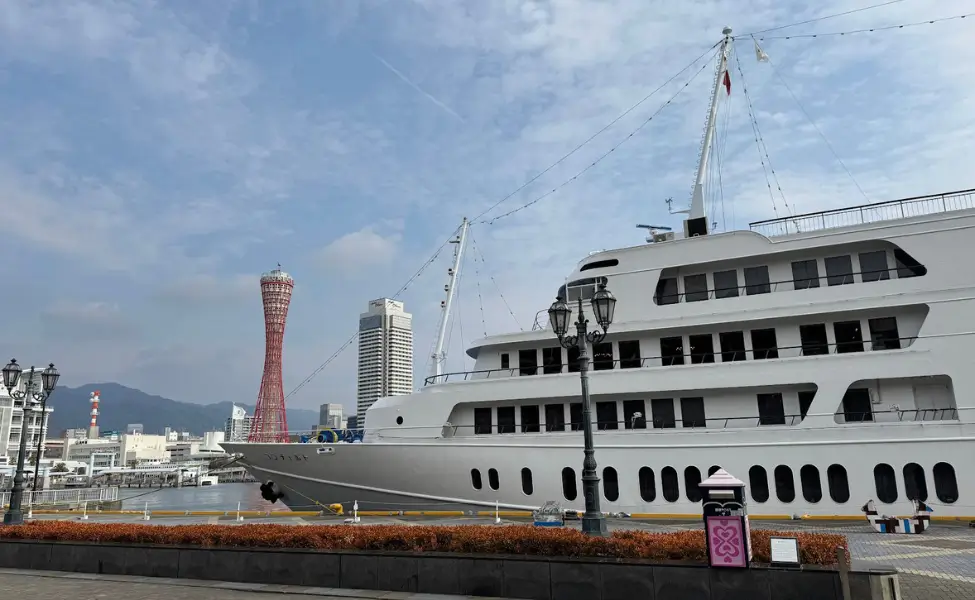
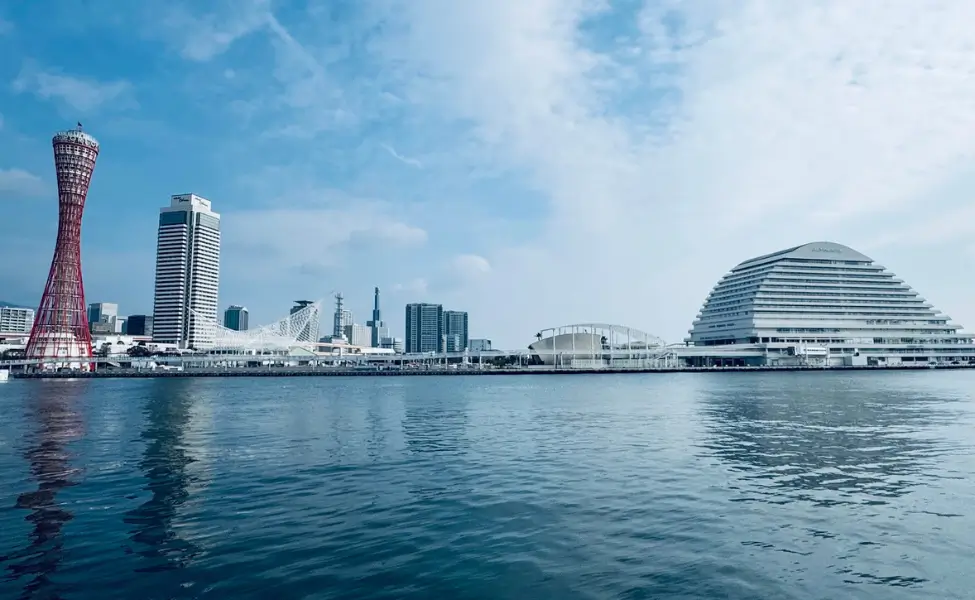
Kobe: The Port That Opens Up Osaka, Kyoto, and Himeji
Kobe is the smartest access point on a Japan cruise for travellers with multiple major sights on their list.
The city opened to foreign trade in 1868 and has retained a distinctly international character.
Old Western-style merchant houses in the Kitano district still stand on the hillside above the port, visible evidence of that era.
Walking up to Kitano takes around twenty minutes from the waterfront and makes a pleasant first hour before heading further afield.
From Sannomiya Station, around fifteen minutes from the cruise terminal on foot, Osaka is a twenty-five minute rapid train ride.
Himeji Castle is around thirty minutes by the JR Sanyo Line.

Kyoto is around fifty minutes by Shinkansen from Shin-Kobe Station, a short taxi ride from Sannomiya.
For a traveller with six to eight hours ashore, this timetable allows a proper visit to one major city.
Many people find a half-day at Himeji more rewarding than rushing through Kyoto, and the castle is one of the best-preserved in Japan.
Allow around ninety minutes to explore it properly.
Kobe beef is best eaten in the harbour area at the end of your shore day, not mid-excursion.

Ordering it when you are watching the clock means you will not appreciate it.
| Planning point | Recommendation |
|---|---|
| Best 6 hours | Walk to Kitano, then train to Himeji Castle |
| If you have longer | Add dinner in Kobe or Osaka only if your ship departs late. Otherwise, keep the day focused on Himeji and return with time to spare. |
| What to skip | Trying to cover both Kyoto and another city in one shore day |
| Best food | Kobe beef at a teppanyaki lunch in the harbour area at the end of the day |
| Independent verdict | Simple; Sannomiya Station is well-signed in English throughout |
Hiroshima: Peace Park, Miyajima, and the Most Emotionally Important Shore Day on Any Japan Itinerary
Hiroshima is not a port you leave without visiting the Peace Memorial Park.
It sits around twenty minutes from the cruise terminal by streetcar.

The A-Bomb Dome, the Peace Memorial Museum, and the Children’s Peace Monument together take around two hours at a reasonable pace.

Allow more time for the museum itself, as it is more affecting than most first-time visitors expect.
Miyajima Island and Itsukushima Shrine are around sixty to seventy-five minutes from the cruise terminal by streetcar and ferry.
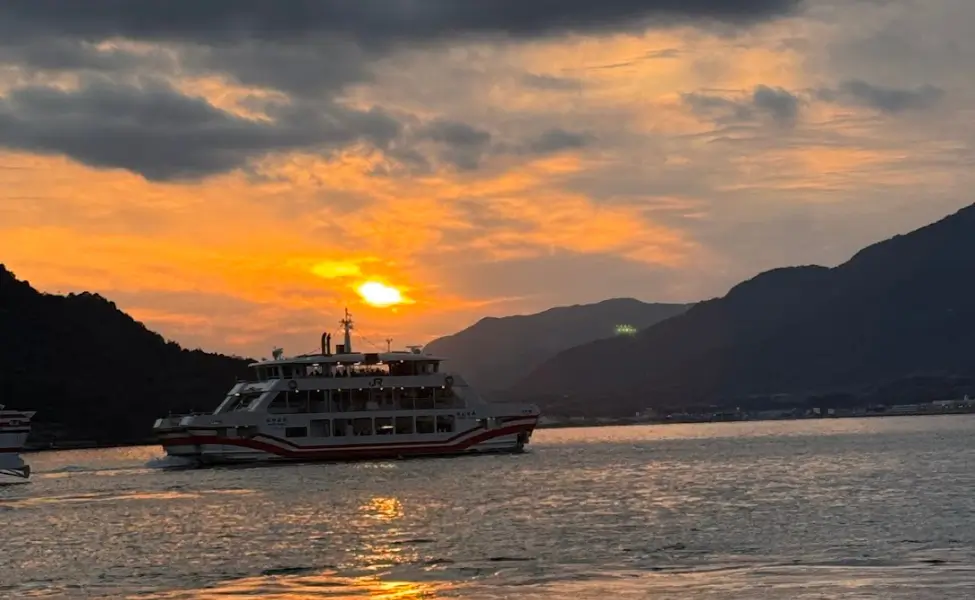
The famous torii gate appears to float above the water at high tide.
Many travellers try to fit both Hiroshima and Miyajima into a single shore stop.
With six hours, this is possible if you visit Miyajima first and head to the Peace Memorial Park on the way back.

Check the tide times before leaving the ship.
The difference between seeing the gate at high tide and at low tide is considerable.

Beyond the shrine, Miyajima offers a short hike to Mount Misen for views across the Seto Inland Sea.

Keep that option for longer shore days only.
| Planning point | Recommendation |
|---|---|
| Best 6 hours | Miyajima at high tide, then Peace Memorial Park and Museum |
| If you have longer | Hike to Mount Misen on Miyajima before taking the ferry back |
| What to skip | Mount Misen on a tight schedule; it adds 2 to 3 hours |
| Best food | Hiroshima-style okonomiyaki, the layered pancake with noodles, near the Peace Park area |
| Independent verdict | Simple; check tide times the night before |
Ports Worth Your Full Attention
Some ports reward you most when you stop trying to leave them.
Nagasaki, Hakodate, and Kanazawa each offer enough within walking distance or a short taxi ride to fill a full shore day.
Each carries a distinct identity you will not find replicated anywhere else on the itinerary.
Nagasaki: Four Centuries of Trade History in Walking Distance
Nagasaki spent centuries as Japan’s only window on the outside world. During the Edo period, it was the single port permitted to conduct limited trade with Dutch merchants, and that history is impossible to miss.

Dejima, the artificial island where Dutch traders were confined, has been partially reconstructed as an open-air museum close to the waterfront.
The walk from the cruise pier to Dejima takes around fifteen minutes.

Glover Garden sits on the hillside above the port, a collection of Western-style houses built by foreign merchants in the 1860s.
Thomas Blake Glover, a Scottish merchant whose house dating from 1863 is the oldest surviving Western-style wooden building in Japan, is the central figure.
The garden requires a cable car or a short steep walk and offers strong views across the harbour.
Allow around two hours for Dejima and Glover Garden combined.
The city’s Peace Park and Nagasaki Atomic Bomb Museum are a short tram ride from the port and worth including if your schedule allows.
Mount Inasa, accessible by ropeway, gives one of the most striking panoramic views of any port in Japan.

Getting there takes around thirty to forty minutes from the waterfront by taxi and ropeway combined.
| Planning point | Recommendation |
|---|---|
| Best 6 hours | Dejima, Glover Garden, and Peace Park |
| If you have longer | Add Mount Inasa at dusk for the harbour panorama |
| What to skip | Mount Inasa if time is short; drop it before cutting the historical sites |
| Best food | Champon noodles and kakuni pork buns, both originating in Nagasaki |
| Independent verdict | Simple; tram connects the main sights, walking covers the rest |
Hakodate: The Seafood Market and the Dusk View
Hakodate sits at the southern tip of Hokkaido, where the city connects to two separate bays on either side of a narrow peninsula.
The waterfront morning market opens from around five in the morning and is worth visiting early if your ship docks overnight or at dawn.

Seafood and produce stalls line the market, and you can browse in twenty minutes or linger for two hours.
Either way, it is one of the most enjoyable waterfront experiences in Japan.
Beyond the market, the Goryokaku star fort is a short tram or taxi ride from the port and worth an hour if you have time.
The Western-style streets of Motomachi, a short walk above the waterfront, carry the same international trading-port character as Nagasaki’s hillside districts.

Allow around ninety minutes to cover both comfortably.
Mount Hakodate is the main draw beyond the market.
The dusk view from the summit, with city lights visible on both sides of the peninsula, is among the most distinctive in Japan.
A ropeway runs frequently, and the journey from the waterfront takes around twenty minutes by taxi.
If your ship departs in the evening, timing this view is worth planning around.
| Planning point | Recommendation |
|---|---|
| Best 6 hours | Morning market and Motomachi if you dock early. Add Mount Hakodate only if your ship stays into the evening. |
| If you have longer | Add Goryokaku fort and more time at the morning market |
| What to skip | The ropeway in heavy cloud; check conditions before committing to the journey |
| Best food | Morning market for fresh seafood and ikura rice bowls; squid dishes are a local speciality |
| Independent verdict | Simple; tram, ropeway, and short taxi rides cover everything |
Kanazawa: One of the Best Cultural Shore Days in Japan
Kanazawa is one of Japan’s best-preserved Edo-period cities and one of the most rewarding stops on any extended Japan cruise itinerary.
Unlike most historic Japanese cities, it survived the Second World War largely undamaged.
That intact history shows across three main districts, all reachable within a short walk of each other.

Kenrokuen garden is the anchor.
It ranks consistently among Japan’s three great gardens and takes around ninety minutes to walk properly.
Higashi Chaya, the geisha district a short walk to the east, is a beautifully preserved street of old teahouses.

Allow around forty-five minutes at a steady pace.
Nagamachi, the samurai residential quarter on the opposite side of the central park, adds another thirty to forty minutes.
Omicho Market, close to the city centre, is the food stop.

A covered fresh seafood market, it focuses on crab, squid, and fresh sashimi.
Kanazawa Port sits around fifteen to twenty minutes from the city centre by bus or taxi.
Getting oriented quickly matters here, as the port is less central than Yokohama or Kobe.
Take the port bus or a taxi straight to Kenrokuen and work inward from there.
| Planning point | Recommendation |
|---|---|
| Best 6 hours | Kenrokuen, Higashi Chaya, and Omicho Market |
| If you have longer | Add Nagamachi and the 21st Century Museum of Contemporary Art |
| What to skip | Waiting for the taxi queue at the port; take the port shuttle bus directly to Kenrokuen |
| Best food | Omicho Market for fresh crab and sashimi; kaiseki set lunch near Kenrokuen |
| Independent verdict | Easy; bus from the port to the centre, then walkable |
Ports Built Around a Single Experience
Some shore days work best when you commit to one central draw rather than spreading across several sights.
Shimizu means Fuji views.
Kagoshima means Sakurajima.
Beppu means hot springs.
Each of these ports rewards a focused plan over a scattered one.
Shimizu: The Fuji View Port Where Weather Decides the Day
Shimizu is Japan’s Fuji view port, and the single most important piece of planning is checking the forecast before the ship docks.
Mount Fuji is hidden by cloud on more days than most visitors expect.
This is particularly true between May and late September, when warm, humid air blankets the region.
October through February gives the clearest views.
If your cruise includes Shimizu in midsummer, manage expectations early.
On a clear day, the options are strong.
Miho no Matsubara is a UNESCO-listed pine spit where Fuji frames through the trees, around twenty minutes from the port by bus.
Nihondaira, a plateau east of the city, has wide Fuji views and connects by ropeway to Kunozan Toshogu shrine below.

This shrine predates and directly influenced the more famous Toshogu in Nikko, and it is considerably quieter.
The descent by ropeway and a slow walk around the shrine complex takes around ninety minutes.
If Fuji is hidden, Shimizu has a strong fallback.
The port area sits in the heart of Shizuoka Prefecture, which produces some of Japan’s best tuna.
Shimizu tuna, landed locally, is served at sushi restaurants close to the port and makes for an excellent compensatory meal.
| Planning point | Recommendation |
|---|---|
| Best 6 hours | Miho no Matsubara, then Nihondaira ropeway and Kunozan Toshogu |
| If you have longer | Add Shizuoka city centre and the Sunpu Castle ruins |
| What to skip | Viewpoint transport if cloud is forecast; redirect the time to tuna sushi near the port |
| Best food | Shimizu maguro tuna; sushi restaurants near the port fish market |
| Independent verdict | Easy by bus; the Fuji view depends entirely on the weather |
Kagoshima: Volcano Views and a Side of Japan That Feels Entirely Different
Kagoshima sits at the southern end of Kyushu and gives you a Japan that bears almost no resemblance to Tokyo or Kyoto.
The skyline is dominated by Sakurajima, one of Japan’s most active volcanoes, which sits across the bay and emits visible ash on most days.
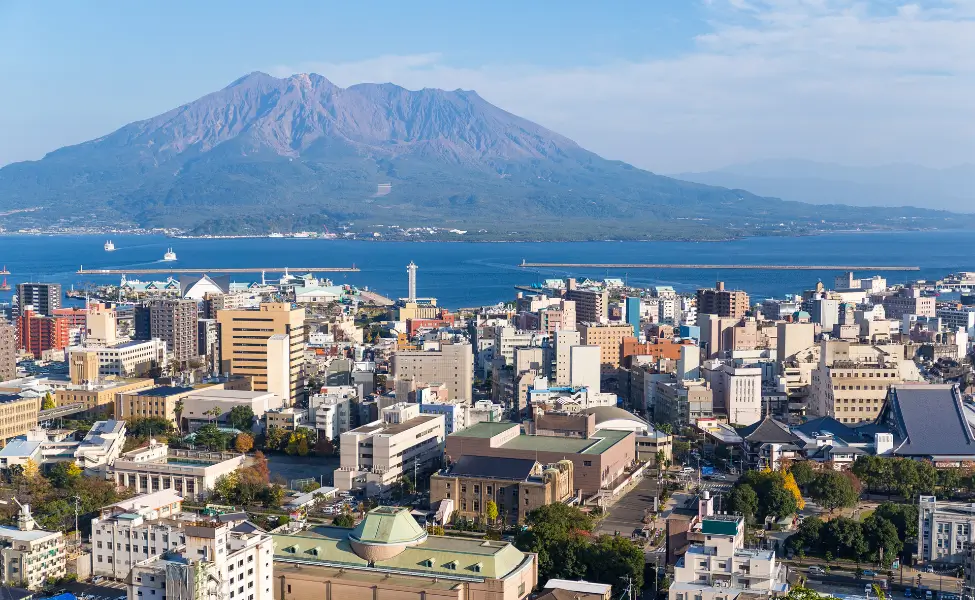
This is not a backdrop.
It is the defining fact of daily life in the city, and spending time with that reality is the main reason to come ashore here.
The Sakurajima ferry departs every ten to fifteen minutes from the port area and takes around fifteen minutes across the bay.
Reaching the volcano observatory on the island takes another twenty minutes by bus or taxi.
Check the wind direction before boarding.
On days when ash drifts toward the city, conditions on the island are unpleasant, and the Kagoshima ferry terminal posts daily conditions.
Sengan-en, a traditional garden on the northern edge of the city, provides the other compelling stop.

Built by the Shimazu clan in 1658, it uses Sakurajima as a deliberate borrowed landscape backdrop.
Combined with the Shoko Shuseikan museum beside it, the site takes around ninety minutes.
Tenmonkan, the covered shopping and eating district, is close to the waterfront and covers the local food side of Kagoshima without a long journey.
| Planning point | Recommendation |
|---|---|
| Best 6 hours | Sakurajima ferry and observatory, then Sengan-en garden |
| If you have longer | Add Tenmonkan for the evening food scene |
| What to skip | Sakurajima on days with southerly wind bringing ash toward the main island |
| Best food | Kurobuta black pork as shabu shabu or tonkatsu; sweet potato-based dishes |
| Independent verdict | Simple; ferry is cheap and frequent, English signage throughout |
Beppu: Japan’s Onsen Capital as a Shore Day
Beppu is the most geothermally active city in Japan and one of the few port stops that works best as a slow local day rather than a sprint through sights.

Steam rises from road drains and building vents across the city.
The smell of sulphur is constant.
This is the experience.
The eight designated Hell pools, known as the Jigoku, are the main tourist circuit.
These are geothermal pools used for viewing rather than bathing, ranging from the bright blue Umi Jigoku to the blood-red Chinoike Jigoku.

A taxi covering all eight takes around two to three hours and is the most practical option for a shore day.
The Hells closest to each other are grouped into two clusters at Kannawa and Shibaseki, so a taxi or local bus makes the circuit manageable.
For visitors who want to bathe, Hyotan Onsen near Kannawa is a good first choice.
It is well regarded, easy to understand, and less intimidating than a tiny local bathhouse.
At Beppu Beach, attendants cover you in naturally heated volcanic sand for a sand bath, which takes around an hour from start to finish.
Near the Kannawa Hells, you can also try jigoku mushi, where natural geothermal steam cooks eggs, corn, seafood, and other simple foods.
| Planning point | Recommendation |
|---|---|
| Best 6 hours | Hells circuit by taxi, then sand bath or a session at Hyotan Onsen |
| If you have longer | Day visit to a ryokan for a private onsen session |
| What to skip | Combining Beppu with Yufuin in one shore stop; the drive is forty-five minutes each way |
| Best food | Jigoku mushi steam-cooked eggs and corn near the Kannawa Hells |
| Independent verdict | Easy by taxi for the Hells; local buses work but run less frequently |
The Practical Ports That Reward a Plan
Nagoya and Aomori are the two ports most likely to feel like filler on a cruise itinerary if you arrive without a plan.
Each has a handful of sights most cruise passengers overlook entirely.
Nagoya: The Practical Port That Rewards a Plan
Nagoya is easy to underestimate from a cruise itinerary.
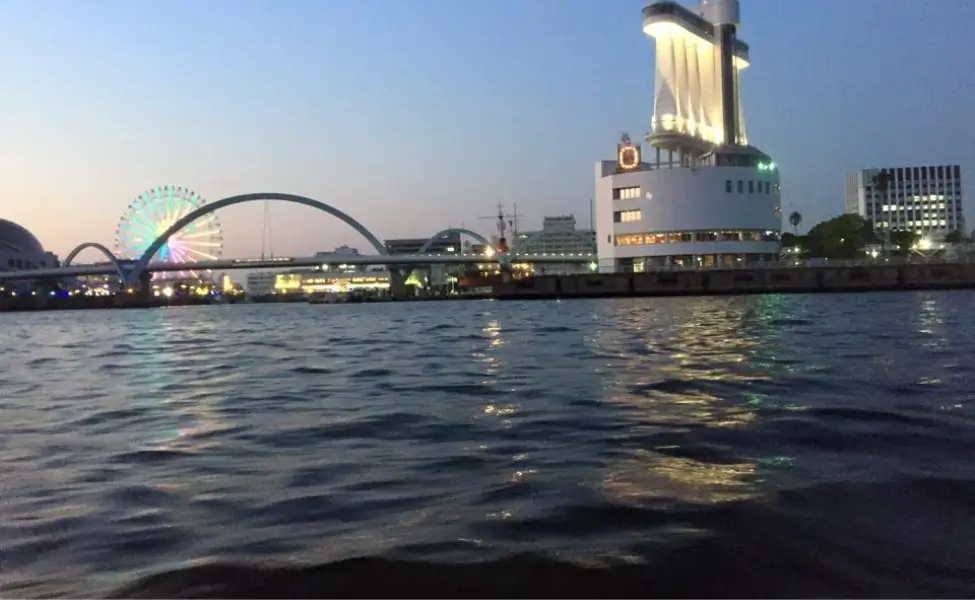
Give it a clear plan and it delivers a workable, satisfying shore day.
The options split clearly between heading into the city and staying close to the waterfront.
City-bound, the main sights are Nagoya Castle, Atsuta Jingu shrine, and the Osu covered shopping streets.

The Toyota Commemorative Museum of Industry and Technology and the SCMAGLEV and Railway Park are both strong choices if transport history interests you.
Anyone who prefers to stay near the water can make good use of the Port of Nagoya Public Aquarium, which sits close to the cruise terminal and requires no long transit into the city.
Nagoya is one of Japan’s better food cities.
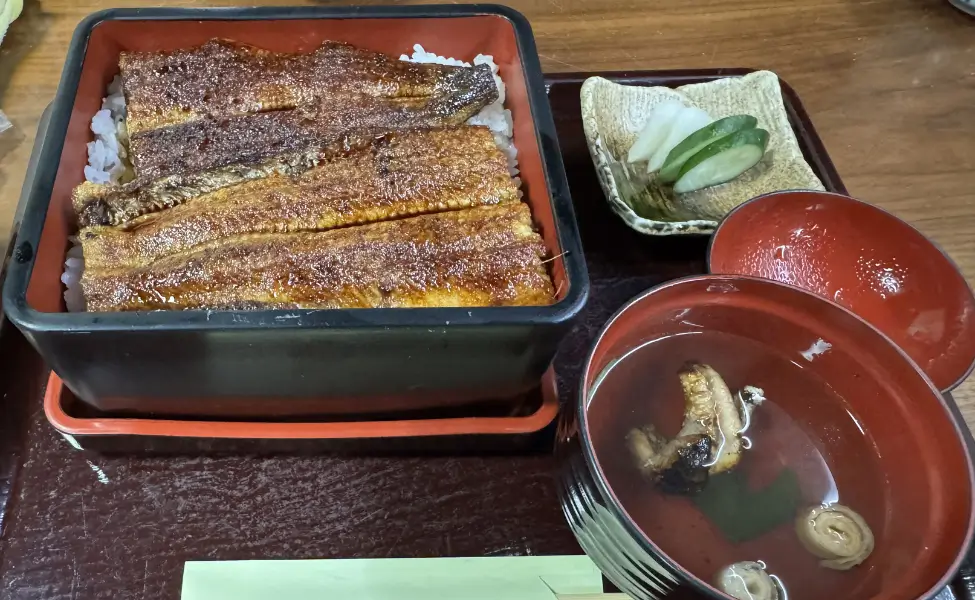
Hitsumabushi, a grilled eel dish served over rice with broth and condiments, is the meal to plan around if you want something distinctly local.
Miso katsu and tebasaki chicken wings are faster, easier choices when shore time is short.
Treat Nagoya as a compact city stop with strong food, reliable transport, and a handful of worthwhile sights.
Most cruise passengers overlook it entirely, which means the ones who plan ahead generally leave happy.
| Planning point | Recommendation |
|---|---|
| Best 6 hours | Nagoya Castle and Atsuta Jingu, or Toyota Museum and SCMAGLEV Park |
| If you have longer | Add Osu shopping streets and a proper hitsumabushi lunch |
| What to skip | Trying to cover both the castle area and the museums; pick one side of the city |
| Best food | Hitsumabushi grilled eel; miso katsu; tebasaki chicken wings |
| Independent verdict | Easy; Nagoya’s subway is clear and well-signed in English |
Aomori: Northern Japan in One Shore Stop
Aomori sits at the northern tip of Honshu and marks the point where Japan starts to feel properly different.
The climate, the food, the pace, and the culture all shift.
For a cruise itinerary that has spent several days in the Kansai or Kanto region, Aomori offers strong contrast.

The waterfront Aomori Bay area is pleasant and compact.
Wa Rasse, the Nebuta Museum, covers Aomori’s summer lantern festival, where the city parades vast illuminated floats each August.
The museum is worth an hour and explains a festival that most visitors to Japan never witness.
Sannai Maruyama, a Jomon-period settlement around 5,900 years old, is a short taxi ride from the port.
It predates anything on the standard tourist circuit by several thousand years.
Hirosaki, forty-five minutes away by train, holds a well-preserved castle and one of Japan’s most photographed cherry blossom parks.

It is worth the journey if your shore time extends beyond seven hours.
For shorter stops, it is a stretch.
Aomori’s food scene centres on fresh seafood.
Look for hotate scallops and tuna first, especially around the local fish markets.
The fish market near the port is close enough to visit on foot.
| Planning point | Recommendation |
|---|---|
| Best 6 hours | Wa Rasse Nebuta Museum and Sannai Maruyama Jomon Site |
| If you have longer | Train to Hirosaki for the castle and cherry blossom park |
| What to skip | Hirosaki when shore time is under seven hours |
| Best food | Hotate scallops and tuna at the fish market near the port |
| Independent verdict | Easy for the bay area; Hirosaki requires careful timing |
Other Japan Cruise Ports Worth Knowing
Some itineraries include smaller or less obvious ports that do not need a full shore plan but are still worth taking seriously.
Otaru is a good half-day stop if your route includes Hokkaido.

The canal district, old warehouses, glass shops, and sushi restaurants are easy to enjoy without travelling far.
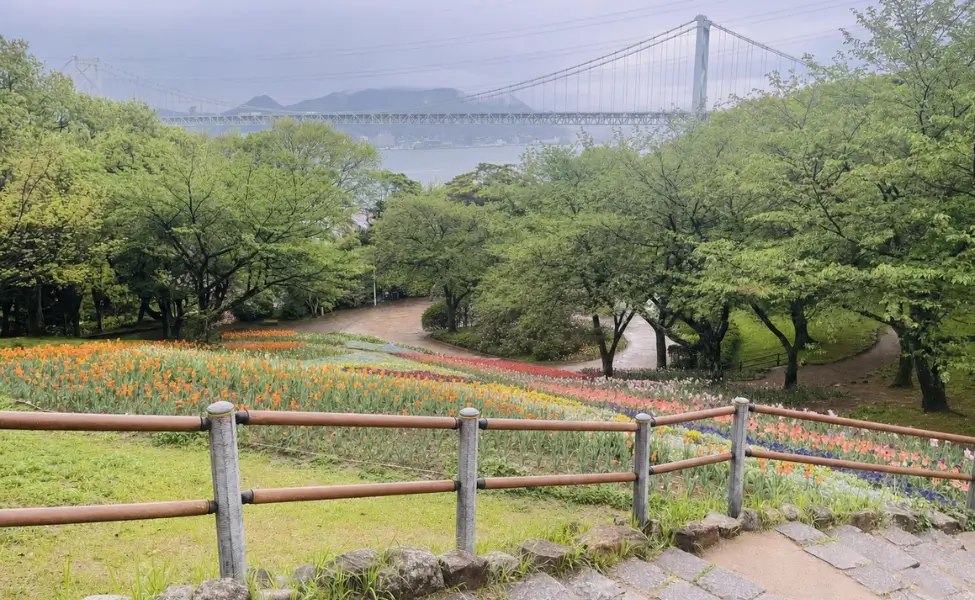
Shimonoseki is worth your time for the Kanmon Strait, Akama Shrine, and fresh seafood. It is especially good for travellers who like history that feels tied to the actual landscape in front of them.
Kochi works well as a slower local day.
Kochi Castle, the Sunday market, and the city’s relaxed pace make it a good contrast to Japan’s larger ports.
Naha gives you a very different version of Japan, shaped by Ryukyuan culture, island food, and Okinawan history.

Shuri Castle, Kokusai Street, and local markets are the obvious starting points.
Sakaiminato is best known for Mizuki Shigeru Road and its manga statues.
Going Independently: What You Actually Need to Know
At many Japanese cruise ports, the public train, tram, or bus a local would use is faster, cheaper, and more flexible than a chartered coach.
Ship excursions can still help if you have limited port time, reduced mobility, an awkward route, or you simply prefer the reassurance of a guided return.
For the ports covered in this article, independent travel is realistic for confident travellers who plan the route in advance and keep a firm return buffer.
The concern about missing the ship is real, but manageable with one firm rule.
Set your phone alarm for ninety minutes before all-aboard time and commit to heading back at that point regardless of where you are.
Japan’s transit is consistent enough that ninety minutes gives you more than enough buffer from any of these ports.
Worth noting before you finalise your priorities.
Japan’s port towns carry more distinct local identity than the standard tourist circuit tends to suggest.
The places most cruise passengers overlook, including Kanazawa, Shimonoseki, and Aomori, often turn out to be the most memorable stops on the itinerary.
Those ports with the famous connections are worth using as gateways.
Some of the best days ashore in Japan, though, happen in places that were not the main plan.