

The short answer: Yes, Hida-takayama is worth visiting if you want a genuinely preserved Edo-period merchant town with excellent food and proper alpine scenery.
But if you’re on a tight first trip of seven to ten days, the travel time alone should give you pause.
Getting there takes a full day out of your schedule, and that’s a real trade-off you need to weigh up before you commit.
What is Hida-Takayama Actually Like?
Let me be straight with you.
The photos are accurate.
The narrow lanes of the old town really do look like that, the wooden facades are genuine, and on a quiet morning with mist coming off the mountains it’s a beautiful place to walk around.
But calling it a hidden gem is pushing it these days.
The secret got out years ago.
By mid-morning in peak season, those same narrow lanes are full of tour groups moving in slow processions past the sake breweries and gift shops.
It’s not a disaster, but it’s not the undiscovered Japan you might be picturing either.
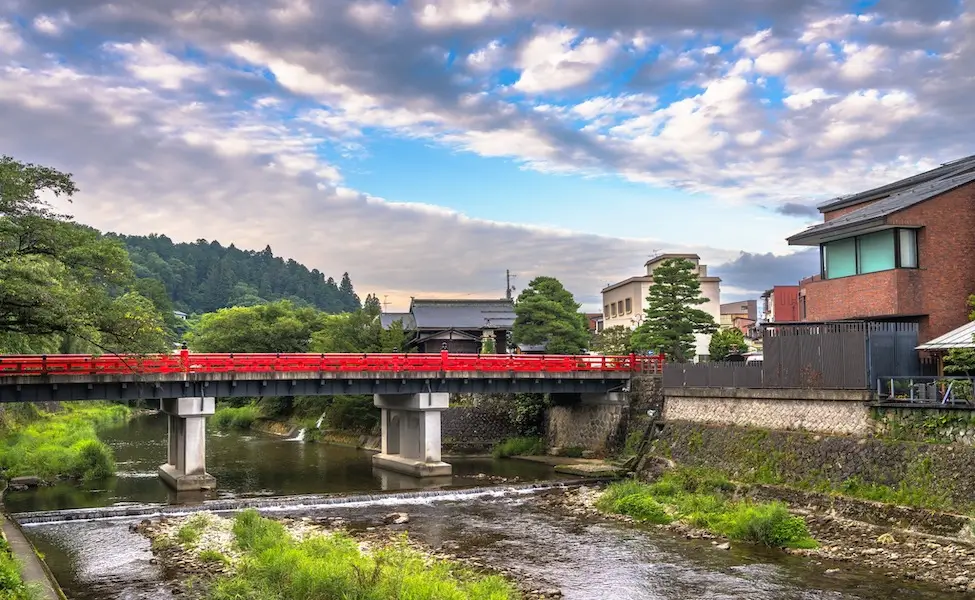
The real Takayama experience depends almost entirely on timing.
Get up early and you’ll have the place largely to yourself.
Sleep in and join the tourist circuit at ten in the morning, and you’re fighting for pavement.
That’s the honest version.
The Pros: Why You Should Visit Takayama
The Preserved Old Town (Sanmachi Suji)
Sanmachi Suji is the heart of the old town and it earns its reputation.
The three streets of dark timber merchant houses are well preserved.
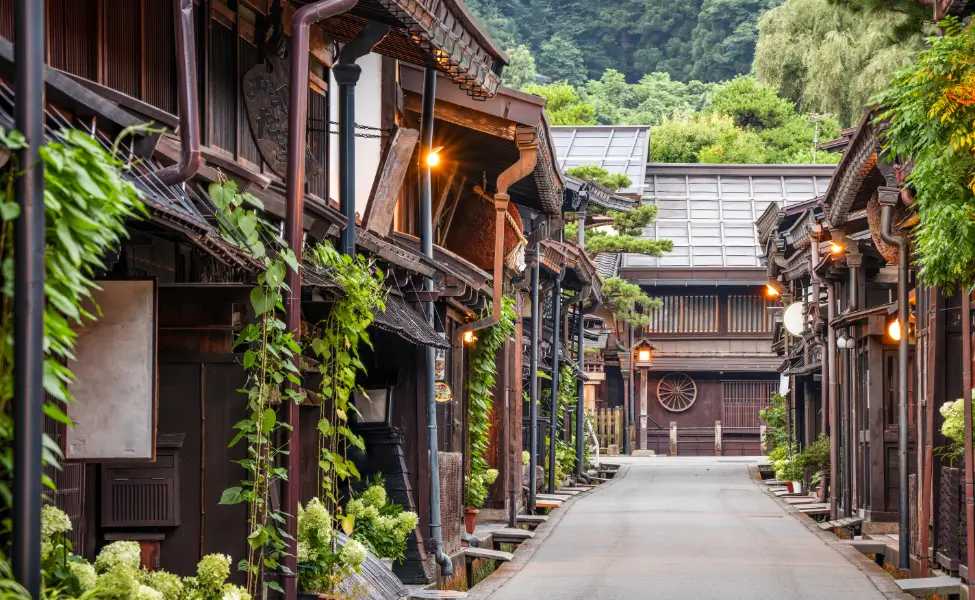
Unlike a lot of so-called historic areas in Japan, this one doesn’t feel like a theme park reconstruction.
These buildings are the real thing.
The practical tip is simple.
Be there before nine in the morning or after five in the evening.
Once the day-trippers arrive and the tour buses start parking up, the atmosphere changes quickly.
But in that early morning window, with the shops still shuttered and almost no one else around, it’s one of the better walks you’ll have in Japan.
Worth setting an alarm for.
Hida Beef: Is It Better Than Kobe?
Here’s my honest take.
It’s essentially the same quality.
Kobe beef is better known because it’s better marketed, and that reputation means you pay a significant premium for it.
Hida beef comes from the same Wagyu tradition with the same marbling.
Put them side by side and most people couldn’t tell you which is which.
What that means practically is that you can eat very well in Takayama without the Kobe price tag.

You’ll find Hida beef skewers at market stalls, proper set meals at restaurants, and everything in between.
The skewer option at the morning markets is probably the easiest entry point if you just want a taste without committing to a full sit-down meal.
One thing to watch out for.
Some places on the main tourist strip charge tourist rates that don’t really reflect what you’re getting.
Ask around, look slightly off the main drag, and you’ll eat better for less.
The Morning Markets (Miyagawa and Jinya-Mae)
There are two morning markets worth knowing about.
Miyagawa runs along the river and is the larger of the two.
Jinya-Mae is smaller and sits in front of the old government building.
Both wind down around noon.
What’s worth buying is local produce, pickled vegetables, and handmade crafts from vendors who actually make what they’re selling.
The generic Japanese souvenir stuff that turns up at every tourist market in the country is not worth your money.
You can spot the difference easily enough once you’re there.
Go early, talk to the vendors, and don’t feel pressured to buy anything.
The markets are worth experiencing in their own right.
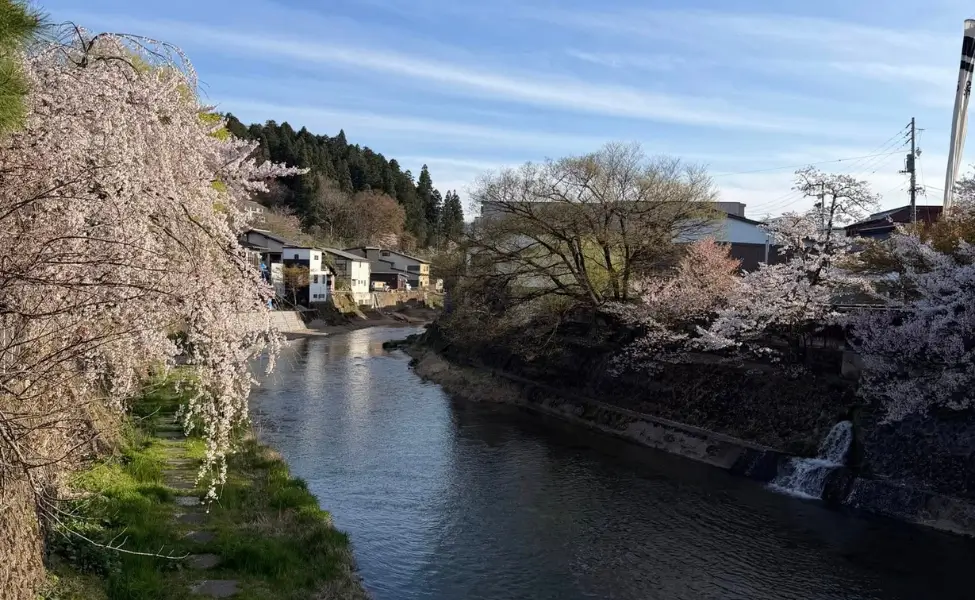
The Perfect Base for Shirakawa-go
This is one of the strongest practical arguments for putting Takayama in your itinerary.
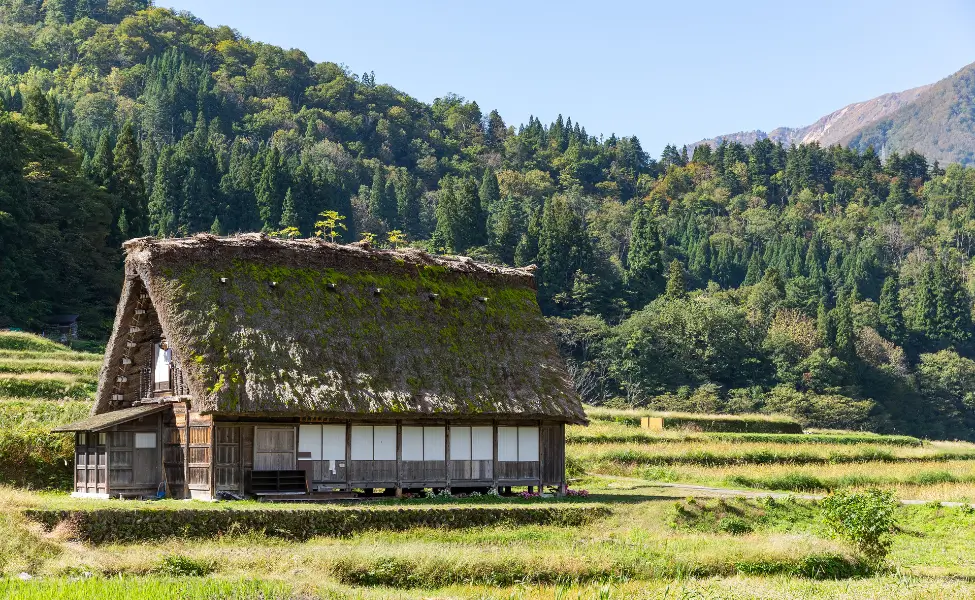
The UNESCO-listed village of Shirakawa-go, famous for its steep thatched-roof farmhouses, is about an hour away by bus.
The buses are straightforward and the route is well set up for tourists.
I’d do it as a day trip from Takayama rather than an overnight.
Go for the day, come back to Takayama for dinner.
Spending the night in Shirakawa-go is an option if you specifically want that experience, but it’s not necessary to get the most out of a visit.
The Cons: Reasons You Might Want to Skip It
The Travel Logistics
This is the big one.
Takayama is not on the main tourist corridor between Tokyo and Kyoto.
Getting there takes real time and you need to factor that in honestly.
From Nagoya, the Hida Limited Express takes roughly two and a half hours.
From Kanazawa, the express bus is around two hours twenty minutes.
Neither journey is punishing on its own, but the time adds up.
A round trip from Nagoya eats most of a day if you’re not staying overnight.
The honest calculation goes like this. If you’re going to Takayama, you need to stay at least one night.
A day trip is technically possible from Nagoya but you’ll spend so long travelling that you’ll shortchange the town itself.
Don’t do that to yourself.
The Midday Crowds
The crowds are manageable.
I want to be fair here because some travel writing makes it sound like Arashiyama in peak autumn, and it isn’t.
But the old town streets are narrow, and when the tour buses arrive between late morning and mid-afternoon in peak season it does get congested.
Spring and autumn bring the most visitors.
Summer draws hikers and outdoor travellers.
Winter is notably quieter and honestly one of the better times to go if you don’t mind the cold.
Everything Closes Early
This catches a lot of people off guard.
Takayama is not a nightlife destination.
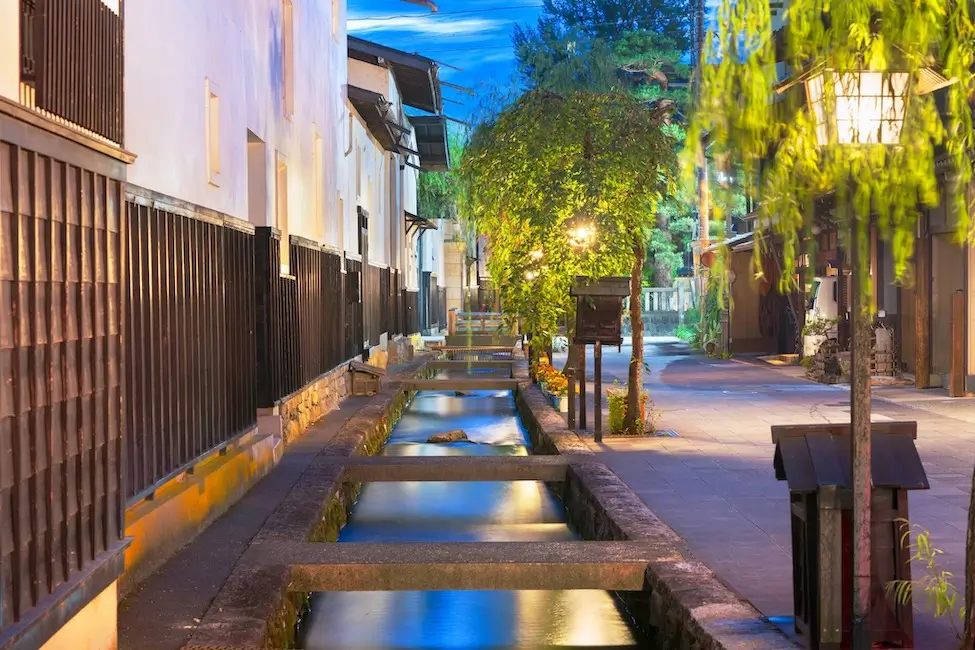
Restaurants, shops, and attractions tend to close earlier than you’d expect.
I’d recommend checking specific opening hours before you go because these vary by season and individual business.
The practical solution is to book a ryokan with dinner included.
It takes the evening planning problem off the table entirely, and a ryokan dinner in Takayama is a genuinely good meal.
Multi-course kaiseki with local produce and decent sake is a solid way to spend an evening, and you won’t be scrambling to find somewhere open at seven o’clock.
Takayama vs. Kyoto: Do You Need Both?
This is worth thinking about honestly.
If you’re spending several days in Kyoto looking at traditional wooden buildings and historic streets, will you feel like you’ve already seen all this by the time you get to Takayama?
No, and here’s why.
Kyoto is about grand religious architecture.
Temples, shrines, and the ceremonial weight that goes with them.
Takayama is a merchant town, built by people who were making and trading things, and that history is visible in the buildings and the layout of the streets.
The scale is completely different too.
Takayama is compact and human in a way that Kyoto isn’t.
Add the alpine setting, the mountain food culture, and a noticeably slower pace, and Takayama offers something Kyoto doesn’t.
They’re complementary rather than repetitive.
If you’re debating whether to do both, the answer is yes, provided your schedule allows it.
How Long Do You Really Need in Takayama?
One night and two days.
That’s the honest answer for most people.
It’s enough time to walk the old town properly at both ends of the day, visit the morning markets, do a day trip to Shirakawa-go, and eat well without feeling rushed.
Two nights gives you more breathing room, particularly if you want a full day in town on top of the Shirakawa-go trip.
Don’t attempt it as a day trip.
You’ll spend too long on the train and not enough time actually being there.
Once you’ve decided Takayama is worth it, I’ve mapped out exactly how to structure your time to get the most out of it and sidestep the worst of the crowds.
Check out my complete 2-Day Takayama Itinerary.
The Verdict: Who Should Go (and Who Should Skip It?)
You should go if:
- You have 14 days or more in Japan
- You want to experience a genuinely preserved historic town that isn’t just about temples
- Mountain scenery and alpine food culture appeal to you
- You’re happy to slow down and spend a couple of nights somewhere quieter
- Shirakawa-go is already on your list and you want a sensible base for it
You should skip it if:
- It’s your first trip to Japan and you only have seven to ten days
- Long train journeys put you off
- You’re not planning to stay overnight
- You’re expecting completely crowd-free streets
Frequently Asked Questions
Technically possible from Nagoya, but not really worth it. The Hida Limited Express takes around two and a half hours each way, which means you’re spending five hours on trains for a few hours in town. If you’re going, stay at least one night and do it properly.
Yes, in the main tourist areas. Signs, menus, and most interactions in the old town are well set up for English speakers. Local buses require a bit more forward planning, but getting around the central areas is genuinely straightforward.
Spring and autumn are the most popular, and understandably so. Cherry blossoms in late March to April and the autumn colours in October and November are both worth seeing. The Takayama Matsuri runs twice a year in April and October and it’s a proper traditional festival if you happen to be there. Just know that these are also the busiest periods. A winter visit is worth considering if you’re comfortable with cold temperatures and you’d rather have the town mostly to yourself.
