

Travelling between Tokyo and Kyoto is one of the most common routes in Japan.
Most people take the Shinkansen without thinking about it.
Often that is the right call.
Sometimes it is not.
The best option depends on where you are staying in Tokyo, how tight your schedule is, and whether speed or cost matters more to you on that day.
Quick Answer Summary
If you want the fastest and simplest option
Take the Shinkansen from Tokyo Station or Shinagawa to Kyoto.
Fast services take about 2 hours 15 minutes.
A standard reserved seat costs ¥14,170 during regular season.
If you want to save money and do not mind slower travel
Take a highway bus.
Expect around 7 to 8 hours depending on traffic, with fares commonly between ¥2,500 and ¥6,000 for standard buses.
If you have a Japan Rail Pass that makes sense for your full itinerary
Use Hikari or Kodama services on the Tokaido Shinkansen.
The time difference from Nozomi is modest, and you avoid the Nozomi supplement fee.
First, Ask This One Question
Where are you actually starting from in Tokyo?

If you are near Tokyo Station, Shinagawa, or on the JR network
Shinkansen is almost always the cleanest choice.
If you are staying far out in western Tokyo or travelling overnight
A night bus may fit your plan better, especially if you want to save on accommodation.
That one detail flips the answer for a lot of people.
Option 1: Shinkansen from Tokyo to Kyoto
How Long Does It Take
- Nozomi services take about 2 hours 15 minutes
- Hikari services take around 2 hours 40 minutes
- Kodama services take roughly 3 hours 45 minutes and are rarely practical for this route
The train itself is fast.
The real time cost is everything around it.
How Much Does It Cost
Nozomi (fastest service):
- Reserved seat: ¥14,170 (regular season)
- Unreserved seat: ¥13,320
Hikari or Kodama:
- Reserved seat: ¥13,850 (regular season)
- Unreserved seat: ¥13,320
Prices shift a bit by season, but not enough to change the right choice for most people.
Which Train Should You Take
Nozomi is the fastest and most frequent.
Trains run every few minutes during the day.
Hikari is slightly slower and the option if you are using a Japan Rail Pass without buying the Nozomi supplement.
Kodama stops at every station.
It almost never makes sense unless you have a very specific reason.

Can You Use the Japan Rail Pass
The 7-day pass now costs ¥50,000.
The 14-day pass costs ¥80,000.
For just Tokyo to Kyoto and back, the pass does not make sense.
A round trip costs ¥27,300 on Hikari, which is roughly half the pass price.
The pass only starts to make sense if you are stacking multiple long-distance trips in a short window
For example, Tokyo to Kyoto, Kyoto to Hiroshima, then back to Tokyo, all within a week.
That kind of itinerary.
For this route specifically, Nozomi is not included in the standard pass.
You can use Hikari or Kodama, or purchase a Nozomi supplement for pass holders.
Where You Board in Tokyo
Tokyo Station and Shinagawa Station both serve the Tokaido Shinkansen.
If you are staying south or west of central Tokyo, Shinagawa is often easier and less overwhelming.
The first time through Tokyo Station, most people stop dead at least once just to re-orient themselves.

Do not assume all Shinkansen trains leave from every station.
Check the departure board calmly.
Arriving in Kyoto
You arrive at Kyoto Station, which is large but manageable.
If you are heading to Gion, Kawaramachi, or Higashiyama, you will likely transfer to buses or local trains.
Build in a few minutes to orient yourself. Kyoto Station is busy but logical once you slow down.
Luggage Handling
If you have oversized luggage (over 160cm total dimensions), you must reserve luggage space when booking your Shinkansen ticket.
This rule is enforced.
Alternatively, consider using luggage delivery services (takkyubin) to send bags directly to your Kyoto hotel for around ¥2,000-3,000.
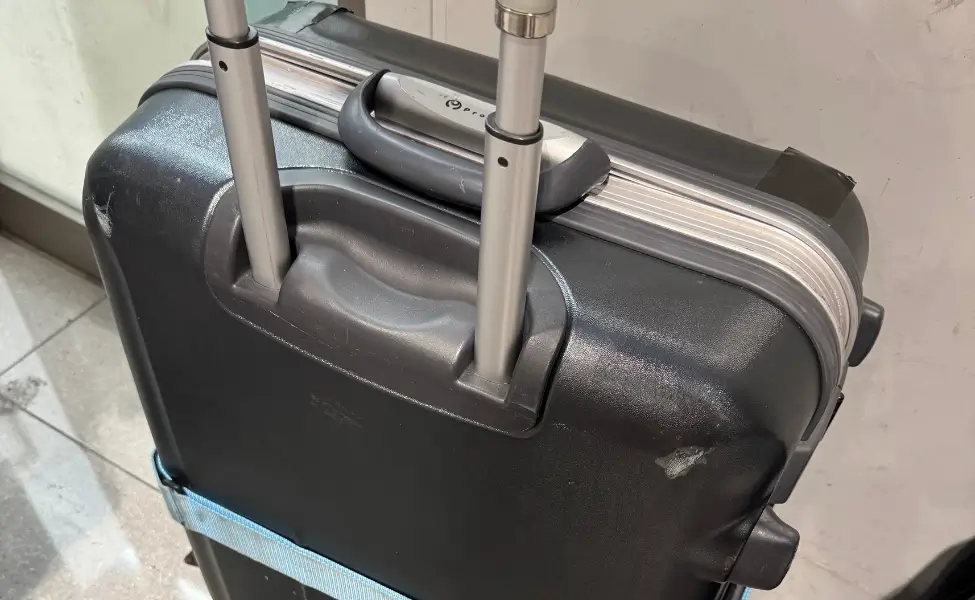
This makes the journey significantly easier.
Where to Actually Buy Tickets
Online before arrival:
- SmartEX (official JR Central service, no service fee)
- Klook or similar platforms (service fee of ~¥1,800 per ticket, but easy English interface)
In Japan:
- JR ticket offices (Midori no Madoguchi) at major stations
- Ticket machines (many have English menus)
IC cards like Suica or ICOCA work for unreserved seats on some services, but reserved seats require a proper ticket.
Option 2: Highway Bus
This option trades time for cost.
How Long Does It Take
Usually 7 to 8 hours. Traffic and rest stops can push this longer.
How Much Does It Cost
Standard buses: ¥2,500 to ¥6,000 depending on time, season, and day of week
Luxury/premium night buses: ¥6,000 to ¥14,000
Weekday departures are often cheaper than weekends.
Night buses sit at the higher end but save you a hotel night.
Major Bus Companies
- Willer Express (popular with foreign travelers, easy English booking)
- JR Highway Bus
- Kanto Bus
Book through Japan Bus Online, Kosokubus.com, or company websites directly.
Departure Points in Tokyo
- Tokyo Station (Yaesu exit)
- Shinjuku (Busta Shinjuku terminal at South Exit)
- Ikebukuro

When It Makes Sense
If budget matters more than speed, or if you want to travel overnight and skip a hotel night.
Eight hours on a bus is eight hours on a bus.
Even with reclining seats and rest stops, it is not the same as sleeping in a proper bed.
Option 3: Driving
Driving takes around 6 to 7 hours plus tolls.
Tolls run approximately ¥10,000 via the Tomei and Meishin Expressways.
Fuel and parking add further cost.
This only makes sense if you are already renting a car, travelling as a group, or planning stops along the way.
Use an ETC card if possible.

For city-to-city travel, it is usually more effort than it is worth.
Parking in Kyoto is expensive and limited.
Common Mistakes First-Time Visitors Make
They underestimate station navigation time
Tokyo Station is not something you rush through calmly on your first visit.
They optimise train time and ignore door-to-door reality
A fast train does not help if the morning is chaotic getting to the station.
They assume unreserved seating will always be fine
On this route, during peak seasons and weekends, it often is not.
They schedule this transfer on a heavy sightseeing day
Even a smooth transfer eats most of a day once packing and check-in are included.
They buy a JR Pass without calculating if it saves money
Since the 2023 price increase, the pass only makes sense for aggressive multi-region itineraries. Do not assume it saves money.
Most standard Tokyo-Kyoto-Osaka routes are cheaper with individual tickets.
FAQs (Read This Before You Lock Anything In)
How long does the Shinkansen take from Tokyo to Kyoto
About 2 hours 15 minutes on Nozomi services, 2 hours 40 minutes on Hikari.
How much is the Shinkansen from Tokyo to Kyoto
A standard reserved seat on Nozomi is ¥14,170 during regular season. Hikari is ¥13,850.
Should I buy a Japan Rail Pass for this route
Probably not, unless you are also travelling to other regions like Hiroshima, Kanazawa, or beyond. For just Tokyo-Kyoto-Osaka, individual tickets are cheaper.
Is the bus worth it
Only if budget is your priority or you want overnight travel and can sleep sitting up.
Which Tokyo station is best
Shinagawa for simplicity, Tokyo Station for central access.
Can I just show up and buy a ticket
Yes, but during busy periods (weekends, holidays, peak seasons), reserved seats may be sold out. Booking ahead is safer.
How to Use This Route in a Real Itinerary
Tokyo Base, Kyoto as the Next City
This is the classic move.
Travel in the morning, arrive around lunch, and start light sightseeing in the afternoon.
Do not plan major sightseeing in Tokyo on the same day you travel.
Kyoto as a Stop Between Regions
Kyoto works well between Tokyo and Osaka, Nara, or Hiroshima.
The Shinkansen makes this transition clean and predictable.
When Not to Rush It
If Kyoto is a major highlight for you, arrive earlier in the day and keep plans light.
Kyoto is one of the few major cities in Japan where slower pacing actually makes the experience better, not worse.

