
Tokoname is where you’ll find Chubu Centrair International Airport, the biggest airport in central Japan.
But most travelers have no idea the city itself has been making pottery for centuries, and the craftsmanship here is outstanding.
If you’re in Nagoya or stuck with a long layover at the airport, Tokoname makes for a great day trip or even just a few hours of exploring.
Tokoname sits about 30 minutes south of Nagoya by train.
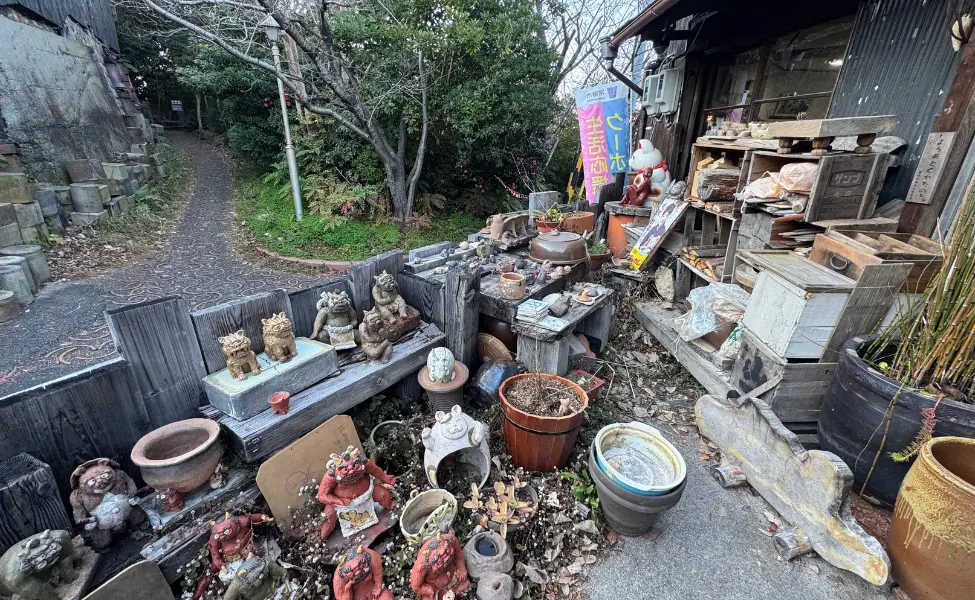
You will find narrow alleyways lined with pottery studios, a giant cat statue, and walking paths that reveal the area’s ceramic heritage.
It is the sort of place where you can wander at your own pace without fighting crowds or ticking off endless sightseeing boxes.
Tokoname is ‘A Whisker Away’
Tokoname got some love recently in the Netflix anime ‘A Whisker Away.’
The movie follows Muge, this energetic middle school girl who turns herself into a cat so she can get close to her crush, Hinode.

It’s really about growing up and first love, and watching Muge struggle with whether she’s better off living as a cat or facing life as herself.
Watch it before you go to Tokoname.
Seeing those beautiful spots from the movie in real life really does bring out something magical about the place.
Is Tokoname Worth a Half Day from Nagoya
Tokoname suits people who like traditional crafts and places that don’t buzz with tourist energy.
It is not for everyone, though.
Who Tokoname Is Actually Good For
Pottery enthusiasts will find plenty to appreciate.
The town is one of Japan’s Six Ancient Kilns, and you can watch artisans at work, browse ceramics shops, and try hands-on pottery workshops at the INAX Live Museum.

Photography lovers enjoy the Pottery Footpath’s visual appeal.
Maneki Neko Street’s lucky cat statues offer colourful photo ops, while old kilns and ceramic-lined walls make for interesting backdrops.
Travellers with layovers at Chubu Centrair International Airport can visit easily.
It is only five to ten minutes by train from the airport, so if you have four to six hours between flights, this is a practical stop.
Who Should Skip It
Those with mobility challenges may struggle with the Pottery Footpath.
The walking routes have slopes, narrow lanes, and uneven surfaces that can be tough to navigate.
Shoppers wanting variety will not find much beyond ceramics.
The town focuses heavily on pottery, so if you are not interested in teapots, vases, or lucky cats, shopping feels limited.
Travellers on tight schedules from Nagoya might feel the journey is not worth it for just a quick look.
If you only have a few hours, the 30 minute train ride each way cuts into your actual exploring time.
People uninterested in crafts will probably find the experience repetitive, since most attractions relate directly to pottery and ceramics.
Why Tokoname Works as a Short Trip from Nagoya
It is one of the easiest cultural excursions you can do from the city.
The whole town clusters around one walking route, so you can cover the main sights without rushing or second-guessing yourself.
Easy Access Without a Full Day Commitment
You can reach Tokoname in roughly 30 minutes via the Meitetsu line from Nagoya Station.

Trains run frequently throughout the day, so you do not need to worry about limited schedules.
The journey costs around ¥650 each way, so your transport budget stays low.
Once you arrive at Tokoname Station, the Pottery Footpath starts just a short walk away.
You will not need taxis or complicated connections.
This makes Tokoname perfect if you are staying in Nagoya and want a morning or afternoon activity.
You could visit in the morning and be back for lunch in Nagoya, or go after lunch and return by early evening.
The flexibility means you can fit it around other plans.
Note: We drove from Nagoya and found some cheap parking in a nearby supermarket.
Why Half a Day Is Enough
The main attraction is the Pottery Footpath, which takes about 1.5 to 2 hours to walk at a relaxed pace.
This route passes through the heart of Tokoname’s pottery district, one of Japan’s Six Ancient Kilns.
The footpath is not long.
It covers roughly 1.6 kilometres with some slopes and stairs.
Most visitors find two to three hours total is enough to walk the route, browse a few shops, and take photos.
Unless you are doing a pottery workshop or visiting the INAX Museum, you will not need more time.
For most, half a day is just right.
What You Are Really Going to Tokoname For
You go to Tokoname to walk a quiet pottery trail and look at old kilns built into hillsides.
The town is small, and you can cover the main attractions in two to three hours.
The Pottery Footpath
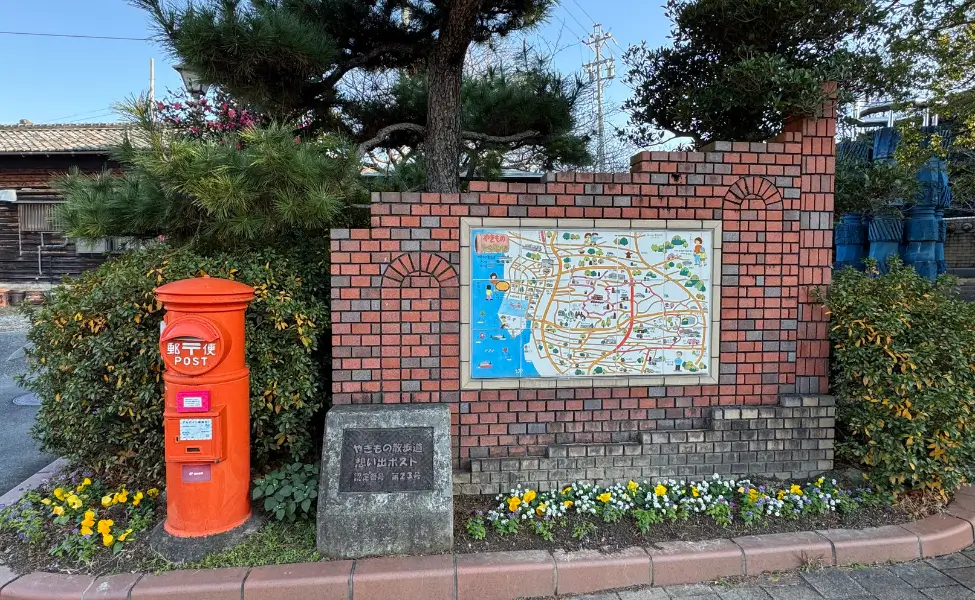
The Pottery Footpath is a 1.6 kilometre walking route through Tokoname’s pottery district.
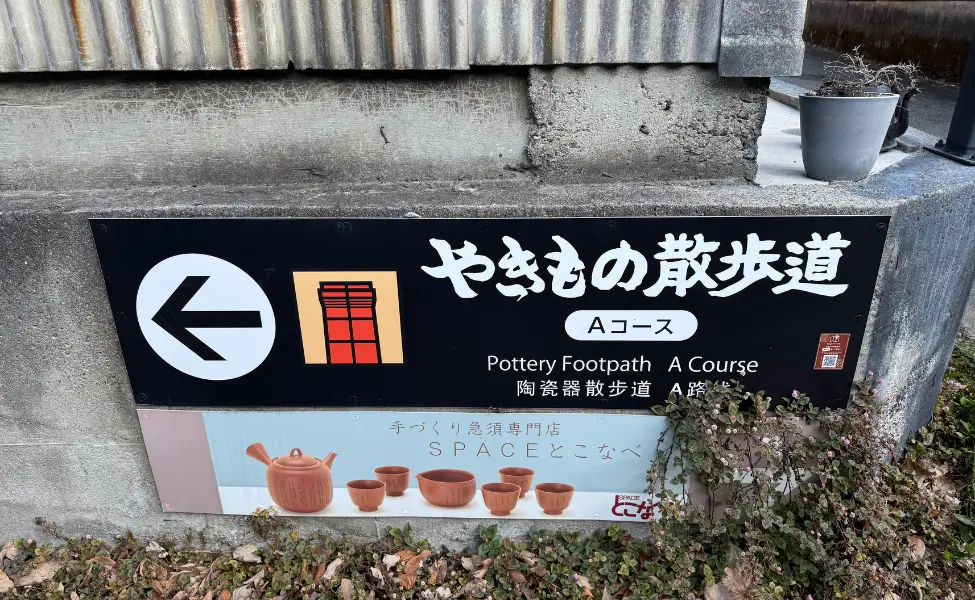
You will walk on clay-coloured pavement past workshops, galleries, and homes that date back to when this area was Japan’s main pottery producer.
The path itself is uphill in sections.
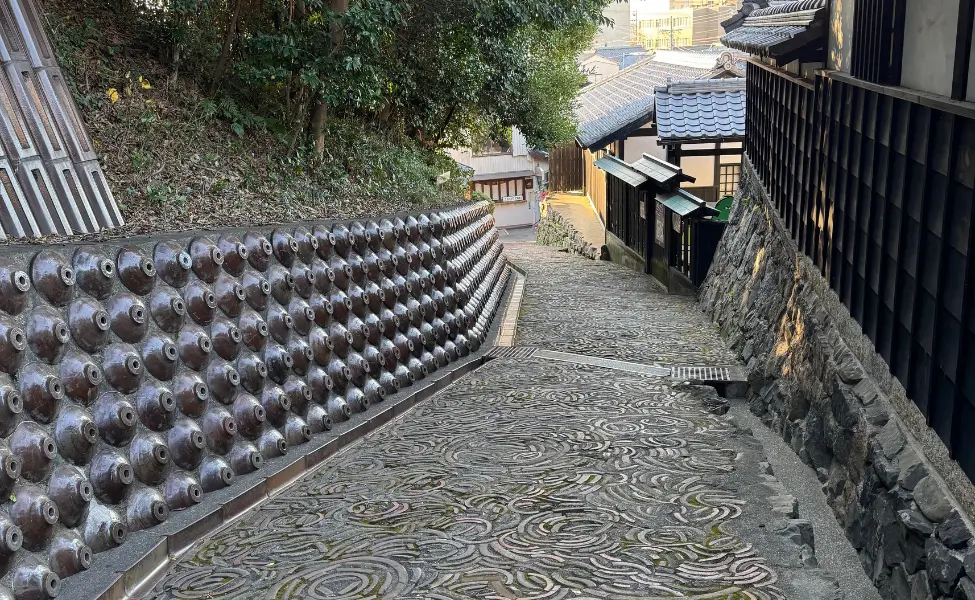
You will see walls embedded with pottery shards and old ceramic pipes.
These are not decorations.
They are leftover materials from the town’s working kilns.
Some shops sell teapots and ceramic ware, though many close on weekdays or outside peak seasons.
The walk is peaceful but not visually dramatic.
You will not find sweeping views or grand architecture, but you get a quiet neighbourhood that still feels connected to its craft history.
Expect to spend 30 to 45 minutes walking the full loop at a relaxed pace.
The route is mostly exposed, so rain makes it less pleasant.
If the forecast looks wet, bring an umbrella or consider timing your visit for a drier day.
Dokanzaka and the Old Kiln Area
Dokanzaka is a sloped street lined with pottery fragments pressed into its retaining walls.
The name means “ceramic pipe slope,” and the walls are made from old drainage pipes once produced in Tokoname’s kilns.
This is the most photographed spot on the Pottery Footpath.
The slope is not long, maybe 50 metres, but it is distinctive and gives you a sense of how pottery waste was repurposed into everyday structures.
Just up from Dokanzaka, you will find the Takita Family Residence, a preserved home that shows how pottery families lived and worked during the Meiji period.
Entry is free, and it is worth a quick look if it is open.
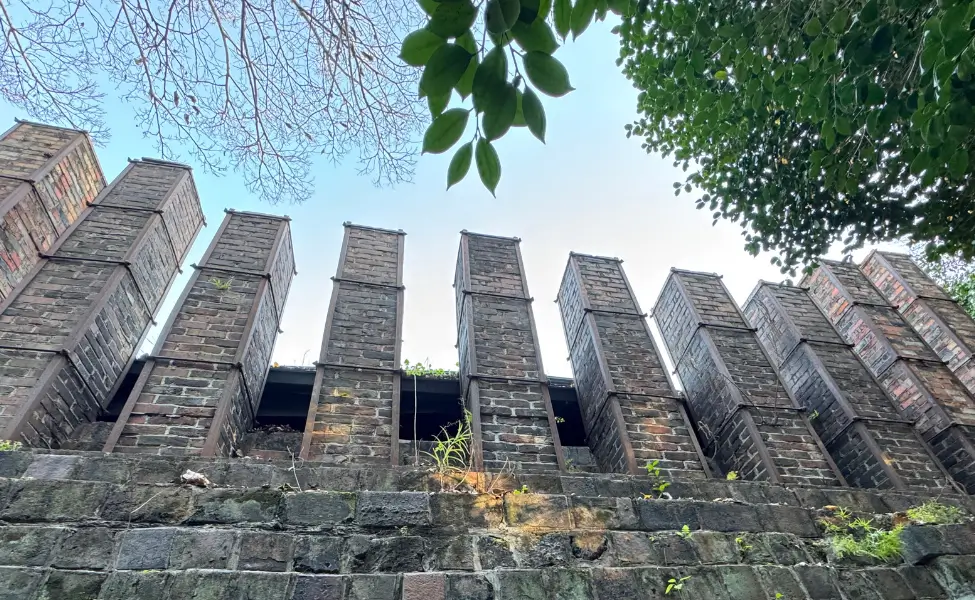
The old kiln area nearby includes remnants of climbing kilns built into the hillside.
You can see the brick structures and imagine how they once operated.
Tokonyan and Why It Is a Five Minute Stop, Not a Highlight
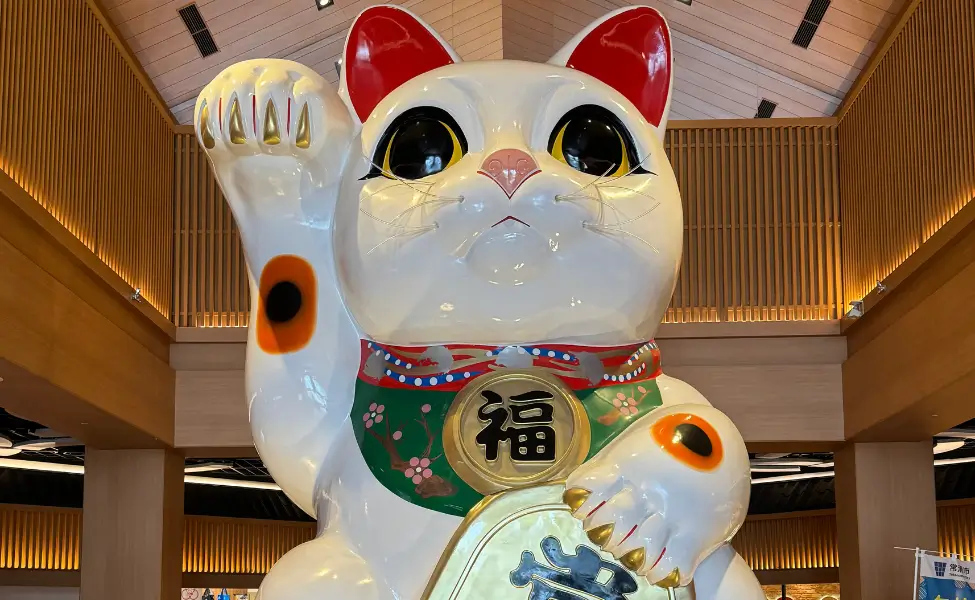
Tokonyan is a giant maneki neko (lucky cat) statue that peers over a wall near the Pottery Footpath.
It is cute and makes for a quick photo, but it is not a destination on its own.
The statue sits on Maneki Neko Street, which also features 39 smaller ceramic cats created by local artists.
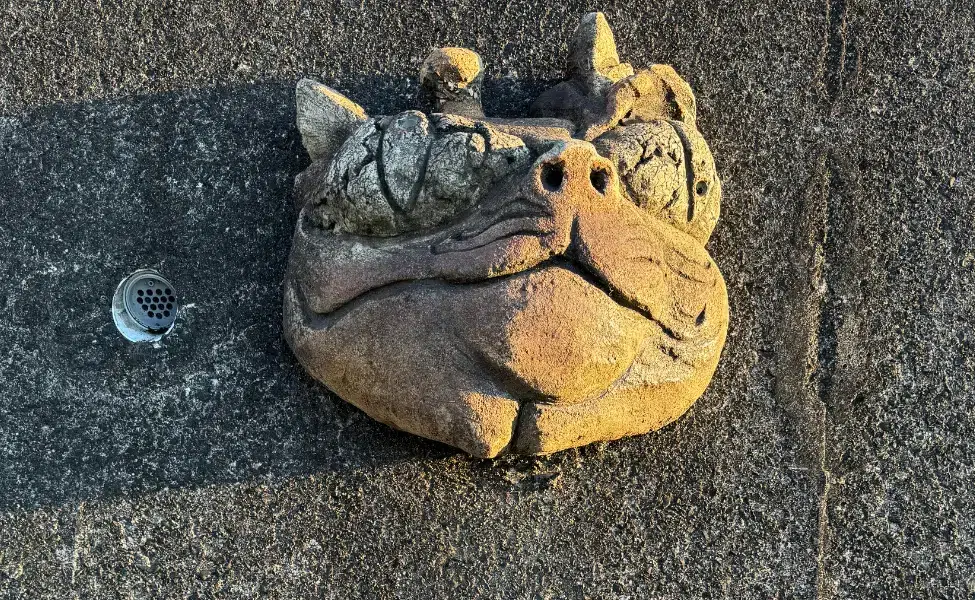
You can walk past all of them in under ten minutes.
Some travellers enjoy hunting for the 11 realistic cat figurines hidden near Tokonyan, but this is a novelty activity rather than a must-see.
If you are expecting something grand, you will be disappointed.
Tokonyan is a fun local touch, not a major landmark.
How Tokoname Actually Feels on the Ground
Tokoname is quiet, often empty during weekdays, and even on weekends it never feels crowded.
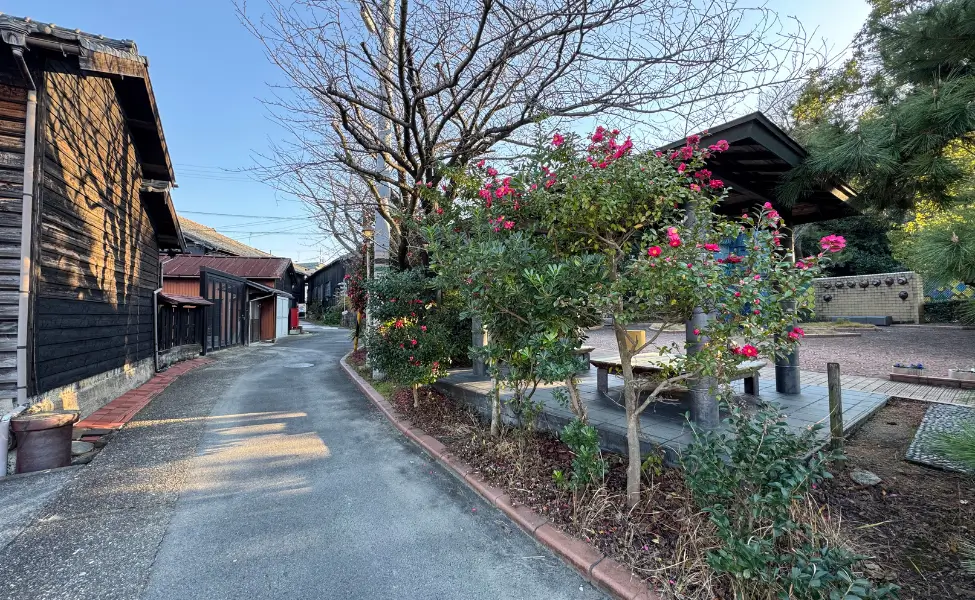
I visited in December on a weekday morning, and the entire Pottery Footpath felt nearly private.
The few people I passed were either locals heading to work or older residents walking their dogs.
Weekdays vs Weekends
Weekdays in Tokoname are notably quiet.
Many pottery shops close on Thursdays, and you will see very few tourists walking the streets.
Some restaurants shut their doors midweek, which means your dining options become limited outside of Aeon shopping mall.
The Pottery Footpath feels almost private on weekdays.
You might walk entire sections without seeing another person.
This works well if you prefer solitude, but it can feel a bit too quiet if you are hoping for a lively atmosphere.
Weekends bring more domestic visitors, but Tokoname still does not get busy by typical tourist standards.
A few more shops open, and you will spot Japanese families exploring Lucky Cat Street.
The town keeps its peaceful character even with increased foot traffic.
How Busy It Really Gets
Tokoname does not attract large tour groups or crowds.
You will not queue for photos at Tokonyan, the giant lucky cat statue.
The tourist information centre at Tokoname Ceramic Hall stays calm throughout the day.
Most visitors are Japanese tourists making a short trip from Nagoya or travellers with layovers at Chubu Airport.

International tourists are still rare, so you will have galleries and pottery shops mostly to yourself.
Peak times happen around midday on weekends, but “busy” in Tokoname means maybe a dozen people spread across the main walking routes.
The Pottery Footpath never feels congested.
Pace, Crowds, and Silence
The town moves slowly. Restaurants typically have one or two staff members working, so meals take longer than you might expect back home.
A simple lunch can stretch to 30 minutes from ordering to eating.
This slower pace extends to shopping.
Pottery shop owners chat with customers, explain their craft, and do not rush you through browsing.
You will find yourself naturally slowing down to match the town’s rhythm.
Silence defines much of Tokoname.
Streets lined with pottery fragments and wooden houses absorb sound.
You will hear your footsteps on the stone paths and not much else.
It is peaceful but might feel too subdued if you want more energy.
Getting There and Walking the Route
The pottery district works perfectly as a circular walk that takes about three hours.
You can grab lunch at simple local spots without booking ahead.
Getting There from Nagoya
Take the Meitetsu Limited Express from Nagoya Station to Tokoname Station.
The journey costs around ¥870 and takes 30 minutes.
Regular express trains are a bit cheaper at ¥620 but add ten minutes to your trip.
From Tokoname Station, it is a ten minute walk to the Pottery Footpath starting point.
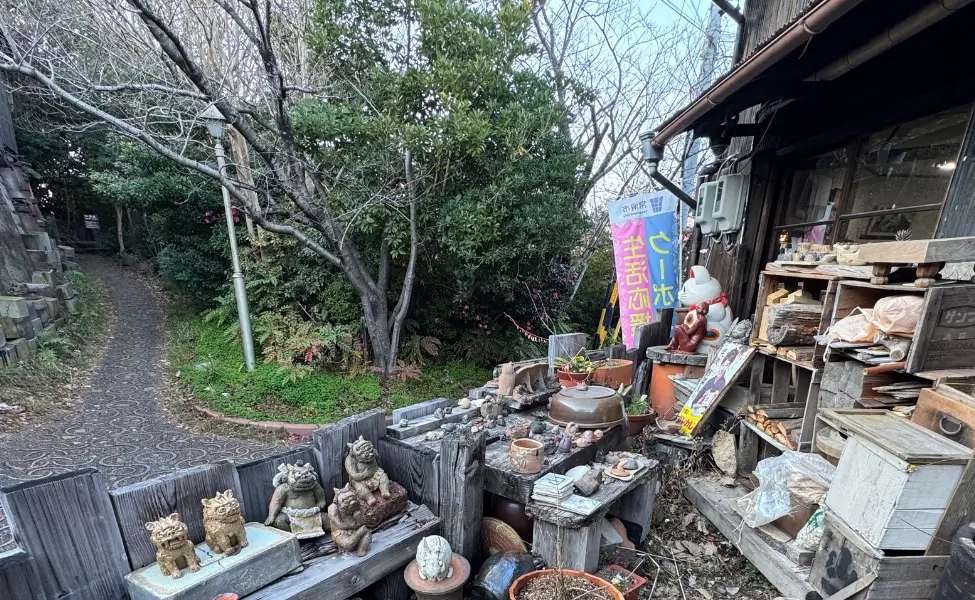
Follow the signs towards Tokoname Ceramic Hall, where the walking routes begin.
The station has coin lockers if you are arriving from the airport with luggage.
Trains run every 15 to 20 minutes throughout the day.
You do not need to book anything in advance or worry about complicated transfers.
A Simple Half Day Walk Order
Start at Tokoname Ceramic Hall to pick up a free map.
Take Course A, which is 1.6 kilometres and covers the main attractions in about two hours.
Walk along Maneki Neko Street first to see the 39 lucky cat sculptures and Tokonyan, the giant cat statue.
Continue to Dokanzaka, the ceramic pipe hill with walls made from old clay pipes and pottery fragments.
The path then leads to the Noborigama climbing kiln and Takita Family Residence.
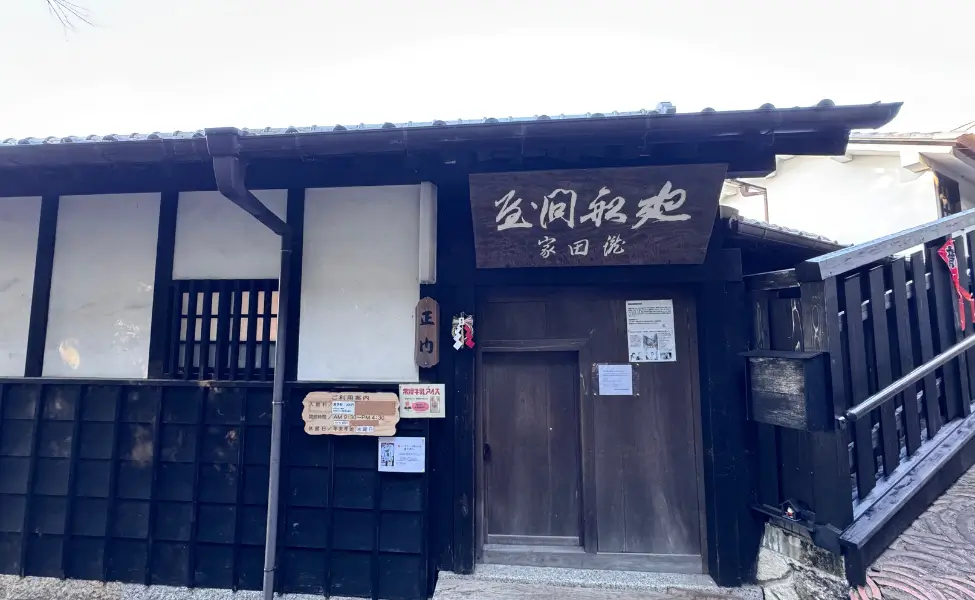
You can pop into small pottery shops along the way.
The route loops back towards the starting point, making it easy to find your way without getting lost.
Lunch Options That Do Not Require Research
Tokoname Milk Stand Baiten serves simple milk-based drinks and light snacks along the walking route.
It is small and casual, perfect for a quick break.
Several small restaurants near the pottery district offer udon, soba, and rice bowls for ¥800 to ¥1,200.
Most display plastic food models outside, so you can see what you are ordering without speaking Japanese.
The AEON Mall near the station has a proper food court with familiar chains if you prefer something more predictable.
You will not find many English menus, but most places are used to tourists pointing at pictures.
Nothing requires advance booking for lunch on weekdays.
Tokoname vs Other Pottery Towns
Tokoname sits closer to Nagoya than Seto.
It offers easier access from the airport, while Mashiko requires a full day from Tokyo.
All three towns attract serious pottery collectors.
Each place suits different travel styles, and your choice depends on what you are after.
Tokoname vs Seto
Seto lies about 40 minutes northeast of Nagoya by train.
It is less tourist-focused than Tokoname and feels more like a spot for locals shopping for everyday ceramics.
The pottery styles stand apart.
Seto makes glazed ceramics, mostly tableware and decorative pieces.
Tokoname focuses on unglazed red clay teapots and iron-rich pottery that, some say, makes your tea taste better over time.
If you want to visit Seto, you will need to navigate local trains, and there are no direct airport connections.
Tokoname is just five minutes from Chubu Centrair International Airport, so it is far more convenient if you are flying.
For a half day trip from Nagoya, Tokoname’s Pottery Footpath is compact and easy to explore.
Seto’s attractions are more spread out, which can slow you down.
Seto works well if you want larger ceramic pieces or classic Japanese tableware.
Go for Tokoname if you are after teapots, an easy walking route, and being close to the airport.
Is Tokoname Worth Visiting?
Ultimately I think it is, but only if you are based in Nagoya and looking for an interesting half day trip.
If love walking, pottery or just exploring new places, then Tokoname is perfect.
However, if you have mobility issues, or are travelling with small children, then Tokoname is probably not the best option.
