Japan has a well-worn family itinerary and most visitors follow it without thinking too hard.
Tokyo for the theme parks, Kyoto for the temples, Osaka for the food.
All three are worth visiting and none of them are wrong choices, but they share a problem that only becomes apparent once you are actually there with children in tow.
The crowds are relentless, the queues are long, and the energy required to manage young children through peak-season tourist infrastructure is substantially higher than most families budget for before they leave home.
Nagoya sits almost exactly between Tokyo and Osaka on the Shinkansen line, and it offers a version of Japan that travelling families often find more enjoyable than the headliners.
The attractions are genuinely world-class in several cases, the pace is manageable, and a day at the aquarium or the railway museum involves a fraction of the waiting time you would face at comparable venues in Tokyo.
I’ve lived in Nagoya since 2000 and raised two kids here.
Here’s what I know when it comes to Nagoya with kids.
How Long Do You Need in Nagoya?
The answer changes everything about which attractions you should focus on, so it is worth settling before anything else.

A half-day or single-day stop gives you time for one major attraction and a meal.
If your children are under twelve, go to the SCMaglev and Railway Park.
If they are older or if trains hold no appeal, go to the Science Museum. Attempting both in a single day leaves neither attraction properly appreciated.
Two days opens up enough room for three or four attractions without rushing.
The Kinjofuto area alone, which contains the Railway Park, Legoland Japan, and Makers Pier, can absorb two days comfortably.
Alternatively, spend one day there and one at the Science Museum or the aquarium port area.

Three to four days is where Nagoya genuinely starts earning its keep as a destination.
You can cover the city’s best attractions and still have a full day free for a day trip out.
The combination of what is inside the city and what is reachable from it is stronger for families than most itinerary writers give it credit for.
Five or more days is realistic if Nagoya is your primary base in Japan, and it will not feel padded.
Getting Around Nagoya with Kids
The Subway System
Nagoya’s subway is manageable in a way that Tokyo’s genuinely is not.

Most major family attractions sit within reasonable walking distance of a station, lifts are available at the majority of stops, and the carriages rarely reach the crush levels that make Tokyo rush hour notorious.
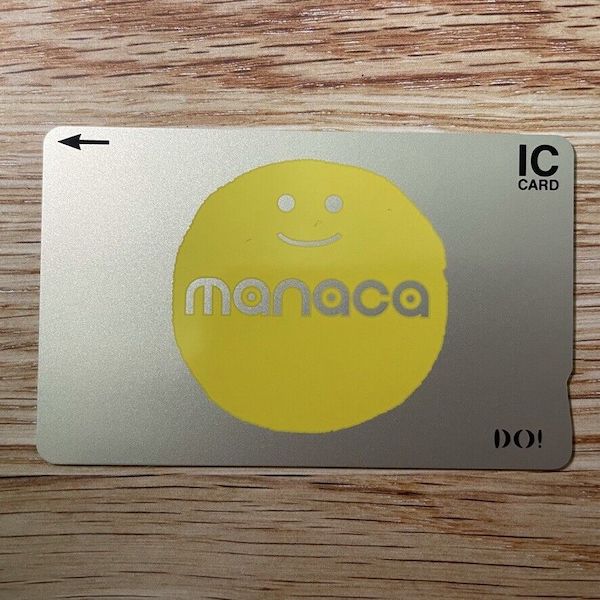
The Manaca IC card works identically to Tokyo’s Suica and can be topped up at any ticket machine.
One-day passes are worth buying on busy activity days.
One thing worth saying before your first journey: Japanese trains run as quiet environments, and children making noise or running between carriages attracts visible attention.
Setting that expectation with your children before you board is considerably easier than managing it mid-journey.
Getting to Nagoya
From Tokyo the Nozomi Shinkansen takes around one hour and 40 minutes.
From Osaka it is closer to 50 minutes, from Kyoto about 35 minutes.

These are manageable durations with children, though booking reserved seats in advance matters.
End-of-carriage seats give a little more space and the freedom to stand briefly without disrupting everyone behind you.
Using Nagoya as a Base
The city’s central position on Honshu is genuinely useful for families.
Ghibli Park is 20 minutes away by train.
Inuyama is about 30 minutes.
Nagashima Resort is roughly 50 minutes by bus.
If your family holds Japan Rail Passes, most of the day trip routes in this article use private rail lines and local bus services those passes do not cover, so factor that into your transport planning.
Top Attractions in Nagoya for Families
Nagoya City Science Museum and Planetarium
Adults pay ¥400 for the museum alone or ¥800 with the planetarium.
Middle school students and younger enter free.
It sits five to ten minutes’ walk from Fushimi Station on the Higashiyama or Tsurumai subway lines.
Straightforwardly one of the best-value attractions in Japan.
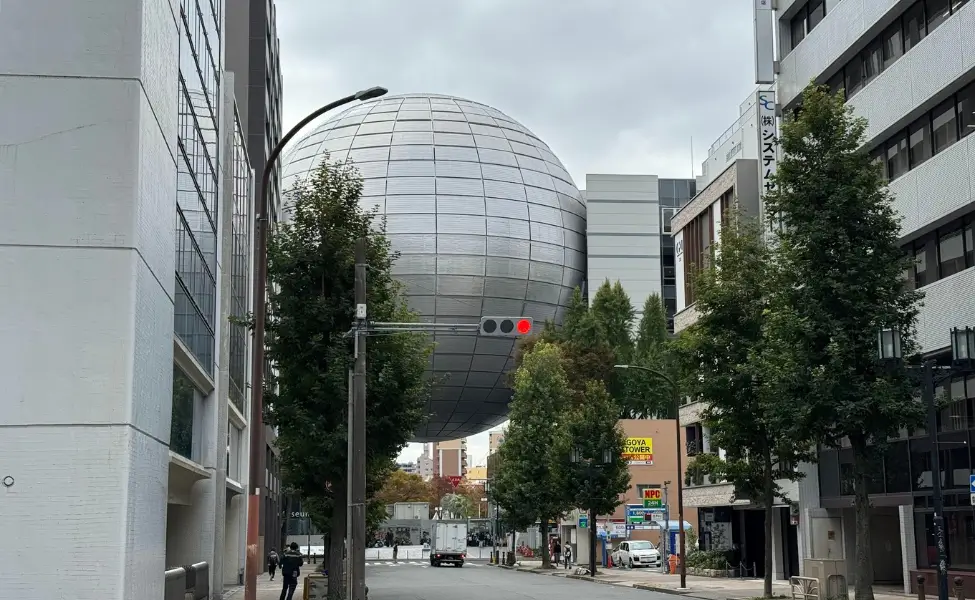
Three connected buildings cover life science, technology, and astronomy across multiple floors, and the headline experiences are four large-scale installations.
- a nine-metre artificial tornado,
- a one-million-volt electric discharge demonstration,
- a minus-30-degree polar room with aurora film,
- and the planetarium inside a 35-metre dome that holds a Guinness World Record for one of the largest on earth.
The single most important piece of advice for visiting here is this: the moment you walk through the entrance, go directly to the fifth floor of the Science and Technology Building and collect a numbered ticket for the minus-30-degree polar experience.
These fill up fast, sometimes within the first 30 minutes of opening.
Families who spend their first hour on the lower exhibit floors and then try to get a ticket routinely find the remaining sessions fully booked.
Collect the ticket first, then build everything else around it.
The planetarium show runs entirely in Japanese, and under-fives tend to lose interest before it ends.
Teenagers, on the other hand, tend to want more time than you plan to give them here, so build in flexibility.
The museum closes on Mondays (or the following Tuesday when Monday falls on a public holiday) and on the third Friday of each month.
SCMaglev and Railway Park
Entry costs ¥1,000 for adults, ¥500 for students, and ¥200 for preschool children aged three and above.

The Shinkansen driving simulator is purchased separately at the Information Booth for ¥500 on a first-come, first-served basis, so head there early in your visit before sessions fill up.
The museum is a few minutes’ walk from Kinjofuto Station at the end of the Aonami Line, about 25 minutes from Nagoya Station at ¥360 each way (not covered by the Japan Rail Pass).
The main hall houses dozens of actual retired trains displayed at close range, from historic steam locomotives through to the experimental Maglev vehicles that represent the next generation of Japanese rail.
What makes it work for children who have no particular interest in trains is the sheer scale, the fact that many carriages can be entered or viewed from underneath.
And the way the museum explains what these machines actually do rather than just presenting them as objects to look at.
The second floor has a dedicated hands-on area designed specifically for younger children.
Beyond the Shinkansen simulator, the museum also offers a conventional train driving simulator for ¥100.
Both are worth doing if your children are interested, and arriving early enough to secure sessions before they fill up makes a significant difference to the day.
This attraction pairs naturally with Legoland Japan and Makers Pier, all three of which are walkable from Kinjofuto Station.
Teenagers without a pre-existing interest in trains will enjoy the simulators and the Maglev section but may want to leave after two hours rather than four.
Legoland Japan and Makers Pier
Legoland tickets are seasonal.
Adults pay roughly ¥5,000 to ¥7,400 depending on the date, and children aged three to eighteen pay ¥3,700 to ¥4,800.
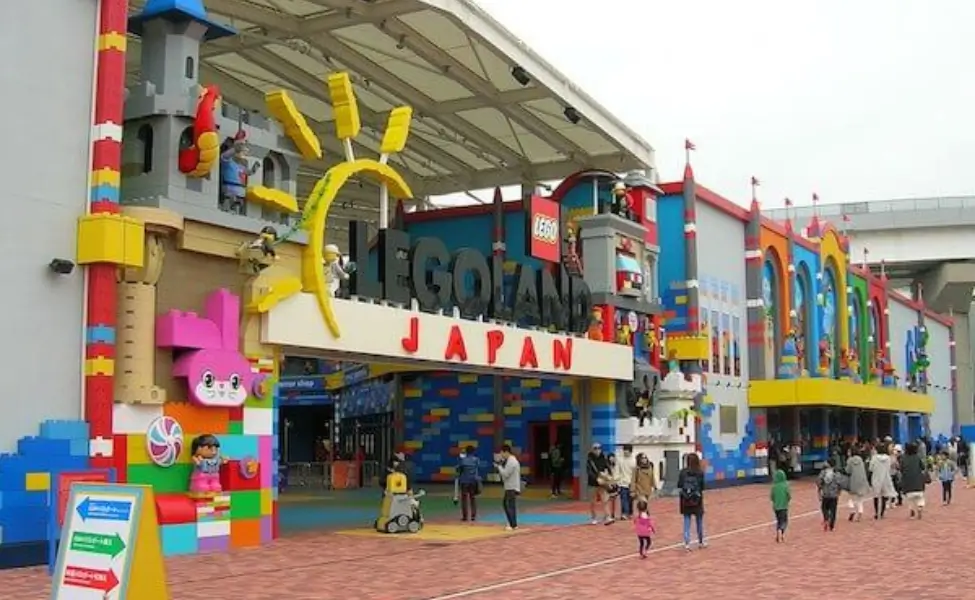
Booking online in advance saves money and avoids the ticket queue.
The park is a five to ten-minute walk from Kinjofuto Station on the Aonami Line.
Makers Pier is right next to the Legoland entrance, sitting between the park gates and the station.
It is a waterfront complex of shops, restaurants, craft experience corners, and open outdoor space with free entry to the area itself.
The fountain show runs multiple times daily and gives families a pleasant way to close the afternoon before the journey back.
Individual shops and restaurants typically close by around 6pm, so if you are planning an evening at Makers Pier after Legoland, leave the park on the earlier side.

Legoland Japan is smaller than the parks in Europe or the United States.
Families whose expectations come from those venues will notice the difference.
Families who visit it as the compact, genuinely child-focused park it is, with shorter queues than most Japanese theme parks and a strong creative programme, tend to have a good day.
The park is also mostly outdoors and lacks shade, which becomes relevant quickly in summer.
For children aged two to ten this is the sweet spot, and that age group will be enthusiastic about almost everything in the park.
Teenagers will exhaust it within a couple of hours, which makes it poor value for families travelling with older children as their primary audience.
Port of Nagoya Aquarium
The aquarium sits near Nagoya-ko Station on the Meiko subway line in the port area.

One of Japan’s largest aquariums, the North Building covers polar and open-ocean species while the South Building houses dolphins, killer whales, and belugas.
Daily performances and training demonstrations run throughout both buildings, and the difference between visiting with and without the schedule in hand is significant.
Check the timetable on the official website before you go so you can time your arrival to catch at least one performance rather than finding you have just missed the main show.
On weekends and Japanese school holidays the entrance queue moves slowly and arriving at or before opening makes a material difference.
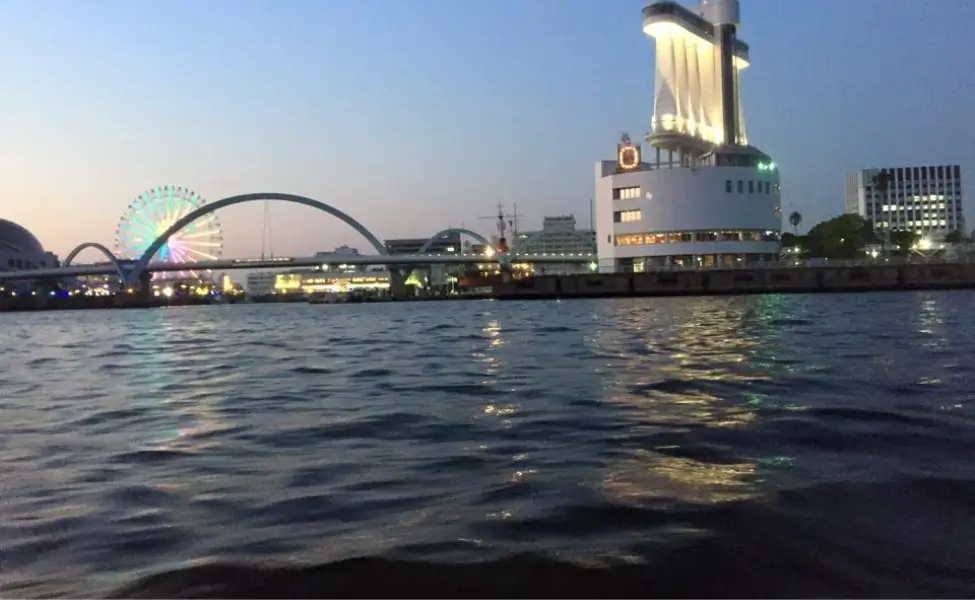
Fuji Antarctic Museum
Three minutes from the aquarium on foot, the Antarctic research vessel Fuji has been moored at Nagoya Port since its decommissioning in 1983 and is open for visitors to walk through.
The engine room, crew quarters, medical bay, and scientific laboratories are accessible and preserved in close to their original condition.
Walking through a working ship rather than a reconstructed interior is a different kind of experience, and children aged seven and above tend to engage with it genuinely rather than just walking through to say they did.
Toyota Commemorative Museum of Industry and Technology
Adults pay ¥500 and students ¥300.
The museum is about a 15-minute walk from Nagoya Station or reachable by bus, in the Noritake Garden area.
The website is tcmit.org.

The loom demonstrations run continuously throughout the day with actual machines operating at speed, and the robotics section has industrial arms performing real tasks.
Neither of these requires any language to understand, which matters more than it sounds in a country where most museum content is in Japanese only.
Children aged eight and above who have any interest in how things are made tend to find it genuinely absorbing.
Younger children engage briefly with the moving machines but do not sustain the same level of attention across the full visit.
Allow two hours for families with younger children, and considerably more for older ones.
Higashiyama Zoo and Botanical Gardens
The zoo is accessible from Higashiyama Station on the Higashiyama (yellow) subway line.
Over 500 species in a large green complex, with a koala population that has been here since Japan’s first koalas arrived in the 1980s.
The reptile house provides better dwell time than people expect, particularly with older children, and the African savanna section is the reliable crowd-pleaser for younger ones.
The zoo also has a somewhat outdated amusement park.
The cost of admission:
- Adults (High School+): ¥500
- Junior High & Younger: Free
- Parking: ¥800
Unko Museum Nagoya
The museum sits on the third floor of LaLaport Nagoya Minato AQULS in Minato Ward.
Take the Subway Meiko Line to Minato Kuyakusho Station and use Exit 2 for a two-minute walk, or Tokaidori Station and Exit 3 for a three-minute walk.

Pricing varies by date and category, so checking unkomuseum.com/en/nagoya before booking is worth doing for anyone budgeting carefully.
The Nagoya venue is the second permanent location after Tokyo and has been open since May 2025.
Interactive installations, games, shouting competitions, and photo opportunities fill the space, including an erupting poop volcano, a wall-throwing game, and a station where children design their own virtual poop on a coloured toilet.
Nagoya’s Best Family Parks
Tsuruma Park
Tsurumai Station serves the park on both the Tsurumai subway line and the JR Chuo Line.

Open lawns, a solid playground, and some of Nagoya’s finest cherry blossom in spring.
The value here is in its simplicity.
It gives children room to run freely without any structure or agenda, which becomes surprisingly important on longer trips when even the most enthusiastic young traveller needs to decompress.
Odaka Ryokuchi Park and Dino Adventure Nagoya
The park is in Midori Ward, accessible via a 15-minute walk from Sakyoyama Station on the Meitetsu Nagoya Line, or a 15 to 20-minute walk from Odaka Station on the JR Tokaido Line.
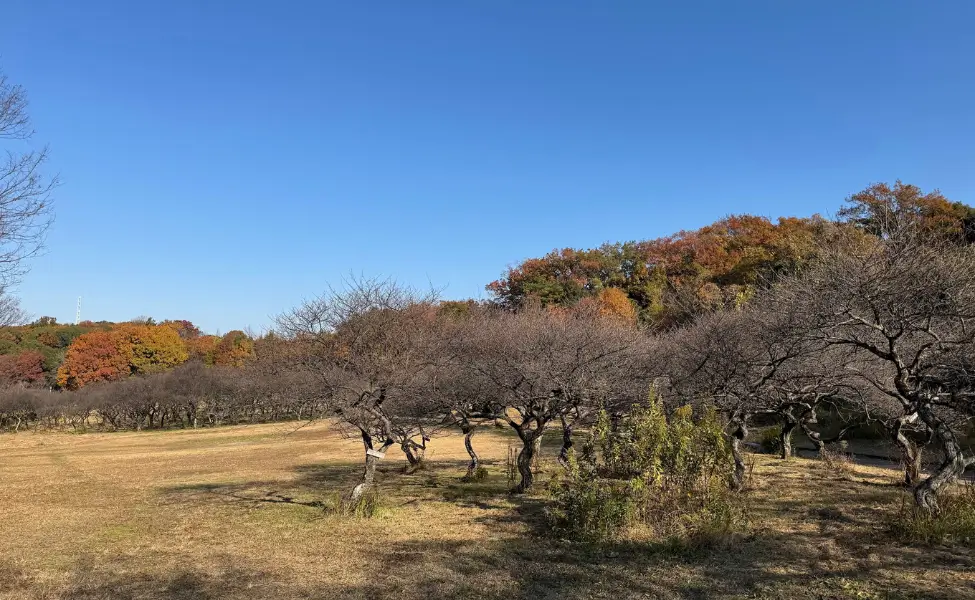
The park itself is free.
Dino Adventure admission is ¥900 for adults and ¥700 for children aged three through junior high school. Under-twos enter free. The Dino Adventure website is dinoadventure.jp.
Odaka Ryokuchi is a 100-hectare park with go-karts, boating on Biwagaike Pond, barbecue areas, a miniature golf course, and summer swimming pools.
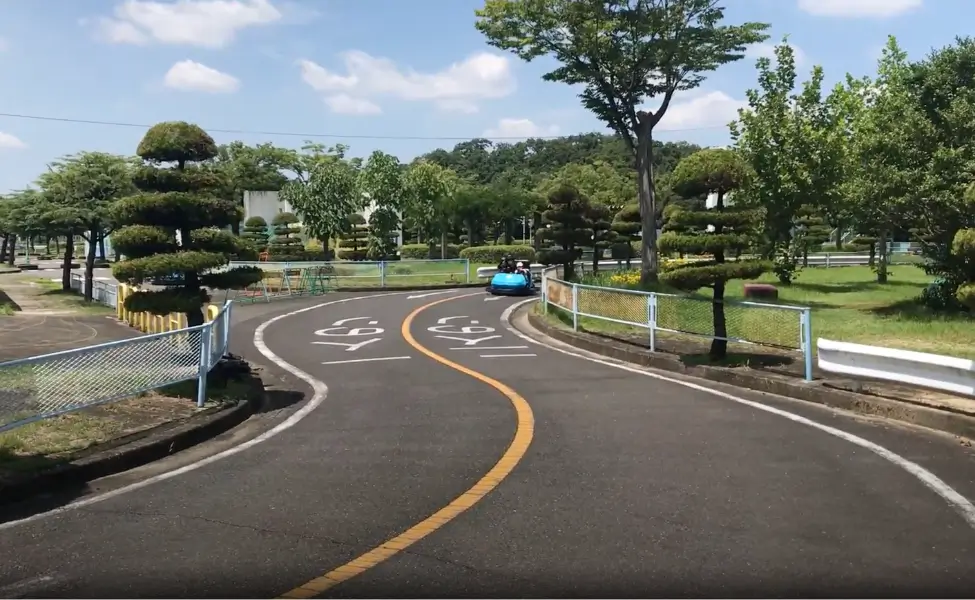
Dino Adventure adds a 900-metre walk-through course with 22 life-size animatronic dinosaurs in a forested setting, complete with motion sensors and sound that make them feel considerably more lifelike than static installations.
The course takes around 30 to 40 minutes to walk through.
So it works better as one piece of a full park day than as a standalone destination.
Download a map before you go and know that the Dino Adventure entrance requires a walk from the main park gates.
Families driving should aim for the ninth car park, which is closest to Dino Adventure.
Children aged three to ten will get the most from the dinosaur course.
The park’s open facilities give young children genuine freedom between attractions in a way that ticketed venues cannot replicate.
Dino Adventure closes on Mondays (or the following weekday when Monday is a public holiday) and from 29 December through 3 January.
Where Ghibli Park Fits In
What It Is and What It Is Not
The park sits within Expo 2005 Aichi Commemorative Park (Moricoro Park) in Nagakute City, about 20 minutes from central Nagoya.
From Nagoya Station take the Higashiyama subway line to Fujigaoka.
Then transfer to the Linimo maglev surface train, and ride to Ai-Chikyuhaku-Kinen-Koen Station.
The park entrance is outside Exit 2.
No major rides exist here.
Families who arrive expecting something like Disneyland leave confused.
It is an immersive environment built across a large park site, with themed areas drawing from Totoro, Howl’s Moving Castle, Kiki’s Delivery Service, Princess Mononoke, and Whisper of the Heart.
Children who know the films will find it genuinely magical in a way that is difficult to prepare them for.
Children who have not seen the films will enjoy the environment but will understand almost none of what makes it special.

Watching the relevant films before your visit matters more than almost any other preparation you can do.
One restriction to know before booking: only children aged twelve and under can enter the Cat Bus Room inside Ghibli’s Grand Warehouse and Dondoko-do within Dondoko Forest.
Families with teenagers should factor this in.
Children aged two and under enter free throughout.
How to Actually Get Tickets
No tickets are sold at the entrance.
This is not a formality and if you arrive without a booking you cannot enter, and this catches visitors out regularly.
Families booking from outside Japan should use Lawson Ticket or Viator.
Tickets go on sale on the 10th of each month at 2pm Japan time, covering entry dates two months ahead.
When tickets are sold out through the standard route, Viator sometimes offer tour packages including park entry, transport from Nagoya, and lunch for around ¥27,000 per person.
All members of your party must enter together, and the passport of the person who made the booking should be carried on the day.
Allow a full day.
Nagashima Resort: A Full Day Trip from Nagoya
Nagashima Resort in Kuwana, Mie Prefecture, around 30 kilometres west of Nagoya, is one of the most visited leisure destinations in Japan and deserves to be treated as a headline family day trip.

The resort contains five distinct facilities and realistically fills a full day without any particular effort.
Getting There
The most straightforward option for families without a car is the direct bus from Meitetsu Bus Center in Nagoya (fourth floor, bus stop 22) to Nagashima Onsen, which takes around 50 minutes.
One-way adult tickets cost ¥1,200 and return tickets ¥2,300.
Buses also run from Sakae in central Nagoya at the same price.
Alternatively, take the Kintetsu Nagoya Line to Kintetsu Kuwana Station and transfer to a Mie Kotsu bus to Nagashima Spa Land (around ¥600, approximately 20 minutes).
A separate bus from Kuwana connects to Nabana no Sato for around ¥300 and takes about 10 minutes.
Nagashima Spa Land
Over 60 attractions including 12 roller coasters make this one of the most-visited amusement parks in Japan, sitting just below Universal Studios Japan in the national rankings.
The headline rides include the Steel Dragon 2000, one of the longest roller coasters in the world, the Hakugei, and the Acrobat, the world’s largest flying coaster.

Beyond the thrill rides, more than 30 family-friendly attractions serve younger children, making the park genuinely functional across a wide age range rather than purely for teenagers.
For pricing, the current figures are approximately ¥5,800 for the unlimited rides passport covering Spa Land and ¥1,800 for entry-only with individual ride fees on top.
Nagashima changes prices seasonally and by package combination, so checking nagashima-onsen.co.jp before visiting is the only reliable way to know what you will actually pay on your specific date.
Summer visits bring the Joyful Waterpark into play and extend the day considerably, but visitors with visible tattoos are not permitted in the water areas, which is standard practice at Japanese water parks.
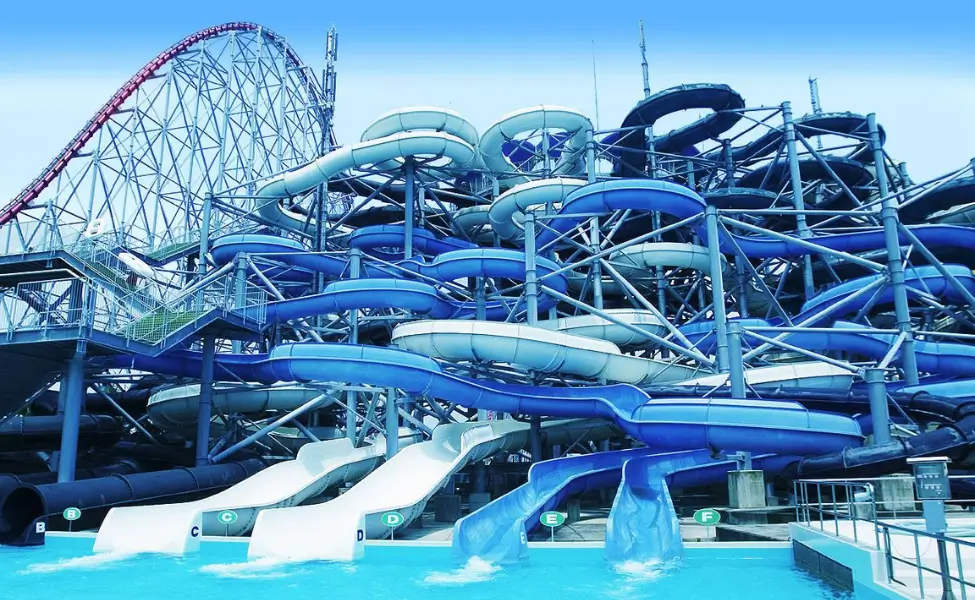
The park opens at 9:30am and popular rides begin building queues before 10am on busy days.
Arriving at opening is not optional advice on weekends and public holidays.
Pro tip: The waterpark has lockers. Ignore the main ones to your right as you enter the water park and walk around to the right after you pass them.
You’ll find more lockers at half the price!
Bring some 100 yen coins to use them
Nagoya Anpanman Children’s Museum and Park
At the entrance to Nagashima Spa Land sits the Anpanman Museum, built entirely around one of the most beloved characters in Japanese children’s culture.
Anpanman is a superhero whose head is made of sweet anpan bread and who is known to essentially every Japanese child under the age of eight.
The museum brings his world to life through interactive exhibits, daily stage performances, character greetings, and an outdoor play park built around Anpanman-themed structures.
Admission runs approximately ¥2,200 to ¥2,400 for both adults and children aged one and above, with infants under one year entering free. Current prices are at anpanman-nagoya.jp.
The museum is largely indoors, which makes it practical on hot or unpredictable weather days.
Nabana no Sato
Nabana no Sato is a botanical garden known across Japan for its seasonal flower displays and winter illumination event, which runs from mid-October through to around the end of May.
It features one of the largest LED light installations in the country.

Transport depends on the time of year. Outside illumination season, buses run from Kintetsu Kuwana Station (approximately ¥300, about 10 minutes).
During the illumination period, buses run instead from Kintetsu Nagashima Station (approximately ¥230, about 10 minutes, every 20 to 60 minutes).
Using the wrong station during illumination season means you will not find the bus you are looking for, so confirm which applies to your visit before you travel.
This works as a half-day addition to the Nagashima day rather than a full standalone destination.
The illuminations are spectacular, but crowds build sharply after 6pm.
Arriving between 4pm and 5:30pm lets you experience the transition from daylight to the full illumination display without fighting through peak congestion.
Other Day Trips from Nagoya for Families
If You Can Only Choose One More: Aichi Bokujo
Aichi Bokujo in Nisshin City is the day trip that consistently generates the strongest family reactions of anything that does not involve a major theme park.

Animal contact areas, pony rides, seasonal fruit picking, and open outdoor space produce the kind of day children remember long after returning home.
It’s best accessed if you come by car and there is ample parking.
For Older Children: Inuyama
About 30 minutes north of Nagoya by the Meitetsu railway, Inuyama has two strong options for families with children aged eight and above.

Inuyama Castle is one of only twelve original castles still standing in Japan, carrying National Treasure status, and the steep stone staircases and genuinely narrow upper floors engage children in a way that modern reconstructed castles simply cannot.
Meiji Mura, a 20-minute bus ride from the station, is an open-air architectural museum with over 60 relocated Meiji-era buildings across a large site.
Allow three to four hours there and arrive before lunch to avoid rushing.

Families with children under seven who are hoping historical context will hold their attention through this kind of visit should probably save it for another trip.
Summer Only: Minami Chita Beach Land
A coastal family park at the southern tip of the Chita Peninsula with an aquarium, small rides, and beach access.
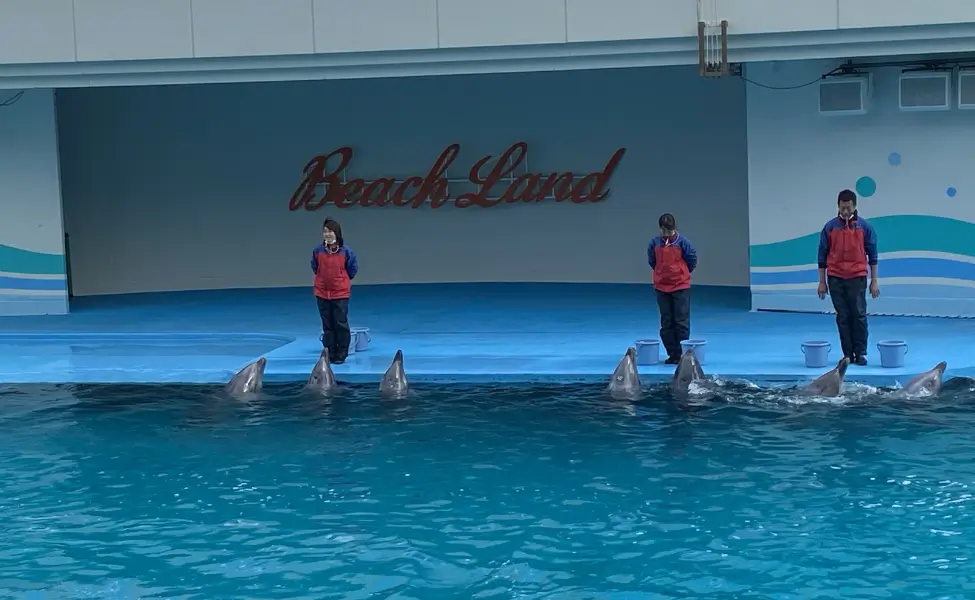
The beach is the reason to come here, which makes summer the obvious season. At other times of year it is a reasonable but not essential option.
Travel the full Meitetsu Chita Peninsula line, go early, and budget the return journey before energy levels drop.
The Quirky Free Option: Mentai Park and Ebi Senbei no Sato
Both are free to enter and both sit on the Chita Peninsula route, making them practical partners.
Mentai Park is built around spiced cod roe with a factory tour and tasting.

Ebi Senbei no Sato does the same for prawn crackers.
Children’s reactions to the food split sharply, which is part of the entertainment.
Works best as a half-day addition to Minami Chita Beach Land rather than a reason to travel in its own right.
For Toddlers and Young Children: Denpark (Anjo)
A Danish-themed garden park in Anjo City, about 30 minutes from Nagoya, with seasonal flowers, modest rides, and generous open space.
The pace here suits families with very young children who need a day that does not ask too much of them.
Teenagers will exhaust it by midday.
How to Group Your Days Efficiently
The geography helps here once you understand it.
Most of the major attractions cluster naturally into groups that eliminate unnecessary cross-city travel.
The Kinjofuto cluster on the Aonami Line covers the Railway Park, Legoland, and Makers Pier, all within a short walk of each other at the end of the line.
This fills one to two days depending on how long Legoland holds your children’s attention.
The port cluster on the Meiko Line covers the aquarium and the Fuji Antarctic Museum together, and Unko Museum at LaLaport Nagoya Minato AQULS is also on the Meiko Line, making it a natural extension of a port day for the right age group.
The Sakae cluster around Fushimi Station has the Science Museum, with Oasis 21 a few minutes beyond that.

Odaka Ryokuchi is its own full day, covering the park and Dino Adventure together in Midori Ward.
Ghibli Park stands alone as a separate day requiring the Linimo journey to Nagakute.
Nagashima works as a standalone full day from Nagoya and fits most naturally into a three-day or longer stay.
A Simple 3-day Plan
A practical three-day structure for families with children aged four to ten would put Day 1 at Kinjofuto, covering the Railway Park in the morning and Legoland in the afternoon with Makers Pier as the wind-down.
Day 2 works well as the port day, starting at the aquarium at opening to beat the queues, adding the Fuji Antarctic Museum after lunch, and finishing at the Unko Museum at LaLaport if the energy is there.
Day 3 belongs to Odaka Ryokuchi Park and Dino Adventure.
For families with teenagers, the shape changes significantly.
Day 1 is the Science Museum as a full day, arriving at opening and collecting the polar experience ticket immediately.
Day 2 covers the Railway Park in the morning and the Toyota Museum in the afternoon.

Day 3 is Ghibli Park or Nagashima spaland.
Food in Nagoya Your Kids Will Actually Enjoy
What Nagoya is Actually Famous For
The local food culture goes by the name Nagoya-meshi and several of its signature dishes travel well across age groups.
Miso katsu, a deep-fried pork cutlet in rich red miso sauce, is the most reliable choice for children and is available across the city at every price level.

Tebasaki chicken wings, seasoned to a specific local recipe and crisped rather than battered, tend to disappear from the plate without much encouragement from parents.
Hitsumabushi, grilled eel served and eaten three different ways from the same bowl, is worth trying with older children who are genuinely curious about food rather than wary of it.
Picture menus and plastic food display cases outside restaurants are standard across Nagoya, removing the language barrier from ordering almost entirely.

Children who cannot read Japanese can point at what they want, and parents who cannot read Japanese will find the whole process considerably less stressful than they expected.
Another simple option is conveyer belt sushi places which are all over Nagoya.
If You Have Picky Eaters
The anxious parent’s most useful piece of Japan knowledge is that the food safety net here is excellent.
Department store basement food halls, called depachika, stock enormous variety at reasonable prices, including onigiri, sandwiches, sushi sets, fried chicken, and hot prepared dishes, and there is one beneath most major stations.
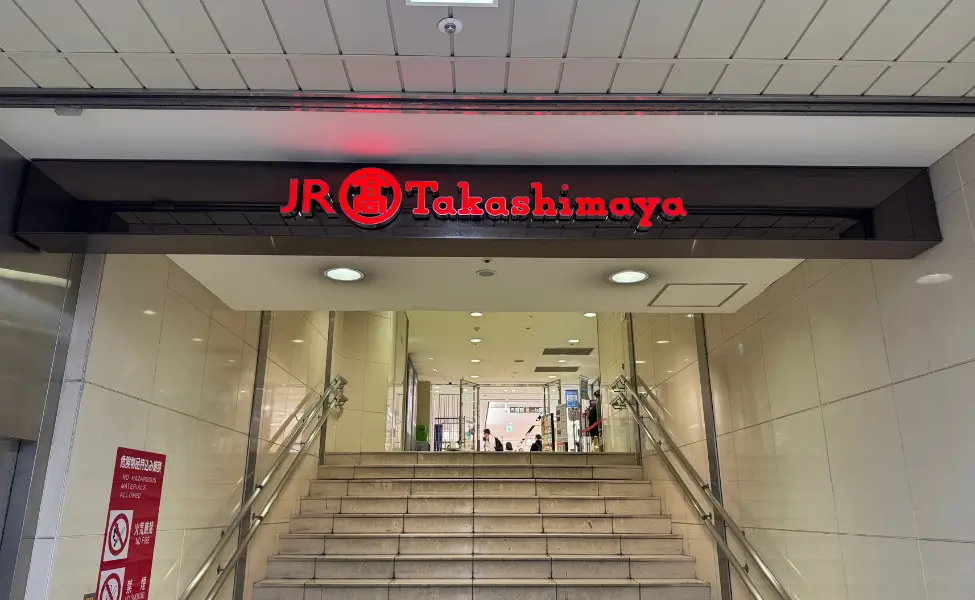
Convenience stores at every corner offer fresh food around the clock, and the quality is genuinely high compared to international equivalents.

Japanese family restaurant chains like Gusto and Saizeriya serve pasta and rice dishes that most children accept readily.
Having these as backup options takes the anxiety out of mealtimes entirely, which is worth more than it sounds on a trip where everyone is already processing a great deal of unfamiliarity.

The Morning Service
Many of Nagoya’s older kissaten coffee shops offer something called the morning service, which means ordering a coffee brings free toast, a boiled egg, and often a small salad alongside it at no extra charge.
It typically runs until around 11am.
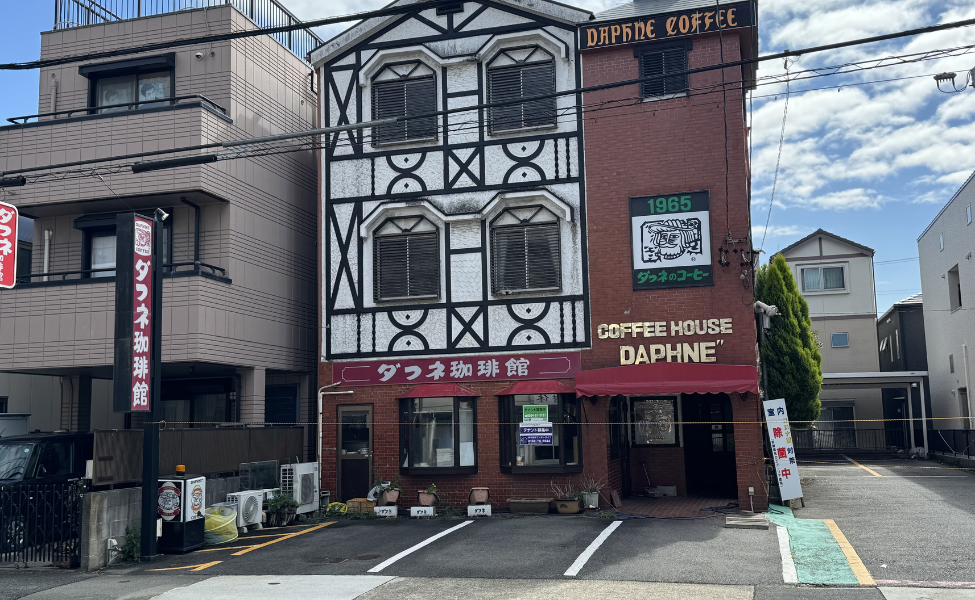
For families, the value is not just financial.
A neighbourhood coffee shop in Nagoya on a weekday morning is calm, unhurried, and considerably easier to manage than a hotel buffet with young children.
Children who eat toast and eggs at home will be entirely comfortable.
Final Thoughts
Three days here with children under twelve tends to be fuller and more genuinely enjoyable than three days in any of the cities that typically headline a Japan itinerary.
The attractions are strong enough to anchor a proper visit.
The infrastructure is manageable, the day trips add real variety, and the absence of Tokyo-level tourist density means the energy expenditure of travelling with children stays at a reasonable level.