
Thirty years in Japan and I still can’t get a straight answer out of most travel guides.
Ask them what to do if you’re not into temples and shrines and they’ll give you a list that starts with a different temple or a castle.
Then some shopping.
Then, inevitably, a food tour near a shrine.
It’s not that the writers are lazy.
It’s that the whole framework for writing about Japan was built around religious architecture, and once a framework exists it’s almost impossible to see past it.
Temples photograph well.
They have names and histories and opening hours.
They’re easy to write about without knowing the country.
The country itself is something else.
I’m not going to do the thing where I tell you Japan has so much more to offer, because you already know that, it’s why you’re here.
What I’m going to do instead is tell you what that actually means in practice.
Specifically. With enough detail that you can build a trip around it.
Because after three decades of living here, visiting every prefecture, watching the tourism industry reshape certain places almost beyond recognition, the thing I’m most certain of is this.
The Japan that stays with people, the version they come back for, involves more than just temples and shrines.
What is there to do in Japan besides temples or shrines?
The Covered Shopping Streets
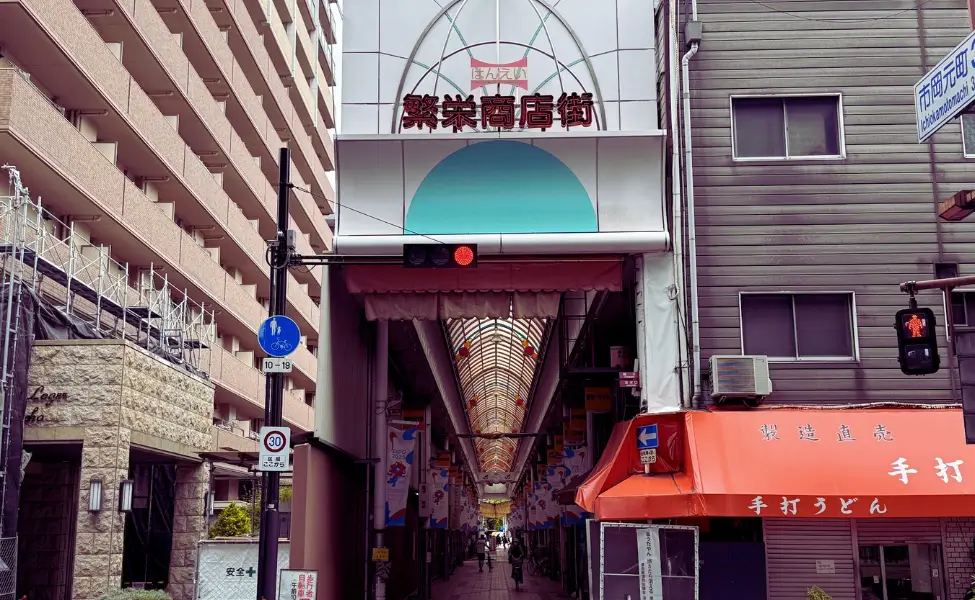
Every Japanese city of any size has at least one shotengai.
Most have several.
They’re covered shopping arcades, usually running a few hundred metres through the older part of town, and they are almost never on any tourist itinerary, which is exactly why they’re worth your time.
The famous ones have been written about. Kuramoto in Osaka, Togoshi Ginza in Tokyo, which holds the record for longest shotengai in Japan at around 1.3 kilometres if you’re keeping score.
But the interesting ones are the ones in cities nobody travels to specifically.
Ichibangai in Numazu.
The old arcade in Takasaki.
What you’re looking for in a good shotengai is age and function.
Not the ones that have been renovated into something photogenic, but the ones where the fishmonger has been in the same spot for forty years and the sign above the door looks like it was painted when the building was new, because it probably was.
The rice shop.
The place that only sells pickles.
Nobody here is running a cultural experience for visitors.
The fact that you’ve wandered in from somewhere else is mildly interesting to him and largely irrelevant.
The Kissaten
Japan’s old-style coffee shops don’t look like much from the outside.
Vinyl chairs, dim lighting, a laminated menu that hasn’t changed since the bubble economy.
The kind of place you’d walk past without a second look if you weren’t paying attention.
Which would be a mistake.
The kissaten is a different proposition from the third-wave coffee shops that have taken over every major city.

No seasonal lattes, no pour-over theatre, no queue around the block.
Just coffee, usually very good coffee, served by someone who has been making it the same way for a long time and sees no reason to change.
What I find interesting about these places, after years of wandering into them across every part of Japan, is how completely they’ve been ignored by travel content.
They’re not photogenic enough.
And yet they’re one of the more honest windows into the way Japanese people actually spend their time.
A kissaten on a weekday morning is full of regulars.
Retired men reading newspapers.
Office workers on a break.
The same faces the owner has been seeing for twenty years.
For a visitor that’s worth something.
You’re not in a tourist experience.
You’re just in a coffee shop, in Japan, the way it actually is.
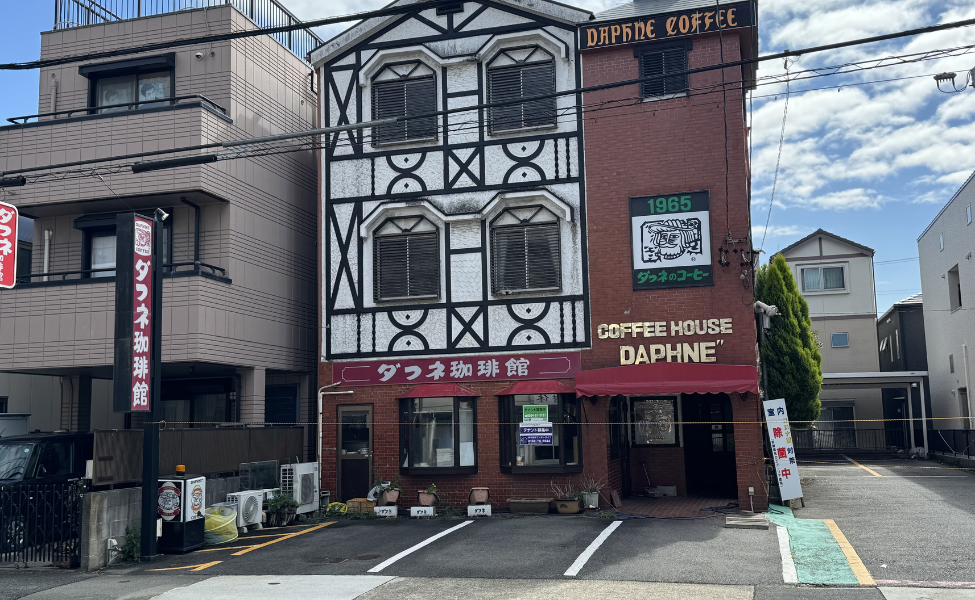
Finding them is straightforward enough.
Walk away from the station, look for places with some age on them, go in.
Order the coffee.
The bill will probably surprise you on the low side.
I went to the one in the picture above a few months ago and while I had entered a time-warp, it was pretty realxing.
Michi No Eki
Michi no eki are roadside rest stops, scattered along national roads and rural highways across the whole country.
Most people drive past them without stopping, which is their loss.

The concept is simple: a place to pull over, use the facilities, and buy something local.
In practice they’re one of the most useful and underused tools available to anyone travelling in Japan who wants to understand a region rather than just pass through it.
The key word is local.
A good michi no eki sells what the surrounding area actually produces.
Not the same set of generic omiyage you’ll find at every train station gift shop, but the specific agricultural output of the farms within twenty kilometres.
The yuzu from that valley.
The rice variety that only grows in this prefecture.
The pickles made to a recipe that exists nowhere else because nobody outside this region ever thought to export it.
A michi no eki in rural Gifu or along the San’in coast tells you more about what that region values and produces than any amount of sightseeing.

If you’re driving in Japan, build them into your route deliberately.
If you’re not driving, some are accessible by bus or on foot from smaller stations.
Either way, budget more time than you think you need.
They have a way of being more interesting than expected.
Onsen Towns
There’s a difference between visiting an onsen and understanding an onsen town, and it’s worth making that distinction before you go.
The bathing itself gets all the attention.

And yes, sitting in hot spring water is a genuinely good way to spend an hour.
But the more interesting thing, the thing that doesn’t get written about enough, is what the existence of a hot spring does to a place over several centuries.
By the time you arrive, you’re walking into something that has been developing its own particular character for a very long time.
Kinosaki in Hyogo is probably the best example of this done right.

Seven bathhouses spread across a small town, connected by a canal lined with willows.
The town exists entirely because of the springs.
The ryokan, the restaurants, the rhythm of the place, all of it grew around that single geological fact.
Guests wander between bathhouses in yukata and wooden sandals, which sounds like a tourist performance but is actually just how it works there and has worked for centuries.
Nyuto Onsen in Akita is a different proposition entirely.

A collection of small bathhouses deep in the mountains, several of them looking like they’ve been there since before anyone thought to maintain them.
Getting there requires some effort.
That’s the point.
Closer to central Japan, the smaller onsen towns in Nagano and Gifu tend to get overlooked in favour of the famous names.
Which makes them worth seeking out specifically.
Less infrastructure built around visitor expectations, more of the actual thing.

What to look for in a good onsen town is what I’d call functional age.
Places that have been doing this long enough that the tourism is almost incidental to the operation.
Here is some more in-depth content on onens:
A Week in Chubu With Zero Temples
This itinerary is based in Nagoya with two overnight stops outside the city.
Most of it is doable by train and local bus.
A couple of the better michi no eki and the Kiso Valley section make more sense with a rental car, but neither is impossible without one.
Nagoya: Two to Three Days
Nagoya gets a bad reputation from people who spent one night there on the way to somewhere else.
Ignore that.

It’s a working city with a serious food culture and enough to keep you occupied for several days if you’re paying attention to the right things.
Start in Osu.
This is one of the better functioning covered arcade networks in central Japan.
It has a mix of vintage clothing, small restaurants, old hardware shops and the kind of establishments that are difficult to categorise.
Here’s a walk I took around the area for you to enjoy.
Walk the whole thing without an agenda.
It takes about an hour if you don’t stop, considerably longer if you do.
Tokoname is forty minutes from Nagoya by train and worth at least half a day.
It’s one of Japan’s six ancient kiln towns and it still functions as a working pottery centre rather than a tourist attraction that happens to have kilns.
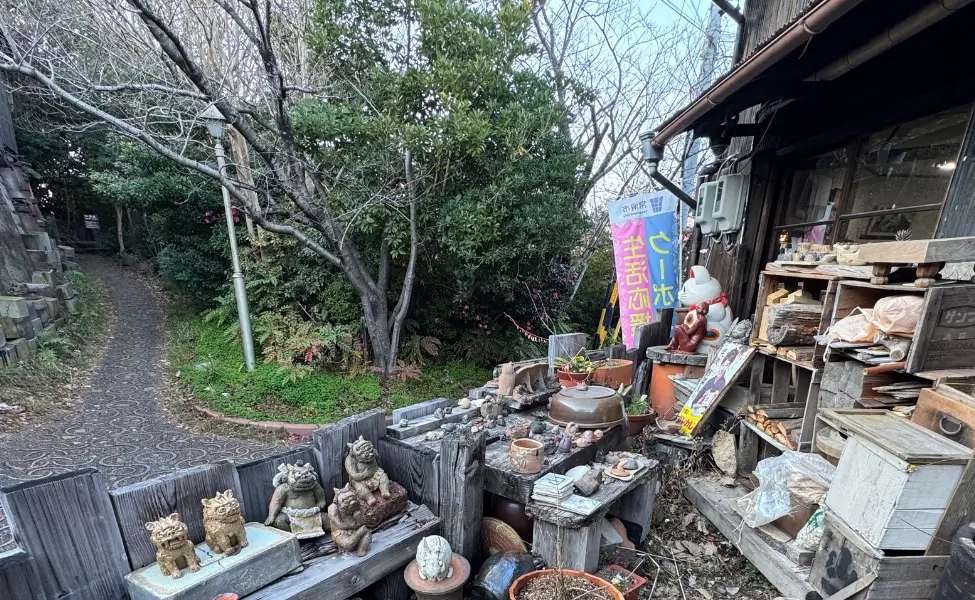
The chimney stack walking trail connects the old industrial kilns and takes you through the kind of neighbourhood that hasn’t been renovated for visitors because nobody thought to.
The maneki neko connection is strong here too if that’s relevant to your interests.
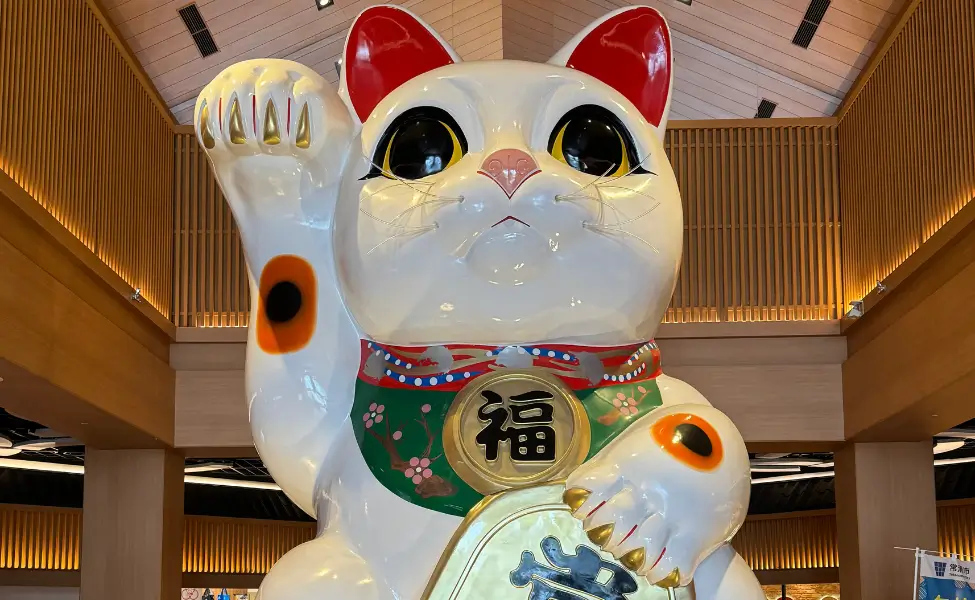
For food, Nagoya has its own distinct cuisine that bears almost no resemblance to what you’ll eat in Tokyo or Osaka.
Miso katsu, hitsumabushi, kishimen, ogura toast at a morning kissaten.
If you order a drink before 11, sometimes you can get a free breakfast too.
It’s called ‘morning service’ here.
More Nagoya reading:
The Kiso Valley: Two Days
Take the Chuo Line from Nagoya toward Nagano and get off somewhere in the Kiso Valley.
Nakatsugawa is the practical entry point.

From there, rent a car if you can.
The famous post towns, Magome and Tsumago, are genuinely worth seeing but go early or late and spend as little time as possible in the middle of the day when the tour buses arrive.
The more interesting thing is the valley itself, which runs north from here through a series of smaller towns that get progressively quieter and less visited.

Nojiri, Agematsu, Fukushima, none of these appear on standard itineraries and all of them have more going on than the famous names.
The local soba, the mountain vegetables, the specific variety of apples that only grow at this altitude, this is what the valley actually produces and it’s worth eating.
Stay one night in the valley itself rather than commuting from Nagoya.
The small guesthouses in Tsumago or Nagiso are straightforward to book and the valley at dusk, after the day visitors have left, is a different place entirely.
Gujo Hachiman or the Noto Peninsula: One to Two Days
This depends on which direction interests you more and how much time you have left.

Gujo Hachiman in Gifu is two hours from Nagoya by highway bus and entirely manageable without a car.
It’s a small castle town built at the confluence of two rivers, famous among Japanese people for its Obon dancing festival and its remarkably clean water.
And it’s arguably my favourite town in the whole of Japan!

The Noto Peninsula is a longer commitment and genuinely benefits from a rental car.

The western coast is accessible and relatively developed.
The eastern coast, the Okunoto, is where the peninsula gets interesting.
Small fishing villages, salt farms still operating traditional methods, the kind of landscape that exists because it’s too far from anywhere for development pressure to have arrived yet.
The instinct when building a Japan itinerary is to fill every day.
Resist it here.
Slow travel is the way to go.
The Questions People Actually Ask
Can you skip temples in Tokyo entirely?
Yes, and most people already do without realising it.
Tokyo’s primary character has almost nothing to do with religious architecture.
Shinjuku, Shimokitazawa, Koenji, Akihabara, none of these require a shrine visit to make sense of.

The more useful question is what you’re actually interested in, because the city has a version of almost everything.
Food, vintage clothing, architecture, jazz bars that have been running the same programme since the seventies, the Kawasaki industrial waterfront night tours.
A week in Tokyo without a single temple is not only possible, it’s how most people end up spending their time anyway.
Is there anywhere in Japan with nothing to do with temples?
Most of industrial Japan. Nagoya, Kawasaki, Kitakyushu.
Most of coastal fishing Japan.
The Sea of Japan port towns, the San’in coastline, the Noto Peninsula.
Hokkaido was settled too recently for the temple layer to have built up in the same way.
Okinawa has entirely different cultural and religious traditions from the mainland.
Both sidestep the problem by default.
The Closing Thought
Japan is a big country.
Not geographically, but in terms of what’s actually there if you look past the obvious.
Thirty years in and I’m still finding things that surprise me.
The temples and shrines aren’t going anywhere.
But neither is everything else.
And everything else is a lot bigger than most travel content suggests.
Start with what you’re actually interested in.
Build from there.

