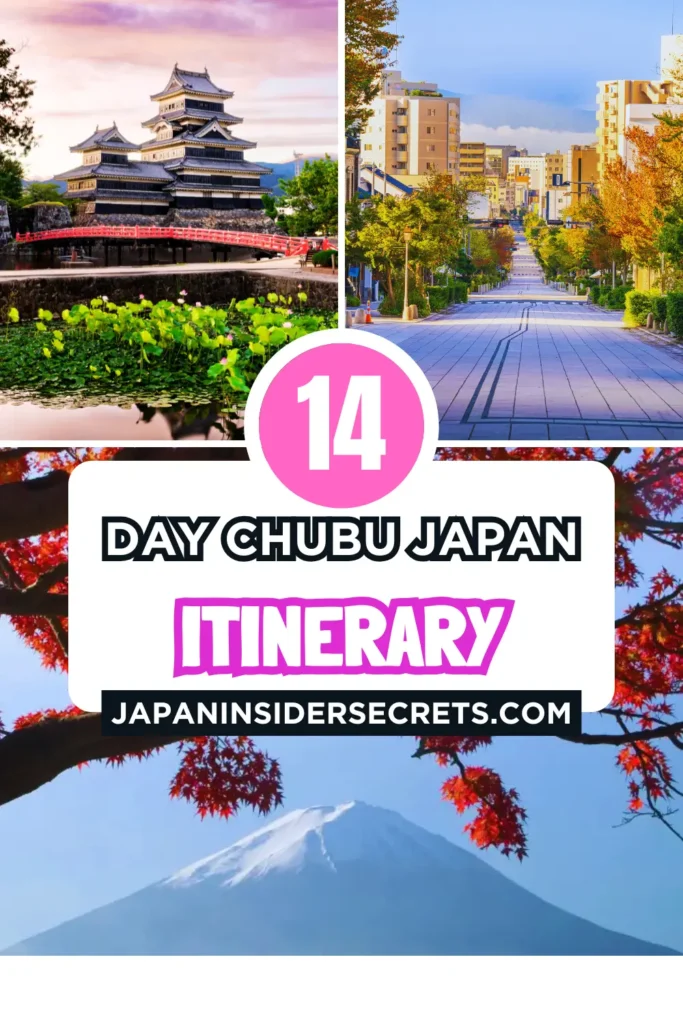
Chubu is not some secret region.
The names pop up in guides.
Fuji. Nagoya. Kanazawa.
But most travellers treat them like side trips.
What most miss is how naturally this region connects.
Mountain railways lead to towns frozen in time.
Hot spring inns look out over valleys.
Castles, gardens, crafts and food vary wildly from one stop to the next.
Each day feels new, yet every connection makes sense.
This Chubu itinerary shows how it works as a complete journey, not just scattered side trips.
You’ll cover well-known spots and places most tourists skip without even knowing.
A note on our starting point: Lake Kawaguchi is in Chubu’s Yamanashi Prefecture, but it feels more like Tokyo’s backyard.
We start here strategically.
It’s your gentle introduction to mountain Japan and perfect decompression from international travel.
Want to go deeper?
Get our 100 page Chubu guide and plan the perfect Chubu itinerary for you.
Also check out our 7-day Chubu itinerary if you have less time to explore.
Days 1-3: Mount Fuji Region (Yamanashi)
Day 1: Arrive in Tokyo and Rest
After landing at Tokyo’s airports, head to a hotel near a major station like Tokyo, Shinjuku, or Shibuya.
International flights are exhausting, and jet lag hits harder when you try to pack too much into your first day.
Essential preparation: Download the Japan travel app for train times, Google Maps (with offline maps), and Google Translate with camera function before you travel.
Reserve your seat on tomorrow’s Limited Express train to Lake Kawaguchi using the app or at the station.

Spend the afternoon gently exploring your neighborhood if energy permits.
Visit a convenience store to stock up on snacks and drinks.
Get an early dinner and sleep.
Your mountain adventure begins tomorrow when you’re properly rested.
Day 2: Travel to Kawaguchi-ko
Take the Limited Express Azusa or Kaiji train to Lake Kawaguchi.
Book a window seat on the right side for the best views during this scenic two-hour journey.
The train ride becomes part of your experience as you watch Tokyo’s urban sprawl gradually give way to rice fields, then rolling hills, until Mount Fuji appears on the horizon.
This journey officially begins your Chubu adventure, setting a contemplative tone for the mountain regions ahead.

Check into your hotel with Mount Fuji views.
Many hotels here position rooms specifically for mountain viewing, with large windows that frame Japan’s most famous peak.
Choose between lakeside ryokan with traditional style or modern hotels with panoramic windows.
Spend your afternoon walking around the lake.
You’ll discover small shrines, traditional tea houses, and peaceful spots perfect for reflection.
Mount Fuji viewing tip: If clouds hide the mountain, try early morning or late afternoon when visibility is typically best, especially in autumn and winter.
Try local Hoto noodles for dinner.
These are thick wheat noodles in rich miso broth that warm you after a day of mountain air.
Day 3: Mount Fuji Exploration
Many hotels offer wake-up calls for optimal Mount Fuji viewing times.
Take the ropeway up Mount Tenjo for spectacular views.

The cable car climbs 400 metres in three minutes, revealing breathtaking perspectives of Mount Fuji, Lake Kawaguchi, and the surrounding countryside.
At the summit, explore viewing decks, a small shrine, and hiking trails.
Visit the Fujisan World Heritage Centre to understand Japan’s most famous mountain.

This modern museum explains Mount Fuji’s geological formation, cultural significance, and the spiritual beliefs surrounding it.
Even if you can’t climb the mountain, you’ll understand why Japanese people consider it sacred.
End your day at an onsen hot spring resort.
Soaking in mineral-rich waters while gazing at Mount Fuji creates unforgettable memories.
Many onsen feature outdoor baths positioned perfectly for mountain viewing.
Onsen etiquette: Wash thoroughly at shower stations before entering the hot springs.
Never wear swimwear in the baths.
Keep towels out of the water.
Most onsen provide English instructions, and staff can demonstrate proper etiquette if needed.
Days 4-5: Nagoya and Surroundings (Aichi)
Day 4: Travel to Nagoya
Take the train to Nagoya.

This is Chubu’s biggest city and an often-missed gem.
Nagoya surprises with its energy, innovation, and food scene.
The journey takes about three hours.
This gives you time to watch the landscape change from mountains to city sprawl.
Luggage tip: Send large suitcases ahead using takuhaibin delivery service.
Most hotels accept luggage deliveries.
This service costs around 2,000 yen per bag and arrives the next day.
You can travel with just day packs on longer journeys.
Check into your hotel near Nagoya Station.
This is one of the world’s largest train stations.
Spend your afternoon exploring the Sakae district.

This is the city’s entertainment and shopping heart.
You will find the famous Oasis 21 building. It looks like a spaceship and lights up beautifully at night.
For dinner, try Nagoya’s special dish called hitsumabushi.
This grilled eel over rice comes with specific eating instructions.
This makes the meal fun and interactive.
You eat it three ways.

First plain, then with seasonings like wasabi and green onions.
Finally as ochazuke with hot tea poured over the rice.
Day 5: Nagoya Castle and Inuyama Day Trip
Start early at Nagoya Castle.
This is one of Japan’s best rebuilt castles.

The golden dolphins on top represent the city’s wealth.
They serve as Nagoya’s unofficial mascots.
Inside, you will find interactive displays about samurai culture.
You will learn about castle building techniques and the powerful Tokugawa family.
Walk through the nearby Tokugawa Art Museum.
This houses treasures from one of Japan’s most powerful families.
The Tale of Genji scrolls here are national treasures.
They represent some of the world’s oldest illustrated novels.
Temple and shrine etiquette: Bow before entering shrine gates.
Purify hands and mouth at water basins.

Toss coins gently into offering boxes.
Clap twice after bowing at shrines.
Stay quiet and respectful in temple halls.
Afternoon: Take a 30-minute train ride to Inuyama.
This charming small city has one of Japan’s twelve original wooden castles.
Inuyama Castle sits on a hill overlooking the Kiso River.
It dates back to 1537.

Walk down the traditional streets below the castle.
Edo-period buildings house sake breweries, tea houses, and craft shops.
Everything feels real because mass tourism has not taken over this place yet.
Try warm imagawayaki pancakes filled with sweet red bean paste before returning to Nagoya.
Evening: Explore the Osu district.

Traditional temples exist alongside quirky shops and street food vendors.
This area perfectly shows Nagoya’s character.
It respects tradition but always embraces something new.
Try Nagoya’s famous tebasaki chicken wings.
They are crispy and glazed with a sweet and spicy sauce.
This has become the city’s unofficial comfort food.
Days 6-8: Japanese Alps (Gifu)
Day 6: Journey to Takayama
Board the Wide View Hida limited express train for one of Japan’s most scenic railway journeys.
This specially designed train has large windows and comfortable seating.
You travel through mountains, valleys, and traditional villages for about two and a half hours.
Seat Reservations: Book your seats early.
This is important in cherry blossom season (early April) and autumn foliage season (mid to late October).
The Wide View Hida fills up quickly during these peak periods.
Arrive in Takayama and immediately feel the difference in atmosphere.

This mountain town preserves Edo period character better than almost anywhere else in Japan.
The air is cleaner, the pace slower, and the buildings more intimate.
Check into a traditional ryokan inn.
You will sleep on tatami mats and enjoy kaiseki dinner.

This features local mountain vegetables and world-famous Hida beef.
The ryokan experience goes far beyond just a place to sleep.
You take part in a cultural tradition.
This emphasises hospitality and harmony with nature.
Ryokan customs: Remove shoes when entering.
Wear provided yukata robes for dinner and breakfast.
Futon beds are laid out while you dine.
Meals are served at specific times in your room or private dining areas.
Day 7: Takayama Old Town and Sake
Explore Sanmachi Suji.
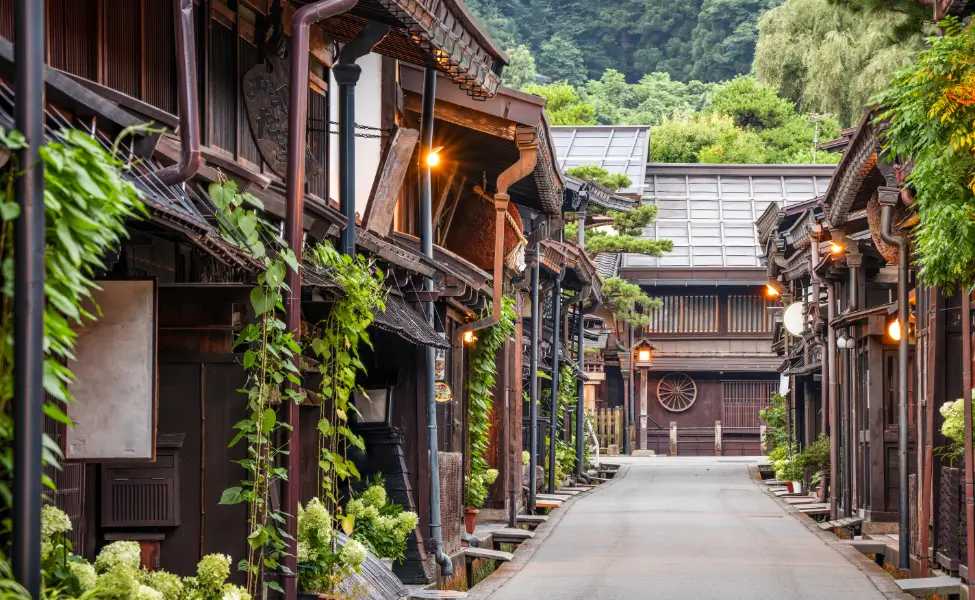
This is the historic district where wooden buildings from the 1600s line narrow streets.
These streets have barely changed in 400 years.
You can visit sake breweries where traditional methods produce some of Japan’s finest rice wine.
Stop at the morning markets along the Miyagawa River.
Local farmers sell fresh vegetables, pickles, and mountain herbs.
Try the famous mitarashi dango rice dumplings with sweet soy glaze.
They grill them fresh while you wait.
Day 8: Shirakawa-go Village Visit
Take a bus through mountain roads to Shirakawa-go.
This is a UNESCO World Heritage village that seems frozen in time.
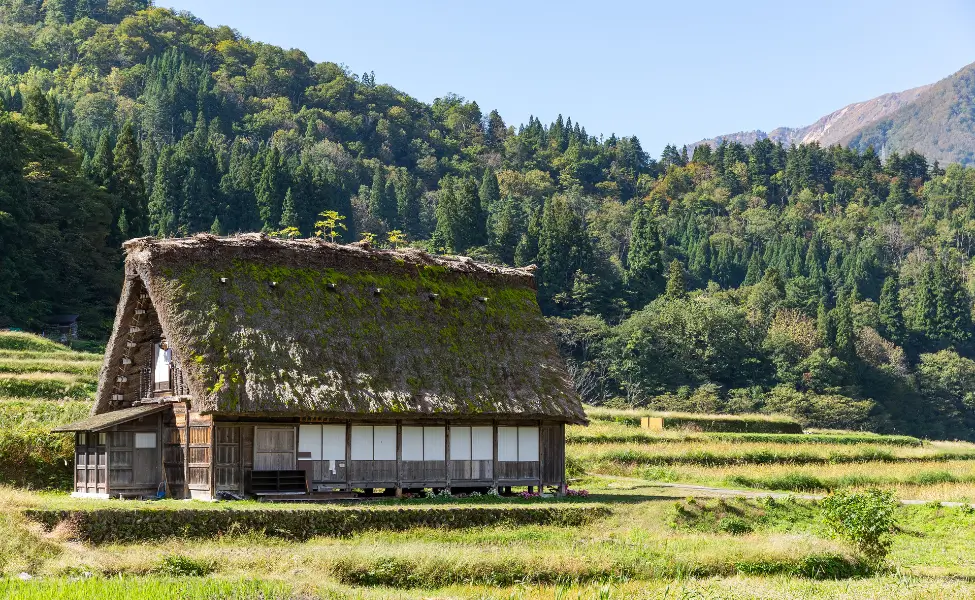
The traditional farmhouses with steep thatched roofs look like something from a fairy tale.
But they represent smart adaptation to harsh mountain winters.
Transportation note: The bus journey takes about 50 minutes and costs around 2,600 yen each way.
Some buses require seat reservations, especially during peak seasons.
The JR Pass does not cover this private bus service.
These gassho-zukuri houses were built to handle heavy snow loads.
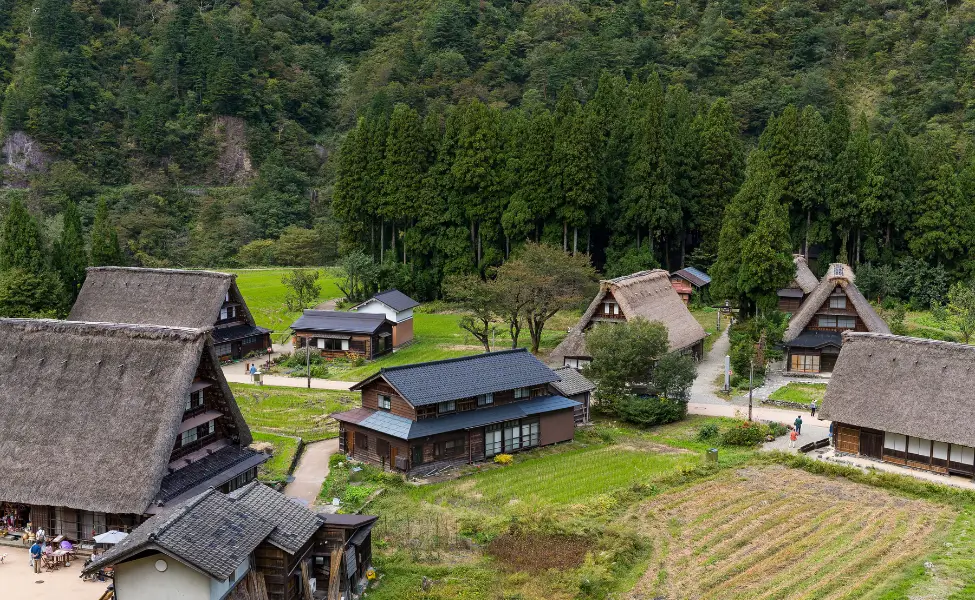
Normal roofs would crush under the weight.
Some houses are over 250 years old.
They still shelter families who maintain traditional lifestyles in this remote mountain valley.
You can tour several houses to see traditional rural life preserved in working condition.
The interiors have massive wooden beams, traditional hearths, and living spaces.
These show how extended families lived together in harmony with nature’s rhythms.
Climb to the observation deck for the classic postcard view.
From the deck, the valley village framed by mountains shows the balance between tradition and nature.
Days 9-11: Kanazawa and Surroundings (Ishikawa)
Day 9: Travel to Kanazawa
Take the JR Hokuriku Shinkansen to Kanazawa (about 1 hour 15 minutes through mountain tunnels).

Check into your hotel near Kanazawa Station.
The city balances tradition and modernity and remains a cultural capital.
Kanazawa escaped bombing during World War II.
This allowed it to preserve historic districts, traditional crafts, and cultural practices.
These disappeared from many other Japanese cities.
The dramatic glass dome welcomes visitors.
Walk through the Higashi Chaya district in the evening.

Traditional lanterns light up preserved tea houses with wooden lattice fronts.
These ochaya used to host wealthy merchants and samurai.
They offered music, dance, and fine conversation.
Cash culture: Kanazawa’s traditional establishments prefer cash payments.
Withdraw money from post office ATMs or 7-Eleven stores.
Many ryokan and traditional restaurants do not accept credit cards.
Day 10: Kenrokuen Garden and Geisha Districts
Start early at Kenrokuen Garden. This is consistently ranked as one of Japan’s three most beautiful gardens.
Kenrokuen shifts with the seasons: blossoms in spring, lush green in summer, vivid colours in autumn, snow scenes in winter.

The garden has over 13,000 trees and plants.
Some specimens are hundreds of years old.
The famous yukitsuri snow protection ropes support tree branches during winter.
These have become iconic symbols of Kanazawa.
Visit Kanazawa Castle next door.

White walls and traditional architecture show the power of the Maeda clan.
They ruled here for over 250 years.
Seasonal timing: Cherry blossoms typically peak around 10-15 April in Kanazawa.
Autumn colours are most vibrant from mid-October to early November.
Winter illuminations run from November through February.
Spend your afternoon exploring the Kazuemachi district.
This is another preserved geisha quarter.
Day 11: Traditional Crafts and Local Experiences
Morning: Visit the 21st Century Museum of Contemporary Art in its striking circular building.
This shows Kanazawa’s commitment to contemporary culture alongside traditional arts.
Afternoon: Try gold leaf crafts at Kanazawa Yasue Gold Leaf Museum.

The city produces 99% of Japan’s gold leaf using techniques passed down through generations.
You can decorate chopsticks or small boxes.
Lunch: Explore Omicho Market, a 300-year-old market serving the freshest Sea of Japan seafood.
Evening: Experience a traditional tea ceremony at Shima or Kaikaro tea houses in the historic districts.
Sit in seiza position (knees folded) if possible.
Admire the tea bowl before drinking.
Turn the bowl clockwise twice before drinking.
Compliment the host on the tea and sweets.
Days 12-13: Matsumoto and Japanese Alps (Nagano)
Day 12: Travel to Matsumoto
Take the train to Matsumoto.
This is the gateway to the Northern Japanese Alps.
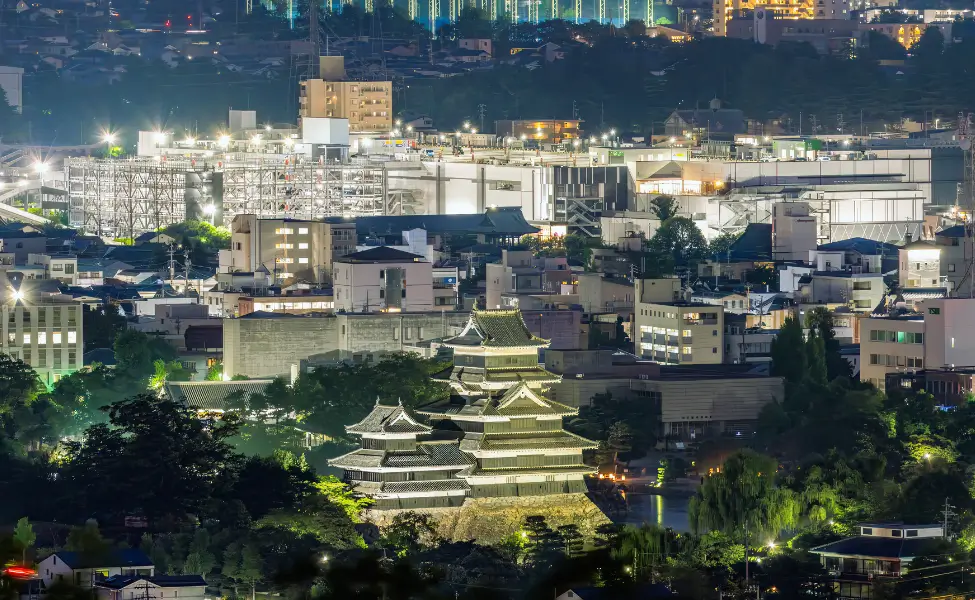
It is home to one of Japan’s most beautiful original castles.
Matsumoto sits in a basin surrounded by 3,000-metre peaks.
Visit Matsumoto Castle immediately upon arrival.
This original black castle from 1594 stands against the backdrop of snow-capped mountains.
This creates one of Japan’s most photographed scenes.
Unlike many rebuilt castles, this one keeps its original wooden floors, steep staircases, and narrow windows.
Luggage storage: Matsumoto Station has coin lockers for day trips.
Large lockers cost 600 yen per day.
This allows you to explore the castle and city centre without heavy bags.

Walk through the historic district around the castle.
Traditional shops, museums, and restaurants occupy buildings that complement the castle’s atmosphere.
Try soba noodles made from local buckwheat for lunch.
Recommended: Kobayashi Soba near the castle serves handmade noodles in a 150-year-old building.
Evening: Walk the historic Nakamachi Street with its distinctive black and white kura (storehouse) buildings.
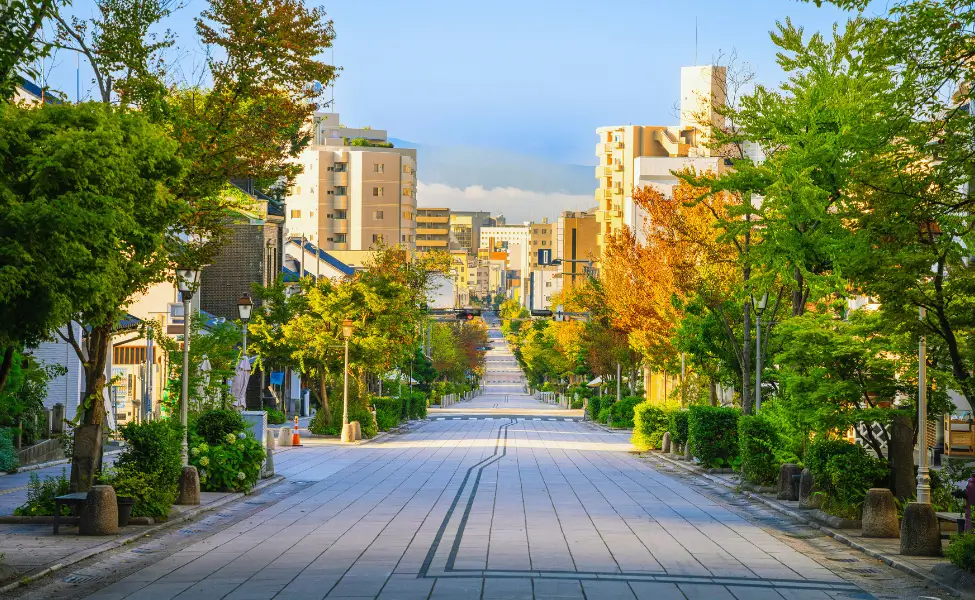
These former merchant warehouses now house cafes, craft shops, and galleries.
Day 13: Alpine Exploration
Choose your alpine adventure based on weather and interests.
For mountain views: ride cable cars up Mount Norikura (2+ hours each way).
For cultural immersion: visit Shibu Onsen hot spring town where snow monkeys bathe.

Day 14: Departure
Return to Tokyo
Take the train back to Tokyo for your departure flight.
Use travel time to organize photos and reflect on your journey through traditional Japan.
The landscape shift from mountains to urban sprawl marks your return to modern life.
Tokyo time: Visit Depachika (department store food floors) at Tokyo Station or Shibuya for omiyage souvenirs.

Airport logistics: Allow three hours for international departures from Narita or Haneda.
The Narita Express or Tokyo Monorail provide direct airport connections.
Book seats in advance during busy travel periods.
With thoughtful planning, Chubu reveals itself as one of Japan’s most rewarding regions to explore.
Practical Tips
Budget Considerations
Accommodation costs: Mountain resort areas like Hakone and Takayama charge premium rates.
Budget ryokan start around 15,000 yen per person including meals.
Luxury ryokan can exceed 50,000 yen per person. Business hotels in cities cost 8,000-12,000 yen per night.
Meal budgets: Convenience store meals cost 500-1,000 yen.
Restaurant meals range from 1,500 yen (lunch sets) to 8,000 yen (premium kaiseki).
Activity costs: Castle entries cost 300-600 yen.
Garden admissions cost 300-500 yen. Craft workshops range from 2,000-5,000 yen.
Cable car rides cost 1,000-3,000 yen return.
Convenience store food saves money while offering surprisingly good quality.

You will find everything from fresh sandwiches to hot meals and regional specialities.
Regional specialities often cost less in their home areas than in major cities.
Connectivity: Make sure to sort out an eSim before you travel as connection can be tricky in some parts of the countryside.
Best Times to Visit
Spring (March-May): Cherry blossoms bloom from early April in lower elevations to late April in mountains.
Expect crowds and higher prices during peak bloom periods.

Book accommodation three months in advance.
Weather can be unpredictable with occasional cold snaps.
Summer (June-August): Hot and humid in lower elevations but pleasant in mountains.
Rainy season (tsuyu) runs from mid-June to mid-July.

Mountain hiking trails are fully accessible.
Festival seasons bring local celebrations but also crowds.
Autumn (September-November): Spectacular colours peak from mid-October to early November.
This is ideal weather for outdoor activities and photography.

Another peak season with higher prices and crowds.
Mountain areas see first snow from late October.
Winter (December-February): Snow transforms the landscape into winter wonderlands.
Fewer tourists mean better prices and authentic experiences.
Some mountain roads close from December to March.

Hot spring experiences are magical in snow.
Many hiking trails become inaccessible.
Timing for this itinerary: Late October gives you great autumn colors, nice temperatures, and smaller crowds.
Early December provides winter atmosphere with most attractions still accessible.