
Everything you think you know about bringing food into Japan might be wrong.
Most travelers assume processed snacks are always safe while fresh foods are banned, but customs officers regularly confiscate items that seem perfectly harmless.
Even leftover airplane meals with meat get seized at the border.
The real rules have nothing to do with whether food looks safe and everything to do with specific disease prevention protocols that most visitors never hear about until it’s too late.
| Food Item | Allowed? | Conditions / Limit |
| Chocolate, sweets, biscuits | Yes | Must be sealed |
| Canned goods | Yes | Commercially sealed |
| Tea, coffee, dried drinks | Yes | Sealed, personal use |
| Cheese, butter, milk | Yes | Max 10kg combined, all dairy together |
| Almonds, cashews, walnuts, pistachios | Yes | None |
| Instant noodles | Yes | No meat or egg in the seasoning packet |
| Dried or smoked fish, seafood | Yes | No quarantine needed |
| Fresh meat, any kind | No | Banned, no exceptions for personal use |
| Processed or vacuum-sealed meat (jerky, sausage, ham) | No | Treated the same as fresh meat |
| Fresh fruit (mango, citrus, apple, etc.) | No | Region-dependent bans, most tropical fruit restricted |
| Sweet potatoes | No | Banned from most countries |
| Raw milk products | No | Stricter than processed dairy |
| Soil-covered plants | No | Automatic confiscation |
What Food Gets Confiscated at Japan Customs
Japan’s customs officials take away thousands of food items every day from travelers who don’t know the strict import rules.
Most of these confiscations happen because the food could spread diseases like foot-and-mouth disease or mad cow disease to Japanese livestock and crops.
Prohibited and Restricted Food Items
Japan customs keeps a long list of restricted foods that travelers can’t bring in.
Beef jerky, ham, sausages, bacon, you name it.
Completely banned meat items include:
- Fresh, frozen, and processed meats from cows, pigs, sheep, and goats
- Poultry products from chickens, ducks, geese, and turkeys
- Eggs and eggshells from any bird species
- Animal parts like bones, blood, skin, and organs
Even leftover hamburgers from airplane meals get confiscated.

You’ll need to finish any meat products before landing in Japan.
Dairy restrictions work a bit differently.
You can bring in processed cheese under 10kg for personal use, but raw milk products face much stricter controls.
Many fruits and vegetables are also banned.
Prohibited plant items include:
- Mangoes, guavas, and citrus fruits from places with Mediterranean fruit flies
- Apples, pears, and cherries from areas with codling moths
- Sweet potatoes from most Asian and African countries
Confiscation Reasons: Disease Prevention and Safety
The Ministry of Agriculture, Forestry and Fisheries (MAFF) sets these rules to protect Japan’s farms and animals.
Bringing food into Japan without the right permits could introduce serious diseases.
Mad cow disease is another big concern.

Japan learned from outbreaks elsewhere and keeps strict barriers against infected products.
Plant diseases can spread just as quickly.
Mediterranean fruit flies destroy crops worth millions.
A single infected mango could start a pest problem in Japan’s farming regions.
Customs officers get a lot of training to spot risky foods.
They use X-ray machines, detector dogs, and visual checks to catch banned items.
Why African Swine Fever Changed the Rules
Mad cow disease isn’t the only threat behind Japan’s strict meat rules anymore.
African Swine Fever, often shortened to ASF, is a highly contagious pig disease. It has spread through parts of Asia and Europe in recent years. It doesn’t affect humans, but it’s often fatal to pigs and can wipe out a farm fast.
Because of ASF, Japan has tightened inspections on pork products specifically. This includes items many travellers assume are safe. Vacuum-sealed sausage, cured ham, and pork
jerky all get treated the same as fresh meat under current rules. None of them get a pass just because they’re processed or sealed.
Animal Products and Disease Concerns
Animal products carry the highest risk for disease, so customs targets them first.
Raw and processed meats are both risky.
Cooking doesn’t always kill every disease agent, so Japan bans most animal products regardless of how you prepare them.
High-risk animal products:
- Meat from hoofed animals
- Unpasteurized dairy items
- Raw eggs and egg products
- Animal feed with meat or bone meal
If you’ve visited farms abroad, you have to declare it at customs.
Even golf shoes with soil can carry animal diseases.
Officials might disinfect your shoes or even take them away if they’re contaminated.
Mad cow disease worries drive beef restrictions from certain countries.
It’s a brain-wasting disease that can affect people who eat infected meat.
Special Rules for Plant-Based Foods
Plant products face specific restrictions based on where they come from and what pests are present.
Japan customs has detailed lists of banned fruits and veggies by country.
Mediterranean fruit fly infestations mean most tropical fruits from Europe, Africa, and South America aren’t allowed.
These pests can ruin Japanese crops in just a few months.
Region-specific plant bans:
- Citrus fruits from Mediterranean fruit fly regions
- Stone fruits from codling moth areas
- Sweet potatoes from most developing countries
- Cut flowers without the right certificates
Some plants need inspection certificates from the country they’re coming from.
You have to show these at plant quarantine stations before you clear customs.
Plants with soil attached always get confiscated. Soil carries insects, fungi, and bacteria that could threaten Japanese agriculture.
Even a little bit of dirt means automatic confiscation.
Dried fruits and processed plant products have different rules.
They face fewer restrictions, but customs officers still check them for pests or banned ingredients.
Restricted Herbal and Speciality Food Items (CITES)
Some food and herbal items are restricted for a completely different reason: not disease, but international wildlife protection law.
Japan enforces the Washington Convention, known as CITES, which restricts trade in specific plants and animal-derived products. A few items catch travellers out because they don’t look like “food” in the usual customs sense.
- Certain ginseng products
- Agarwood-based items
- Caviar from some sturgeon species
If you’re bringing a specialist or herbal food gift, especially anything sold as a traditional remedy or luxury ingredient, check it isn’t CITES-restricted before you pack it.
How to Bring Food into Japan Legally and What to Expect
To bring food into Japan legally, you need to know what’s allowed and follow the declaration process.
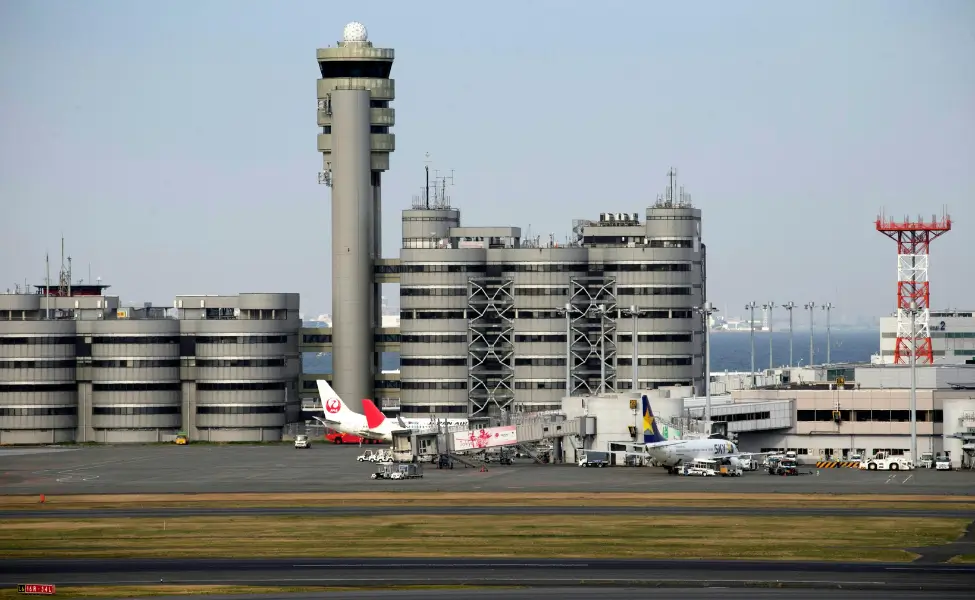
It helps to understand the labeling rules and check the latest regulations before you go.
Permitted Food Items and Labelling Requirements
Customs lets you bring in several types of processed and packaged foods without special permits.
Chocolates, biscuits, and sweets are usually okay for personal use.
Canned goods that are commercially sealed can come in with no problem.
Tea, coffee, and other dried drinks are fine too.
You can bring in cheese, butter, and milk, but the total weight can’t go over 10 kilograms.
That limit covers all dairy items together.
Certain nuts are allowed, like:
- Almonds
- Cashews
- Walnuts
- Pistachios
Instant noodles are fine, but they can’t have meat or egg in the seasoning packets.
Always check the ingredients before you pack them.
All edible fish and seafood products can enter Japan freely.
Smoked salmon and dried fish are both good to go.
Make sure food items are in their original packaging with clear labels.
If a package is damaged, take those items out before you travel.
Declaration and Inspection Process
You have to declare all food items on the customs form when you arrive in Japan.
Even if the food is allowed, you still need to declare it or you could get in trouble.
Keep food items somewhere easy to reach in your luggage.
Customs officers might want to check them during screening.
MAFF oversees food inspections at the border.
Officers look for banned items and make sure you’re following the rules.
If you don’t declare food, it can get confiscated and you might get fined.
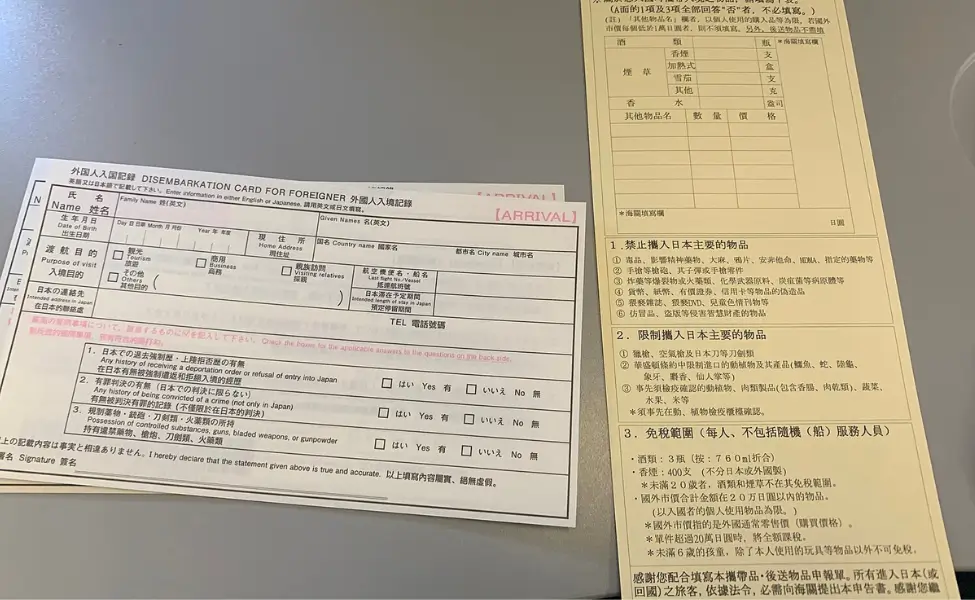
In some cases, serious violations can lead to criminal charges.
During inspection, officers might ask where the food’s from or what it’s for.
Just answer honestly and give them any documents they ask for.
The whole process usually just adds a few minutes at customs.
If you’re bringing food, plan for a little extra time.
Green Channel vs Red Channel: Which One to Use
When you land in Japan, you walk through one of two doors at customs.
Choose the Green Channel if you have nothing to declare. That means no prohibited items, no restricted items, and nothing over the duty-free limits.
Choose the Red Channel if you’re carrying anything you’re not sure about, anything restricted, or anything over the value limits.
If you’re not sure which one applies to you, always pick the Red Channel.
Officers won’t fine you for declaring something honestly, even if they end up confiscating it. The fines are for not declaring, not for carrying something restricted.
What Happens If You Don’t Declare Food: Fines and Penalties
Skipping the declaration form isn’t a shortcut. It’s a legal risk.
If you illegally import meat, meat products, plants, or plant products, Japanese law allows for a fine of up to ¥3 million or up to three years in prison. This comes from Japan’s Act on Domestic Animal Infectious Diseases Control and the Plant Protection Act.
This penalty sits apart from simple confiscation. If you declare something honestly and customs decides it’s restricted, they’ll usually just take it away. The fines and criminal charges are for hiding items, not for declaring them.
Remember the rule – honesty costs you the item. Dishonesty could cost you millions of yen, and possibly your freedom.
Where to Find Official Information
The Japan customs website has the latest rules for bringing food into Japan.
It’s a good idea to check before you travel since things can change.
MAFF also publishes detailed lists of banned and restricted foods.
Their website breaks down the rules by category.
If you’re not sure about a specific food, contact the Japanese embassy or consulate in your country.
They can help with questions about unusual or specialty foods.
Airport quarantine stations have info when you arrive.
Staff can answer questions about your food during inspection.
Rules might change if there’s a disease outbreak or new agricultural risks.
Always double-check before you leave for Japan.
Frequently Asked Questions
Yes, you can bring most processed snacks without trouble. Chocolates, sweets, biscuits, and canned goods usually breeze through customs. Just ensure they are fully sealed, for personal use, and that any instant noodles do not contain meat or egg in the flavor packets.
Yes, dried fish is totally fine to bring into Japan. All edible fish and seafood products, including smoked salmon, can come in without quarantine. You can pack them in your carry-on or checked bags, provided they are properly processed and packaged. Fresh or raw fish is prohibited.
Yes, cheese and other dairy products are allowed as long as you keep the total weight under 10 kilograms. This weight limit covers all dairy products together, including butter, cream, milk, and yogurt. The cheese should be properly packaged and declared at customs.
Yes, plain bread counts as processed food and is generally allowed for personal use. Commercially packaged bread from established bakeries easily gets through customs. However, bread filled with meat, fresh vegetables, or other banned items will be confiscated.
Yes, you must declare all food when arriving in Japan, even permitted snacks. Not declaring food can lead to fines or even criminal charges in serious cases. Customs might want to inspect your luggage, so pack food where it’s easy to find.
Japan strictly bans all fresh fruits, vegetables, and raw or processed meats (including jerky and sausage) to prevent pests and diseases like foot-and-mouth disease. Dairy products from certain countries may also be flagged. If you pack prohibited produce or meat, customs will confiscate it.
If you illegally import meat, meat products, plants, or plant products, you could face a fine of up to ¥3 million or up to three years in prison. This is confirmed by the Japan National Tourism Organization. The penalty applies to not declaring, not to simply carrying a restricted item. If you declare honestly and the item turns out to be restricted, customs will usually just confiscate it, with no fine.
Yes. African Swine Fever has made Japan’s inspections on pork products stricter. Vacuum-sealed, cured, and processed pork items like sausage, ham, and jerky get treated the same as fresh meat. None of them are exempt just because they’re sealed or processed.

