

If you are building a Japan itinerary and wondering if Tottori prefecture is worth visiting, the honest answer depends on how you travel.
Time, transport, and what you actually want to do all factor into whether it earns its place.
Tottori is not the easiest prefecture to reach, and it does not announce itself with a famous castle or a shrine that everyone already knows.
What it offers instead is a different combination of coastal landscape, history, manga culture, and food that holds up across two days without padding.
Quick Verdict
Tottori is worth it if you have at least two nights, enjoy coastal scenery, unusual landscapes, manga culture, local food, or rural Japan, and are comfortable with slower regional transport.
Tottori is harder to justify if this is your first Japan trip, you only have one rushed day, or you need easy Shinkansen access between major cities.
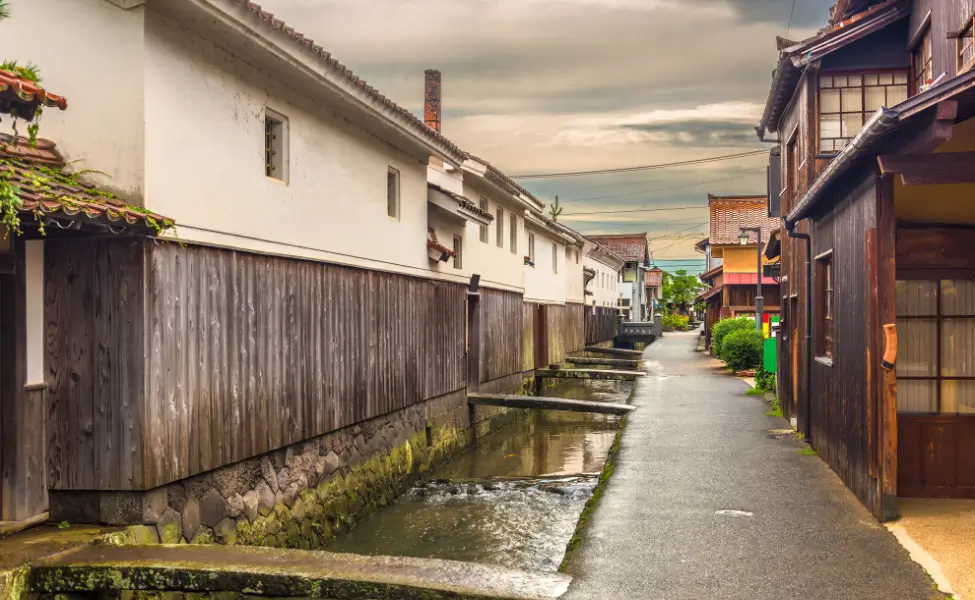
The sand dunes alone are not enough to build a trip around.
Combine them with the Uradome Coast, the castle ruins, the manga towns, and an onsen stop, and Tottori becomes one of the more memorable parts of a western Japan route.
Keep reading to work out whether that combination fits what you have planned.
What Tottori Has to Offer
The Sand Dunes
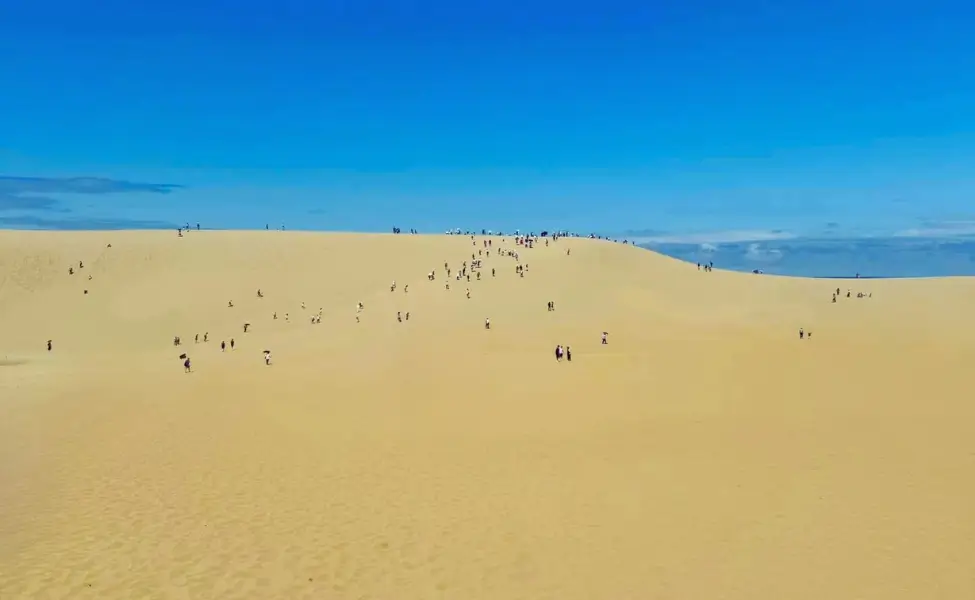
The Tottori Sand Dunes are approximately 16 kilometres long and rise to around 50 metres at their highest point, which catches most visitors off guard because photos rarely capture the scale.

Entry to the main dune area is free, and a bus from Tottori Station takes about 20 minutes.
Plan on two to three hours here.
The main activities on offer are:
- Sandboarding and paragliding, both available for beginners through on-site operators
- Camel rides at approximately 1,300 yen per person, available most days until 16:00
- Chairlift to the Sakyu Center observation deck for coastal views
- Free walking across the full dune area without guides or restrictions
The Sand Museum
The Sand Museum sits a short walk from the dunes and displays large sculptures created by international artists working entirely in sand.
Each year the exhibition focuses on a different country or region.
The 2026 theme is Spain, running through early January 2027.

Allow around an hour for the museum. It closes in winter between exhibitions, so check dates before visiting.
The Uradome Coast
The Uradome Coast lies to the east of the dunes, and boat tours depart from the small harbour at Tsuiyama.
Running for approximately 50 minutes, the cruise passes through sea caves and past rock formations along a stretch of protected coastline within the San’in Kaigan UNESCO Global Geopark.
Most Tottori articles skip this boat tour, and it is the point at which the day stops feeling like a one-attraction stop.
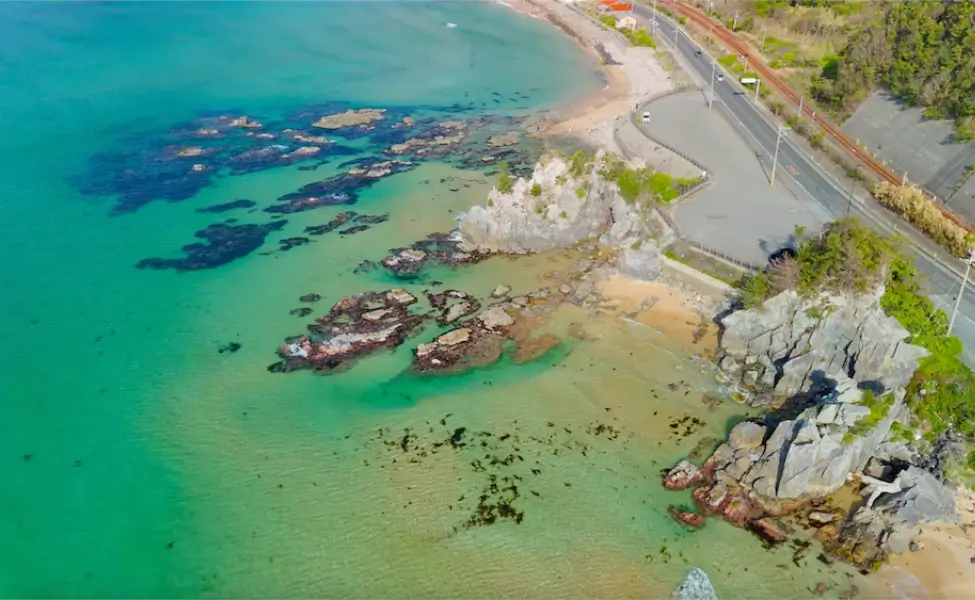
Together, the dunes, the museum, and the coast fill a full day without any forced stops.
History in Tottori City
The Yamana clan built Tottori Castle during the Sengoku period, beginning around 1532, and the Ikeda family expanded it significantly during the Edo period.
No keep survives, but the layered stone walls and moats are well preserved, and the 20-minute climb to the summit gives a clear view across the city toward the dunes and the Sea of Japan.
Designated a National Historic Site, the ruins sit within Kyusho Park, one of the prefecture’s better cherry blossom spots in late March and early April.
Entry to the grounds is free.
Hakuto Shrine, a short distance along the coast from Tottori City, connects to one of Japan’s oldest creation myths and sits near a beach of unusual white sand.
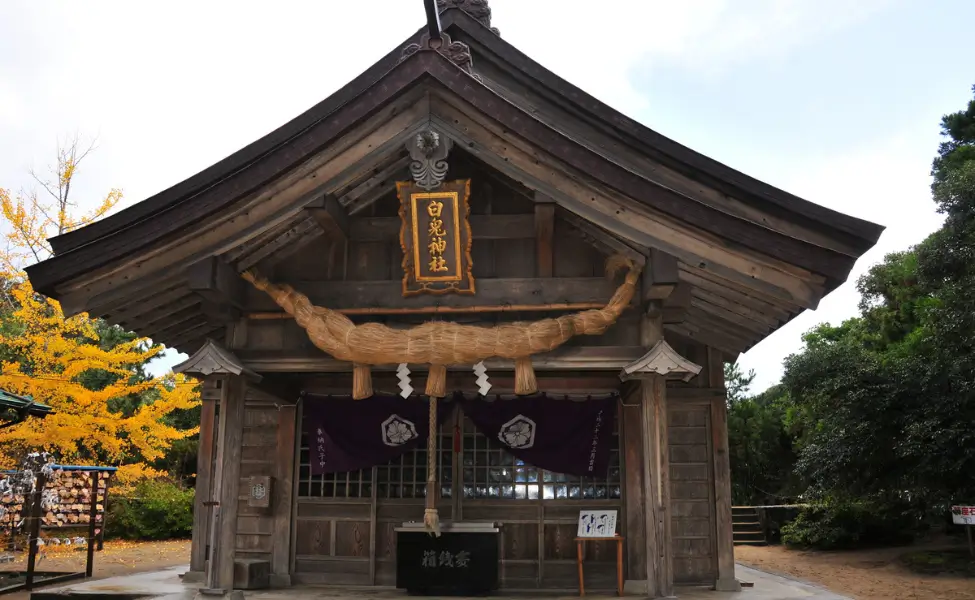
Compact enough to add as a morning stop on the way to or from the dunes, it fits easily into a day without disrupting the pace.
Manga Culture in Hokuei and Sakaiminato
Tottori produced two of Japan’s most celebrated manga artists, associated with different towns roughly 40 kilometres apart.
Knowing which belongs where saves confusion when planning.
Hokuei is the birthplace of Gosho Aoyama, the creator of Detective Conan.
The town’s station, officially Yura Station and widely known as Conan Station, is decorated throughout in the series.
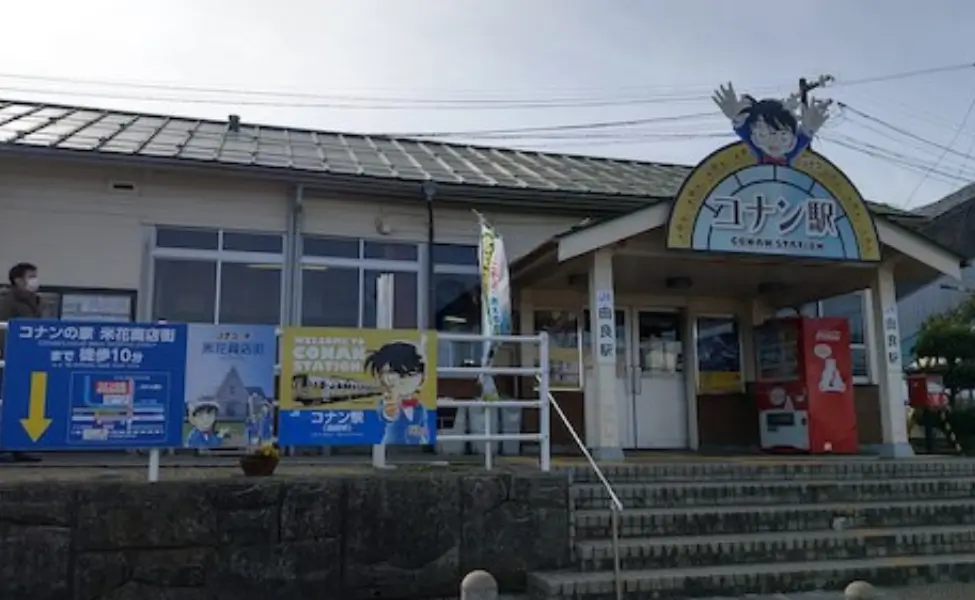
A 1.4-kilometre walk from the station leads to the Gosho Aoyama Manga Factory.
Exhibits cover the artist’s childhood, his creative process, and the Detective Conan characters and cases.
Fans will want a full morning here.
Curious non-fans will still find an hour or two worthwhile, especially the reconstructed workspace and the interactive tricks from the series.
Sakaiminato, near the western edge of the prefecture, is the hometown of Shigeru Mizuki, creator of GeGeGe no Kitaro.
Mizuki Shigeru Road runs 800 metres from Sakaiminato Station to the Mizuki Shigeru Museum and lines the route with 177 bronze yokai statues.
The atmosphere is unlike any other in Japan: a quiet fishing port that has rebuilt its identity entirely around Japanese folklore monsters.
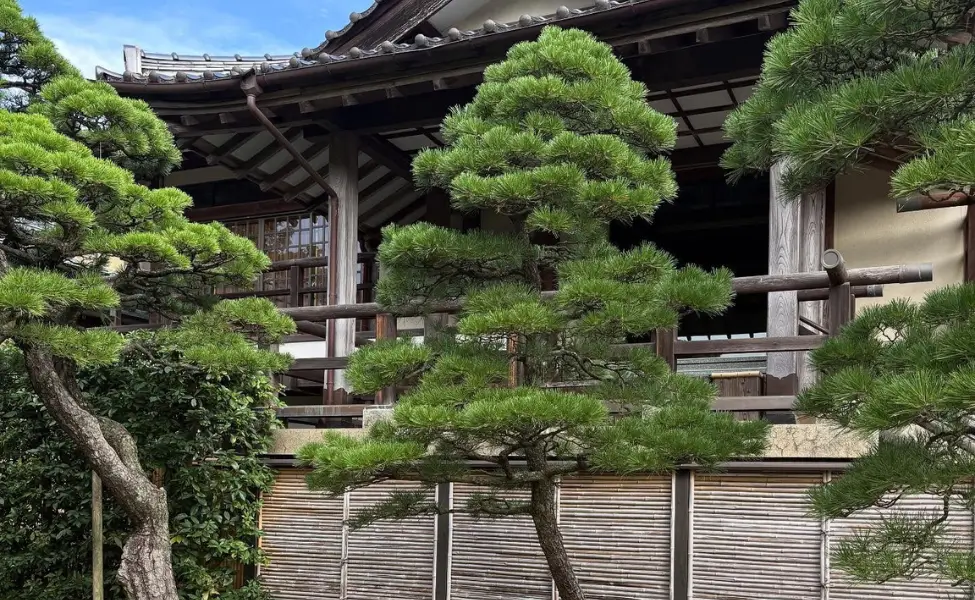
Walking the full road takes under an hour. Add another 90 minutes if you plan to go through the museum.
Both towns are reachable by train from Yonago, and combining them in a single day is possible but brisk.
If manga culture is a priority, give the western end of Tottori a full day of its own.
Mount Daisen and Mount Mitoku
Mount Daisen stands at 1,729 metres and is the tallest peak in the Chugoku region.
Within Daisen-Oki National Park and listed among Japan’s 100 Famous Mountains, it draws hikers year-round and skiers in winter.
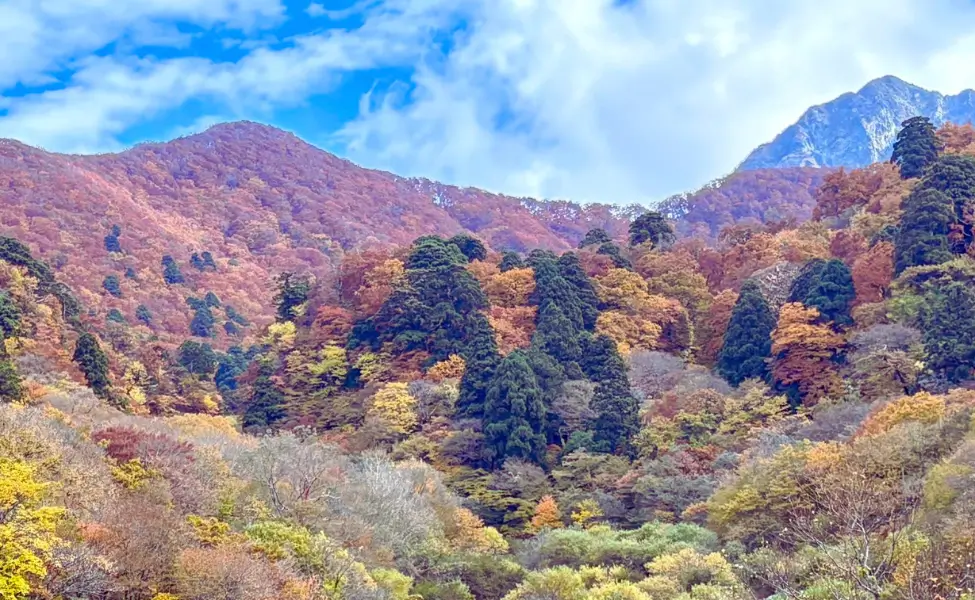
Daisenji Temple at the mountain’s base dates to 718 and was once the centre of a complex that housed more than 100 sub-temples and 3,000 armed monks.
The hiking trail from the temple climbs through beech forest to the Misen summit ridge in around three hours one way.
Mount Mitoku is a separate mountain near Misasa, distinct from Daisen, and it holds one of the most unusual sights in the prefecture.
Nageiredo Hall, part of Sanbutsu-Ji Temple, clings to a sheer cliff face at around 500 metres.
The only National Treasure in Tottori Prefecture, it is described by the temple priests as Japan’s most dangerous National Treasure because of the challenging climb required to reach it.
The pilgrimage trail takes 90 to 120 minutes round trip, with chain and root sections in the upper stretch, and closes from December through March.
Misasa Onsen, a traditional hot spring town in this area, makes a comfortable overnight stop if you plan to visit the temple and want to slow down.
How to Structure Your Time
The most useful decision you can make before arriving is how many nights you have, because that determines which half of the prefecture you can realistically reach.
| Stay | Best For | Focus |
|---|---|---|
| One day | Travellers routing between Osaka and the San’in coast | Sand dunes, Sand Museum, Uradome Coast boat tour |
| Two days | Those building a regional itinerary through western Honshu | Add manga culture, castle ruins, Misasa Onsen overnight |
| Two to three days | Hikers, dedicated manga fans, or those combining with Matsue | Add Mount Daisen or Mount Mitoku |
One day in eastern Tottori
- Take the bus from Tottori Station to the sand dunes (20 minutes). Spend two to three hours at the dunes and Sand Museum.
- Travel east by bus or taxi to the Uradome Coast for the 50-minute boat tour from Tsuiyama Harbour.
- Return to Tottori City in the late afternoon, walk up to the castle ruins for the view, and take an evening train.
Be realistic about what one day can hold.
The dunes, museum, and boat tour are already a full morning and afternoon.
The castle is a short walk from the city and adds perhaps 90 minutes.
Fitting any of western Tottori into a single day will mean rushing.
Two days in Tottori
- Day one follows the eastern Tottori route above: dunes, museum, coast, and castle.
- Day two: travel west by San’in Line to Hokuei for a morning at the Gosho Aoyama Manga Factory and a walk along Conan Street. Continue to Yonago, then take the Sakai Line to Sakaiminato for Mizuki Shigeru Road in the afternoon.
Two days gives Tottori enough room to feel like a real destination rather than a detour.
The combination of coast, history, and manga culture across two days is what makes the prefecture hold its own against better-known stops.
Getting to Tottori and Getting Around
From Osaka or Kyoto
The Super Hakuto Limited Express is the fastest service, running roughly every two hours and requiring a reserved seat.
The journey from Osaka takes around 2.5 hours and costs approximately 7,500 yen.
From Kyoto, allow around 3 hours.
A JR Pass supplement of approximately 2,150 yen applies because the train uses Chizu Express (private) tracks for part of the route.
Several JR regional passes cover this in full, including the JR Kansai Wide Pass and the JR West All Area Pass.
From Tokyo
Take the Shinkansen to Shin-Osaka or Himeji, then transfer to the Super Hakuto.
The total journey from Tokyo runs around six hours.
Tottori has no Shinkansen station of its own, so the transfer is unavoidable.
That travel time is the single most important factor in deciding whether Tottori fits your itinerary.
From Okayama
The Super Inaba Limited Express connects Okayama to Tottori in around one hour and 45 minutes.
This is the most efficient entry point for anyone combining Tottori with Okayama or Hiroshima on a San’in to San’yo route.
| From | Service | Journey Time | Approx. Fare |
|---|---|---|---|
| Kyoto | Super Hakuto Limited Express | approx. 3 hours | approx. 8,500 yen |
| Osaka | Super Hakuto Limited Express | approx. 2.5 hours | approx. 7,500 yen |
| Okayama | Super Inaba Limited Express | approx. 1 hr 45 min | approx. 4,500 yen |
Getting around without a car
Eastern Tottori, including the dunes, the Uradome Coast, and Tottori City itself, is navigable by bus and taxi without much difficulty.
The Uradome boat tour departure at Tsuiyama Harbour requires a taxi from the main bus route, but the fare is modest and journey is short.
The manga towns of Hokuei and Sakaiminato are both reachable by train from Yonago.
When a rental car makes sense
The western half of the prefecture becomes considerably more flexible with a car.
Mount Mitoku involves a bus from Kurayoshi Station to Misasa and another to the mountain trailhead, which is workable for a dedicated full day but awkward when combining with other stops.
Mount Daisen is reachable by bus from Yonago but less frequently than many travellers expect.
If you plan to cover both mountains and the manga towns in a two or three day window, a car saves meaningful time.
How Tottori Compares to Nearby Alternatives
If straightforward transport and high-density sightseeing are your priority, Okayama or Hiroshima are easier additions to a standard Japan route.
Both sit on the Shinkansen and offer major castles, gardens, and history without the logistics of a regional limited express.
Himeji is accessible as a day trip from Osaka or Kyoto without an overnight.
Tottori works better for travellers building a quieter coastal and folklore route through the San’in region.
Pairing it with Matsue and Izumo makes strong use of the shared atmosphere.
Sand dunes and manga towns in Tottori, historic castle and grand shrine in Shimane.
That route covers a stretch of Japan that most international visitors never see, and the combination of the two prefectures holds together well across four or five days.
Kinosaki Onsen, further east along the same coast, also fits this style of trip and can work as an entry or exit point.
Where to Stay and What to Eat
Tottori City suits most travellers as a base for the eastern half of the prefecture, with budget and mid-range hotels close to the station.
Yonago works for the west, with quick access to Sakaiminato, the Daisen area, and the manga towns.
Misasa Onsen is worth a night if you plan to hike to Nageiredo Hall.
Combining the challenging temple climb with a traditional ryokan stay is one of the more complete experiences in rural Tottori.
For food, timing matters more here than in most prefectures.
Matsuba crab, the male snow crab fished from the Sea of Japan, is only available from November through March.
Restaurants along the Tottori City port area serve it at prices noticeably lower than Kyoto or Tokyo.
If your visit falls within that window, this should be a priority meal.
Outside crab season, the food highlights are fresh sashimi throughout the prefecture, Tottori beef at teppanyaki restaurants in both main cities, and tofu chikuwa, a local snack made from fish paste and tofu that turns up at most of the main tourist stops.
Who Tottori Is Right For
Tottori works best for travellers who have already covered the standard Japan route and want their next visit to feel less predictable.
Two people with different travel priorities can each find something that holds their attention without either having to settle.
Someone drawn to coastal landscapes and another to manga history will both come away with distinct experiences from the same base.
Families travelling with older children will find the dunes, the boat tour, and the manga culture suit a mixed-interest group without anyone having to compromise.
Tottori is harder to recommend for first-time visitors who have not yet covered the standard Japan route.
Travel times from Osaka add real friction, and navigating the western half without a car takes more planning than most first-timers want.
It is also not the right choice when your only available time is a single rushed day between connections.
The sand dunes alone are not enough reason to come if your time is tight.
Add the coast, the castle ruins, the manga towns, a mountain or onsen stop, and some unhurried meals, and the picture changes entirely.
Give Tottori two nights at a reasonable pace, and it will very likely become one of the parts of the trip you remember most clearly.