

Kansai gets millions of visitors each year, yet many leave frustrated.
Long queues, packed trains, and rushed sightseeing ruin the experience.
You don’t need to travel that way.
This itinerary helps you see the best of Kyoto, Osaka, Nara and Kobe without the stress.
You’ll move smart, beat crowds, and spend more time experiencing rather than waiting.
Plan your 7-day Kansai itinerary with these experiences:
Seasonal Tips
March to May and September to November offer the best weather and seasonal colours.
Summer brings brutal heat and humidity.
Winter delivers cool, dry conditions with fewer crowds.
Now let’s crack on with our 7-day Kansai itinerary.
Day 1: Osaka Arrival
Land at KIX and take the HARUKA Express to Osaka Station.

Cars 4 and 5 position you for the quickest exit.
Check into your hotel and grab something from a convenience store.
Family Mart’s karaage chicken and coffee makes a solid breakfast for under 300 yen.
Explore Dotonbori between 2pm and 4pm when tour groups target other areas.
For takoyaki, locals queue at Juhachiban street stall rather than the tourist shops.
The mainstream places serve frozen versions reheated in microwaves.
Order by holding up fingers.
Visit Osaka Castle late afternoon when crowds thin.

Enter through the back gates to skip main entrance queues.
Go straight to the 8th floor for views, then work your way down.
The lift queue peaks between 10am and 2pm.
Head to Shinsekai after 7pm when locals eat dinner.
At kushikatsu shops, order the set menu for better value.
The sauce rule isn’t just etiquette but a health regulation that gets strictly enforced.
Day 2: Osaka Deep Dive
Visit Sumiyoshi Taisha at opening time.

Use the side entrance to avoid wedding photo shoots that block the main approach.
The most photogenic spot is from the drum bridge when morning light hits the buildings.
Hit Kuromon Ichiba Market mid-morning when vendors offer taste samples to attract customers.
Prices drop as you walk deeper into the market.
The fruit seller in the middle section charges tourists double what locals pay.
TeamLab Botanical Garden requires advance booking.
Evening slots offer better availability and photography without harsh daylight.
Download the TeamLab app beforehand since installations respond to app interactions.
Hozenji Yokocho gets busy after 8pm.
Arrive earlier for seating at the tiny restaurants.
The temple’s water-splashing ritual peaks when salarymen stop by after work.
Day 3: Kyoto Day Trip
Take an early train to Kyoto to beat commuter crowds.
At Kiyomizu-dera, arrive before tour buses navigate the narrow streets.

They can’t access the area until after 9am.
Buy tickets from machines rather than the booth for faster entry.
The wooden deck photo spot works best from the left corner for unobstructed views.
Walk down via Sannenzaka rather than up.
Tourist flow goes uphill, so you’ll have clearer shots going the opposite direction.
The pottery shop halfway down gives discounts to early visitors before 10am.
Take the JR Nara line to Fushimi Inari rather than the Keihan line, which deposits you further from the entrance.

Enter through the right-side gate to skip the main crowd bottleneck.
Most tourists turn back at the first viewing platform after 20 minutes.
Continue to the second for better photos and 70% fewer people.
To visit the Arashiyama bamboo grove, take the JR San-In line to Saga-Arashiyama station.
It’s better than the crowded Keihan line.
Enter from the northern path to walk against tourist flow through the same grove.
Return to Osaka by evening.
In Namba, find authentic okonomiyaki at Mizuno.

It’s a tiny place with no English sign.
Ask for modan-yaki style since locals prefer it to regular okonomiyaki.
The sauce mix is different and it’s what Osakans actually eat.
Day 4: Nara Day Trip
Travel to Nara, Japan’s first permanent capital.
Start at Todai-ji Temple, which houses a massive bronze Buddha within the world’s largest wooden building.

The scale feels overwhelming even in photographs.
Walk through Nara Park where sacred deer roam freely.
Buy special crackers for feeding.
Expect some nudging and occasional bowing.
These deer have learned to bow for treats over generations of tourist interaction.

Visit Kasuga Taisha, famous for hundreds of bronze and stone lanterns.
The bright red shrine buildings create striking contrast against the surrounding forest.
During Setsubun and Obon festivals, all 3,000 lanterns illuminate simultaneously.
Finish at Kofuku-ji Temple.
Don’t miss the unique five-storey pagoda and key Buddhist statues housed there.
Return to Osaka and dine in the Sumiyoshi area.
Day 5: Kobe Excursion
Take the train to Kobe, just 45 minutes from Osaka.
Start with authenticated Kobe beef at a certified restaurant.
The marbling and texture justify the reputation and price.
Book ahead when possible, especially for lunch slots.

Ride to the top of Kobe Port Tower for comprehensive city and harbour views. The red steel structure provides 360-degree perspectives of mountains meeting the sea.
Explore the Kitano district to see European-style houses built by foreign merchants in the 1800s.
These Western residences, called ijinkan, offer glimpses into Kobe’s international history.
Walk around Harborland, a waterfront area with shops, cafés, and places to relax before evening activities.

Dine in Nankinmachi, Kobe’s Chinatown.
Try Japanese-Chinese fusion dishes and warming street snacks.
The flavours reflect Chinese immigration patterns unique to this port city.
Day 6: Kyoto Immersion
Return to Kyoto early.
Visit Kinkaku-ji, the Golden Pavilion, where gold leaf creates stunning reflections above a still pond.

Arrive early to enjoy mirror-like reflections and take photos without crowds.
Visit nearby Ryoan-ji to contemplate Japan’s most famous rock garden.
The meaning has been debated for centuries.
Draw your own conclusions from the 15 carefully placed stones.
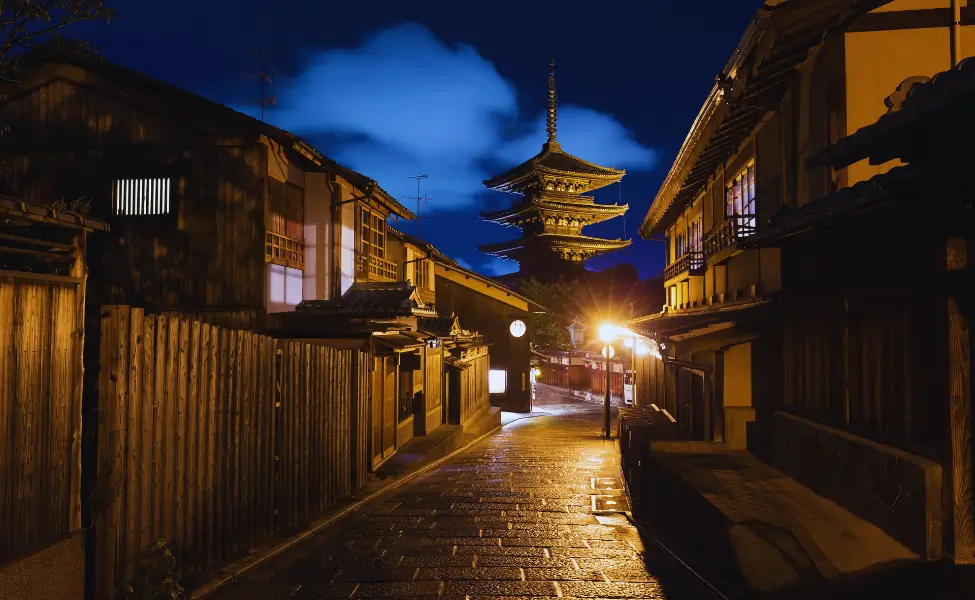
Walk through Gion, Kyoto’s premier geisha district.
Watch for geiko and maiko heading to evening appointments.
Remember they’re working professionals, so observe respectfully from a distance.
Stop at Yasaka Shrine, particularly beautiful as evening lights illuminate the buildings.

It connects to Maruyama Park and feels most atmospheric as day transitions to night.
Experience a traditional tea ceremony at a local tea house.
You’ll learn the precise steps and philosophical meaning behind this meditative cultural practice.
Enjoy a meal at a kaiseki restaurant.
Each dish features seasonal ingredients arranged beautifully.
This represents Kyoto’s refined dining tradition at its most elegant.
Day 7: Final Osaka Highlights
Explore Tennoji and visit Tsutenkaku Tower.

This local neighbourhood blends old-fashioned charm with modern development, showing everyday Osaka life.
Shop in Shinsaibashi, Osaka’s busiest shopping street.
You’ll discover international brands, unique boutiques, and local snacks in one walkable area.
Visit Osaka Aquarium Kaiyukan.

The central tank houses whale sharks and rays, with themed zones representing marine life around the Pacific Rim.
The spiral walking path provides multiple viewing angles.
If staying overnight in Kyoto, enjoy your final dinner in Pontocho, a narrow riverside alley filled with restaurants.
Some offer outdoor seating during summer months.
If finishing in Osaka, try Kitashinchi for a refined final meal before returning to your hotel or Kansai Airport.
Practical Information
Transport: Use an IC card like ICOCA or Suica to tap in and out of trains, subways and buses.
Top up at machines as needed.
Language: Install a translation app with camera function.
Major signs often include English, but restaurants and buses may not.
Money: Japan remains primarily cash-based.
Use 7-Eleven ATMs, which accept international cards and operate 24 hours.
Dining: Many establishments don’t accept reservations.
Arrive early, especially for lunch around 11:30am or dinner before 6pm.
Etiquette: Remove shoes in homes and many traditional restaurants.
Don’t walk whilst eating except at festivals or markets.
Where to Stay: Base yourself in Osaka near Namba or Osaka Station for optimal access to trains and day trips.
Budget Guide
Accommodation: Budget hotels cost 4,000-7,000 yen per night.
Mid-range hotels run 8,000-14,000 yen.
Luxury hotels start at 17,000 yen and climb from there.
Food: Convenience meals cost 400-700 yen.
Casual restaurants run 1,200-2,100 yen.
Mid-range dining costs 2,800-5,600 yen.
High-end dining starts at 8,500 yen.
Transport: The Kansai Area Pass costs around 4,900 yen for three days.
Local trains and buses cost 200-600 yen per ride.
Attractions: Temples and shrines charge 300-700 yen.
Castles and museums cost 700-1,400 yen.
Shopping: Budget 2,800-7,000 yen daily for souvenirs and snacks, more for clothes, gifts, or electronics.

