Your shoulders touch as you lean forward over steaming bowls.
The chef explains something in Japanese you don’t quite catch, but your partner catches your eye and grins.
You both know: this is the meal you’ll remember.
Japan transforms every meal into something memorable.
For couples who bond over food, this country delivers experiences you simply cannot find elsewhere.
I’ll reveal eight of the best cities for food in Japan where food-loving couples discover their next favourite dish together.
Each destination offers its own culinary personality, from refined kaiseki courses to sizzling street food.
Tokyo: Sushi counters and izakayas where food sparks conversation
Tokyo packs more dining options into one city than most countries offer nationwide.
Couples who love food find themselves spoilt for choice at every turn.
Sushi bars here range from neighbourhood gems to fine dining.

Many feature counter seating where you sit close together, watching chefs slice fish with practised precision.
The chef often explains each piece as they serve it, turning your meal into an intimate lesson in Japanese cuisine.
Budget-friendly neighbourhood sushi starts around ¥3,000 to ¥5,000 per person, whilst high-end omakase reaches ¥20,000 to ¥40,000.
Popular counters require reservations weeks in advance.
Izakayas take a completely different approach.
These Japanese pubs serve small plates designed for sharing over drinks.
Think yakitori skewers, crispy karaage, and grilled fish that arrives still sizzling.
Order several dishes, pass plates back and forth, and discover new favourites together.
Shibuya and Ginza neighbourhoods overflow with excellent options, typically costing ¥3,000 to ¥6,000 per person with drinks.
Some areas feature yokocho which are narrow alleys crammed with tiny bars.
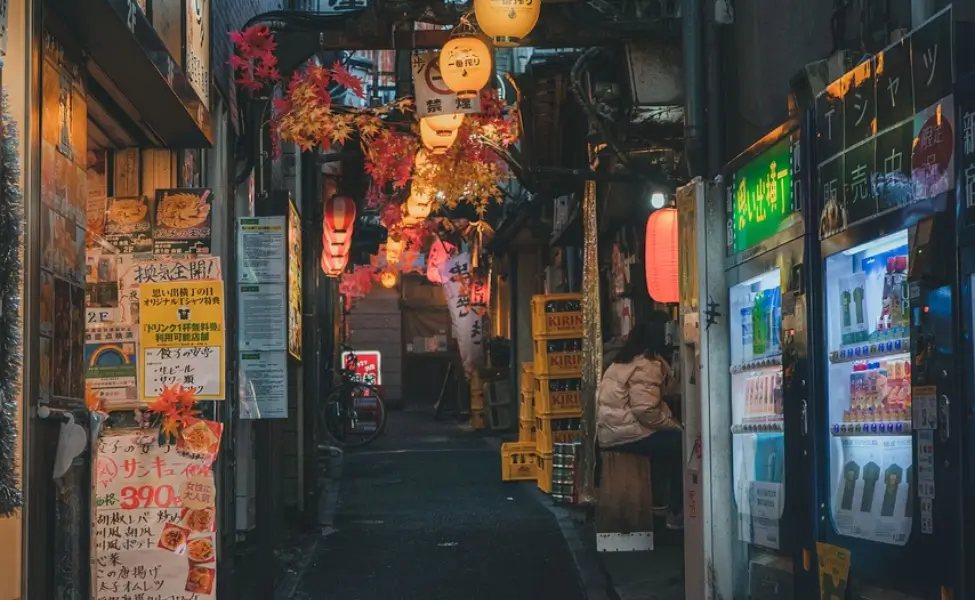
Shinjuku’s Omoide Yokocho and Shibuya’s Nonbei Yokocho pack dozens of these intimate spots into labyrinthine lanes.
You duck through curtains into spaces barely large enough for eight people, where proximity to other diners and the chef creates unexpected camaraderie.
Kobe: Premium beef that justifies the journey
Kobe gives its name to some of the world’s most prized beef.
The famous marbled meat comes from Tajima cattle raised in Hyogo Prefecture.
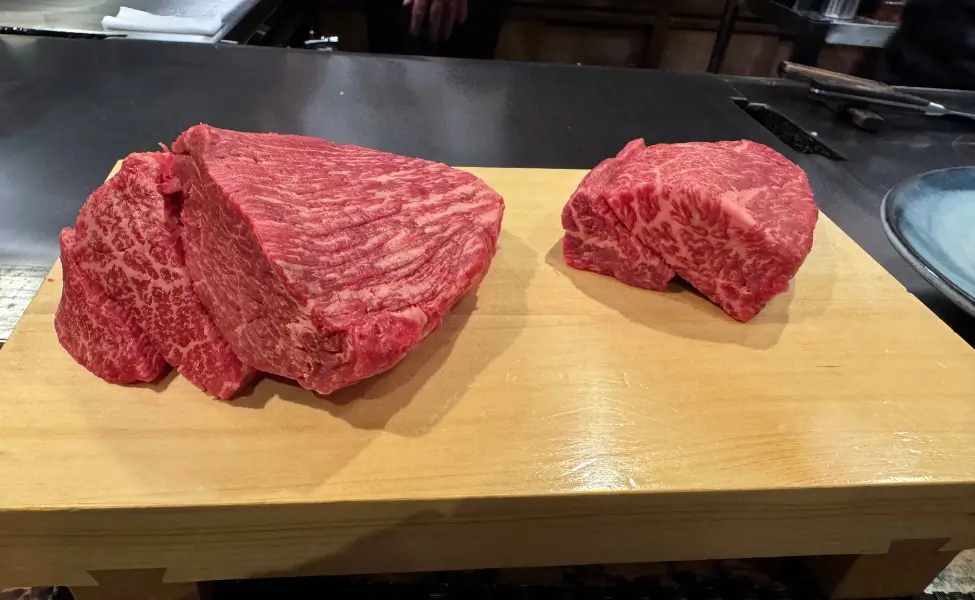
Teppanyaki chefs cook directly in front of you, their knives flashing as they portion and sear each piece to perfection.
You watch the meat hit the hot griddle, hear the sizzle, smell the rich aroma filling the air between you.
The chef works with theatrical precision, flipping and turning with practised rhythm.
Like this:
The Sannomiya district concentrates many restaurants within walking distance of the station.
Lunch sets at casual restaurants start around ¥5,000 to ¥8,000 per person for modest portions.
Dinner at upscale teppanyaki establishments reaches ¥15,000 to ¥30,000 or more.
Some places offer various cuts and grades, letting you sample different textures without committing to the highest tier.
Make reservations at least several days ahead for popular spots.
The marbling that makes Kobe beef famous melts on your tongue, releasing rich umami that lingers pleasantly.
Whether you prefer casual or upscale settings, the combination of exceptional meat and attentive service creates meals worth planning trips around.
Osaka: Street food adventures in Japan’s kitchen
Osaka earned its nickname “Japan’s kitchen” during the Edo period when the city served as the nation’s main trading and logistics hub.
That culinary reputation lives on through incredible street food.
The Dotonbori and Namba areas pulse with energy from morning through late night.

Takoyaki stands appear on nearly every corner.
These golf ball sized spheres contain octopus pieces suspended in fluffy batter, cooked in special moulded pans until the outside crisps perfectly.
Vendors top them with sauce, mayonnaise, and bonito flakes that dance in the rising heat.
Watch the takoyaki master flip dozens of balls simultaneously with practised flicks of metal picks.
The skill alone entertains.
Most servings cost ¥500 to ¥800 for six to eight pieces, and the first bite reveals why locals queue for their favourite stalls.
Okonomiyaki is casual, filling, and built to be shared.
Shredded cabbage mixes with batter and your choice of meat or seafood, cooking slowly on a flat griddle until crisp at the edges.
The chef layers on sauce and toppings.
Restaurants charge ¥1,500 to ¥3,000 per person.
The Shinsekai district offers both takoyaki and okonomiyaki alongside kushikatsu (deep fried skewers). During the day you will find colourful stalls and relaxed crowds.

At night, the area shifts into neon, noise, and constant movement.
Most vendors accept cash only, and Dotonbori gets extremely crowded evenings and weekends.
Hiroshima: Fresh seafood meets local soul food
Hiroshima’s position near the Seto Inland Sea guarantees exceptional seafood throughout the year.
The city also developed its own distinct food culture, particularly around okonomiyaki.
Hiroshima style differs significantly from the Osaka version.
Here, ingredients layer rather than mix.
Noodles often appear in the stack, adding substance and texture.

Okonomimura, a building housing multiple vendors, lets you compare different styles under one roof. Dishes cost ¥900 to ¥1,500.
The seafood here deserves just as much attention.
Miyajima oysters have earned fame throughout Japan for their plump, sweet flesh.
Peak season runs from October to March when they reach maximum size and sweetness.
You will find them grilled, fried, or served raw.
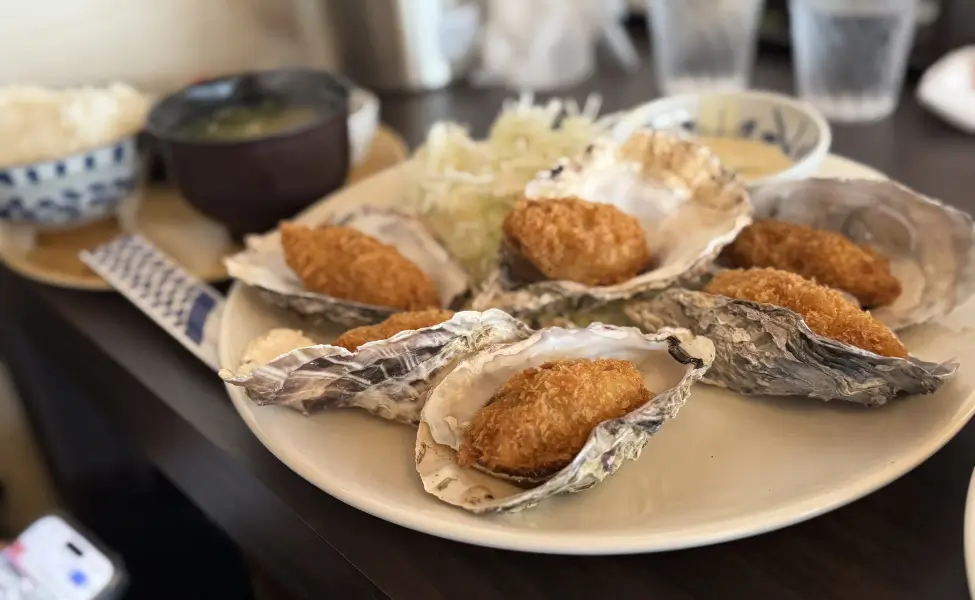
Dishes range from ¥800 for grilled varieties to ¥2,500 for elaborate preparations.
Anago (conger eel) represents another local speciality.
Unlike the richer unagi served in most of Japan, anago offers lighter, more delicate flavour.
Grilled and brushed with sweet sauce, it pairs beautifully with rice.
The dish appears on menus throughout Hiroshima but reaches particular heights on Miyajima Island, a short ferry ride from the mainland.
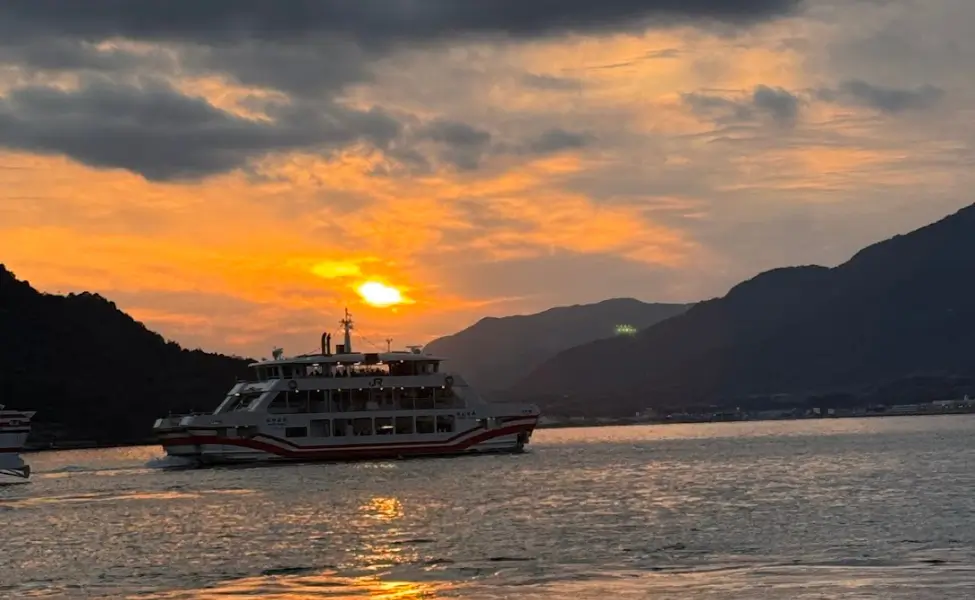
Hiroshima sits 90 minutes from Osaka by Shinkansen, making it an easy addition to most Kansai itineraries.
Kyoto: Kaiseki dining elevated to art
Kyoto served as Japan’s capital for over 1,000 years.
That deep history permeates the city’s refined food culture.
Kaiseki represents Japanese fine dining at its most elegant.

Courses unfold gradually over two to three hours, each dish arriving on carefully chosen ceramics.
The chef has arranged everything like a small painting.
Colours balance, textures contrast, and you almost hesitate before disrupting the composition.
But then you taste it.
A piece of grilled fish releases subtle smoke and salt. Vegetables reveal sweetness you did not know they possessed.
Seasonal sashimi cuts cleanly, the fish so fresh it seems to melt.
The pacing creates unusual intimacy.
Between courses, you have time to talk, to reflect, to anticipate what comes next.
The Gion district houses many excellent kaiseki restaurants.
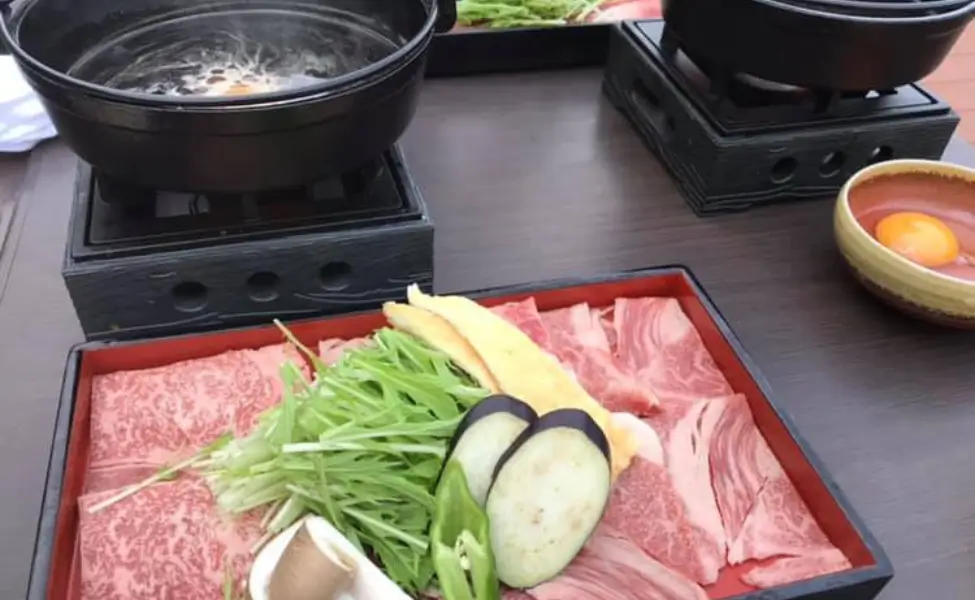
Some occupy traditional townhouses where you dine in tatami mat rooms overlooking private gardens.
Others blend contemporary design with classical cooking methods.
Modern establishments sometimes pair courses with sake or wine, the sommelier explaining each match.
Expect to pay ¥15,000 to ¥40,000 per person for dinner, with top-tier restaurants reaching ¥50,000 or more.
Lunch courses offer more accessible entry points at ¥8,000 to ¥15,000.
Reservations are essential, often requiring booking one to three months ahead.
Consider this for a special occasion rather than everyday dining.
Fukuoka: Hakata ramen and yatai street life
Fukuoka offers something distinctly different from refined dining rooms.
Here, some of the best meals happen outdoors at tiny mobile food stalls called yatai.
Around 100 yatai set up each evening around 6pm, clustering mainly in the Nakasu, Tenjin, and Nagahama districts.
These small structures seat roughly seven to ten people at a time, with everyone perched on stools under colourful drapes and twinkling lights.
Most operate until midnight or 1am, though popular spots may close earlier when they sell out.
Hakata ramen represents Fukuoka’s signature dish.

The style features thin, straight noodles swimming in rich pork bone broth that locals have perfected over generations.
The creamy, milky soup delivers intense umami without heaviness.
Cooks simmer pork bones for hours until they break down completely, creating the distinctive cloudy white tonkotsu broth.
Most yatai serve ramen, but menus extend much further.
You can order yakitori skewers, gyoza dumplings, oden hot pot, and tempura. Each stall develops its own character.

No reservations, no dress codes, just good food prepared right in front of you by the stall owner.
A bowl of ramen costs ¥700 to ¥1,000, with full meals running ¥2,000 to ¥3,000 per person.
Cash only at most stalls.
Often, a spontaneous meal at a yatai ends up being the evening you talk about long after the trip ends.
Sapporo: Miso ramen born from Hokkaido winters
Sapporo gave birth to miso ramen in the 1950s.
The city remains the best place to taste this hearty bowl.
Thick, wavy noodles soak up the rich miso broth beautifully.
The curl and texture help them grip sauce and create satisfying chew.

During Hokkaido’s harsh winters, this substantial ramen warms you from within.
Miso provides deep, savoury flavour with subtle sweetness.
Each shop develops its own broth recipe, some refined over decades.
You could visit three different ramen shops and taste three distinct interpretations.
Susukino district concentrates numerous respected shops within walking distance.

Bowls cost ¥800 to ¥1,200.
But Sapporo offers more than noodles.
The city’s location in Hokkaido means exceptional seafood year round.
Cold northern waters produce some of Japan’s finest crab, sea urchin, and salmon.
The Nijo Market and Curb Market showcase this abundance, with vendors grilling scallops and serving fresh uni over rice.
Market meals range from ¥1,500 to ¥4,000 depending on selections.
The combination makes Sapporo ideal for couples who appreciate both comfort food and premium ingredients.
Warm up with a bowl of ramen for lunch, then seek out the freshest seafood for dinner.
Winter (December to February) offers snow festival attractions but also peak crowds and cold.
Summer (June to August) provides comfortable weather and excellent produce.
Nagoya: Bold flavours that surprise
Nagoya flies slightly under the radar compared to Tokyo or Osaka.
Which makes discovering it feel like uncovering a secret.
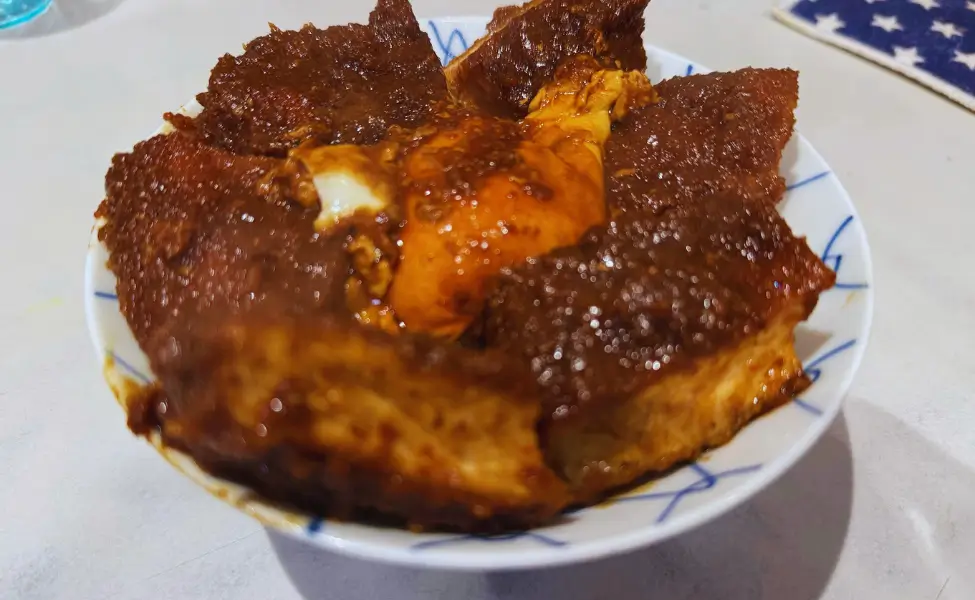
The first bite of miso katsu tells you everything.
That thick red miso sauce coating crispy breaded pork delivers a flavour punch you were not expecting.
Richer than standard tonkatsu sauce, slightly sweet, deeply savoury.
You look at your partner: “Why didn’t we know about this?”
Red miso defines Nagoya’s food personality.

The fermented soybean paste appears in dish after dish, creating bolder flavours than you will find elsewhere in Japan.
Restaurants often serve miso katsu with free refills of rice, miso soup, and cabbage.
Most sets cost ¥1,200 to ¥1,800.
Hitsumabushi takes grilled eel in an unexpected direction.
Instead of the whole fillet you might expect, the eel arrives chopped and scattered over rice in a wooden bowl.

The skin crisps from grilling rather than steaming, adding textural contrast.
What makes hitsumabushi brilliant is the ritual.
You divide your portion into quarters and eat each differently.
First portion plain to taste the eel and rice together.
Second with wasabi and green onions.
Third transformed into soup with hot broth poured over.
The same dish becomes four distinct experiences.
Tebasaki (chicken wings) arrive crackling crispy from double frying.
No batter, just pure crisp skin tossed in peppery sauce with sesame seeds.
They pair perfectly with cold beer and disappear faster than you planned.
Popular izakayas serve them for ¥600 to ¥900 per plate.

Nagoya sits conveniently between Tokyo and Osaka on the Shinkansen line, roughly 100 minutes from either city.
The city makes an excellent stop for couples who want flavours they cannot find anywhere else, without the crowds that swamp more famous destinations.