
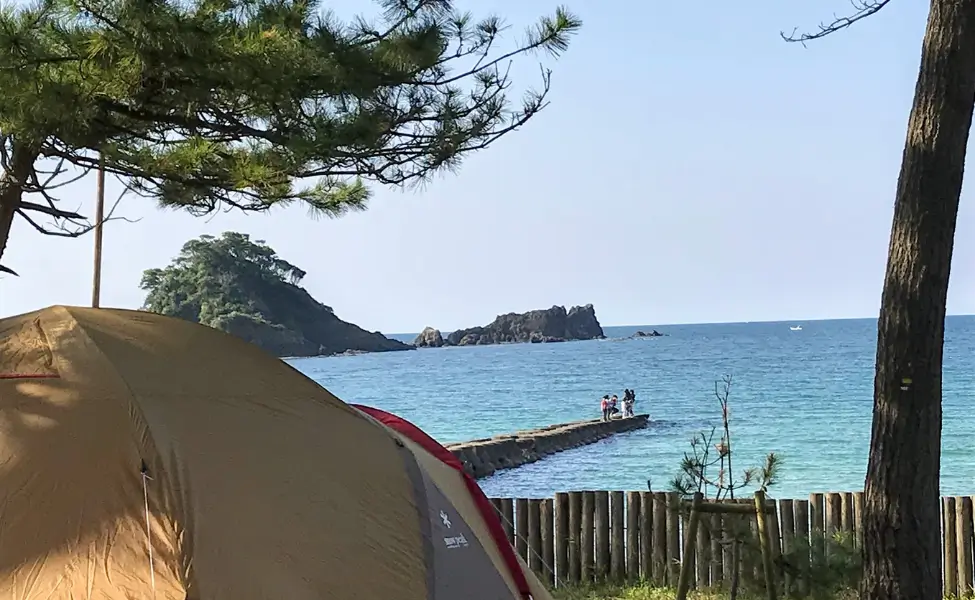
Japan has some brilliant beaches that stay surprisingly calm, even in peak summer.
The trick is choosing spots that sit outside the usual tourist loop, or beaches that locals use for a quick day out.
Here are 7 quiet beaches Japan, plus simple notes on when to go and what to expect.
Before You Go: Important Safety Notes
Swimming season varies a lot by region.
Late June through early September is generally suitable for swimming, but check local conditions first.
Beach rules and swimming areas can change each season, so treat the notes below as a starting point.

Typhoons can bring rough seas and dangerous conditions in late summer, particularly August and September.
Always check local weather forecasts before your visit.
Not all beaches have lifeguards.
The ones listed here either have seasonal cover or are relatively protected, but check whether lifeguards are on duty when you arrive.
Jellyfish season ramps up later in summer across most of Japan.
Peak risk is August to October.
Ask locals or check beach notices on the day you visit.
Always look for official notices at the beach entrance covering water conditions, closures, or hazard warnings.
Quick Reference
| Beach | Prefecture | Best for | Access | Facilities |
|---|---|---|---|---|
| Long Beach | Aichi | Families, shallow water | Train from Nagoya (90 mins) | Showers, changing rooms, picnic areas |
| Taganohama | Hyogo (Awaji Island) | Families with young children | Car (15 mins from interchange) | Grassy areas, seasonal shops |
| Futatsugame Beach | Niigata (Sado Island) | Peaceful escapes, swimmers | Ferry from mainland | Food stalls, equipment rentals |
| Okinoshima | Chiba | Swimmers, snorkellers | Car from Tokyo (1.5 hours) | Lifeguards (mid-July to mid-August) |
| Wagunohama | Mie | Families, shallow water | Car preferred | Limited parking, clean shoreline |
| Cape Inubo | Chiba | Walkers, photographers, fishing | Train from Tokyo (2 hours) | Picnic areas, ocean views |
| Aragusuku Beach | Okinawa (Miyakojima) | Snorkellers, divers | Fly to Miyakojima, then drive | Quiet atmosphere, sea access |
The Beaches

Long Beach, Aichi
Why go: A wide stretch of pale sand inside Shinmaiko Marine Park, with a more local feel than the big name beach towns.
The 400-metre beach features soft sand imported from Nagasaki Prefecture.
Best for: Families who want shallow water and an easy day out from Nagoya.
The clean, shallow waters are perfect for young children.

Facilities: Showers and changing rooms.
Space for picnics and beach volleyball.
Getting there: Around 90 minutes from Nagoya by train, then a short walk.
When to visit: July to early September for the warmest sea temperatures.
Taganohama Beach, Hyogo (Awaji Island)
Why go: Shallow, gentle waters and a peaceful atmosphere on Awaji Island.
The calm sea makes it an ideal escape from busier coastal areas.

Best for: Families with young children seeking calm swimming and picnics.
Your kids will love splashing about safely in the gentle water.
Facilities: Grassy lawn areas to unwind on.
Small shops sell snacks and light meals during peak season.
Getting there: Best reached by car.
Just 15 minutes from the Tsuna-Ichinomiya interchange.
The drive has good coastal views on a clear day.
When to visit: July and August for warm water and open shops.
Futatsugame Beach, Sado Island
Why go: Crystal-clear waters and soft sand tucked away on Sado Island’s coastline.
The beach offers a peaceful escape from crowded mainland spots.
Best for: Visitors seeking peaceful escapes from busy summer crowds.
Swimming is usually calm here, especially on still days.

Facilities: Local food stalls near the beach serve fresh seafood and cold drinks during peak season.
You can rent basic beach equipment from nearby shops if needed.
Getting there: A short ferry ride from the mainland.
The island location naturally keeps visitor numbers low.
When to visit: Late June through early September for warm swimming conditions.
Okinoshima Beach, Tateyama
Why go: Unique 200-metre sandbar that connects the mainland to a small uninhabited island.

The sandbar emerged after the Great Kanto Earthquake, creating a striking natural feature.
Best for: Swimmers and snorkellers in summer.
The crystal-clear waters are perfect for marine exploration.
You can spend ages looking for shells along the shore.
Facilities: Lifeguards on duty from 9 am to 4 pm during swimming season.
The beach is open from mid-July to mid-August.
Getting there: Located at the southern tip of the Boso Peninsula, roughly 100 kilometres from Tokyo.
When to visit: Mid-July to mid-August for lifeguard coverage and warmest water.
Wagunohama, Mie
Why go: Peaceful escape from summer crowds with soft sand and calm waters in Mie Prefecture.
The clean shoreline and mountain backdrop create a lovely setting.

Best for: Families with young children who prefer shallow, gentle waves.
The limited parking means the beach never gets overcrowded but you’ll need to get there early to get one of the parking spots.
Facilities: Basic facilities. When we went there was a small food stall and some showers with changing rooms.
Getting there: Best reached by car. The journey is worth it for the peaceful atmosphere.
When to visit: July to September when water is warmest for swimming.
Cape Inubo, Chiba
Why go: A lighthouse, big ocean views, and coastal walks that feel far from Tokyo.
The rugged coastline offers open sandy beaches perfect for a peaceful escape from city life.
Best for: Visitors seeking quieter walks along coastal paths.
Fishing enthusiasts and photographers appreciate the dramatic ocean views.

Facilities: Grassy areas for picnics.
Observation points with amazing views across the ocean.
Getting there: About two hours from Tokyo by train via Choshi.
A small local train takes you to Inubo station, the closest point to the cape.
When to visit: Spring through autumn for pleasant temperatures.
Aragusuku Beach, Miyakojima (Okinawa)
Why go: Soft white sand and clear blue waters on Miyakojima.
One of the island’s top spots for snorkelling, with vibrant sea life just beneath the surface.
Best for: Snorkellers seeking marine exploration and divers wanting to see coral and tropical fish.
The beach remains relatively quiet compared to other Okinawan shores.

Facilities: Basic beach access.
The quiet atmosphere means fewer crowds and more space to relax.
Getting there: Fly to Miyakojima, then drive to the east side of the island.
Easily paired with a trip to Cape Higashi-Hennazaki, just a 10-minute drive away.
When to visit: June to September for best visibility and warmest water.
Best views of the area come from nearby Higa Road Park, with an observatory 100 metres above sea level.
