
Is japan safe at night?
I’ll start with my first experience of a night out.
26 years ago, I had been in Japan for about a week.
After a night of too much drinking in Nagoya, I stumbled out of a club and had to find my way home.
I won’t pretend I know how I got home, but I know i managed it safe and sound.
In the 2 and a half decades since, I have never, touch wood, had any issues with personal safety at night.
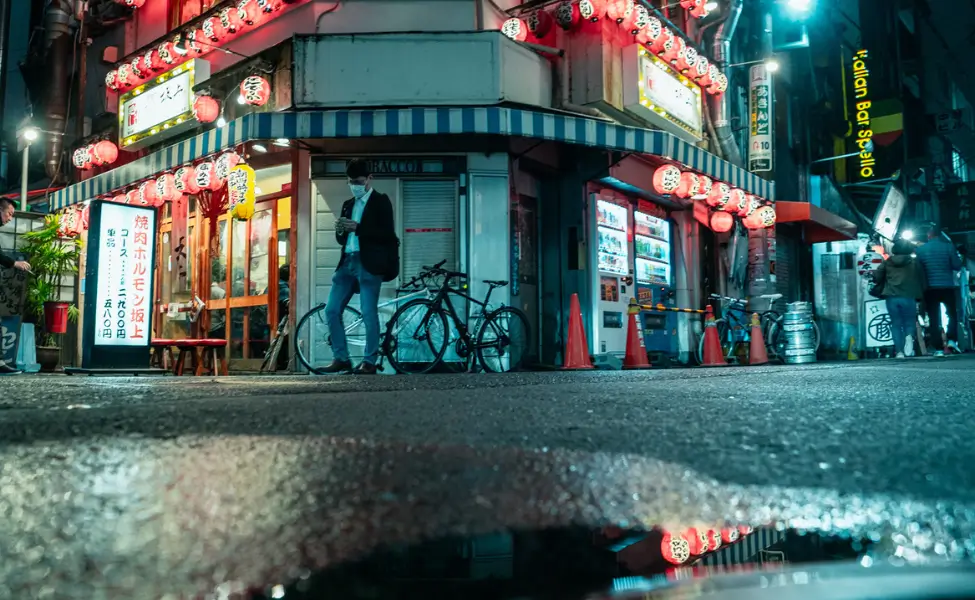
Even walking through Tokyo’s neon streets or quiet Kyoto alleys after dark feels surprisingly calm.
Unlike in many big cities worldwide, crime is rare and late-night life flows with a reassuring rhythm.
Sure, it’s not perfect but in comparison to most countries, it’s very safe.
Whether you’re grabbing ramen at midnight, shopping at a konbini, or strolling under glowing lanterns, Japan offers a night-time atmosphere that feels safe and welcoming.
I also understand that I may have a different feeling if I were female.
Understanding Night-Time Safety in Japan
Japanese streets usually stay busy and well-lit after sunset.

You’ll notice low crime rates and a culture that values good manners and order help maintain order.
The Role of Japanese Culture
Japanese culture puts a lot of value on respect, politeness, and following rules.
People look out for each other, and it’s normal to return lost items.
Even wallets or phones.
Most residents avoid causing trouble in public.
Children often walk to and from school alone, and tourists are treated with kindness by most.
There are still random racists but nothing like you find in many places.
This strong sense of trust and responsibility helps everyone feel safer, whether you’re in a city like Tokyo or a smaller town.
There are also unspoken rules about how to behave in public spaces.
If you need help, locals are usually willing to assist, even if you barely speak Japanese.
This shared respect for rules and kind behavior really makes a difference at night.
Public Spaces After Dark
Train stations, shops, and even some parks stay open and active late into the evening.
Most streets are well-lit, and public transport keeps running reliably, so you’re not left stranded.
It’s rare to find “no-go” zones in Tokyo.
Residential and shopping areas remain lively, and people feel comfortable walking alone late at night.
On foot, you’re unlikely to face aggressive behavior.
Petty crimes like pickpocketing happen, but honestly, they’re much less common than in other big cities.
Shopkeepers, station staff, and even passersby notice anything out of the ordinary, which adds to the sense of safety.
Community Policing and Koban
Koban are small police boxes.
They are a unique part of Japan’s safety system.

You’ll spot these tiny stations on busy corners, near train stations, and scattered through neighborhoods in cities like Tokyo.
Police officers in koban know the local area well.
They help with directions, handle lost-and-found items, and respond quickly if something goes wrong.
Many people visit a koban if they need support, have lost something, or feel unsafe.
Why koban matter:
- Officers are visible and easy to approach.
- They create regular patrols in the area.
- Locals trust their support and advice.
With koban, police feel like part of daily life, not just someone you call in an emergency.
That’s another reason you can feel secure, even late at night.
Comparing Safety: Japanese Cities Versus Global Cities
Japan is famous for its low crime rates, clean streets, and strong sense of community.
These things create a feeling of security for both locals and visitors, even late at night.
Tokyo and Tokyo Tower at Night
Walking around Tokyo after dark feels surprisingly calm for a city its size.

Districts like Ginza, Shibuya, and the Tokyo Tower area are lively.
They are packed with people, bright lights, and open shops.
This buzz makes you feel safe, even late at night.
Police patrols are common, and CCTV cameras are everywhere.
This discourages petty crimes, like theft and vandalism.
It’s also normal to see school-aged kids heading home alone in the evening, which is rare in many other cities.
Here’s a quick comparison of night safety features in Tokyo:
| Feature | Tokyo | Many Global Cities |
|---|---|---|
| Street lighting | Very bright | Varies |
| Police presence | Highly visible | Inconsistent |
| Litter/vandalism | Rare | More common |
Case Study: Kyoto and Shopping Streets
Kyoto’s shopping streets, like Shijo-dori and Nishiki Market, are busy even after sunset.

You can stroll, shop, or grab a snack with little worry since these areas stay active and well-lit past twilight.
Small local shops and restaurants are usually family-owned, so owners tend to look out for one another.
Public rules about behavior and respect are clear, which reduces rowdiness and helps everyone feel welcome.
Incidents involving violence or serious crime are rare.
Most safety tips just remind you to mind your belongings, like you would anywhere.
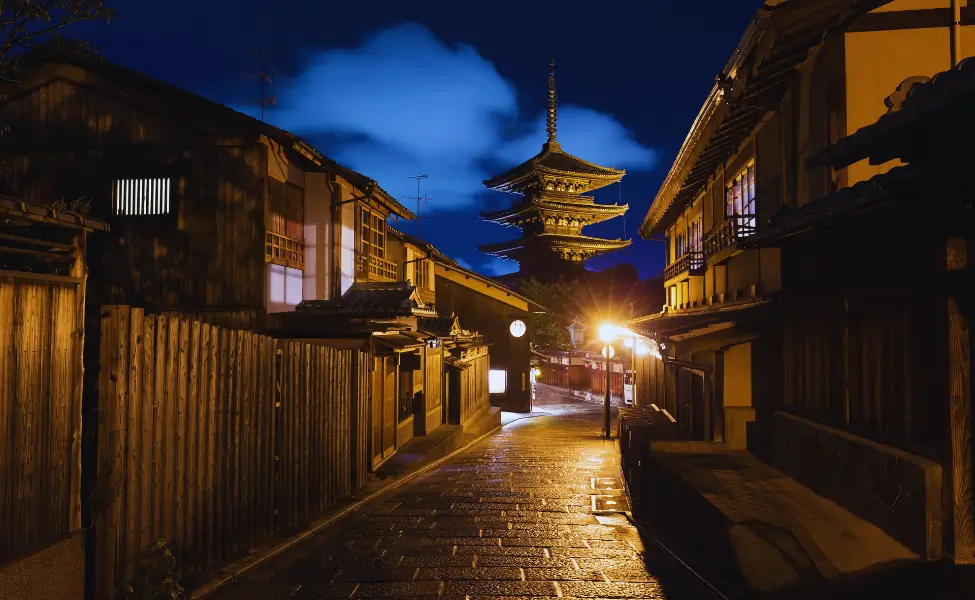
This casual but careful attitude has built a strong sense of trust among both locals and tourists.
Daily Life and Night Activities: What Makes Japan Unique
In Japan, you can enjoy safe night walks, spontaneous shopping, or family outings without much worry.
Everyday routines stretch into the evening, creating a lively but calm atmosphere that’s very different from most cities.
Convenience Stores and Safe Nighttime Shopping
Convenience stores known as “konbini” are everywhere in Japan.

You can pop in at any hour since they’re open 24/7.
Inside, you’ll find neat shelves with fresh onigiri, tempura, and even sushi.
Staff work late to keep things tidy and help customers.
Konbini are well-lit and feel safe, even at midnight.
It’s common to see school kids, families, or even foreign visitors shopping for snacks late at night.
CCTV cameras and attentive staff help prevent trouble.
You can shop calmly without feeling rushed, and a late-night konbini visit is kind of a staple of Japanese life.
Onsen, Public Baths, and Family Outings
Japanese onsen (hot springs) and public baths (sento) often stay open after dark.

You can visit with your family or friends to soak and unwind after a long day.
The quiet, relaxed mood under soft lighting feels worlds apart from crowded city centers.
Families regularly bathe together or meet up with friends at the bathhouse.
Cleanliness and calm are important, with clear rules everyone follows.
Many places serve small dishes like sushi, rice bowls, or drinks so you can relax and eat together.
Even as a foreign visitor, you’re welcome if you respect the customs.
Staying out in the evening for a soak gives you a glimpse of daily Japanese life that more and more people share online.
Safe and Accessible Transport After Dark
Getting around Japan at night is easy, thanks to reliable train stations, well-lit airports, and safe paths to attractions.
People of all ages use public transport after dark, and you can usually travel without worry.
Tokyo Station and City Connectivity
Tokyo Station is the main rail hub in the city.

Trains and underground lines connect you to almost any area, even late into the night.
Signs in both Japanese and English make it easier for tourists to find their way.
The station is clean, has security cameras, and staff can help if you get lost.
There’s always activity here, which makes it feel safer.
You’ll find taxis waiting outside, and the surrounding area is well-lit.
If you’re worried about safety, it helps that the train carriages and platforms have security features.
There are also help points if you need assistance late at night.
Airports: Kansai International Airport
Kansai International Airport serves Osaka, Kyoto, and Kobe.
It’s open 24 hours and is known for its late-night arrivals and departures.
The terminals have clear signs, shops, and resting areas if you arrive or leave after dark.
Even late at night, airport staff are on duty.
Public transport like trains and buses run on regular schedules, so leaving the airport is safe and convenient.
You don’t have to worry about being stranded or feeling unsafe at night.
Police are present, and people usually return lost items quickly.
The airport is bright and monitored, so if you’re flying in or out late at night, you’ll feel secure.
Attractions Like Joypolis and Night Travel
Places like Joypolis in Odaiba stay open late, drawing both locals and tourists.
The area around Joypolis feels safe, thanks to bright lights and regular security patrols.
You can leave the attraction at night and still catch public transport back to your hotel.
Night trains and buses connect Odaiba to central Tokyo, which makes things pretty convenient.

Timetables are straightforward, and you’ll usually find staff at the platforms if you’re lost or need a hand.
It’s common to see young people and families hanging out late, which keeps the atmosphere lively and comfortable.
If you happen to miss the last train, taxis are easy to spot and can get you home without any trouble.
So, you’ve got options if you want to enjoy the city after dark.
Japan Night Safety FAQ
Is it safe to walk alone at night in Tokyo?
Yes, Tokyo is very safe for walking alone at night.
It has one of the world’s lowest crime rates with well-lit streets and regular police patrols.
Major areas like Shibuya and Shinjuku stay busy late into the night.
Basic precautions: stick to well-lit areas, stay aware of surroundings, and avoid isolated streets.
How does Japan compare to other countries for night safety?
Japan ranks among the world’s top 10 safest countries for nighttime activities.
Its violent crime rate is 10-20 times lower than the US or UK.
Key advantages:
- Visible police presence with local koban (police boxes)
- Strong cultural norms around public behavior
- Less street harassment than most Western cities
- Comparable safety to Singapore or Switzerland
What should solo travellers watch out for at night in Japan?
Main concerns for solo travelers:
- Drunk salarymen who may be overly friendly
- Last trains stop around midnight
- Language barriers for getting help
- Overcharging in entertainment districts
- Getting lost without Japanese street signs
Tips: Download offline maps, keep hotel address in Japanese, stay near major stations, avoid excessive drinking.
Are Japanese cities safe at night for women?
Yes, Japanese cities are very safe for women at night with low rates of harassment and violent crime.
Why it’s safe:
- Cultural taboos against bothering strangers
- Excellent lighting and police presence
- Bystander intervention is common
Precautions: Avoid isolated areas and entertainment districts like Kabukicho, watch for train groping (chikan) and never leave drinks unattended.
