
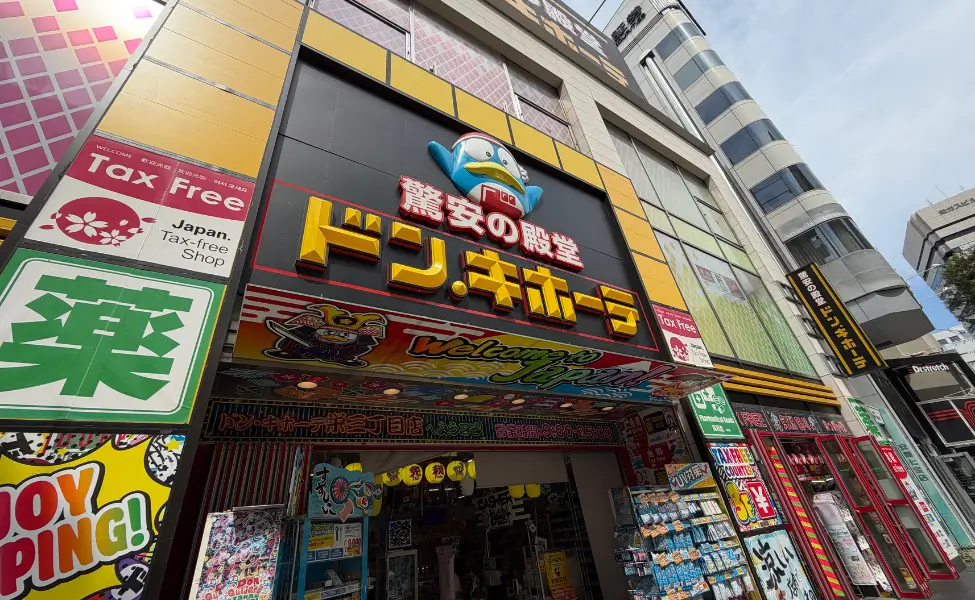
Don Quijote, commonly called Donki in Japan, is one of Japan’s largest discount store chains. It is famous for its floor-to-ceiling stacks of goods and late-night shopping, with some locations even open 24 hours.
Donki carries plenty of unusual items that you may not find back home. It is convenient, has a huge cosmetics section and plays its own jingle almost constantly, which can become a little annoying.
For people who live in Japan, however, Donki is simply one of many everyday shops that has somehow attracted the attention of tourists and become a must-visit destination.
As someone who has lived in Japan for a long time, I sometimes visit to check out the international snacks that are difficult to find elsewhere. Donki also sells plenty of random items that you may not come across in regular shops.
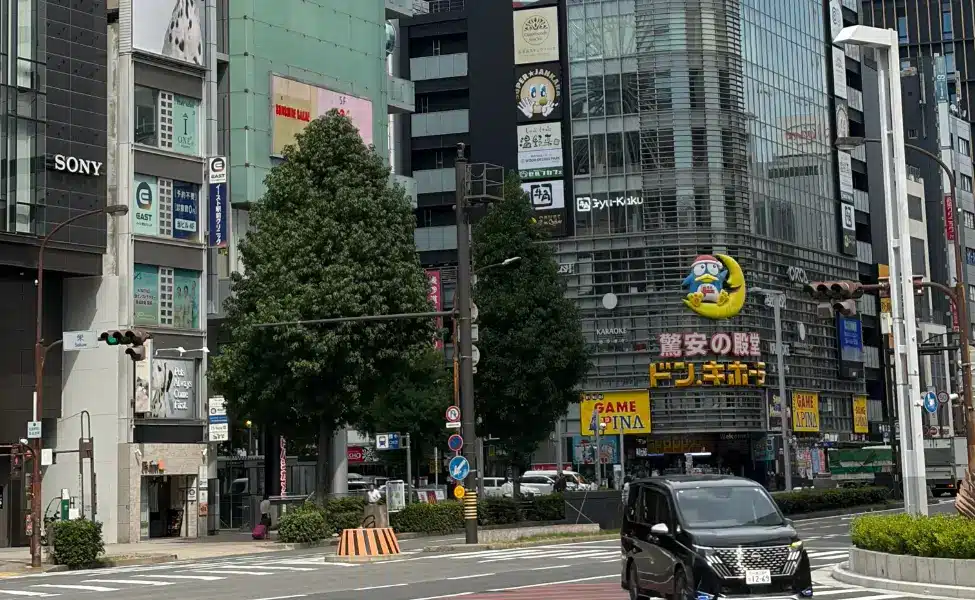
There are standard Donki stores, which are compact discount shops with tight, maze-like aisles, as well as MEGA Donki locations, which are much larger superstores spread across multiple floors.
Quick Answer
- Most first-time visitors spend somewhere between $50 and $250 on a single stop. Snacks and toiletries sit at the low end, while luggage or bulk gifts push it higher.
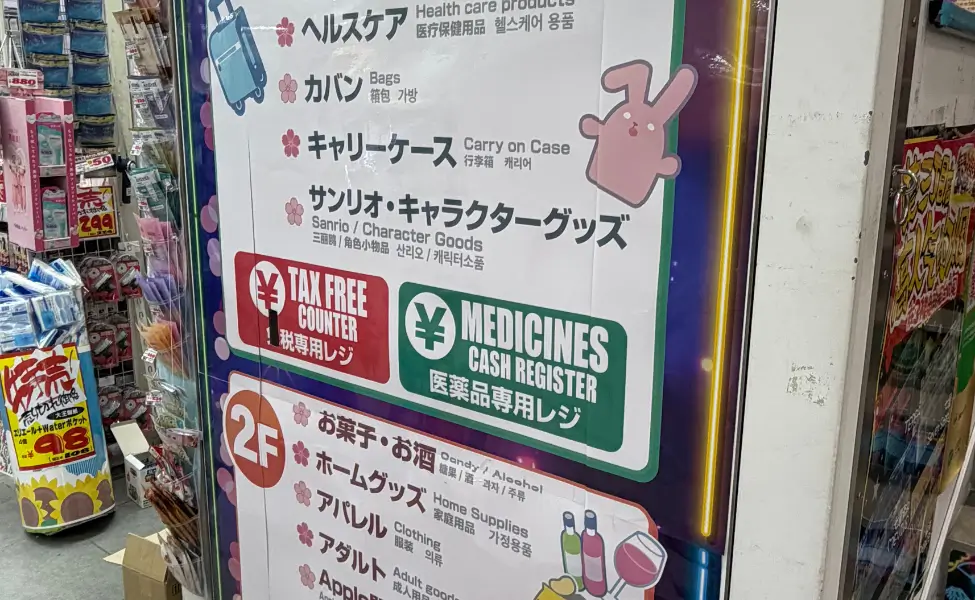
- Mega Donki is usually the better pick for tourists, thanks to wider aisles, bigger stock, and a tax free counter that’s easier to find.
- Regular Donki is good for a fast, single-purpose stop or when a Mega branch is not nearby.
- The safest money goes toward multipack snacks, sheet masks, sunscreen, and budget travel basics like adapters or a spare umbrella.
- Novelty electronics, character merchandise, and anything leaning hard on a “Japan only” label are where most people overpay.
- Tax free purchases need your original passport, not a photo of it. You’ll also need to spend at least five thousand yen before tax at the same store on the same day.
- The quietest time to shop is very early morning, not late evening, which is usually the busiest window of the day.
- Don Quijote isn’t really a tourist trap so much as a mixed value store, strong in some categories and weak in others.
Is Don Quijote Actually A Tourist Trap
The honest answer is no, not in the way that phrase usually implies. A true tourist trap sells nothing of real value at inflated prices. That description doesn’t fit a store where locals do a large share of their weekly grocery shopping.
Certain categories, snacks, basic toiletries, and travel essentials, carry fair prices, sometimes remarkably so. Other categories, mainly novelty items and anything leaning on “Japan only” branding, chase the moment rather than lasting usefulness. Treat the store as mixed rather than magic and the whole visit gets easier to plan
Choosing Between Regular Donki And Mega Donki
Regular Donki and Mega Donki share a name and a mascot, but the shopping experience inside them can feel like two different stores.

Regular Donki Versus Mega Donki At A Glance
Here’s how the two formats compare on the things that actually matter for a short visit.
| Feature | Regular Donki | Mega Donki |
|---|---|---|
| Typical size | One to four floors | Six floors or more, sometimes with a grocery level |
| Aisle feel | Narrow and densely packed | Wider, easier to browse with a cart |
| Tax free counter | Usually present but small | Larger, often on its own floor with travel goods nearby |
| Luggage and suitcases | Limited selection if any | Dedicated travel goods floor in most locations |
| Best for | A fast, single-purpose stop | A longer, more complete shopping trip |
| Crowd feel | Can feel tight even when quiet | Easier to keep moving even when busy |
The Real Quiet Window, Not Late Evening
A common piece of advice says evenings are calmer, but that doesn’t match what regular shoppers actually report. Branches in popular districts tend to be busiest from around seven in the evening until close to midnight, whichever day of the week it is.
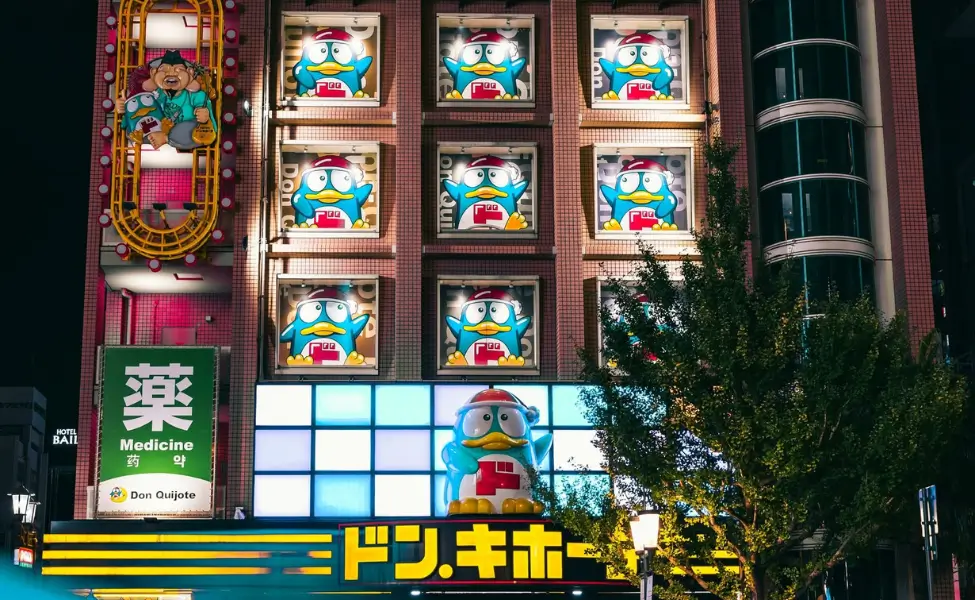
The genuinely quiet stretch sits much earlier, right after midnight or in the couple of hours after opening. Some branches mark down fresh food and bento boxes during that same window.
If avoiding crowds matters more than convenient timing, aim for early morning instead of a post-dinner browse.
Building A Basket You Won’t Regret
The fastest way to overspend at Don Quijote is to wander in without any sense of what you’re actually there for. A short plan fixes that, and it doesn’t need to be complicated.
A Quick Way To Build The Basket
Three simple categories keep a basket useful instead of random:
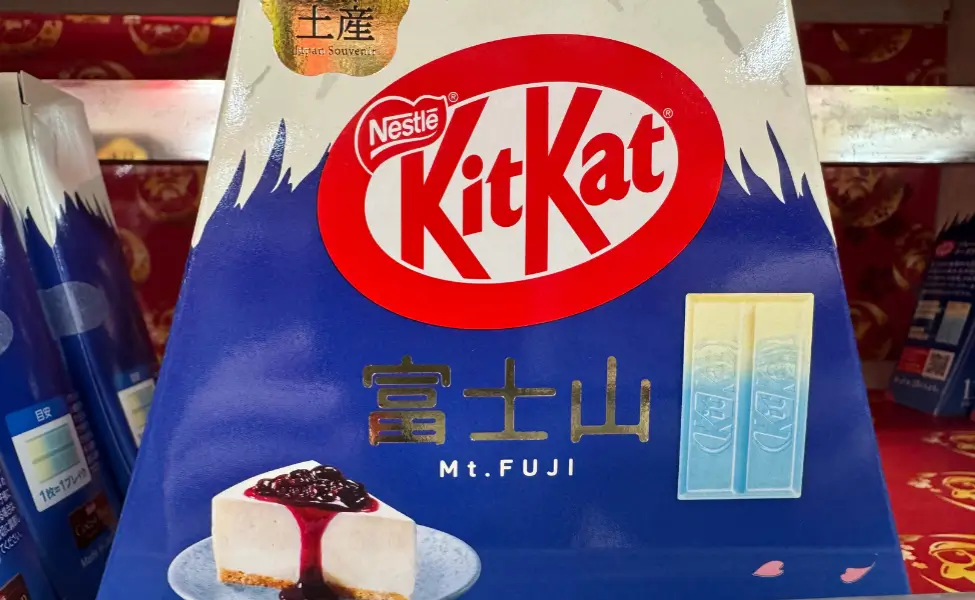
- Start with snacks. Multipack chips, chocolate, and regional Kit Kat flavours are easy to split among friends and hold up well in a suitcase.
- Add toiletries and cosmetics. Sheet masks, sunscreen, and travel-sized skincare tend to carry fair prices and pack flat.
- Choose one or two gifts, not ten. If an item doesn’t serve the trip or the person receiving it, leave it on the shelf.
Comparing unit prices on multipacks takes a few seconds and often saves more than any single discount sticker.
What Is Genuinely Worth Buying
| Category | Worth Buying | Worth Skipping |
|---|---|---|
| Snacks | Multipack chips, chocolate, and regional Kit Kat flavours | Single items you could grab at a convenience store for the same price |
| Toiletries and cosmetics | Sheet masks, sunscreen, and travel-sized skincare | High-end brand cosmetics you can buy at home for a similar price |
| Travel basics | Adapters, umbrellas, packing cubes, and budget locks | A premium suitcase if you care about durability over several years |
| Electronics | Simple gadgets you can test in store | Anything requiring a warranty, voltage compatibility, or region-specific software |
| Novelty and character goods | A small one or two as genuine keepsakes | A full haul bought purely because the shelf display looked exciting |
The Questions Worth Asking Before You Buy
Packaging that says “Japan only” doesn’t automatically mean an item is rare or good value. Plenty of it is simply seasonal marketing dressed up to look exclusive.
Pricing against drugstores such as Matsumoto Kiyoshi rarely produces one clear winner. Independent comparisons show the cheaper option shifting from product to product rather than favouring one chain overall.
Suitcases follow a similar pattern. A Don Quijote suitcase solves an immediate problem when your bags are already full, but it lasts for one trip home, not years of travel. Treat it as a stopgap rather than an upgrade.
Getting Tax Free Shopping Right
Tax free shopping sounds simple until you’re standing at the register with a basket full of items and a cashier asking questions you didn’t expect. A little preparation removes almost all of that stress.
The Sealed Bag Rule And What Changed In November 2026
Now, you pay the full price in store and claim your refund at the airport before departure, and the sealed bag requirement for consumables disappears completely. If your trip falls close to that date, it’s worth confirming which system applies before you shop.
Before You Leave The Store
A short pause before you walk out can save a bigger headache later.
- Confirm the total, the tax free status, and whether any coupon actually applied at the register.
- Check the bag contents against your receipt, since a missing flavour or size is easy to overlook in a crowded checkout.
- Keep tax free items accessible in your carry-on rather than buried in checked luggage, in case customs wants to see them.
- If you’re bringing packaged snacks home, they’re generally straightforward. Fresh food, meat, and plant products are different, so check your own country’s import rules for anything beyond sealed packaged goods.
A Simple Mindset For Leaving Without Regret
The best filter for any item in your basket is simple. Ask whether you’ll actually use it, eat it, wear it, or hand it to someone who’ll be genuinely pleased to receive it. If the only reason it’s tempting is the noise and colour around it, put it back and keep moving.
Walk in with that filter, choose a sensible time, and handle the tax free steps properly. Do that and Don Quijote turns into exactly what it should be, a useful stop rather than a cautionary tale. That’s the version of the trip worth having.
