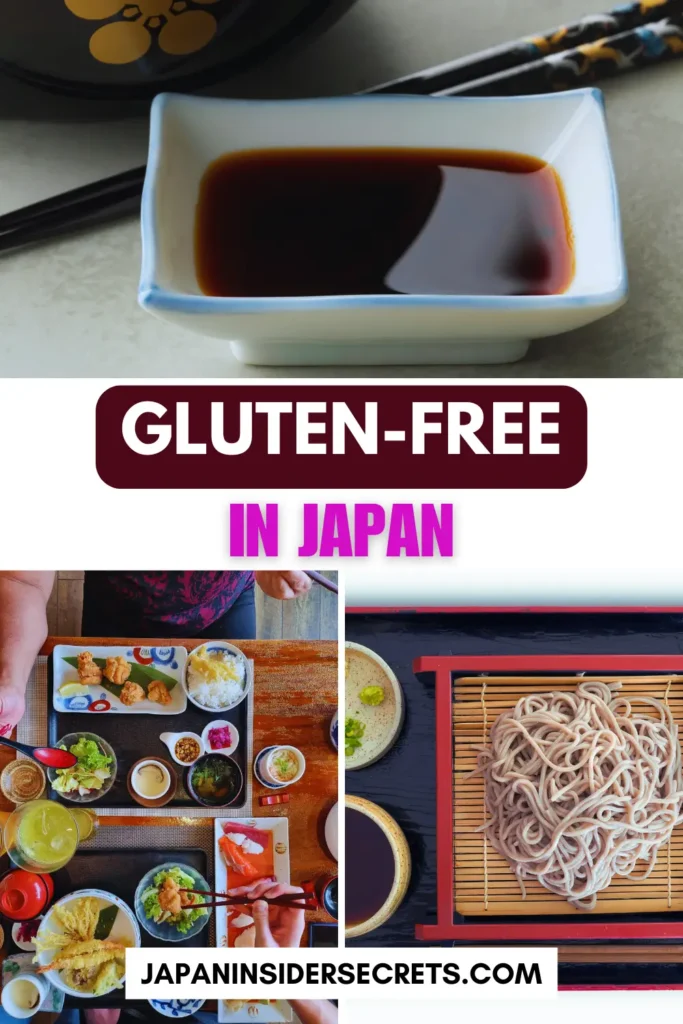
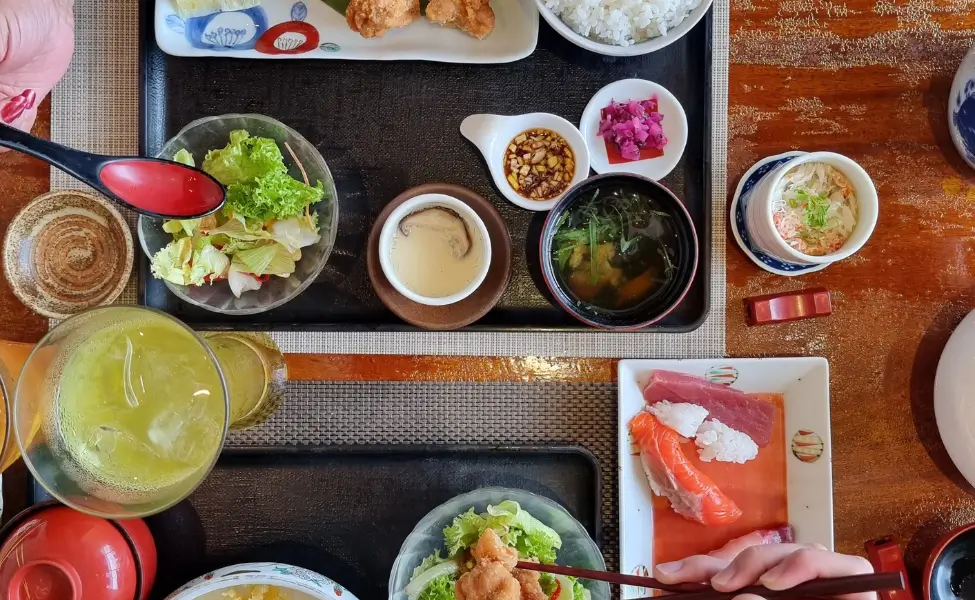
Most gluten free travel articles about Japan tell you to avoid ramen, udon, and tempura, then leave you thinking the hard part is over. It is not. The harder part is the soy sauce that went into the marinade on the plain-looking grilled chicken.
Then there is the dashi broth with seasoning powder stirred in. And the barley tea that arrived in a plain cup looking identical to green tea. This article covers managing each day safely, reading labels with confidence, and building a backup routine. One uncertain meal should not derail two days of your trip.
Why Standard Japanese Soy Sauce Is the Problem You Cannot Ignore
Almost all traditional Japanese soy sauce, known as shoyu, contains wheat. It is not an edge case or an occasional variation.
The standard brewing process combines roughly equal parts soybeans and wheat.
That means shoyu shows up in marinades, dipping sauces, stir-fry bases, soup seasonings, and finishing touches across the full range of Japanese cooking.
A dish can look nothing like soy sauce, taste nothing like soy sauce, and still have had it applied at some point in preparation.
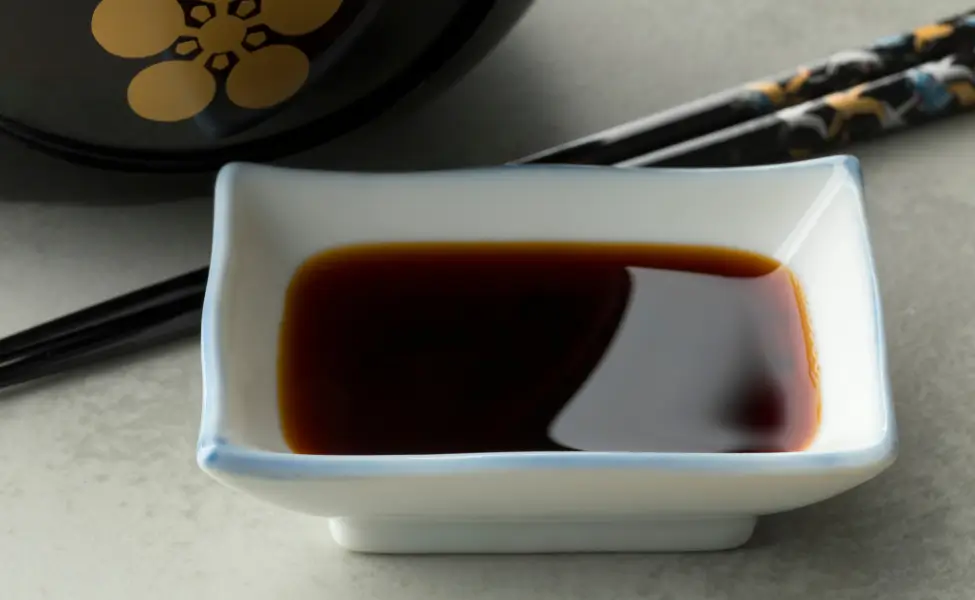
The alternative worth knowing is tamari (たまり醤油).
Tamari originated as a byproduct of miso production and traditionally uses far less wheat than standard shoyu, but it is not automatically gluten free.
Some Japanese tamari still uses a small amount of wheat during production.
Only use tamari that is clearly labelled gluten free, or one you have confirmed does not list 小麦, 大麦, 麦, or 麦芽 in the ingredients.
Tamari has a darker colour and a fuller, slightly less sharp flavour than standard shoyu.
Carrying small travel sachets of verified tamari lets you use it as a dipping sauce where the restaurant only stocks regular shoyu at the table.
Showing your translation card and asking before bringing out your own condiment makes the interaction easier in most places.
Dashi, the fundamental Japanese stock made from kombu seaweed and bonito flakes, is naturally gluten free when made from scratch.

The risk is that restaurant dashi and miso soup are difficult to verify, because they may use commercial bases, soy sauce, or seasoning powders.
Unless staff can clearly confirm the ingredients, treat them as risky.
Asking whether the dashi includes shoyu or seasoning powder is a worthwhile question before ordering soup.
The Kanji You Need and What They Tell You
- 小麦 (komugi) means wheat. Japan mandates that wheat appears on packaged food allergen labels, so checking for this kanji in the allergen summary panel is the fastest way to clear or flag a product. If 小麦 appears anywhere on the label, put the product back.
- 醤油 (shoyu) means soy sauce. It appears in ingredient lists across a huge range of products, including items that would not obviously seem to contain soy sauce. Chips, crackers, rice crackers, seasoned nuts, instant soups, and packaged side dishes all commonly include it.
- 大麦 (oomugi) means barley. Barley contains gluten, but it does not fall under Japan’s mandatory allergen labelling rules the way wheat does. That means 大麦 will not always appear in the allergen summary box at the end of an ingredient list. You need to scan the full ingredient text for it, not just check the allergen panel.
Reading Kanji on Labels
A practical label-reading routine that works well in konbini starts with the allergen summary box.
Check it for 小麦 first, then scan the full ingredient list for 醤油 and 大麦.
When none of the three appear and the product has a short, readable ingredient list, it is a reasonable candidate.
A crowded label with tiny print or multiple unreadable flavouring agents is not worth the risk. Leave it on the shelf and choose something simpler.
One important point is that the absence of 小麦 on a label does not mean a product is gluten free.
Japan’s allergen labelling system covers wheat as a specific allergen, but it is not the same as a gluten free certification.
Barley is not on the mandatory list, and some wheat-derived processing agents do not trigger the same label requirements.
Use the allergen panel as a quick filter, not as a guarantee.
Foods That Are Not Automatically Safe
Several Japanese foods are widely assumed to be safe for celiac travellers when they are not, or when they require specific conditions to be safe.
Soba
Soba is the food that catches the most people by surprise.
Buckwheat itself contains no gluten, which makes soba seem like a natural safe choice.
Many soba noodles in Japan, however, contain wheat flour alongside the buckwheat, and some are predominantly wheat with only a small buckwheat content.
Look for 十割そば (juwari soba), which means 100 percent buckwheat, as the safer starting point.
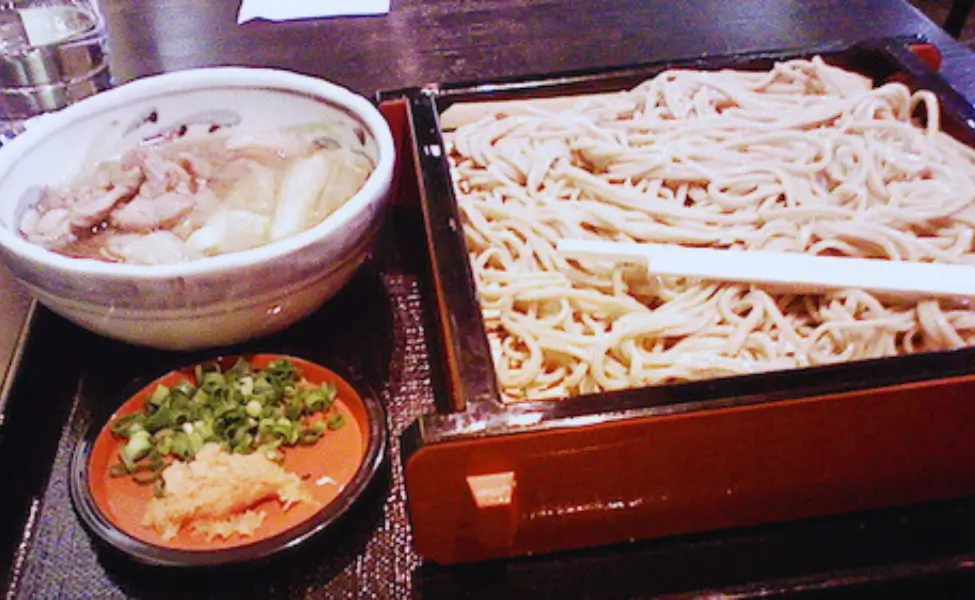
Even then, the dipping sauce typically contains standard soy sauce and the kitchen may share cooking water with wheat-based noodles.
Confirming preparation with staff matters as much as checking the noodle itself.
Sushi
Sushi carries more risk than most travellers expect.
Plain nigiri with raw fish and sashimi are among the safest options, but the soy sauce served at the table almost always contains wheat and should be replaced with tamari.
Imitation crab, called surimi, commonly uses wheat starch as a binder and appears in many rolls, including California rolls.

Ponzu and eel sauce both contain standard shoyu.
Kaiten sushi, the conveyor belt format, carries additional cross-contact risk from shared utensils, proximity of different items, and the general pace of the kitchen.

For sushi done properly, a counter seat at a smaller restaurant where you can speak directly with the chef and show a translation card gives far better control than a conveyor belt venue.
Yakitori
Yakitori can work well if you order it with shio (salt) seasoning rather than tare, which is the standard soy-based glaze.
Shio means the meat is simply sprinkled with salt during grilling without sauce contact.
Confirming the meat was not pre-marinated before grilling still matters, and cross-contact on a shared grill at a busy venue is a real risk.
At a dedicated yakitori restaurant where you can communicate clearly, shio-seasoned plain chicken is one of the more manageable options available.

Mugicha
Mugicha is a free drink served at the table in many casual restaurants, ramen shops, and family diners. Made from roasted barley, it looks like a pale earthy tea.
It is quite different from bright green matcha but similar enough to plain water or tea that many travellers accept it without question.
Mugicha contains gluten and should be avoided.
Ask for mizu (water) or ryokucha (green tea) instead, and check what you are being served before drinking it.
Plain-looking foods are not automatically safe
Salt-seasoned meat, grilled vegetables, and simply prepared dishes frequently have had soy sauce applied as a marinade, glaze, or finishing touch that is invisible by the time the food arrives.
Asking before ordering is not an overreaction. It is the only way to know.
How to Ask Questions in Restaurants Without Overcomplicating It
Most restaurant staff in Japan are polite and willing to help, but celiac disease as a concept is not widely understood.
A reassuring nod from staff often reflects politeness rather than actual knowledge of the ingredients.
Direct questions about specific things produce more reliable answers than asking whether something is gluten free.
These phrases in romaji are slow enough to read from your phone or a printed card:
- Kono ryouri ni komugi ga haitte imasu ka? (Does this dish contain wheat?)
- Shoyu wa haitte imasu ka? (Does it contain soy sauce?)
- Komugi-ko wa tsukatte imasu ka? (Is wheat flour used?)
- Onaji abura de agete imasu ka? (Is this fried in the same oil as other things?)
- Niku wa mae ni tare de tsukete arimasu ka? (Was the meat pre-marinated in sauce?)
A printed allergy card in Japanese covering wheat, barley, soy sauce, shared fryers, and cross-contact is more reliable than spoken questions alone.
Staff can read it carefully, show it to the kitchen, and give a considered answer rather than guessing at something they only partially understood.
Several celiac-specific Japan translation cards are available to print for free from celiac travel websites.
Carrying one takes a few minutes of preparation before your trip and can prevent a great deal of uncertainty once you are there.
When staff seem uncertain, cannot give a clear answer, or the kitchen is too busy to accommodate questions, the safest option is to move on.
Japan has no shortage of places to eat.
Konbini as a Daily Backup Plan
Convenience stores, called konbini, are genuinely useful for celiac travellers.
Open around the clock with consistent product ranges, they carry allergen information on every packaged item.
They do not cover every meal, but a reliable konbini strategy removes the anxiety of arriving somewhere at an odd hour with nothing safe nearby.

The most reliably safe products to look for include:
- Plain onigiri (rice balls) with simple fillings, after checking the label for 小麦 and 醤油. Any filling can vary by chain, product line, and season, so the label check matters every time regardless of how familiar the product looks.
- Hard-boiled eggs, often sold individually or in pairs
- Fresh whole fruit or packaged fruit cups
- Plain yogurt with short ingredient lists
- Plain unseasoned nuts, where the label clears
- Bottled drinks without flavouring concerns
Several products catch people out despite looking harmless.
Flavoured rice crackers (senbei), chips and crisps, soup cups, instant noodles, sweet bean confectionery, packaged sandwiches, and seasoning-heavy snacks all frequently contain wheat or barley.
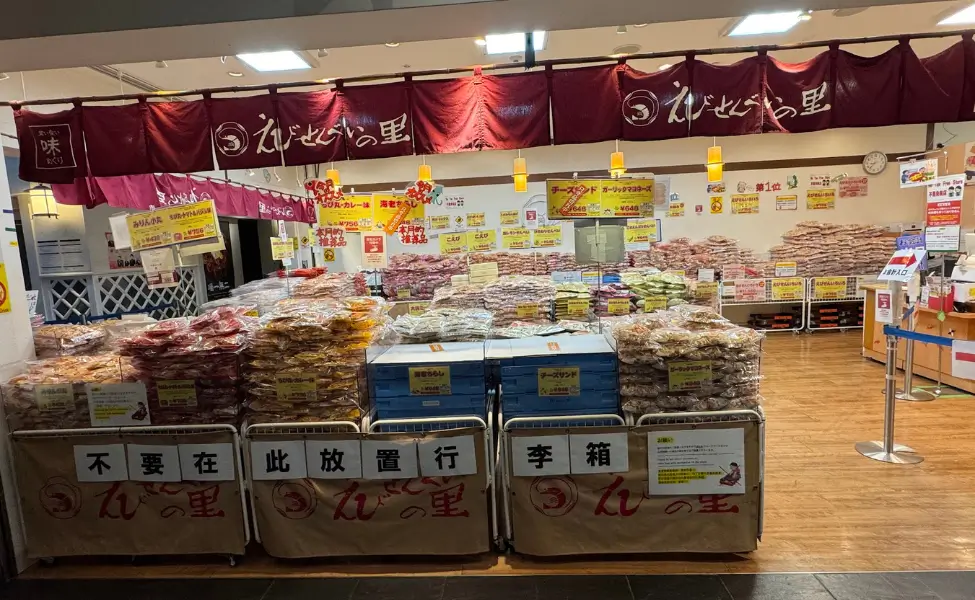
Flavouring and seasoning descriptions in the ingredient list are where those ingredients most commonly hide.
An ingredient list with multiple unreadable flavouring or seasoning entries is not worth the risk.
Keeping two or three safe snacks in your bag covers a long train ride, a delayed meal, or a venue you cannot safely eat at.
It is a small preparation habit that removes a significant source of daily stress.
Planning Each Day So Food Stops Being a Constant Worry
The most useful shift is to stop trying to manage every meal in real time.
Start treating safe food as something you plan the evening before, and five minutes of preparation each night makes the following day significantly less stressful.
Breakfast is usually the easiest meal to control.
Plain rice, eggs, yogurt, fruit, and clearly labelled packaged items all work well.
At a hotel with a breakfast buffet, it is worth asking the kitchen staff about allergen status the evening before.
For lunch and dinner, identify one or two specific restaurants or at minimum a reliable konbini fallback before leaving the hotel each morning.
Having a confirmed backup means a kitchen that cannot safely accommodate you is an inconvenience rather than a crisis.
To End
Japan is not an impossible destination for celiac travellers.
Compared to many countries, it demands more in terms of label reading, question asking, and daily preparation.
At the same time, it has clear allergen labelling on packaged foods and polite, often genuinely helpful restaurant staff.
Japanese food culture values plain, simply prepared ingredients.
Travellers who manage best are not the ones who never feel uncertain.
They are the ones who built their routine before they arrived, carry their backup snacks, and know which three kanji to look for.