
Miso katsu is a deep-fried pork cutlet served with a dark red miso sauce in place of the usual tonkatsu sauce, and food writers outside Japan tend to describe it as one of Nagoya’s defining local dishes. After 30 years living in Nagoya, the practical view is that it’s worth trying once, especially for diners who enjoy rich, savoury food, though it isn’t automatically better than plain tonkatsu.
It suits anyone who already likes miso soup or fermented flavours, and it’s a distinctly Nagoya experience rather than a generic fried cutlet you’d find anywhere in Japan. It’s less of a sure thing if strong, salty sauces generally aren’t for you, in which case plain tonkatsu with a lighter sauce on the side is the safer order.
- Order a loin or fillet cutlet set, and ask for the sauce on the side if you’d rather taste the crust first.
- Expect a thick, salty sauce, a crisp fried cutlet, rice, shredded cabbage and pickles.
Where to eat it in Nagoya
Nagoya has both large, well-known miso katsu specialists and small, old-school restaurants that get far fewer overseas visitors. Which one makes sense depends on whether you’d rather have a recognisable first experience, a slice of local history, or a quieter neighbourhood meal. Remember that hours, booking policies and prices at small restaurants like these can shift, so it’s worth a quick check on the day if timing matters to you.
Yabaton, for a reliable first taste
The Yabacho Honten branch, at 3-6-18 Osu in Naka Ward, is about a five-minute walk from Yabacho subway station and open daily from 11am to 9pm, with last orders at 8.30pm.
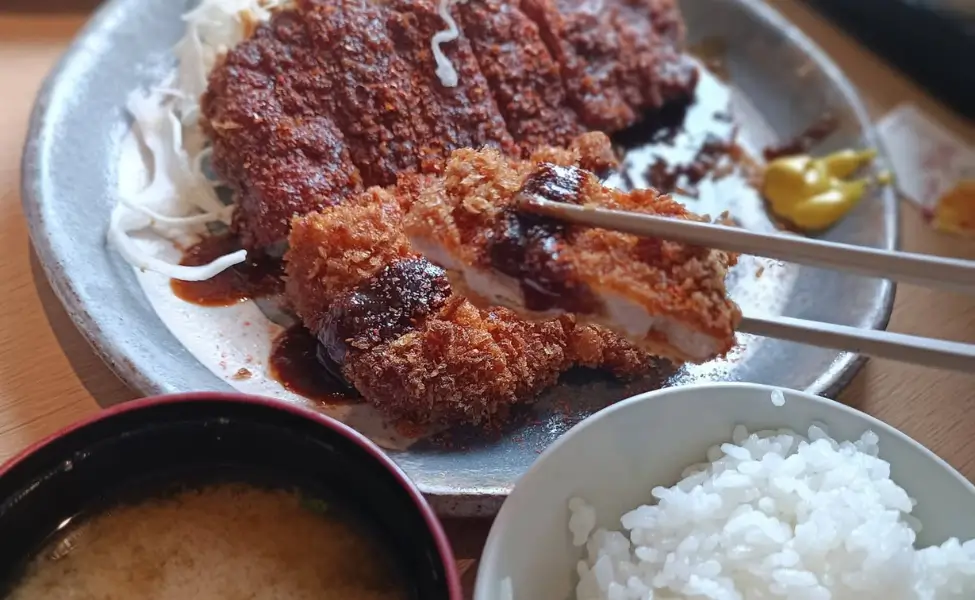
Yabaton traces its own history back to 1947, when it opened as a small tonkatsu shop in the Yabacho area, with a local origin story about a regular customer dipping a fried skewer into a pot of miso stew and liking the result enough to inspire a dedicated sauce.
It’s a sensible first stop precisely because it’s well known and easy to navigate even with little Japanese. The trade-off is the queue. Reviewers regularly mention waiting at lunchtime on weekends and holidays, so it’s worth walking in with that expectation. The honten branch does take online bookings for parties of up to four, which is worth using if you want to avoid queuing altogether.
Ajidokoro Kano, for the shop that says it started it all
Ajidokoro Kano, a compact single-location restaurant at 3-4-110 Sakae in Naka Ward, about three minutes on foot from Sakae Station, generally opens Tuesday to Sunday from around 11am to 2.30pm and 5pm to 8.30pm, and closes on Mondays. It calls itself the birthplace of miso katsu don, founded in 1949 by Toshisuke Sugimoto, and says it has deliberately never opened a second branch.
That claim is disputed, since Yabaton tells its own separate origin story and at least one other account credits a restaurant in Mie Prefecture, so treat it as one side of an unresolved argument rather than settled history. What’s clear is that it’s a genuinely old-school room away from the tourist crowds, and it doesn’t appear to take online bookings, so expect to queue at busy lunch times.
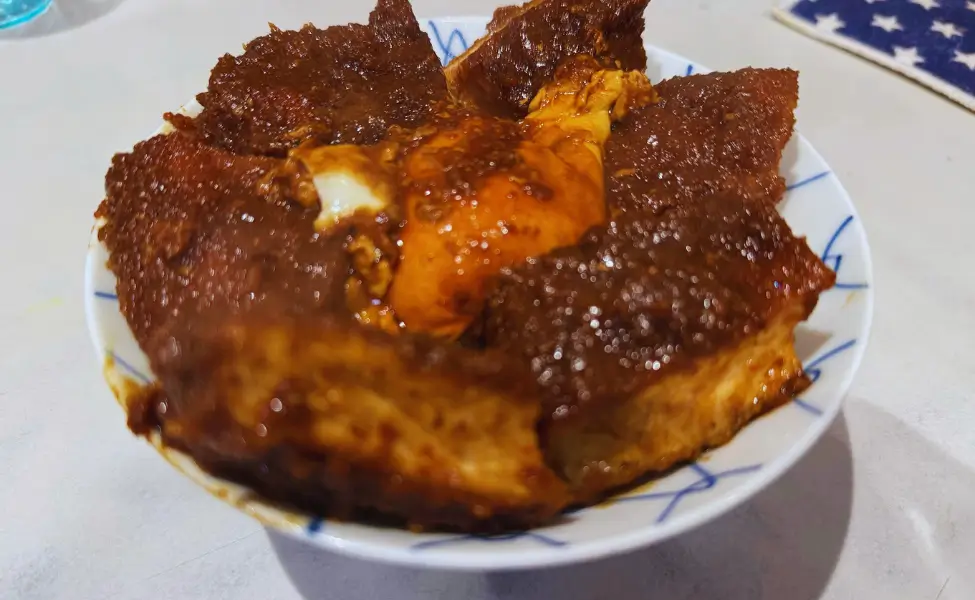
Tonkatsu Hirono, for a neighbourhood meal away from the centre
Tonkatsu Hirono, properly Tonkatsu-ya Hirono, is in Showa Ward at 116 Yamahana-cho, about a ten-minute walk from Kawana subway station on the Tsurumai line. It’s been open since 1972, generally trading daily from 11am to 2.30pm and 5pm to 9pm, and it’s genuinely a step away from the main sightseeing areas rather than simply a quieter branch of the same idea.
What makes it worth the detour is the way it serves the cutlet. Rather than committing you to one sauce, Hirono lets you try the same tonkatsu three ways, with rock salt, with standard tonkatsu sauce, and with its own red miso sauce, so you can compare the miso version directly against the alternatives in a single sitting.
If you’re staying near Nagoya Station
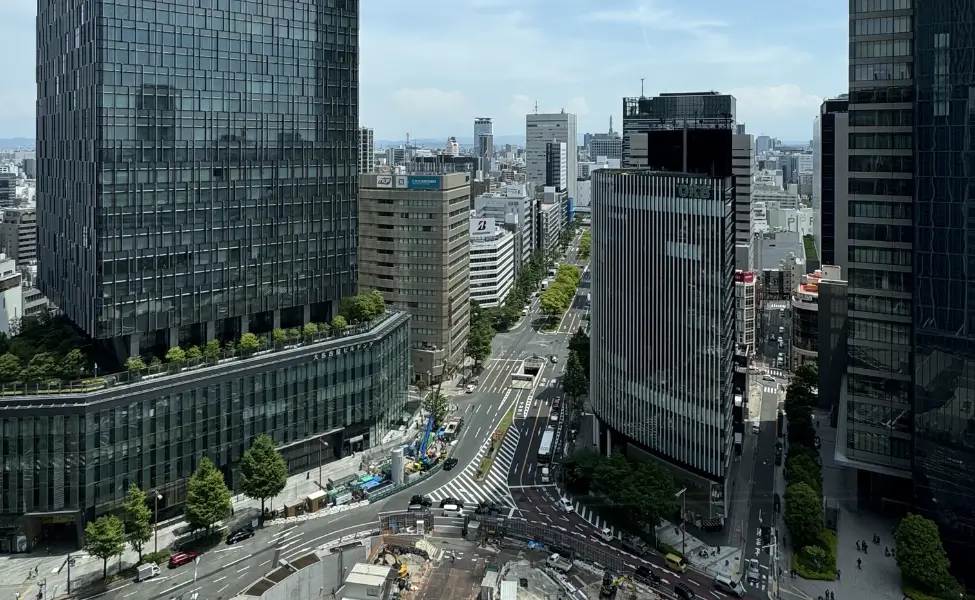
You don’t need to travel out to Yabacho to try Yabaton specifically. The brand runs a sit-down branch inside the Esca underground mall near the Shinkansen side of Nagoya Station, plus a takeaway-only counter closer to the platforms and a counter inside the station’s department store. The Esca branch works well for a proper set meal without leaving the station area, while the takeaway counter suits a quick bento or sandwich before a train.
Booking and what it costs
Only Yabaton’s honten branch shows an online booking option, for groups of up to four. Ajidokoro Kano and Tonkatsu Hirono don’t list one, which points to a walk-in approach at both, though it’s worth calling ahead if you want to check. Prices vary by cut and restaurant, but a miso katsu set generally runs from under 1,000 yen at a simple neighbourhood restaurant like Hirono up to around 3,000 yen at a busier specialist like Yabaton, depending on the size and cut you choose. Treat that as a rough guide rather than a fixed menu price, since it can change.
For a first-time visitor short on time, Yabaton is the simplest choice, particularly if you book online or use one of the Nagoya Station branches to sidestep the queue entirely. If you’ve got a second meal to spare, Hirono’s three-way tasting is the more genuinely useful way to work out whether Nagoya’s version of tonkatsu suits your own taste, rather than judging it from a single plate at a famous name.
What it actually tastes like
The sauce most Nagoya restaurants use is built around a dark, dense miso, often specifically Hatcho miso from Okazaki in Aichi Prefecture, made from nothing but soybeans and salt and naturally fermented in cedar vats for around two years or more.

That long fermentation is what gives it a noticeably darker colour and a stronger, less sweet flavour than the everyday rice-based miso most people are used to in miso soup elsewhere in Japan. Restaurants generally loosen the thick paste with a little liquid and sweetness so it pours over the cutlet rather than sitting there as a stiff spoonful, but the result is still salty, deep and only gently sweet, with a savoury, almost roasted edge that lingers on the palate.
None of that changes the cutlet underneath. A well-made one is still crisp on the outside and juicy inside, and at a good restaurant the sauce should add weight to that without drowning it completely.
How it’s different from standard tonkatsu sauce
The tonkatsu sauce found on tables across the rest of Japan is a Worcestershire-style condiment, thickened and sweetened with fruit and vegetable purées such as tomato, apple, date or prune, along with vinegar, sugar and spices. It’s smooth, tangy and relatively light, and it pours easily. Miso katsu sauce is a different animal.

Yabaton in Nagoya, Japan
Because it starts from a dense, long-fermented soybean paste rather than a fruit-and-vinegar base, it carries far more umami and salt for the same amount poured over the plate, which is the main reason opinion splits so sharply on first taste. Diners who like fermented, savoury flavours tend to enjoy it immediately, while others find it heavier and more one-note than they expected from a fried cutlet.
Loin or fillet, and what comes with the set
Most menus offer a choice between rosu (ロース, loin) and hire (ヒレ, fillet). Loin keeps a visible edge of fat and gives the fuller, richer flavour that regulars associate with a proper katsu meal, and it stands up well against a strong miso sauce. Fillet is leaner and more tender, with a cleaner, milder taste that works better for smaller appetites or anyone who finds fattier pork too heavy.
If you’re unsure which style of Nagoya miso you’ll enjoy, ordering fillet with the sauce on the side is a reasonable way to taste it cautiously without committing to the fuller loin version straight away.
A standard set meal usually includes white rice, shredded cabbage, a bowl of soup and pickles. Soybean-based red miso is a defining part of Aichi-region cooking generally, turning up in dishes well beyond miso katsu, so it’s common for the soup in a set to be a miso-based one rather than a lighter clear broth, though this varies by restaurant. As a rough guide, a regular set with a full bowl of rice is usually enough for one adult, and there’s rarely a need to order the largest cutlet available on a first visit.
How to order it, and keeping the crust crisp
If you’d rather taste the pork and crust before the sauce takes over, it’s entirely normal to ask for it separately. A useful phrase is miso dare wa betsu de onegaishimasu (味噌だれは別でお願いします), meaning “please serve the miso sauce separately.” A shorter version, miso dare betsu (味噌だれ別), gets the same idea across if the restaurant is busy, and pointing at the cutlet on the menu while saying it works just as well.
A few other phrases are worth having ready.
- Misokatsu o hitotsu onegaishimasu (味噌カツを一つお願いします), “one miso katsu, please.”
- Rosu de onegaishimasu (ロースでお願いします), “loin, please.”
- Hire de onegaishimasu (ヒレでお願いします), “fillet, please.”
- Gohan sukuname de onegaishimasu (ご飯少なめでお願いします), “a smaller serving of rice, please.”
- Mochikaeri dekimasu ka (持ち帰りできますか), “can this be taken away?”
