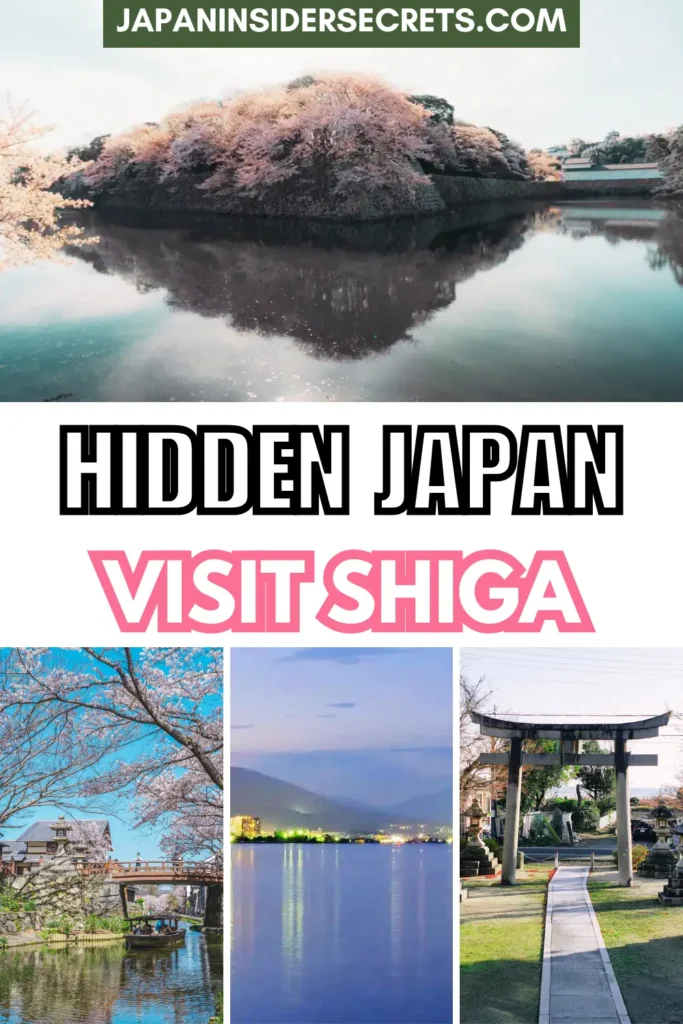

Lake Biwa covers 670 square kilometres and supplies drinking water to 15 million people across the Kansai region.
That’s just the beginning of what Shiga Prefecture offers.
This region has one of just twelve original castles left in Japan.
It also features ninja houses with secret escape routes and fermented foods that are centuries older than modern sushi.
Most travellers miss it entirely whilst rushing between Kyoto and Tokyo.
Lake Biwa: Japan’s Ancient Freshwater Giant
Lake Biwa dominates Shiga Prefecture.
It covers roughly 670 square kilometres and reaches depths of 104 metres.
This makes it Japan’s largest lake and one of the world’s oldest, formed over four million years ago.

The lake supplies drinking water to about 15 million people across Kyoto, Osaka, and Kobe.
That’s more than ten per cent of Japan’s population.
It creates stunning scenery that changes with the seasons and supports over 1,000 species.
About 60 of these exist nowhere else on Earth.
You can enjoy boating, fishing, and cycling along the 235-kilometre shoreline.
Watch spectacular sunsets reflected on the water.
The northwestern beaches, like Omi-Maiko and Shiga Beach, are great for swimming and windsurfing in the warmer months.
Planning to visit Shiga Prefecture? Book these experiences:
Hikone Castle: An Edo Period Treasure
Hikone Castle is one of Japan’s twelve remaining original castles.
Its main keep survived from feudal times intact.

Construction began in 1603 under the powerful Ii clan and took twenty years to complete, finishing in 1622.
The builders saved time by salvaging materials from other fortifications.
The three-storey main keep came from Otsu Castle.
Other elements arrived from Nagahama and Odani castles.
This recycling earned Hikone its nickname as the “Recycled Castle,” though the result shows remarkable unity.
When the Meiji government ordered the destruction of feudal castles nationwide, Hikone narrowly escaped.
Emperor Meiji himself intervened during a visit to the area.
Today it holds National Treasure status, one of only five castles with this honour.
From the hilltop keep, you get sweeping views across Lake Biwa.
The grounds include original walls, turrets, and gates that have stood for over 400 years.
Cherry blossoms transform the site each April, typically blooming about a week later than Kyoto.

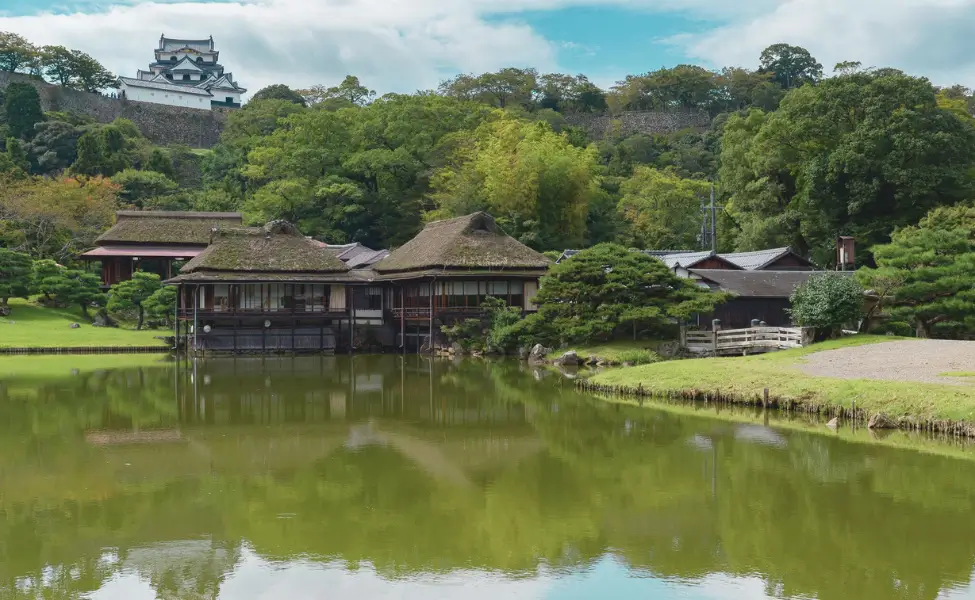
Next to the castle, Genkyu-en Garden offers traditional landscaping completed in 1679.
Getting There: 15-minute walk from JR Hikone Station, approximately 50 minutes from Kyoto Station via JR Biwako Line.
The Koka Ninja House: Hidden in Plain Sight
The Koka Ninja House demonstrates how ninjas concealed defences within ordinary architecture.
This 300-year-old residence looks unremarkable from outside.
Inside, you’ll discover trap doors, hidden weapon compartments, escape tunnels, and revolving walls for a quick getaway.

You can examine authentic ninja tools including shuriken, climbing equipment, and disguise items.
The house offers visitors the chance to dress in ninja costumes, making it popular with families.
This hands-on approach shows how ninjas used clever thinking to blend in as regular citizens.
Getting There: From JR Koka Station, take a local bus (15 minutes) or taxi (10 minutes) to Koka Ninja Village.
Nagahama Bonbai Exhibition: Plum Bonsai Art
The Nagahama Bonbai Exhibition showcases roughly 300 plum tree bonsai cultivated for their spring blooms.
Every year, from January to March, Keiunkan, a historic guest house, hosts this 70-year-old tradition. It celebrates patient artistry.
Some specimens reach remarkable ages.
“Furo” (Eternal Youth) is estimated at 400 years old, “Shoryubai” (Rising Dragon) at 250 years, and “Sazareiwa” (Limestone Breccia) at 350 years.
Larger trees stand over three metres tall and need bamboo supports.
Admission costs 800 yen for adults and 400 yen for children.
Collectors often spend 10 to 20 years training trees before they debut.
The blooming plums signal spring’s arrival, a moment Japanese culture has cherished for centuries.
Getting There: 10-minute walk from JR Nagahama Station to Keiunkan. Nagahama is approximately 70 minutes from Kyoto via JR Biwako Line.
Shigaraki Ceramic Cultural Park
Shigaraki has produced distinctive pottery for centuries.
The style features natural ash glazes and warm earth tones.
The Shigaraki Ceramic Cultural Park showcases this heritage.
It features a museum dedicated to ceramic art and an exhibition hall for industrial uses.
The region’s clay contains unique properties that produce the characteristic colour and texture.
You’ll recognise the style from the famous tanuki statues that appear throughout Japan.
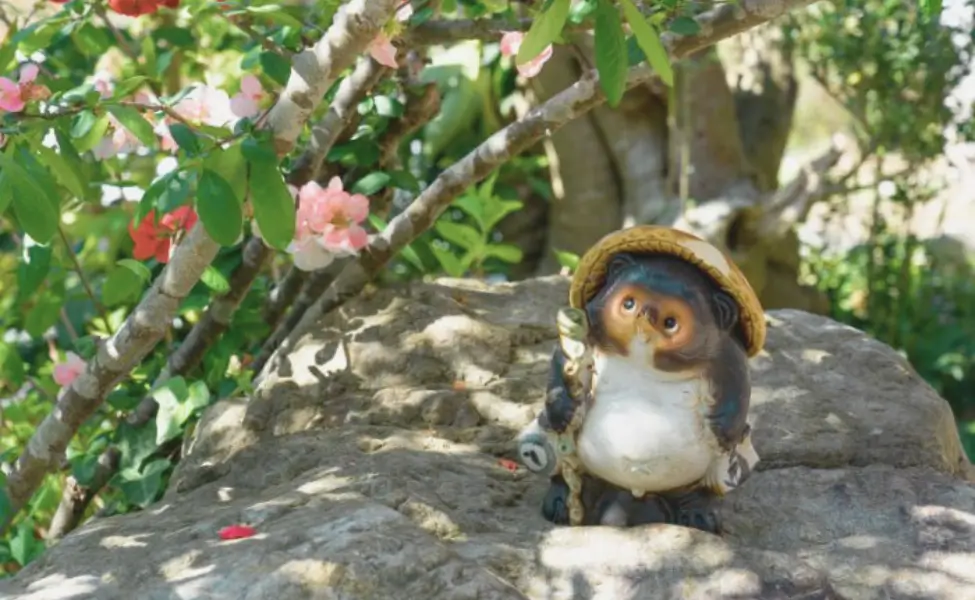
These chubby, grinning ceramic raccoon dogs originated here and became national symbols of good fortune.
The park offers insight into both traditional pottery techniques and modern ceramic uses in technology and industry.
Getting There: Take the Shigaraki Kogen Railway from Kibukawa Station (JR Kusatsu Line) to Shigaraki Station (25 minutes), then 5 minutes by taxi or 15 minutes on foot.
Funazushi: An Acquired Taste with Ancient Roots
Funazushi represents one of Japan’s oldest forms of sushi.
It predates modern nigiri by centuries.
This fermented treat is made only from nigorobuna, a crucian carp found in Lake Biwa.
It showcases ancient preservation methods used before refrigeration.
The process requires patience.
Fresh fish are gutted (except for the roe if female) and packed in salt for two to three months.

After desalting, the fish are layered with cooked rice and fermented for one to three years.
Lactic acid bacteria break down the flesh and soften even the bones.
This creates intensely sour flavours and pungent aromas often compared to strong blue cheese or ammonia.
The taste challenges many first-timers, but enthusiasts prize well-aged funazushi as a delicacy.
The orange roe develops a creamy, cheese-like texture particularly valued by fans.
You can eat it sliced thinly on its own, served atop rice, or in soups where the flavour mellows slightly.
Hiyoshi Taisha Shrine: Guardian of the Capital
Hiyoshi Taisha Shrine in Otsu holds over 2,100 years of history.
It was originally established to protect the capital when Emperor Tenji relocated it to Otsu.
The shrine shows syncretism by blending Shinto and Tendai Buddhism.
This mix reflects centuries of religious change.

The shrine venerates three sacred mountain deities.
It served as the guardian shrine for Mount Hiei’s powerful Enryakuji Temple complex.
Hiyoshi Taisha played a key role in Japanese history due to its ties to mountain worship, political power, and religious authority.
Today you can explore multiple shrine buildings set amongst towering trees.
Stone pathways climb the hillside, connecting the structures.
The serene forest setting provides atmosphere where you can sense the accumulated spiritual significance of centuries.
Getting There: 10-minute walk from Sakamoto Station on the JR Kosei Line, approximately 20 minutes from Kyoto Station.
Mount Hiei Driveway: Scenic Mountain Access
The Mount Hiei Driveway provides stunning access to one of Japan’s most sacred mountains.
It straddles the border between Shiga and Kyoto prefectures.
You can drive or take a bus along this route, enjoying panoramic views as you ascend.
Mount Hiei’s summit area houses Enryakuji, one of Japanese Buddhism’s most important temple complexes.
Founded in 788, Enryakuji became headquarters of the Tendai sect.

It trained many monks who later established other major Buddhist movements.
The temple complex spreads across three areas on the mountainside, containing over 100 buildings.
The combination of mountain scenery, religious history, and accessible transport makes this rewarding.
Seasonal changes bring different character to the landscape, from spring cherry blossoms to autumn foliage to winter snow.
Getting There: Access from Sakamoto Station (JR Kosei Line) via cable car, or by car via Route 367. The driveway entrance is near the Enryakuji Temple complex.
Omihachiman: Historic Canal Town
Omihachiman developed as a prosperous merchant town during the Edo period.
It became known for travelling traders who built commercial networks throughout Japan.
The historic canal district preserves this heritage through well-maintained traditional architecture and waterways.

The town’s spring water has long been valued for its purity.
Locals used to drink straight from the source, but modern visitors should follow basic water safety.
Canals, traditional buildings, and natural springs make the townscapes lovely for easy exploration.
You can take boat rides along the historic canals.
View the town from water level as merchants once did whilst transporting goods.
The peaceful pace contrasts with more tourist-heavy destinations whilst offering authentic glimpses of traditional Japanese commerce and daily life.
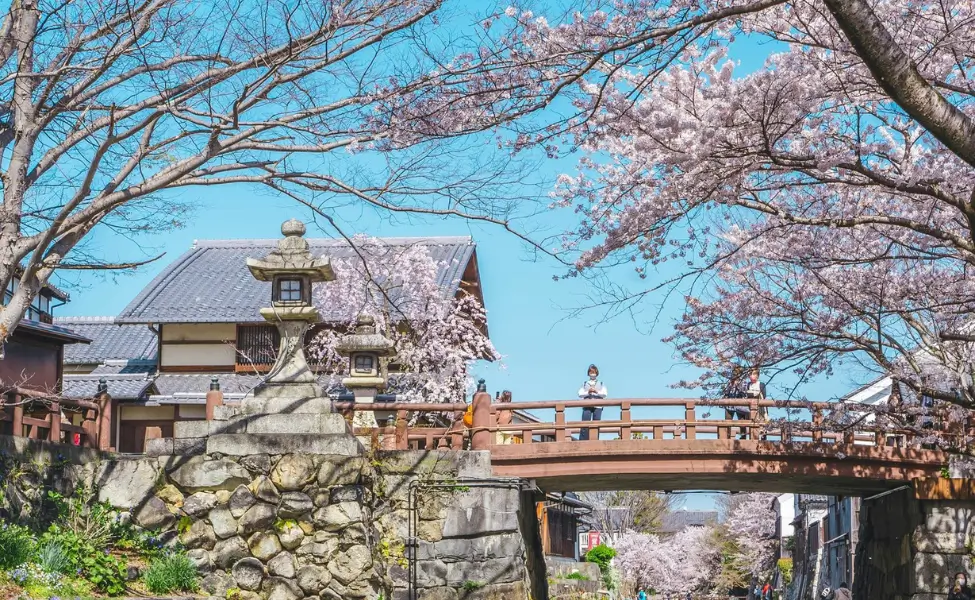
Getting There: Direct train from Kyoto Station to Omihachiman Station via JR Biwako Line (approximately 40 minutes). The historic canal district is 10 minutes by bus or 25 minutes on foot from the station.
Genkyu-en Garden: Hidden Paths and Peaceful Corners
Located at the base of Hikone Castle, Genkyu-en Garden was completed in 1679 by the fourth lord of Hikone domain.
The design creates a “stroll garden” where paths lead visitors on a planned route revealing carefully composed views.
Hidden paths branch off from the main route.
They lead to quiet spots perfect for contemplation. Small bridges cross the central pond at various points.
Each offers different perspectives on the water, islands, and surrounding plantings.
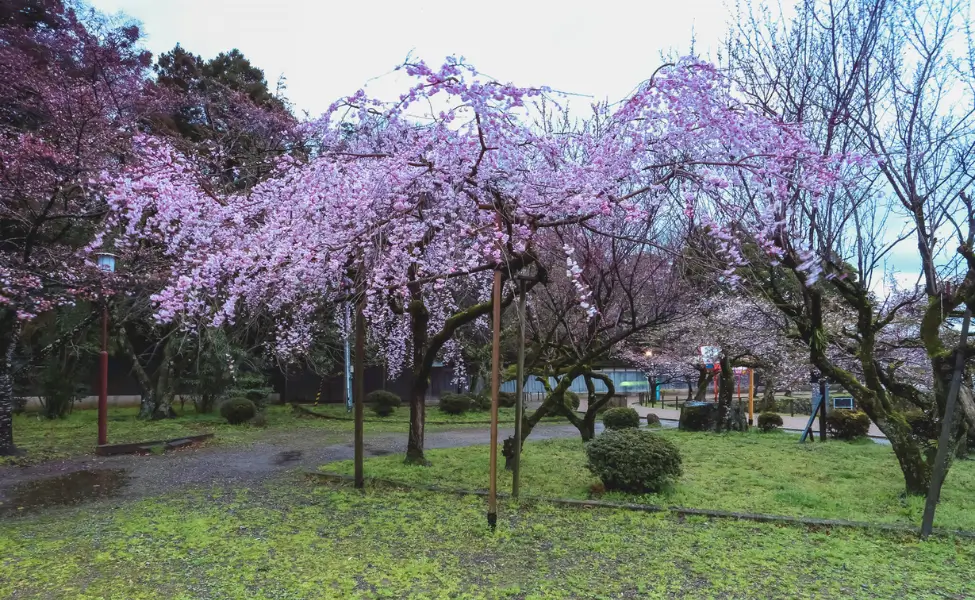
The garden shows “borrowed scenery.”
It includes views of Hikone Castle and distant mountains.
Traditional Japanese gardens like Genkyu-en function as three-dimensional artworks.
Every element contributes to the overall experience.
Walking slowly in these spaces and pausing to enjoy the views lets you connect with centuries-old design.
This philosophy aims for harmony between human creation and nature’s beauty.
Getting There: Located at the base of Hikone Castle, accessible via the same route (15-minute walk from JR Hikone Station).
Tennei-ji Temple and Buddha Statues in Hikone
Tennei-ji Temple in Hikone houses Buddha statues of significant cultural importance.
The Hikone butsudan (household Buddhist altars) represent a distinct regional craft tradition.
They demonstrate skilled woodworking, lacquerwork, and metal craftsmanship that developed in this area.
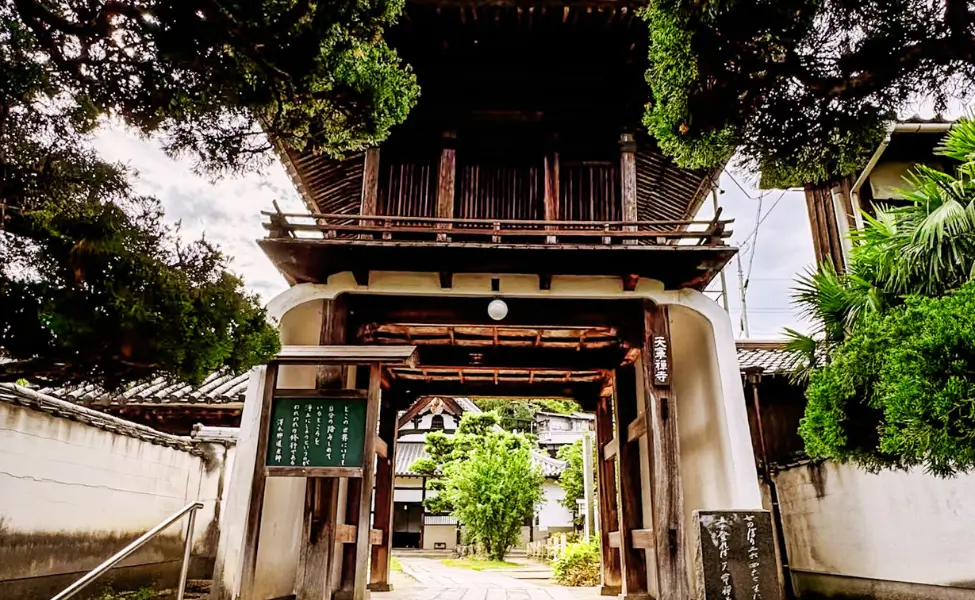
These elaborate altars served as focal points for household Buddhist practice.
They contained images of Buddhas, bodhisattvas, and ancestral memorial tablets.
The craftsmanship quality reflected both religious devotion and regional artistic traditions.
Seeing these altars shows how Buddhism was part of daily life in Japan, not just in temples.
Getting There: Located in central Hikone, approximately 10-minute walk from JR Hikone Station. The temple is near Hikone Castle in the historic district.
Why Shiga Deserves Your Time
Shiga Prefecture offers what overtouristed destinations increasingly cannot.
Authentic cultural experiences without crowds.
You can visit a National Treasure castle, try thousand-year-old recipes, and cycle along Japan’s biggest lake, all in one day.
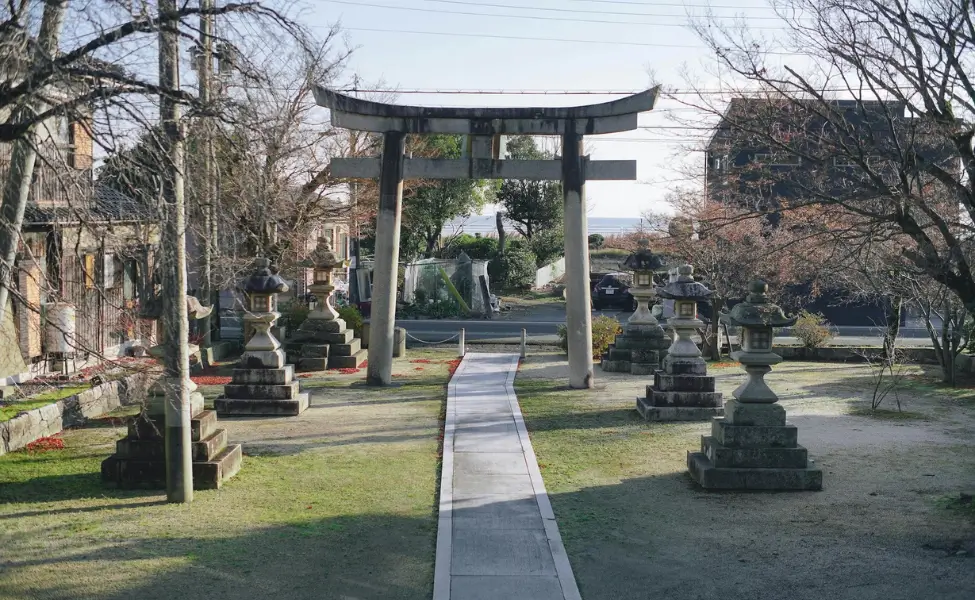
Yet you’ll rarely wait in queues or fight for photo opportunities.
The prefecture sits just 10 to 50 minutes from Kyoto by train, depending on your destination.
This makes it ideal for day trips or as a quieter base for exploring the Kansai region.
Accommodation costs significantly less than Kyoto. Trains run frequently.
You’ll gain perspective on Japanese culture beyond the heavily marketed tourist sites.
Shiga offers something for everyone.
Whether you love samurai history, traditional crafts, or stunning landscapes, you’ll find it here.
It’s also a great place to escape the crowds.
Sometimes the best discoveries happen just off the main route.
Related guides: Check out our full guides to [Kyoto day trips], [Japan’s historic castles], and [Lake Biwa travel tips].
Discover more ways to experience authentic Japan away from the tourist spots.