
Choosing the right area to stay in Nagoya during the Asian Games matters more than most visitors realise. Around 15,000 athletes and team officials are coming to the city for the 20th Asian Games. With that many people arriving, central hotel rooms will be taken long before regular travellers start looking.
That is why choosing your base early can make a real difference to your trip. I have lived in Japan for nearly three decades, and my life here is rooted in local family life. Over that time, I have watched the country change dramatically for visitors.
Japan was once one of the world’s most expensive destinations. Today, it is one of the most accessible. Nagoya has always been the city everyone passed through. In 2026, that changes.
Before You Book
| Question | Quick Answer |
|---|---|
| What is the best area overall? | Meieki (Nagoya Station) for transit access. |
| Where are the main venues? | Mizuho Sports Park is about 20 minutes from Nagoya Station via the Sakuradori Subway Line. |
| Can I stay right by the stadium? | Not really. The area is residential with very little hotel stock, so book centrally and take the subway in instead. |
| Should I drive to venues? | No. Mizuho Sports Park has only around 700 parking spaces. Stay near a subway station instead. |
| Is Sakae a good base? | Yes, for nightlife and food, with direct subway lines to the stadium district. |
| Are airport hotels viable? | Yes. Centrair is 28 minutes from Meitetsu Nagoya Station, with nearby rooms from around ¥5,000 and hotels attached to the terminal from around ¥10,000. |
| How do I get around cheaply? | The Donichi Eco Kippu weekend pass gives unlimited subway rides for ¥620. |
Why the Best Areas to Stay in Nagoya During Asian Games Are Filling Fast
Let me be direct, because the squeeze on rooms is real, and it is not just about the athletes.
The organisers decided against building a permanent athletes’ village, largely on cost grounds. Instead, roughly 4,600 athletes and officials will be housed on a cruise ship docked at Kinjo Pier, with the rest spread across hotels and temporary container facilities.
That detail alone tells you how tight the calculation already is.
When a Games organising committee is solving part of its accommodation problem with a cruise ship, regular hotel supply was never going to stretch far enough to comfortably cover everyone else arriving for the same two weeks.
Inbound accommodation spending in Japan has grown faster than any other category of travel spending since 2019, which means higher nightly rates across the board for 2026 travellers. The slower you move through Japan, the more it gives back, but slow planning on hotels is the one place where that philosophy fails you.
So book early, because the best areas to stay in Nagoya during the Games are not “hidden gems” you can grab last minute, they are practical bases that empty out fast.
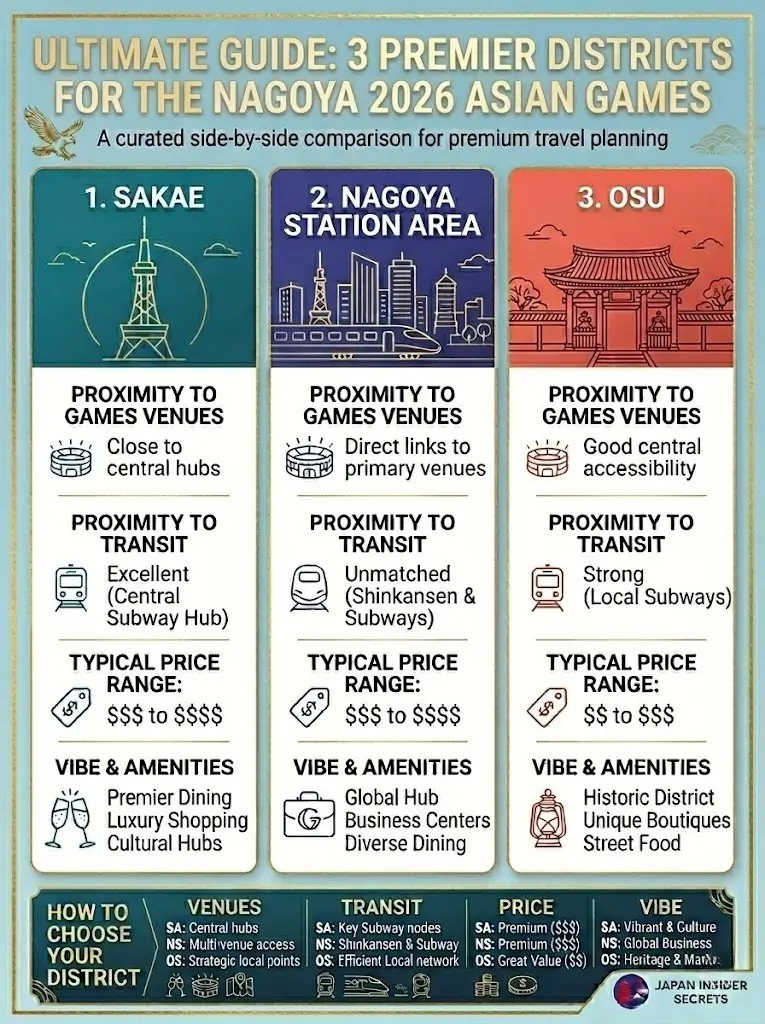
Meieki (Nagoya Station): The Best Area to Stay for Transit Access
If you want one base that does everything, it is Meieki, the district wrapped around Nagoya Station.
This is where the Shinkansen, the subway, the Meitetsu, and the airport train all converge. From here, Mizuho Sports Park sits about 20 minutes away on the Sakuradori Subway Line. That is door-to-venue convenience that no other area matches.
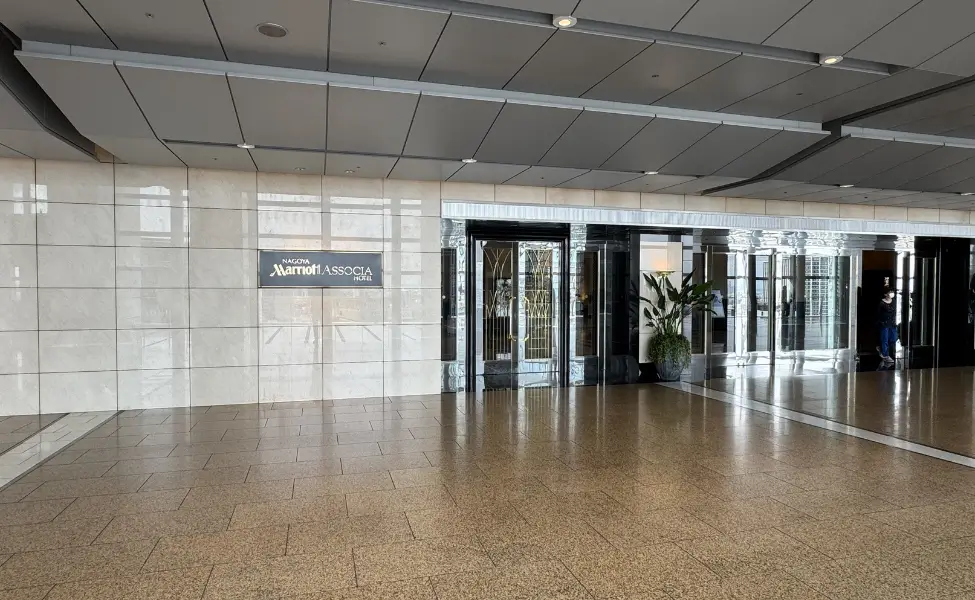
But here is the catch I tell everyone who asks me about accommodation in this city. “Near Nagoya Station” can mean directly above the Shinkansen platforms, or it can mean a fifteen-minute walk with luggage in summer heat.
Check the actual exit your hotel sits behind. The station is enormous, and the difference between the right side and the wrong side is real.
Sakae: The Best Area to Stay in Nagoya During Asian Games for Food and Nightlife
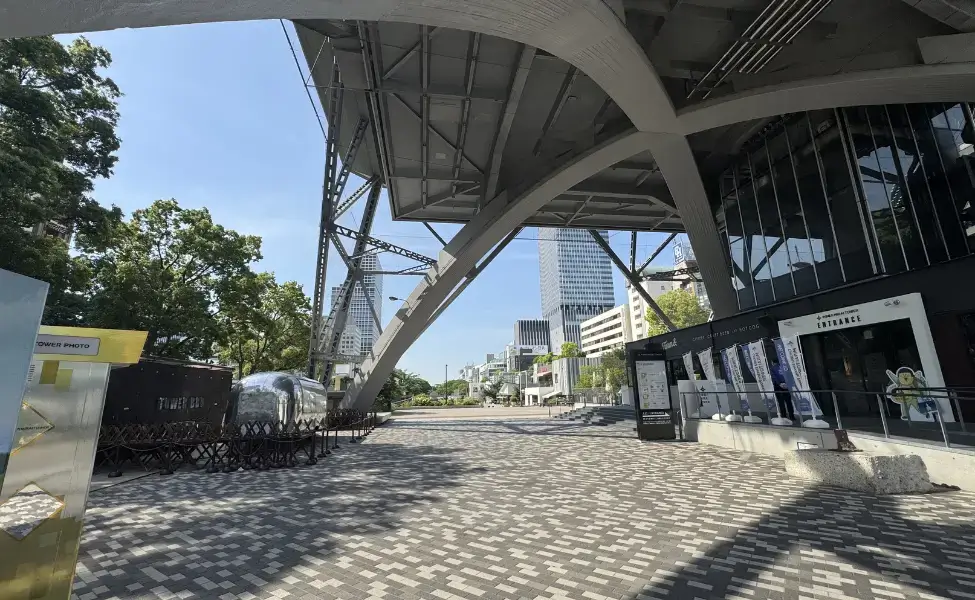
Sakae is the downtown heart of Nagoya, sitting beneath the TV tower with department stores, izakayas, and the energy that Meieki lacks after dark.
This is where life simply continues after the day’s events end, which is precisely the point. You finish at the stadium, ride back on the subway, and step out into a neighbourhood that is genuinely alive.
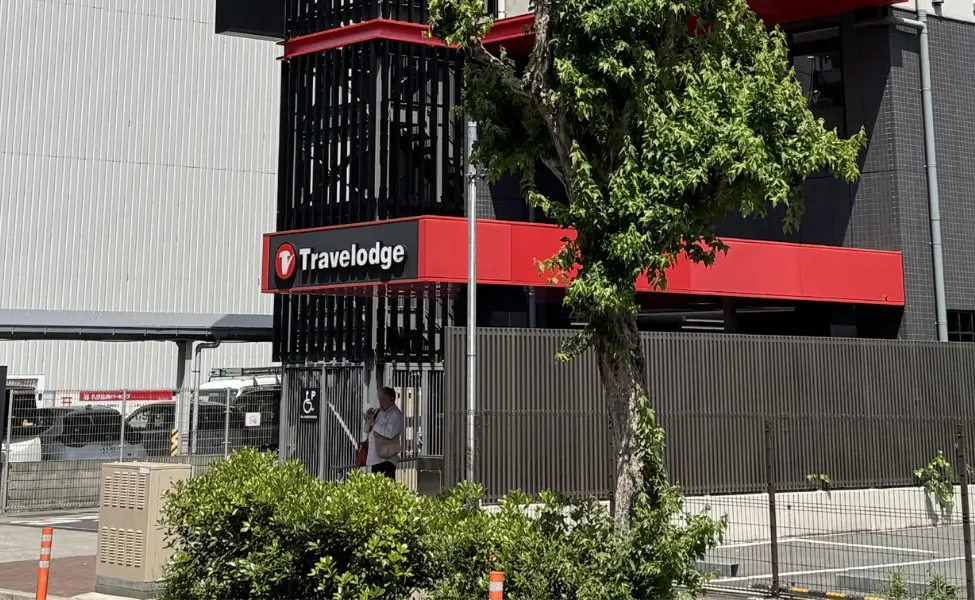
Sakae connects to the venue district by direct subway lines, so you are not trading convenience for atmosphere. You get both.
For travellers who want the real city rather than the transit-hub version, this is my pick. It runs on local time, not tourist time, and you can feel the difference immediately.
The Area Around Mizuho Sports Park: Why You Probably Won’t Stay There
Some visitors assume they can simply book a hotel a short walk from the stadium and wake up minutes from the action. In Nagoya, that is not really an option.
The neighbourhood around Mizuho Sports Park is residential, and proper hotels are almost nonexistent.
The only option is the Mizuho Urban hotel.
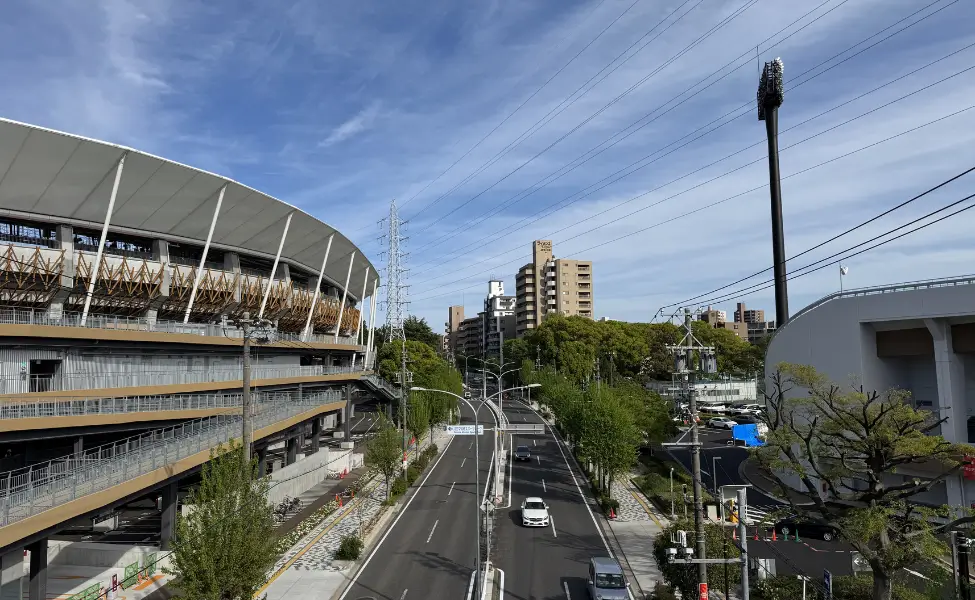
The closest hotel to the stadium itself sits in Yagoto, a short distance away, and even that is a meaningful walk rather than a true doorstep stay. Beyond that one option, Meieki and Sakae offer a far wider range of rooms at every price point.
What this means in practice is that almost everyone attending events, including dedicated spectators, ends up basing themselves centrally and riding the subway in.
From Mizuho Undojo Nishi Station, the main stadium is a 10 to 15 minute walk, and the subway ride from Meieki or Sakae only adds around 20 minutes to your morning, which is a small price for a base with real dining, shopping, and nightlife to come back to.

If you genuinely want the shortest possible walk, Yagoto is worth checking before you book elsewhere, though I would confirm current availability there directly rather than assuming a wide choice. For everyone else, book centrally and treat the subway commute as part of the routine.
Why You Should Never Plan to Drive to the Venues
I want to stop you before you make this mistake. Do not base your stay on parking.
Mizuho Sports Park has only around 700 car parking spaces. During an event drawing thousands of spectators, that number is almost meaningless.
This is exactly why the best areas to stay in Nagoya during Asian Games are defined by subway access, not road access. Nagoya’s subway system runs 87 stations across 6 lines, and it will move you faster and more reliably than any car ever could.
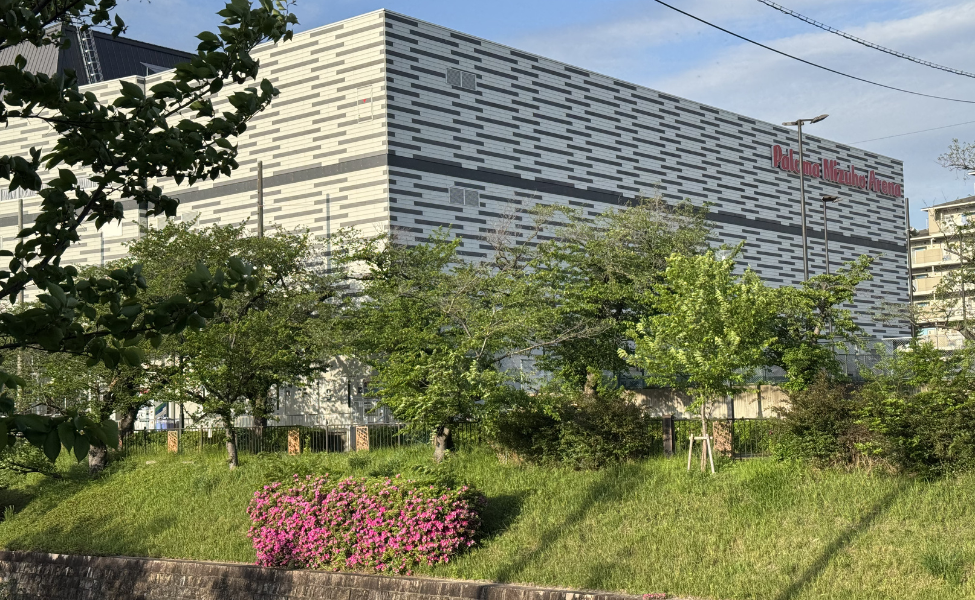
One thing most visitors never find on their own: there is a small car park down a slope behind the swimming pool that only costs ¥500 for the day. It holds maybe forty or fifty cars at most, possibly fewer, so do not count on a space being there.
It is not what shows up when you search for parking near the stadium, but it sits roughly three to four minutes from the stadium, often quicker than walking in from the main lot.
Centrair Airport Hotels: The Smart Backup for Late Arrivals
If central Nagoya is fully booked, or you are landing late, do not panic. The airport is a genuine option here.
Chubu Centrair International Airport connects to Meitetsu Nagoya Station in 28 minutes via the mu-Sky Limited Express. Hotels a short walk or shuttle ride from the terminal, rather than attached to it, start from around ¥5,000 a night for 2026 travellers.
The handful of hotels actually attached to the terminal building run higher, typically from around ¥10,000 upward, so check which category you are booking before assuming the lower rate applies.

That is a clean, predictable base for anyone arriving on an awkward flight or wanting to escape the central price surge. You sleep at the airport, wake up, and ride straight into the city.
It is not glamorous, but it is an honest return on your money when downtown rooms are gone.
Getting Around: The Pass That Saves You Money
Once you have your base, your daily movement is simple if you plan it.
The Donichi Eco Kippu day pass gives you unlimited weekend subway rides for ¥620. If you are bouncing between venues on a Saturday or Sunday, it pays for itself within two or three trips.
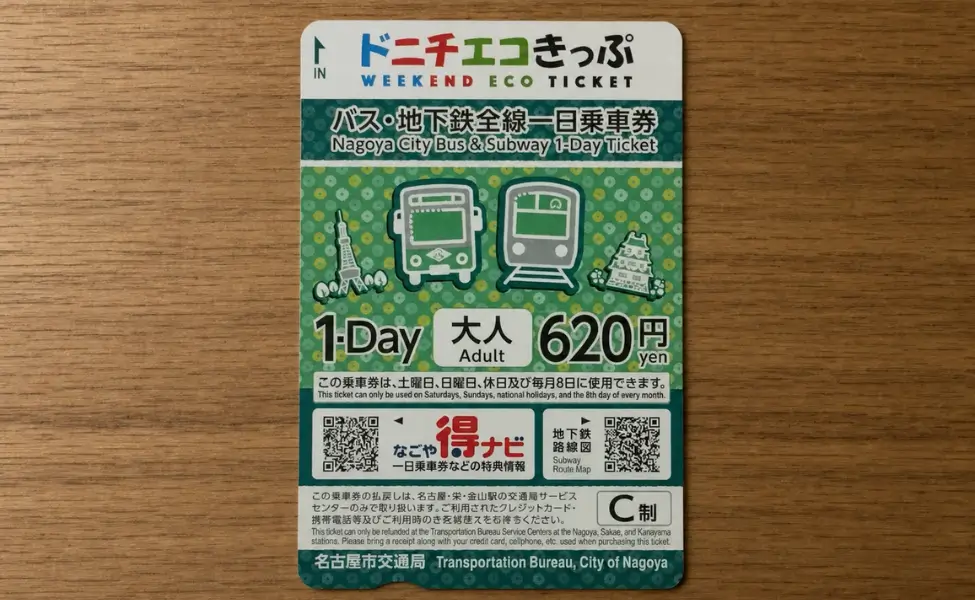
With a central base and a day pass, the entire venue map opens up to you.
What Most Visitors Get Wrong About Nagoya
For three decades, I watched travellers treat Nagoya as a place to change trains. They would surface from the station, glance around, and decide there was nothing here.
That is the surface, and if you’ve spent enough time here, you know it is wrong. The 2026 Asian Games are finally changing Nagoya’s reputation from a transit stopover to a destination in its own right.
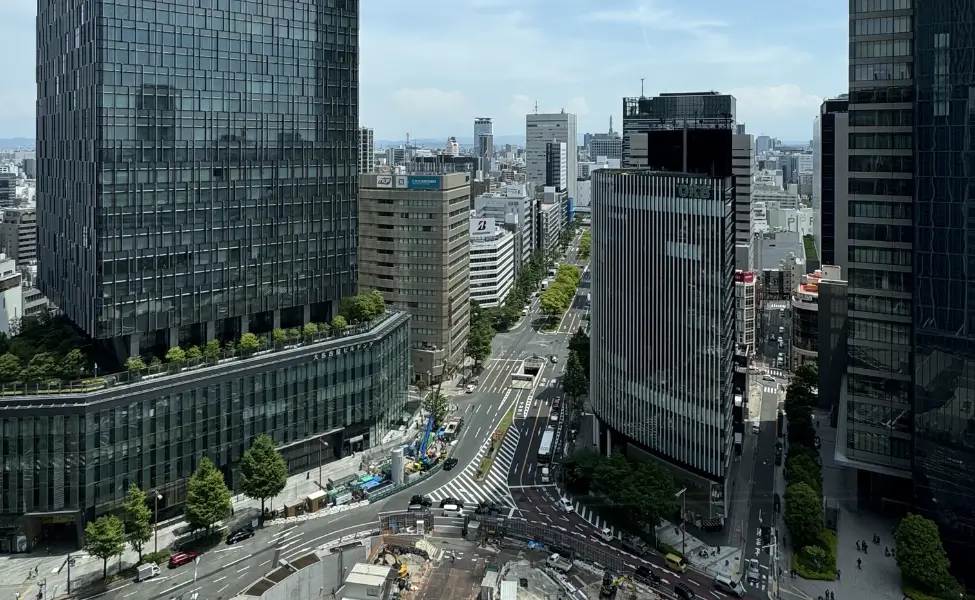
So when I tell you where to stay, it is not about ticking off the most famous postcode. It is about depth over breadth, about a base that lets you actually notice the city.
None of this is about dismissing the obvious choices. It is about getting an honest return on what is, for most people, a significant journey. And if you want to extend that trip, the region around the city has plenty to offer beyond it, from day trips to Takayama and Kanazawa that sit beyond the obvious.
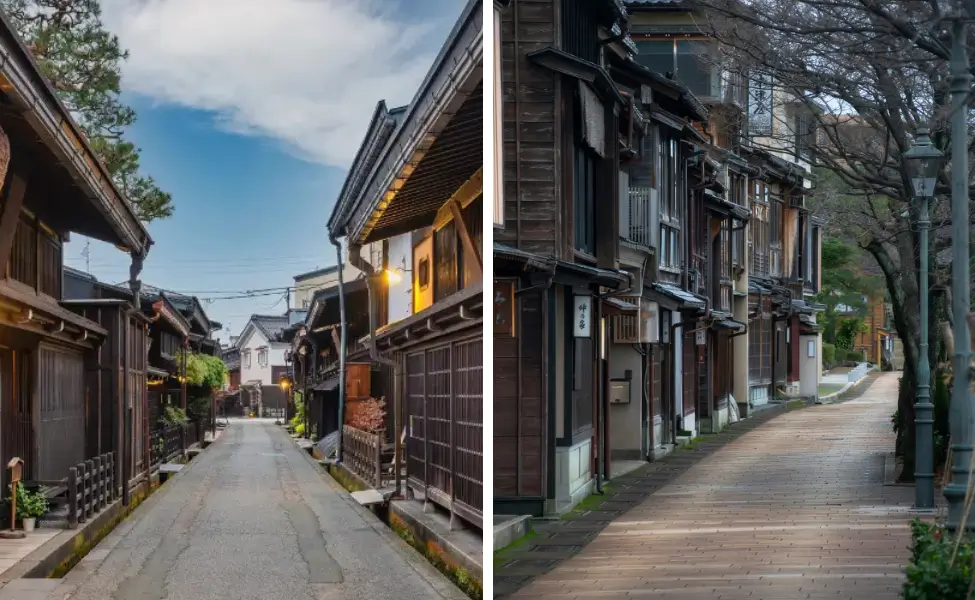
The Short Version: Choosing the Best Areas to Stay in Nagoya During Asian Games
The best areas to stay in Nagoya during the Asian Games really come down to two honest choices. Meieki for unbeatable transit, and Sakae for food and real city life, both covered with specific hotel picks in our full where to stay in Nagoya guide.
If you are dead set on sleeping as close to the stadium as possible, Yagoto is the one option worth a look. Though it comes with a far thinner choice of hotels and a longer walk than most people expect.
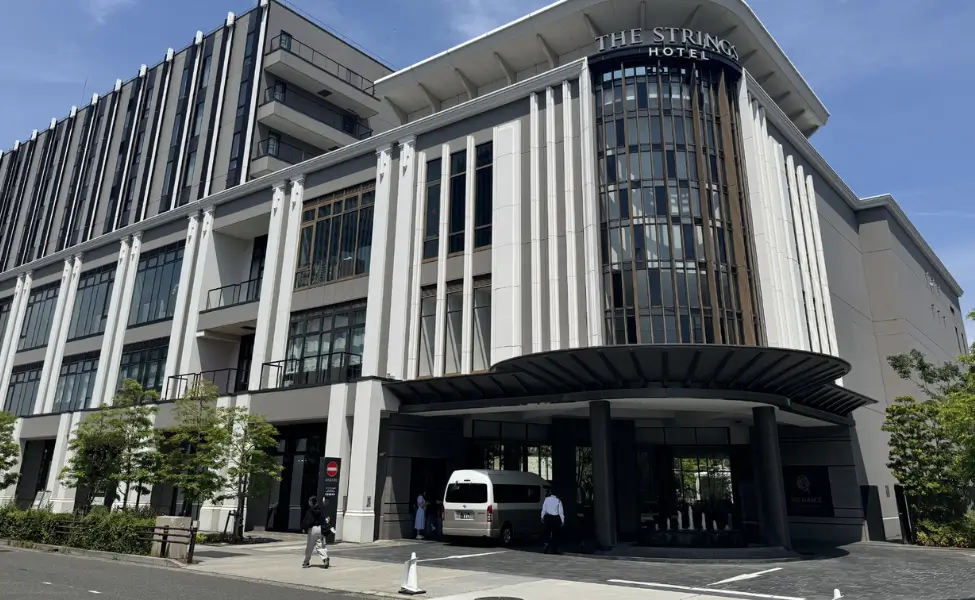
Book early, plan your stay around subway stations rather than parking, and keep a Donichi Eco Kippu in your pocket. For full context on the venues and what 2026 means for this city, see our overview of the Nagoya 2026 Asian Games.
If you’ve come this far to get here, it’s worth staying somewhere that runs on local time, not tourist time.
Frequently Asked Questions
The best areas to stay in Nagoya during the Asian Games are Meieki around Nagoya Station for transit access and Sakae for food and nightlife. Both connect directly to the competition venues by subway. The neighbourhood right around the main stadium is residential with very little hotel stock, so even dedicated spectators are better off basing themselves in one of these two areas and riding the subway in.
Mizuho Sports Park, the main Asian Games venue, is about 20 minutes from Nagoya Station via the Sakuradori Subway Line. This makes a central Meieki hotel one of the most convenient bases for daily travel to events.
Not really. The area around Mizuho Sports Park is residential and has one old hotel. The closest option sits in Yagoto, a short distance away, but the choice is far better in Meieki or Sakae, and the subway ride from either only adds around 20 minutes to your morning.
Centrair airport hotels can be a smart backup if central Nagoya rooms sell out. Rates near the airport can start from around ¥5,000 a night. Hotels attached to the terminal are usually closer to ¥10,000 upward. Even so, Meitetsu Nagoya Station is only 28 minutes away by train. For late arrivals, that convenience can be worth the trade-off. It also gives travellers another way to avoid downtown price jumps during the Games.
No. Mizuho Sports Park has only around 700 parking spaces, so driving is not viable for most spectators. The best areas to stay in Nagoya during the Asian Games are chosen by subway access, since the city’s 87-station network moves crowds far more reliably than cars.
The Donichi Eco Kippu weekend day pass costs ¥620 and gives unlimited subway rides, which pays for itself in two or three trips between venues. With a central base, it is the cheapest way to reach events across the city.
Very likely, especially around peak event dates. Roughly 15,000 athletes and officials are expected, and although a large share will be housed on a cruise ship and in temporary facilities rather than hotels, officials, media, and the spectator influx alone are enough to tighten central supply earlier than usual. Securing a base in Meieki or Sakae early is the safer bet.
Meieki wins on pure transit convenience, while Sakae wins on atmosphere, dining, and nightlife after events end. Both connect directly to the venue district by subway, so the choice depends on whether you prioritise travel speed or a livelier neighbourhood.
