

When most people think of Hiroshima prefecture, they picture the Atomic Bomb Dome or the floating torii gate of Miyajima.
But during my two days in the region, I discovered how much more there is beyond the well-known landmarks.
I travelled between Miyajima, Hiroshima City, and smaller towns like Takehara, exploring local temples, food stalls, and quiet corners that reveal a more personal side of the prefecture.
Hiroshima feels lived-in rather than curated, and it’s this everyday charm that makes it worth staying longer than a day trip.
Planning to visit Hiroshima prefecture? I have you covered:
Here are some interesting facts about Hiroshima prefecture.
Nature and Outdoors
Sandankyo Gorge
This stretches for more than thirteen kilometres along the Shiwagigawa River and is one of Hiroshima’s most beautiful natural escapes.

Trails follow the river through mossy forests and past clear pools and waterfalls.
Small boats run through parts of the gorge from spring to autumn, giving travellers a chance to see the cliffs and streams from below.
The best time to visit is autumn when the trees turn vivid red and gold, though early summer brings stunning green views.
When I walked the trail, the air was cool and clean, and the echo of rushing water made it feel completely removed from city life.
Mount Noro
Mount Noro near Kure offers some of the best coastal views in the prefecture.
From the summit, the Seto Inland Sea stretches out, dotted with small islands and fishing boats.
The drive up is smooth and scenic, with several viewpoints along the way.
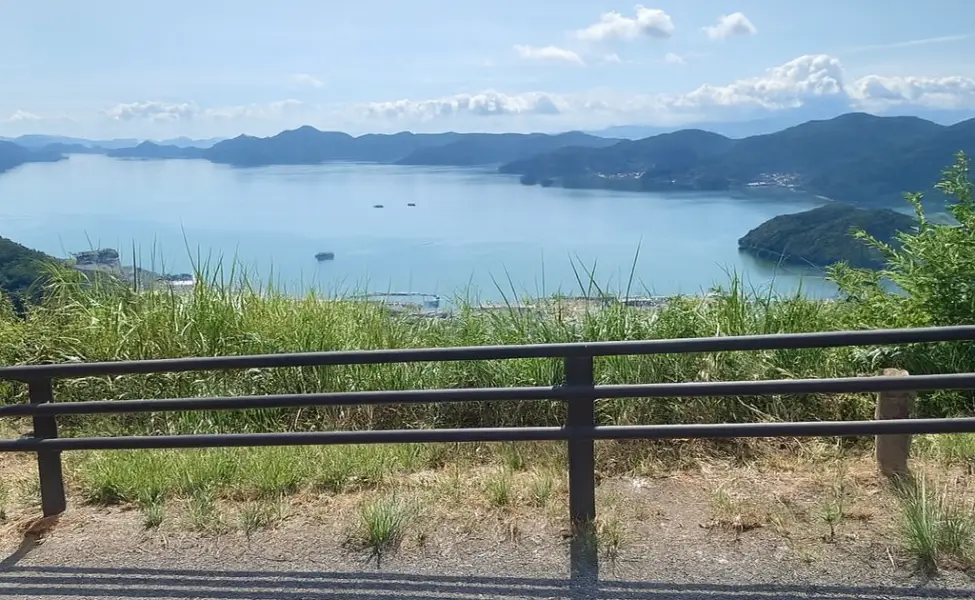
I stopped at one lookout in the afternoon and watched as the sea and just took a moment to pause.
It was quiet except for a few other visitors sitting in their cars, simply watching the view.
Mt Misen, Miyajima
After visiting Itsukushima Shrine, I took the ropeway partway up Mt Misen and hiked the final stretch to the top.
The trail passes small stone Buddhas, cedar trees and viewpoints that open to wide views across the Seto Inland Sea.

From the summit, I could see ferries crossing below and the mainland fading in the distance.
Despite Miyajima’s popularity, few tourists make it all the way up, and for most of my climb it was just me and the sound of cicadas.
Near the top sits Reikado Hall, where an eternal flame has burned for more than a thousand years.
It is the same flame used to light the Peace Memorial in Hiroshima.

Standing there surrounded by quiet forest and sea views felt like one of the most peaceful moments of my trip.
Mitaki Temple
Mitaki Temple sits in a forested area north of Hiroshima City.
It is best known for its three waterfalls that flow through the temple grounds, their water used each year during the Peace Memorial Ceremony to honour the victims of the atomic bomb.
The temple’s moss covered paths, carved stone figures and tall cedar trees create a tranquil setting.
When I visited, I could hear the steady sound of water mixing with the rustle of wind through the leaves. It was a moment that stayed with me long after leaving.
Okunoshima (Rabbit Island)
Okunoshima, or Rabbit Island, lies off the coast near Tadanoumi.

Hundreds of friendly rabbits live here, and they will hop up to you without hesitation.
Within seconds of stepping off the ferry I was surrounded by them.
The island can be walked in about an hour, and signs guide you past both scenic beaches and ruins from its wartime history.
Despite its past as a chemical factory site, the island today feels bright and full of life.
Culture and Heritage
Takehara’s Old Merchant Houses
Takehara, about an hour from Hiroshima City, is often called Little Kyoto.
The town prospered during the Edo period through salt and sake production, and its historic district still carries that legacy.

I spent an afternoon walking its narrow lanes, passing old merchant houses and restored buildings now serving as cafés and small museums.
The wooden façades glow warmly at sunset, and the pace of life feels slow and unhurried.
Hiroshima Castle
Built in the late 1500s by the Mori clan, Hiroshima Castle was destroyed in 1945 and later rebuilt in its original style.

Surrounded by greenery, it stands in contrast to the modern city around it.
Inside, exhibits showcase samurai armour, weapons and models of the castle before its destruction.
From the top floor, I looked out over the city, a mix of modern buildings, old shrines and rivers that cross like veins through the landscape.
Shukkeien Garden
Shukkeien Garden, designed in 1620, condenses the landscapes of Japan into a single park.
Ponds, bridges and small tea houses create scenes that change with each season.

I stopped for matcha at one of the garden’s tea houses and watched koi swim below the bridge.
Despite being in the middle of the city, it felt like stepping into a much older, quieter world.
The Atomic Bomb Dome and Peace Memorial Park
The Atomic Bomb Dome remains Hiroshima’s most powerful symbol.
Standing beside the river, it is a reminder of the city’s past and a tribute to its resilience.
The surrounding Peace Memorial Park is calm and beautifully designed, filled with trees and sculptures.

Walking there, I saw visitors from around the world standing silently or laying flowers.
The stillness of that moment said more than words could.
Food and Local Flavour
Street Food on Miyajima
Miyajima’s food stalls are a must visit, and wandering from the ferry terminal feels like a small culinary tour.
The island’s oysters are famous, served grilled, fried or fresh depending on the season.

I tried the grilled version topped with garlic butter, and it was rich and smoky.
Momiji Manju, maple leaf shaped cakes filled with red bean paste or custard, are another local speciality.
The smell of the batter fills the air, and watching them being made fresh is part of the charm.
Hiroshima’s Okonomi mura
Okonomi mura is a multi storey building filled with okonomiyaki stalls, each with its own take on Hiroshima’s most famous dish.
I sat at the table near the counter while a chef layered noodles, cabbage and batter right in front of me.

The sound of the spatula on the hot plate, the smell of the sauce and the casual banter from locals around me made it one of the best dining experiences of the trip.
Fukuyama Rose Park
Fukuyama Rose Park blooms every May when thousands of roses fill the gardens.
The festival started in the 1950s as a way to lift local spirits after the war, and it remains one of Hiroshima’s most cheerful events.
Stalls sell food and drinks, and families gather for picnics under the flowers.
Even outside festival season, the park is a pleasant stop on a drive through the area.
Local Drinks and Specialities
Hiroshima is known for sake, especially in the Saijo district.
Breweries here often open their doors for tastings, and you can try different varieties while learning how the local water shapes the flavour.
I visited a small brewery that had been family run for generations.
The owner poured a small glass and explained how the spring water gives Hiroshima sake its smooth and slightly sweet taste.
If you prefer something lighter, lemon based drinks and desserts made with local citrus from the Seto Inland Sea region are easy to find.
Unique Experiences
Senkoji Temple and Cable Car
In Onomichi, the Senkoji cable car glides above tiled rooftops to a hilltop temple overlooking the Seto Inland Sea.

I took the ride near sunset, and the view of the water and small islands was stunning.
At the top, the temple grounds are peaceful, and the nearby park offers short trails where you can wander quietly before heading back down.
Hondori Street and Retro Game Shops
Hondori Street in central Hiroshima mixes the modern with the nostalgic.
Hidden among clothing shops and cafés are a few stores specialising in retro video games and consoles from the eighties and nineties.

Browsing through shelves of old cartridges felt like a time capsule.
Frequently Asked Questions
Spring and autumn are ideal. Late March to April brings cherry blossoms, and October to November adds cool weather and colourful foliage.
Two to three days lets you see Hiroshima City and Miyajima at an easy pace. Add another day if you plan to visit places like Takehara or Sandankyo Gorge.
Hiroshima is connected by shinkansen from Osaka and Tokyo. Local trams and buses are simple to use, and ferries connect to Miyajima and nearby islands.
Yes, but staying overnight is better. After sunset, the crowds leave, and you can enjoy the island’s calm atmosphere and see the floating torii gate illuminated over the water.
Yes. Many okonomiyaki restaurants can prepare vegetarian versions, and Miyajima has cafés that focus on vegetable-based dishes and desserts.
Visit the sake breweries in Saijo, the merchant houses in Takehara, or try a calligraphy session on Miyajima for hands-on experiences with local tradition.
Final Thoughts
Hiroshima Prefecture offers more than well-known landmarks.
It blends reflection with discovery, from mountain temples and flower parks to warm food stalls and old-town streets.
Two days here felt like a glimpse of a region that values both memory and everyday life.
Travelling through these places reminds you that history and hope often share the same path.

