
Visiting Tokyo with teenagers is different from travelling here with younger children, and not in the ways most people plan for.
After nearly three decades of watching families explore Japan’s capital, the successful trips share one trait.
Parents who stop curating every moment and let Tokyo teach independence.
Your teen will remember navigating Shinjuku Station alone more than any temple you schedule.
What Teens Actually Care About (Versus What Parents Think They Care About)
Parents research TeamLab and Disney.
Teens end up talking about the train system and convenience stores for months afterwards.
Convenience stores become teenage headquarters.

Teens can feed themselves, navigate choices, and solve problems without asking permission at Japanese convenience stores.
This competence builds confidence that carries through the rest of the trip.
The train system works the same way.
Your teen starts by following you, then leads the family to dinner.
They figure out connections you’d overthink.
Tokyo’s clear signage and reliable service create a learning environment impossible in London or New York.
Don Quijote demonstrates this perfectly.
Teens wander the chaotic discount store for 90 minutes whilst you sit in a nearby cafe.
They’re the unplanned wins where they ordered food alone, found the right platform, or navigated a shop without help.
The Overrated Experiences
Shibuya Crossing looks better in photos than in person.

Every teen wants to do it. Fine.
Budget 15 minutes, take the photo, move on.
Don’t build an afternoon around it.
TeamLab Planets is good but gets exhausting quickly.
The installations are genuinely impressive.
The crowds are genuinely annoying.
The barefoot walking through water sounds magical until you’re doing it with 200 other people in a dim room.
Works brilliantly for younger teens (13 to 15), feels tedious for older ones (17 to 18) who’ve seen similar effects on TikTok.
The Ghibli Museum: For devoted Studio Ghibli fans, it’s worth it.
For casual fans who liked one film, it’s an expensive, restrictive hour when you could be eating ramen.
Tokyo Skytree offers spectacular views at 634 metres.

So does the Tokyo Metropolitan Government Building at 202 metres, and it’s free.
Unless your teen specifically cares about heights or you want the experience of Japan’s tallest structure, save the money.
The view from Shibuya Sky at 229 metres hits the sweet spot.
High enough to impress, integrated into an area with other activities.
Theme Parks: Set Expectations Correctly
Tokyo Disneyland replicates experiences teens can get in California or Florida.
Tokyo DisneySea doesn’t.
If you’re choosing one, choose DisneySea.
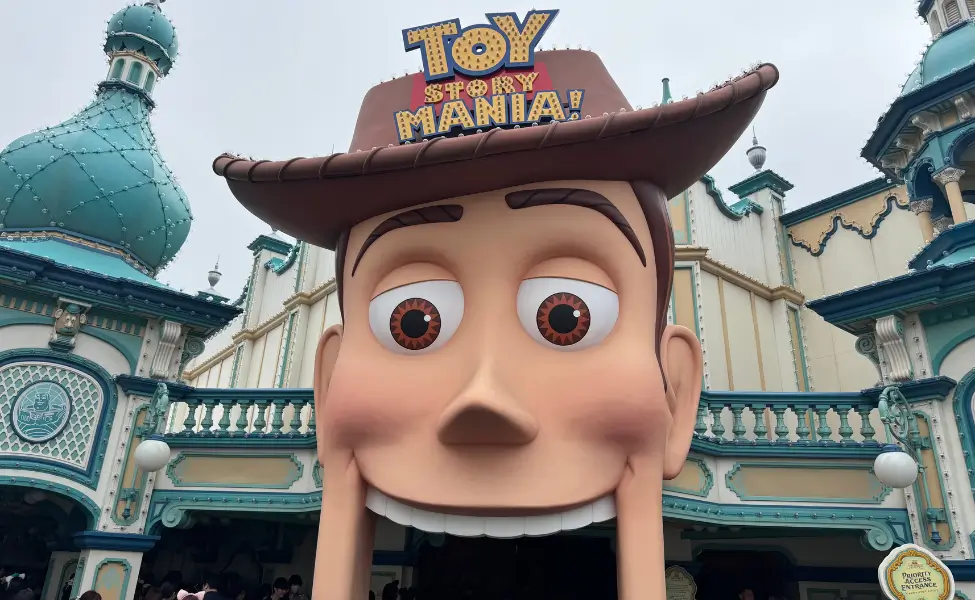
DisneySea works for teens because it skews slightly older in design.
The theming is more sophisticated, the rides lean adventurous rather than cute, and the Mediterranean harbour atmosphere feels less childish.
If you need one specific ride recommendation, Soaring Fantastic Flight is brilliant.
It feels cinematic rather than childish and rewards patience if you time it early or late.
Fantasy Springs adds a second reason to choose DisneySea.
The new Frozen, Tangled, and Peter Pan areas give older teens something fresh that does not exist in any other Disney park.
Younger teens (13 to 15) still get excited.
Older teens (16 to 18) appreciate it without feeling embarrassed.
But here’s what nobody tells you.
The park is enormous.

Walking between areas takes longer than you expect. Lines stretch even with paid Premier Access options.
Don’t schedule dinner plans afterwards.
Everyone will be too tired to care about nice restaurants.
Neighbourhoods That Actually Work for Teen Exploration
Tokyo’s districts each carry distinct energy.
Teens will gravitate to different ones depending on personality.
Harajuku: For Teens Who Want to Look, Not Buy
Takeshita Street delivers exactly what social media promises.

Colourful chaos, crepe towers, rainbow cotton candy, experimental fashion.
Your teen will take 50 photos.
They’ll buy very little unless you’ve budgeted ¥5,000 to ¥10,000 for clothing.
The real value is Omotesando, not Takeshita Street.
Walk five minutes from the Takeshita chaos to tree-lined Omotesando.
Sophisticated architecture, designer boutiques, better cafes. Older teens prefer it.
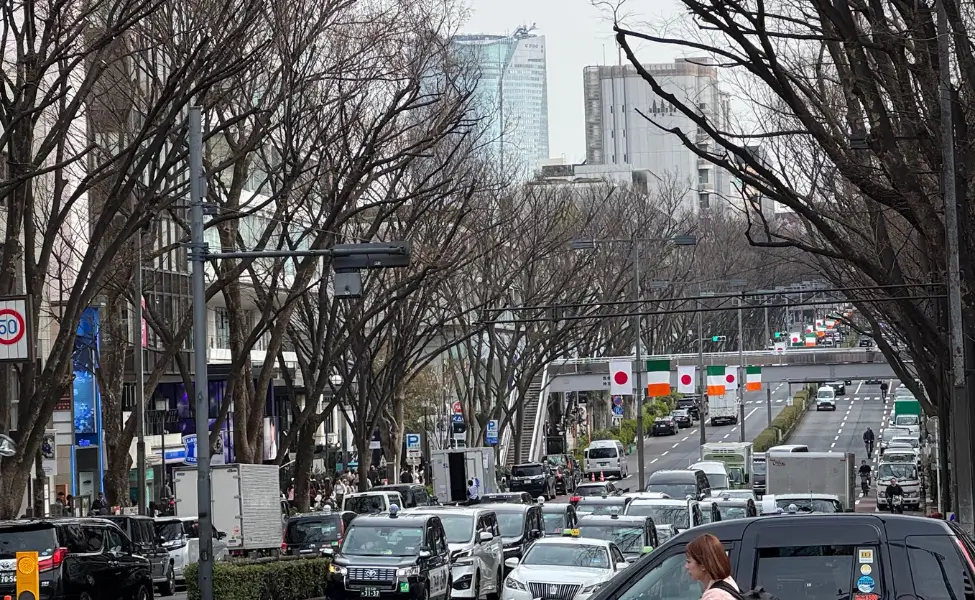
The contrast between the two streets, both technically Harajuku, shows Tokyo’s range better than any single attraction.
Yoyogi Park sits adjacent.
Weekend visits often reveal street performers, musicians, or cosplay gatherings.
It’s free people-watching that teens find more interesting than you’d expect.
Budget 30 minutes wandering.
Budget three hours total for Harajuku.
Two hours if your teen isn’t shopping.
The energy here is high stimulus.
Most teens burn out after three hours regardless of interest level.
Akihabara: Only for Specific Teen Interests
If your teen plays video games or watches anime, Akihabara is mandatory.
They’ll want three hours minimum.

If your teen doesn’t care about either, Akihabara is 45 minutes of awkward browsing before everyone admits this isn’t working.
Don’t force it out of guidebook obligation.
Super Potato deserves the hype for retro gaming fans.
Multiple floors of classic games, consoles, and arcade cabinets teens have only seen on YouTube.
Budget ¥3,000 to ¥5,000 if they’re collectors.
The arcades here run deeper than elsewhere.
Rhythm games, fighting game tournaments, crane machines with actual valuable prizes.
Teens who game will lose two hours easily.
Parents can grab coffee at Yodobashi Akiba whilst waiting.
This is where you see the independence pattern clearly.
Gaming teens navigate Akihabara confidently within 30 minutes.
They know what they want, where to find it, and how much to spend.
Parents become irrelevant quickly.
Shibuya: Where Teens Learn Navigation
Shibuya Station connects eight different train lines.
It’s confusing for everyone initially.

By day three, your teen navigates it confidently whilst you’re still checking Google Maps.
This confidence transfer matters more than the Hachiko statue or the crossing.
Let them figure out which exit leads where. Let them navigate the group to dinner.
Tokyo’s clear signage and safe environment make this the perfect city for teens to practice independence.
Shibuya Sky costs ¥2,200 for adults, ¥1,700 for teens when booked online.
The 229-metre observation deck offers strong views and works well for sunset if you book the 17:00 to 18:00 slot in winter.
But the real attraction is letting teens explore Shibuya Scramble Square’s 47 floors whilst parents rest at a cafe.
The Shibuya area rewards splitting up.

Older teens explore shops, parents visit museums or cafes, everyone meets for dinner.
This prevents the eye-rolling that comes from forced togetherness by day four.
Budget four to five hours here. Shibuya has density.
You can stay in a three-block radius and never run out of things to see.
Shimokitazawa: For Teens Who Reject Mainstream
Bohemian, vintage, quieter.
Narrow streets filled with secondhand clothing shops, independent record stores, cosy cafes.
Teens who found Harajuku too commercial gravitate here.

It’s also cheaper. Vintage finds run ¥1,000 to ¥3,000 instead of ¥5,000 to ¥15,000 in Harajuku.
Teens with limited budgets stretch money further whilst still getting unique pieces.
The catch: Shimokitazawa requires fashion interest.
Teens who don’t care about clothing find it boring after 30 minutes.
Budget two hours. Shimokitazawa is small. Teens either connect with it immediately or never do.
Odaiba: When Everyone Needs a Break
Odaiba works when energy runs low.
The waterfront setting provides space.

The giant Gundam statue (18 metres tall, 1:1 scale) photographs well.
DiverCity Tokyo Plaza and other shopping centres offer climate-controlled browsing.
TeamLab Borderless reopened in central Tokyo at Azabudai Hills, which makes it easier to combine with other activities but removes the waterfront break feeling Odaiba used to offer.
Use Odaiba strategically.
It’s where you go on day five when everyone’s walked 30,000 steps and needs familiar comforts.
Don’t waste day two here when energy is high for more challenging exploration.
Food: Where Teens Surprise You
Tokyo’s food scene intimidates parents who worry their teens will reject everything.
The opposite usually happens.
Tsukiji Outer Market: Worth It, But Time It Right
The wholesale auction moved to Toyosu in 2018.
The outer market stayed, with over 400 shops selling fresh seafood, street food, and kitchen supplies.

It still works, but timing matters.
Arrive between 8:00 and 10:00 when energy peaks and selection stays strong.
After 13:00, half the stalls close and crowds thin.
Don’t arrive at 14:00 expecting full market atmosphere.
Teens care more about the grilled scallops and sushi than the cultural experience.
Let them eat their way through.
Convenience Store Independence
This is where that convenience store competence becomes practical rather than theoretical.
Teens discover they can eat properly for ¥500.

Onigiri rice balls, karaage fried chicken, egg sandwiches that taste better than they should.
FamilyMart’s fried chicken rivals actual restaurants.
They learn they can manage Japan alone.
They stop asking parents for every meal decision.
They try foods they’d reject in restaurants.
Let it happen even though it feels wrong feeding them convenience store meals.
The Experiences That Don’t Work
“Authentic” sushi restaurants stress everyone out.
Unless your teen already appreciates sushi, don’t force high-end experiences.
The ¥15,000 per person omakase feels wasted when they’d prefer conveyor belt sushi at ¥2,000.
Conveyor belt sushi (kaiten-zushi) works brilliantly.

Teens control ordering through tablets. They see plates before committing.
They try adventurously because small portions mean low risk.
Genki Sushi and Kura Sushi chains deliver quality without pressure.
The tablet ordering gives teens the same control they get from convenience stores and vending machines.
Accommodation: What Actually Matters
Location trumps amenities for teenage travel.
Choose hotels near major stations in Shinjuku, Shibuya, or Ikebukuro.
Teens can navigate independently, parents can retreat when needed, everyone accesses transport easily.
Capsule Hotels: Fun Once, Not Repeatedly
Teens love the novelty for one night.
The pods are clean, comfortable enough, surprisingly private.
Shared bathrooms and lounges work fine.
But one night is enough.

Don’t book three nights thinking teens want the “authentic Japanese experience.”
They want normal beds by night two.
Book the capsule hotel for night three or four, after initial jet lag passes but before everyone’s exhausted.
Night one is too disorienting.
Night seven is too late when everyone’s tired.
The Godzilla Hotel (Hotel Gracery Shinjuku)
The massive Godzilla head looming over the building roars hourly.
Rooms are standard business hotel quality, nothing special.
Location is excellent (Shinjuku), prices are reasonable (¥15,000 to ¥20,000 for family rooms).

Teens like it because it’s weird.
That’s enough reason.
The Shinjuku location means teens can navigate independently from day one.
They’ll figure out the station, find convenience stores, and explore nearby areas without parents.
The hotel becomes base camp, not destination.
Cultural Experiences: Honesty Required
Temples bore most teenagers.
Accept this.
Sensoji Temple Works (For Specific Reasons)
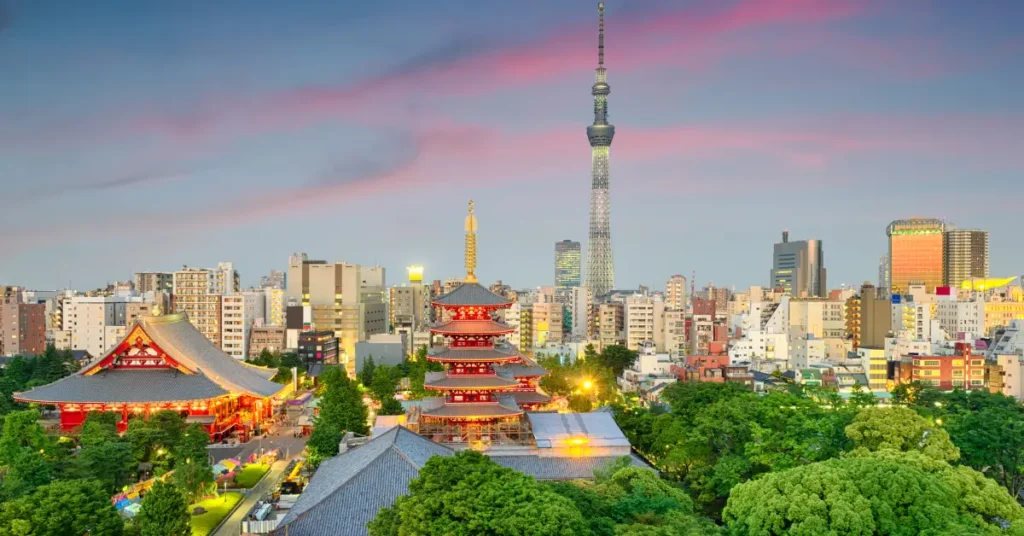
Tokyo’s oldest temple, founded in 628 AD, succeeds with teens not because of Buddhist heritage but because of Nakamise Dori shopping street.

The approach to Sensoji features approximately 90 shops selling everything from traditional crafts to bizarre souvenirs.
Teens can try fortune papers (omikuji), photograph the massive Kaminarimon Gate lantern, and buy novelty items.
They tolerate the temple because the surrounding activity keeps them engaged.

Budget one hour total.
Don’t expect spiritual moments.
Expect shopping.
The fortune papers work particularly well.
They cost ¥100, give teens something to do, and create a moment they’ll photograph and share.
Low investment, high return.
Meiji Shrine: The Exception
Peaceful forest path leading to a serene shrine.
Yoyogi Park nearby with weekend performers and cosplayers.
The combination works when positioned as a nature break rather than cultural education.

Saturday and Sunday visits add people-watching value.
Performers, artists, street musicians, and cosplay photoshoots happen near the entrance.
Teens find this more interesting than shrine architecture.
The walk through the forest matters more than the shrine itself.
It’s 10 minutes of quiet before Harajuku chaos.
Position it as transition space, not destination.
Budget 45 minutes total including the forest walk.
An hour if weekend performers are active.
Skip These Unless Teen Is Actually Interested
Tokyo Imperial Palace grounds: Beautiful gardens, historical significance, and teens will be bored within 20 minutes unless they specifically care about Japanese history or garden design.

Kabuki theatre: Traditional performances with English subtitles sound educational.
Reality: expensive tickets (¥4,000 to ¥8,000), long shows, teens checking phones within 30 minutes.
Only works for teens already interested in theatre or Japanese culture.
Tea ceremonies: Similar problem.
Cultural significance doesn’t translate to teenage engagement.
They’ll participate politely but won’t find it meaningful.
These experiences feel like obligations.
Skip them unless your teen explicitly requests them.
Day Trips: Set Realistic Expectations
Mount Fuji: Manage the Logistics
Mount Fuji sits approximately 100 kilometres from Tokyo.
Reaching it requires planning.
The Shinkansen gets you to Shin-Fuji Station in about one hour, but that’s not the mountain base.
You need additional buses or taxis to reach viewing areas like the Fuji Five Lakes or climbing stations.

Total journey time runs two to three hours each direction when you include transfers.
Day trips work if weather cooperates and you accept a long day.
Clouds obscure Fuji roughly half the year.
Winter (December to February) offers the clearest views.
Summer (July to August) has climbing season but more clouds.
Teens appreciate Mount Fuji’s scale more than they expect.
The photo opportunities work.
But it’s a full day commitment so don’t combine it with other major activities.
Budget ¥5,000 to ¥8,000 per person for transport and entry fees to viewing areas.
Hakone: The Smarter Day Trip
Two hours from Tokyo by train.
Hot springs, mountain scenery, Lake Ashi boat rides, cable cars over volcanic valleys, outdoor sculpture museum.

Hakone offers variety Mount Fuji doesn’t.
When clouds hide Fuji (likely), Hakone still provides activities.
The loop route keeps things moving: train to Hakone-Yumoto, cable car up the mountain, boat across Lake Ashi, bus back.
Teens enjoy the transport variety more than static viewing.
The cable car over active volcanic vents (Owakudani) creates memorable moments without requiring cultural appreciation.
Budget ¥5,000 to ¥8,000 per person for transport and entry fees.
Consider staying overnight if budget allows.
The onsen (hot spring) experience works better when not rushed.

The Hakone loop demonstrates that transport pattern again.
Teens stay engaged because they’re constantly moving and controlling navigation.
Six hours of activity beats three hours of viewing.
The Practical Questions Nobody Answers
How Much Freedom Can You Actually Give Teens in Tokyo?
More than any other major city.
Tokyo’s crime rate stays remarkably low, trains run on time until midnight, and getting lost usually means walking 10 minutes to the next station.

Practical freedom levels by age:
Ages 13 to 14: Can navigate familiar routes alone (hotel to specific destinations you’ve walked together).
Should check in every two hours via text.
Can handle restaurants, shops, and attractions independently.
Probably not ready for completely unplanned exploration.
Ages 15 to 16: Can navigate most of Tokyo alone using Google Maps.
Can split from family for three to four hour blocks.

Can figure out train transfers and handle unexpected situations.
Should still have clear meeting points and times.
Ages 17 to 18: Can essentially function independently.
Many families split up for entire days, meeting only for dinner.
Teens this age often navigate better than parents.
The key is gradual freedom.
Day one: everyone together.
Days two & three: teen navigates the group.
Day four: teen handles a two-hour solo mission to a specific shop.
Day five: teen spends the afternoon in Akihabara whilst parents visit a museum.
What Nobody Tells You But Should
Tokyo works for teenage travel because it rewards independence whilst removing most risks.
Your 15-year-old can navigate Shibuya alone at night, make food decisions, handle money, and solve problems, all whilst you maintain reasonable peace of mind.
The successful trips I’ve watched share common traits.

Parents who build in solo teen time, who accept that convenience stores matter, who let teens lead navigation, and who stop forcing cultural experiences teens clearly don’t want.
The unsuccessful trips also share traits.
Rigid itineraries, cultural obligations teens resist, refusing to budget for shopping teens care about, and treating Tokyo like a museum rather than a city to navigate.
Your teen won’t remember every temple.
They’ll remember successfully ordering ramen alone, navigating Shinjuku Station confidently, and that moment they realised they could actually function in a foreign country.
That’s worth more than any attraction you can schedule.

