

Most Japan itineraries follow the same arc.
Tokyo, Kyoto, Nara, maybe Hiroshima or Osaka, then back. Iwate sits far enough north to feel like a significant detour, and that is exactly why most visitors skip it.
The question worth asking is whether skipping it is the right call for your specific trip, or whether you are quietly writing off one of the most varied prefectures in Tohoku.
So, is Iwate worth visiting?
Iwate is a poor fit for a rushed one day add on.
With two nights, Morioka and Hiraizumi make sense.
With three, you can add the coast, skiing, or hiking without spending half the trip watching train times.
The Case for Going and the Case Against
Iwate is Japan’s second largest prefecture after Hokkaido, covering a wide range of terrain from an active volcanic peak to 200-metre Pacific cliff faces.
Within that space it holds a UNESCO World Heritage Site that most visitors have never heard of, a compact and genuinely interesting capital city, serious ski terrain, strong food culture, and a coastline that rarely appears in mainstream Japan planning.
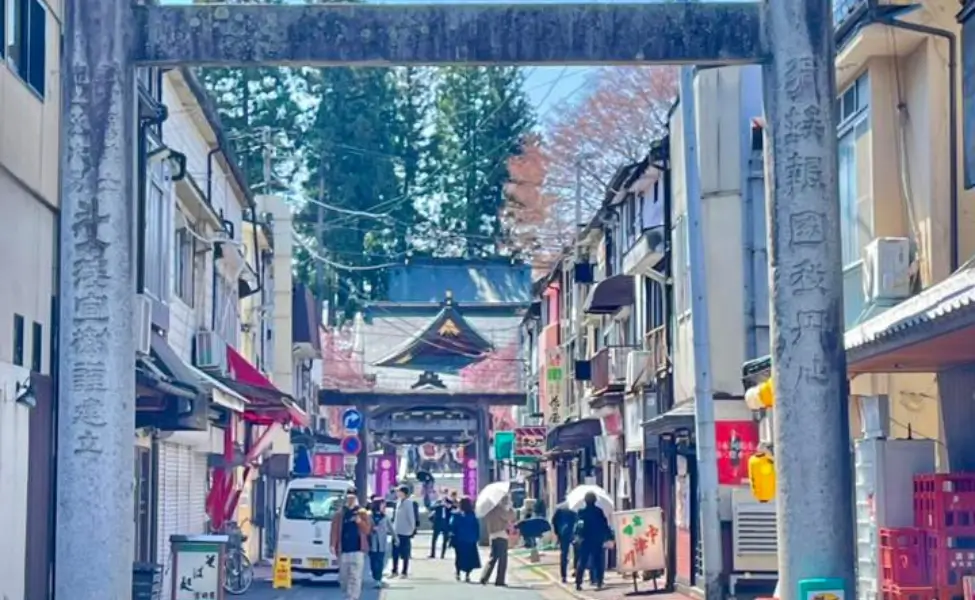
The case against Iwate is also real.
Getting around without a car takes planning, and some of the best coastal spots are genuinely inconvenient by public transport.
If your Japan trip already feels stretched, adding Iwate may produce the exact regret you are trying to avoid, not from the place itself, but from spreading your days too thin.
Iwate suits you well if you are on a second or later visit to Japan, have already covered the main circuit, and want regional depth rather than another temple town.
A first trip works too if Tohoku specifically draws you, or if you are routing between Tokyo and Hokkaido, since Morioka sits naturally on that corridor and does not require a detour so much as a stop.
Morioka: A City Worth More Than a Platform Change
Morioka is the prefectural capital and the most practical base for your stay.
The Tohoku Shinkansen stops here, putting Tokyo around two and a half hours away and Aomori about an hour to the north.
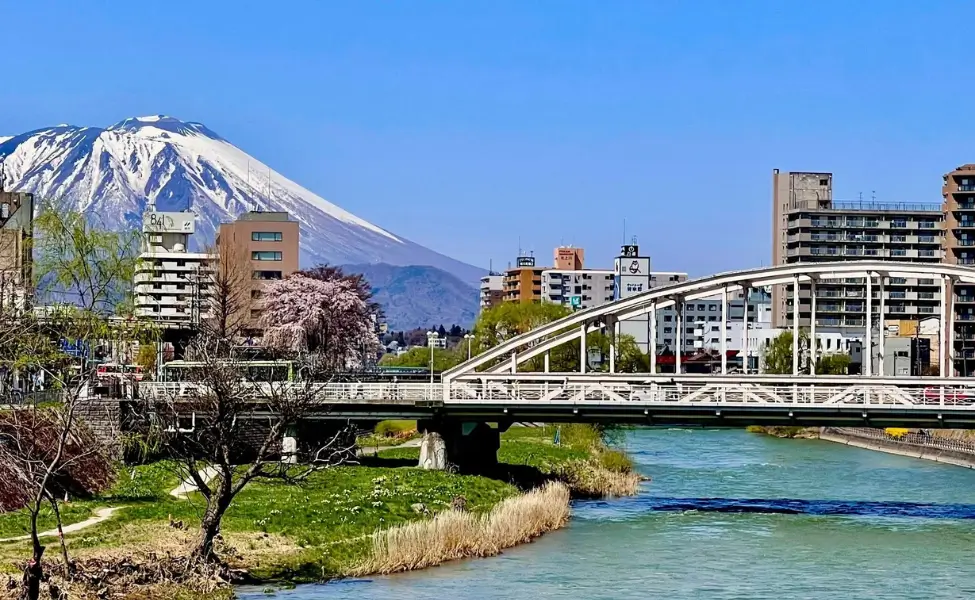
Most travellers pass through without giving the city a second look, which is a genuine loss.
The city centre is walkable and compact.
Iwate Park holds the Morioka Castle ruins, where the Nanbu clan based their domain across the entire Edo period.
The Nanbu clan began building the castle in 1597, completed construction in 1633, and held power here until the Meiji government demolished the buildings in 1874.
Stone walls, moats, and cherry trees are all that remain, but the park has a quiet authority that works well for a morning or evening walk.
Nanbu ironware has been produced in Morioka for around 400 years, beginning as tea kettles made at the Nanbu lords’ request and growing into a range of cast iron goods from heavy kettles to small wind chimes.
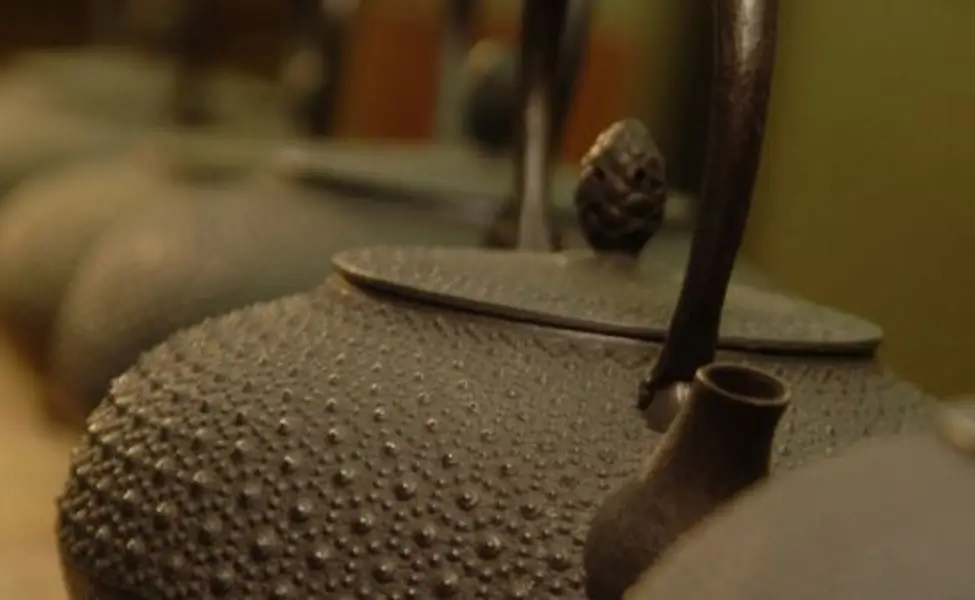
Several workshops in the city still produce pieces using traditional methods, and a visit takes under an hour.
Small ironware items hold up well as gifts and need no explanation to anyone who receives them.
The city also claims three distinct noodle dishes that together form a respectable food argument for staying an extra half-day.
Hiraizumi: The Depth That Justifies the Journey North
Hiraizumi sits roughly one hour south of Morioka by local train, or within reach via Shinkansen to Ichinoseki followed by a short local connection.
The town is small and quiet, and it carries an unusual amount of historical weight for its size.
The UNESCO World Heritage designation covers five sites from the 11th and 12th centuries, when the Oshu Fujiwara clan chose Hiraizumi as their seat and built a cultural capital intended to rival Kyoto in ambition and scale.

A loop bus runs from Hiraizumi Station to the main sites, and most visitors can cover the key places on foot or by rental bicycle.
Chuson-ji Temple is the anchor of any visit.
Jikaku Daishi established the original site around 850 CE, and the Fujiwara clan expanded it from 1105 into a major complex.
The Konjikido, completed in 1124, is the structure most visitors remember.
The Fujiwara clan built it as a mausoleum for their lords, and it holds their mummified remains.
Every surface is covered with gold leaf and mother-of-pearl inlay.
The building is small by temple standards, but the effect is unlike anything else in northern Japan.
Motsu-ji Temple, a short walk away, holds one of the best-preserved Heian-period Pure Land gardens in Japan.
The original buildings burned down centuries ago and were never rebuilt, but the garden survives in its 12th-century form.
Walking the perimeter takes about 30 minutes and carries a stillness that busier temple gardens in Kyoto rarely manage.
Day-tripping Hiraizumi from Sendai is possible and takes about an hour and a half each way.
Combining it with two nights in Morioka gives you the most comfortable version of the visit without feeling rushed.
The Coast and the Mountains
The Sanriku Coastline
The Sanriku coast suits travellers who prefer rugged, unpolished scenery over curated attractions.
It rewards slower pacing, long views across open water, and the kind of quiet that you will not find anywhere near Kyoto or Tokyo.
Iwate’s Pacific coastline stretches for around 200 kilometres and varies considerably along its length.
Two spots stand out clearly for independent travellers.
The Kitayamazaki cliffs run for eight kilometres near Tanohata village in the north of the prefecture.
Sheer rock faces rise 200 metres from the water, and three observation decks give long views across the open Pacific.
Sightseeing boat cruises run from late April to early November and give a close-up perspective from below the cliff faces.

Reaching Kitayamazaki without a car means taking the Sanriku Railway to Tanohata station and then a share taxi, which operates on a schedule and requires advance planning.
A rental car is the more practical choice for most visitors.
Jodogahama Beach is a separate coastal destination about 30 kilometres south of Kitayamazaki, near Miyako City.
The beach occupies a sheltered inlet formed by white rhyolite rocks and pebbles, and the calm, clear water makes it the most popular swimming spot on the Sanriku Coast in summer.
Small boat cruises from the beach reach a nearby sea cave where sunlight turns the water a deep cobalt.
Miyako connects to Morioka via the JR Yamada Line in roughly 90 minutes, though trains run infrequently and checking the timetable before you travel is essential.
Hiking and Skiing
Mount Iwate rises to 2,038 metres and is the highest point in the prefecture.
The mountain has an active volcanic history and a distinctive cone shape visible from Morioka on clear days.
Standard summit routes take six to eight hours return and suit experienced day hikers with proper footwear.
Autumn is the strongest season for the mountain, with colour changes running through October across the full elevation range.
Appi Kogen, in Hachimantai City, offers 21 courses from gentle beginner slopes to steep advanced terrain.
A direct express bus from Morioka Station reaches the resort in 50 minutes, making it the most accessible major ski resort in Tohoku for visitors without a car.
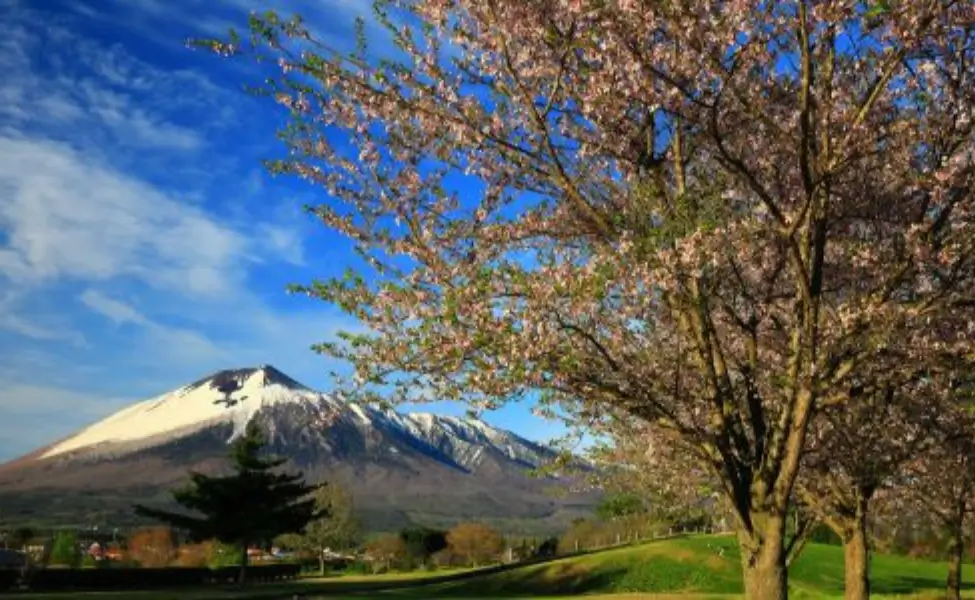
The season runs from December to early May, and the resort’s onsen facilities make for a comfortable end to a day on the slopes.
Food Worth Knowing Before You Arrive
Morioka has a stronger food identity than most visitors expect, with several dishes tied closely to the region rather than to Japan generally.
Knowing what to look for before you arrive means finding a proper specialist restaurant rather than a tourist-facing version.
- Wanko soba is buckwheat noodles served in rapid succession in small individual bowls. Servers refill each bowl the moment you finish, and the experience continues until you place the lid down to stop. Reaching a personal target count is part of the appeal, and the ritual itself is reason enough to seek out a dedicated wanko soba restaurant.
- Morioka reimen is cold, chewy noodles in a chilled beef broth, served with kimchi, cucumber, and often a slice of fruit. The dish came to Morioka from Korea and has a distinctive springy texture. Try it at least once, ideally on a warm day.
- Morioka jajamen is flat noodles topped with a savoury meat and miso paste, eaten with ginger and a raw egg. When the noodles run out, adding hot broth to the remaining paste creates a small finishing soup that locals call chitan.
- Maesawa beef comes from cattle raised in Oshu City in southern Iwate, appearing on menus across the prefecture as steak or shabu-shabu. The farming conditions focus on low stress and a specific diet, producing a tender, well-marbled result. Allow for one proper meal featuring it if your budget permits.

How Many Days, When to Go, and How to Get There
Itinerary options
| Days | Base | What to cover | Car needed? |
|---|---|---|---|
| 1 | Morioka or Ichinoseki | Hiraizumi (Chuson-ji and Motsu-ji), brief walk in Morioka | No |
| 2 | Morioka | Hiraizumi, castle ruins, ironware workshop, all three noodle dishes | No |
| 3 | Morioka | All of the above plus Jodogahama or Kitayamazaki, hiking or skiing in season | Yes for the coast |
Seasonal notes
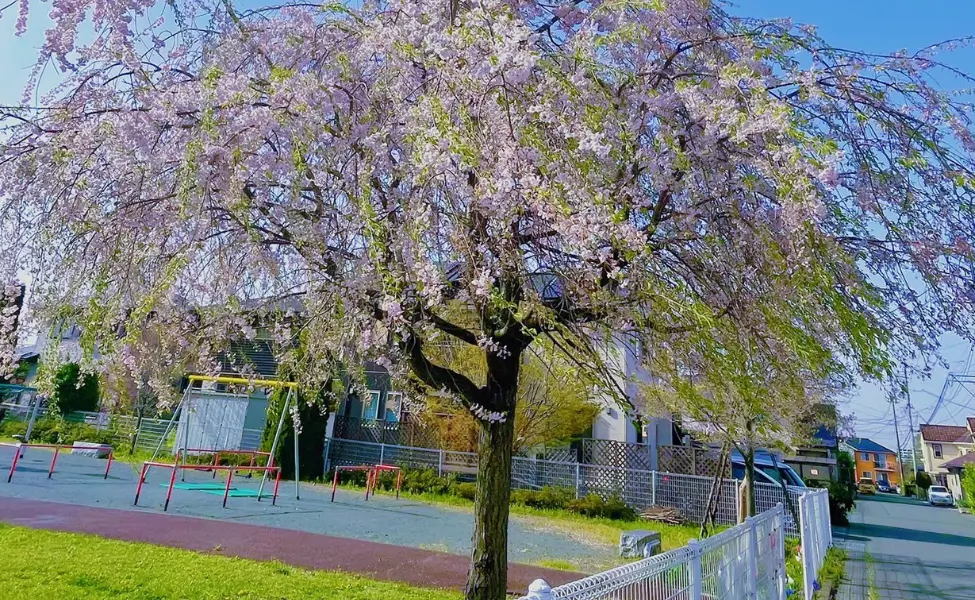
Spring arrives in Morioka in mid-April when cherry blossoms open against the castle’s stone walls, making Iwate Park one of the quieter and more atmospheric blossom spots in Tohoku.
Summer runs noticeably cool compared to Tokyo or Kyoto, and the Sansa Odori festival fills Morioka’s central streets from 1 to 4 August each year.
The festival draws tens of thousands of performers and holds the Guinness World Record for the largest taiko drum performance.
Autumn is the strongest season for the prefecture as a whole, with mountain colour peaking through October and clear skies on the coast.
Winter opens Appi Kogen and the other mountain resorts from December, and Morioka stays quiet and manageable through the snow season.
Getting around
- The Tohoku Shinkansen takes around 2 hours 20 minutes to 2 hours 30 minutes from Tokyo to Morioka. JR Pass holders travel this route free.
- From Sendai, the Shinkansen reaches Morioka in approximately 40 minutes.
- From Morioka, a local train to Ichinoseki takes about an hour, then a 10-minute connection brings you to Hiraizumi. The Shinkansen to Ichinoseki takes 30 minutes if you prefer.
- A direct resort bus from Morioka Station reaches Appi Kogen in 50 minutes.
- The JR Yamada Line connects Morioka to Miyako for Jodogahama in roughly 90 minutes. Trains are infrequent, so check the timetable before travelling.
- For Kitayamazaki, the Sanriku Railway to Tanohata then a share taxi covers the final stretch. A rental car is the more practical choice for most people.
Iwate is not the easiest prefecture to get to.
But for travellers who want regional depth rather than another pass through the standard circuit, Morioka, Hiraizumi, the Sanriku coast, and the mountains give it a range that few Tohoku prefectures match.
Come with two nights, a flexible third if the coast draws you, and a clear appetite for somewhere that most visitors quietly bypass.

