
Picture a snug private room with your friends.
You hold a microphone, eager to sing your heart out.
No strangers are watching, so there’s no pressure to be perfect.
This is Japanese karaoke.
It’s a fun way to sing in private rooms, known as “karaoke boxes.”
You can relax and express yourself without any audience pressure.
Culture and History
What Is Japanese Karaoke?
Japanese karaoke is all about singing along to music tracks while the lyrics scroll on a screen.
People usually enjoy this activity in private rooms or sometimes in bars.
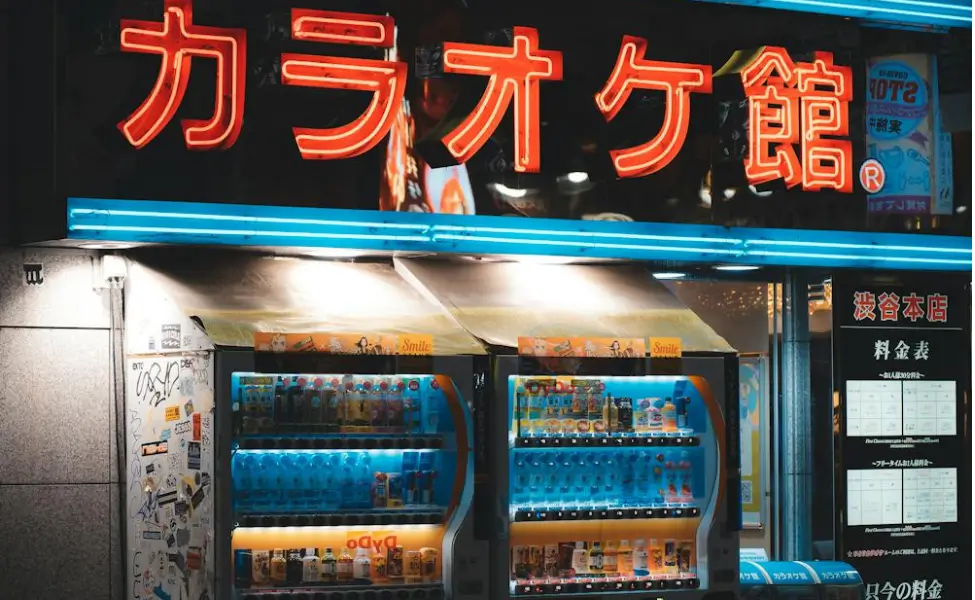
It’s now a key part of Japanese social life.
Whether for casual hangouts with friends or for bonding with coworkers, it plays a big role.
Origins and Evolution of Karaoke in Japan
Karaoke began in Japan during the 1970s when Daisuke Inoue invented the first karaoke machine in 1971.
He was a drummer who made backing tracks for singers at parties.
He built simple machines that included a tape deck, microphone, and speakers.
Businessmen were among the first enthusiasts, visiting bars and clubs after work to unwind through singing.
The 1980s saw karaoke explode in popularity.
It also brought karaoke boxes, or private rooms where groups could sing together.
As technology moved from analog to digital, machines provided better sound quality and larger song libraries.
Karaoke’s Cultural Impact in Japanese Society
Karaoke has woven itself into everyday Japanese life as a means for people to connect with friends, family, and colleagues.
Corporate bonding often happens at after-work karaoke.
Colleagues can relax, let off steam, and strengthen their relationships.
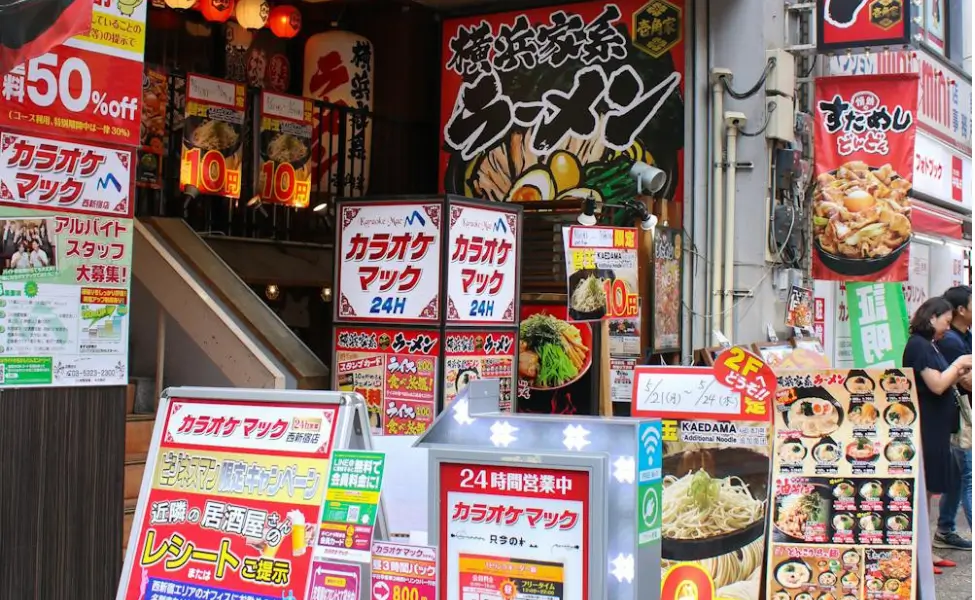
The activity helps even shy individuals express themselves through song.
Solo karaoke, or “hitori karaoke,” has become popular.
People visit alone to practice or relax after tough days.
Most Japanese see karaoke as a way to express themselves.
They focus on having fun and joining in, not just singing well.
Karaoke offers foreign visitors a genuine glimpse into Japanese culture.
It shows how people relax and bond with each other.
Venues and Types
Private Karaoke Boxes vs Karaoke Bars
Japan offers two main types of karaoke venues, each with distinct atmospheres and experiences.
| Venue Type | Cost Range | Group Size | Privacy Level |
|---|---|---|---|
| Karaoke Box | ¥500 to ¥2,500 per hour | 1-20 people | High |
| Karaoke Bar | ¥500 to ¥1,000 per drink | 1-10 people | Low |
Karaoke boxes are private rooms rented by the hour, with pricing varying by location and timing.
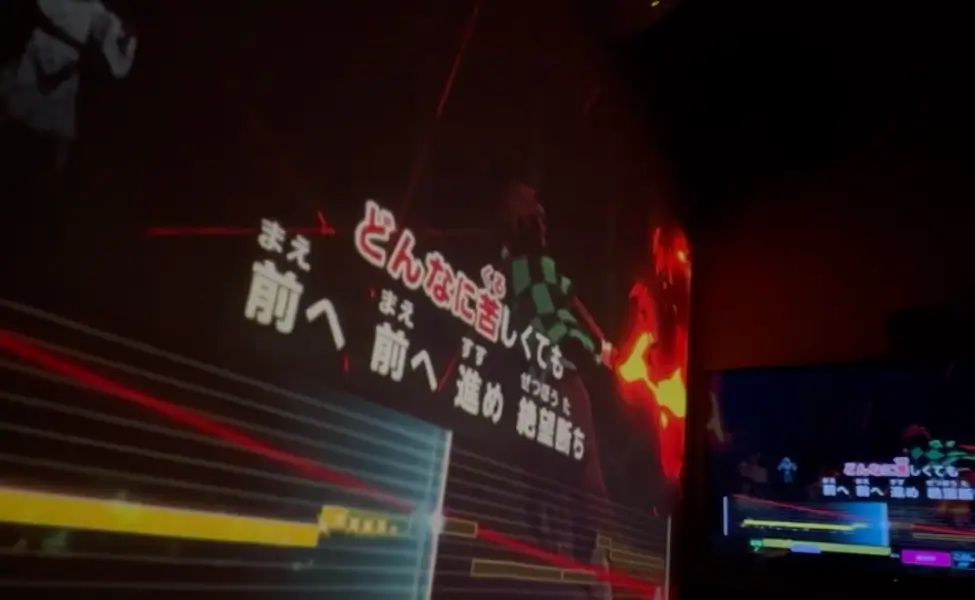
These rooms come with karaoke machines, microphones, and touch panels for picking songs.
You can also order food and drinks right to your room.
Modern systems have accessibility options. These include adjustable volume controls, large text displays, and voice command features.
They make navigation easier.
Karaoke bars offer a more open environment where patrons sing in front of other customers, taking turns in a shared space.
Karaoke boxes are perfect for small, fun get-togethers with friends. However, bars are better for mingling and entertaining bigger crowds.
Many karaoke establishments operate 24 hours, making them convenient for late-night entertainment.
Popular Karaoke Chains
Several major chains dominate Japan’s karaoke scene.
Karaoke-kan stands out with its blue lights and red signs.
It’s especially popular with students.
Big Echo appeals to older customers with high-end food and drink options.
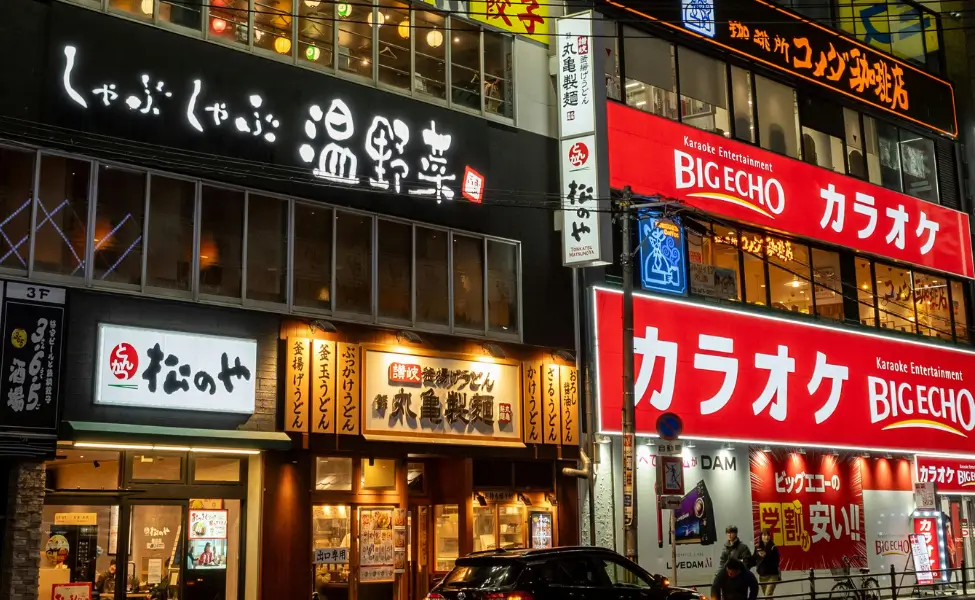
It often includes themed rooms or partnerships with movies and artists.
Joysound has a strong presence with a wide range of songs and modern equipment.
They offer both budget and premium room options.
Other chains, like Manekineko offer different features, prices, and room styles.
Most chains provide membership discounts.

You usually only need a phone number and a Japanese address.
However, how these discounts are applied can differ by location.
How to Use Japanese Karaoke
Booking and Arrival Process
You can reserve rooms online or walk in directly.
Major chains like BIG ECHO, Karaoke Kan, and Karaoke Manekineko accommodate walk-in customers.
At the front desk, provide your group size, preferred session length, and decide between hourly rates or unlimited “free time” plans.
Staff typically request your name, contact information, and session duration.
You’ll receive a card or receipt showing your room number and end time.
Keep this document for payment upon departure.
Room Setup and Karaoke Systems
Each room has a tablet for choosing songs.
Most machines support several languages, including English, making it easy to navigate.
Songs display on large monitors, searchable by artist, title, genre, or decade.
Many systems now offer features for various needs:
- Wireless microphones for mobility
- Adjustable stands
- Remote controls for easy access
- Voice search capabilities
Begin by selecting your preferred language on the tablet, search for songs, and tap “send” or “reserve” to queue selections.

You can line up multiple songs in advance for continuous play.
Rooms are soundproofed for great singing. Keeping doors closed helps avoid disturbing other guests.
Advanced features include vocal scoring, sound effects, and key adjustment to match your vocal range.
Food and Drink Options
Staff usually arrive early to take drink orders.
They offer sodas, juices, coffee, tea, beer, cocktails, and all-you-can-drink packages.
These packages often include special cups for self-service refills at drink stations.

Food menus feature snacks and light meals such as fries, chicken, pizza, and Japanese specialties like takoyaki.
Use the in-room phone to order additional items for direct delivery to your room.
Outside food and beverages are typically prohibited and may result in extra charges or removal from the premises.
Song Selection and Popular Music
Traditional Japanese Karaoke Classics
Popular choices feature timeless ballads like “Hanamizuki” by Yo Hitoto, highlighting vocal range.
There are also enduring hits like “Sukiyaki” by Kyu Sakamoto, which appeal to all generations.
These songs represent karaoke’s traditional repertoire that has maintained popularity for decades.
Anime and Pop Culture Songs
Anime themes form a significant portion of karaoke selections.
Some popular picks are “Unravel” from Tokyo Ghoul, “Zankoku na Tenshi no Thesis” from Neon Genesis Evangelion, and “Kamado Tanjiro no Uta” from Demon Slayer.
Language Options and Accessibility
Many places provide romaji versions of Japanese songs.
They show the lyrics in Roman letters for those who don’t speak Japanese.
Popular songs often offer different language options.
You can choose between Japanese, romaji, and sometimes English translations, as well as the original lyrics.
Venues are offering more accessibility features.
For example, they provide Braille songbooks for visually impaired users.
They also include audio descriptions of song choices, so users can select independently.
Etiquette and Tips
Practical Considerations
Make reservations during busy periods like weekends to ensure room availability.
Arrive punctually to avoid losing your spot or incurring additional charges.
Monitor your time carefully, as staff typically provide ten-minute warnings before sessions end.
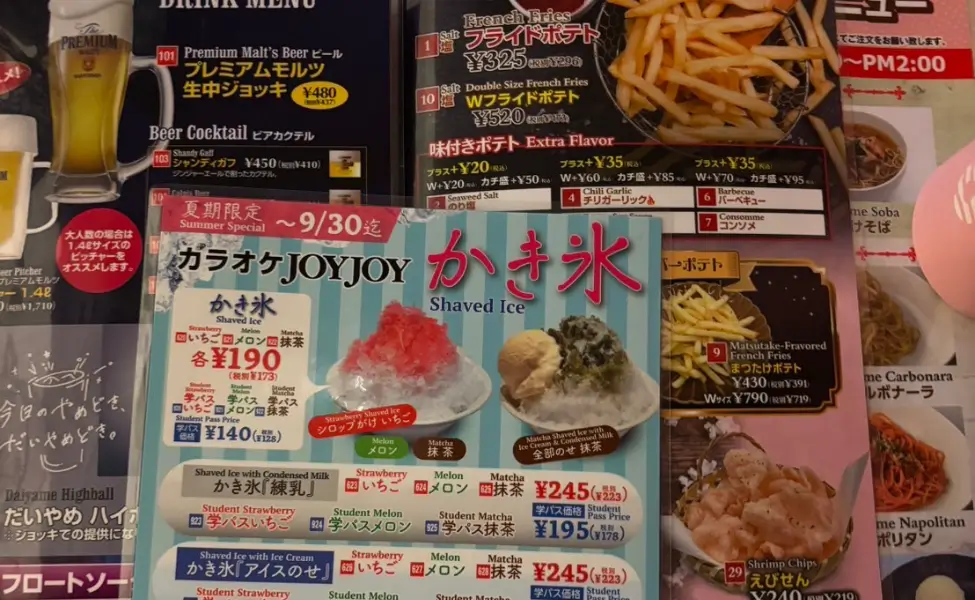
Order drinks early, especially if choosing all-you-can-drink options that require advance selection.
Bring identification for alcohol purchases, as staff may verify age.
Understand pricing structures beforehand, as rates vary by time of day and package type.
Respecting Equipment and Other Guests
Handle microphones carefully, avoiding drops or impacts that could damage expensive equipment.
Keep food and beverages away from machines and tablets to prevent costly spills.
Report technical issues to staff immediately rather than attempting repairs yourself.
Maintain appropriate noise levels in corridors, reserving singing for soundproofed rooms.
Clean up after your group by disposing of trash and wiping up spills for the next users.
Keep doors closed during singing to prevent sound leakage that disturbs other patrons.
Use control systems properly without forcing buttons or adjusting system settings unnecessarily.
Modern karaoke tech is always changing.
It now has digital song libraries with thousands of tracks.
It features touchscreen interfaces, wireless connections, and great accessibility options.
These advances ensure that Japanese karaoke is fun and welcoming for all, whether they are newcomers or regular fans.
