Most visitors to Nagoya spend their time at Nagoya Castle, eat miso katsu, and head straight for Kyoto on the shinkansen.
That is their loss.
Less than an hour south of the city, the Chita Peninsula stretches down into Ise Bay and offers a completely different side of Aichi Prefecture.
There’s a thousand-year-old pottery town.
A vinegar museum that is one of the best-produced attractions in the whole region.
A mentaiko factory where entry is free and the sampling is generous.
And a prawn cracker village that sounds like a novelty stop and turns out to be genuinely worth an hour of anyone’s time.
There is also a working fishing cape, two small islands reached by ferry, long stretches of coast, and hot spring ryokan looking out over the bay.
The peninsula has enough to fill two days comfortably. Most people from overseas have never heard of it.
The article works north to south.
A car makes life considerably easier here, though the Meitetsu rail network covers most of the key stops.
Tokoname: The Best Reason to Come
If you visit only one place on the Chita Peninsula, make it Tokoname.
It sits at the northern end of the peninsula, five minutes by train from Chubu Centrair International Airport, and it is one of Japan’s Six Ancient Kilns.
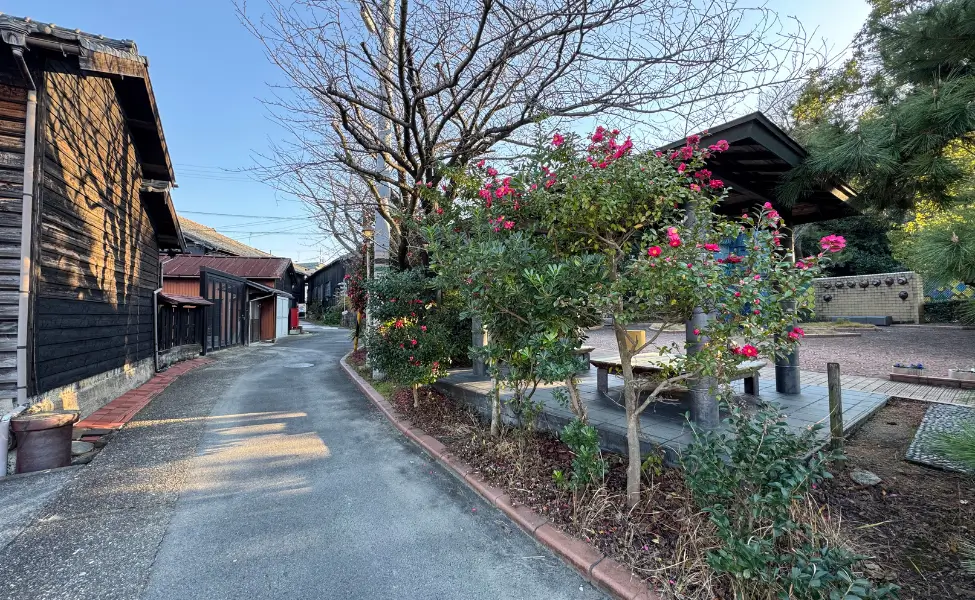
Ceramics have been produced here for over a thousand years.
Unlike a lot of heritage towns that trade on that fact without really showing it, Tokoname still looks and feels like a working pottery town.
The brick chimneys are real and the clay is still in the lanes.
The studios are still producing.
The Tokoname Pottery Footpath (Yakimono Sanpomichi)
Start at the Tokoname City Ceramics Hall, about ten minutes on foot from Tokoname Station.
The Pottery Footpath loops through the old Sakaemachi district.
You can choose from two courses.
The shorter A Course covers 1.6 kilometres and takes about an hour.
It passes:
- brick chimneys and kilns,
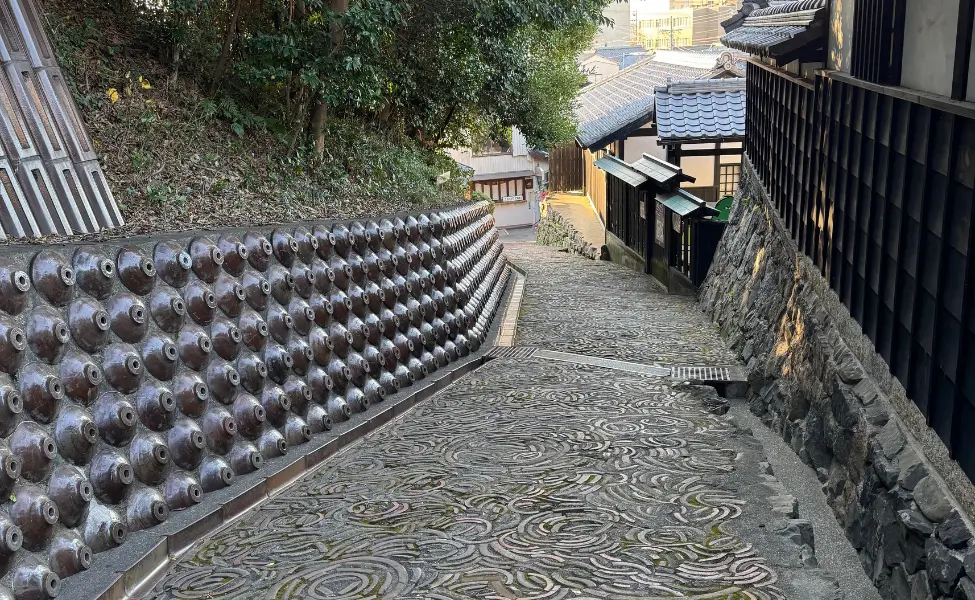
- lanes paved with old clay pipes,
- walls made from recycled ceramic rings and shochu bottles,
- and the largest preserved climbing kiln in Japan.
The longer B Course adds about another ninety minutes and continues out to the INAX Museums.
Walking the path costs nothing.
Along the way you will find working studios offering hands-on pottery sessions, with pieces fired and posted to you after your visit.
Volunteer English-speaking guides are available with advance booking through the Tokoname Tourism Association on 0569-34-8888.
INAX Museums
The INAX Museums sit on the longer B Course route and are worth planning for specifically.
The complex, run by the LIXIL Corporation, now covers seven facilities after the April 2025 opening of the Toilet Culture Museum, which displays an impressive and genuinely unusual collection of decorated Meiji and Taisho-era ceramic toilets.
The tile museum is the centrepiece for most visitors.
Over a thousand decorative tiles from Islamic, Egyptian, Spanish, Dutch, Chinese and Japanese traditions displayed in reconstructed architectural spaces.
The old Kiln Plaza preserves a production building and chimney stack from 1921, built to make the stoneware pipes that helped modernise Japan’s infrastructure.
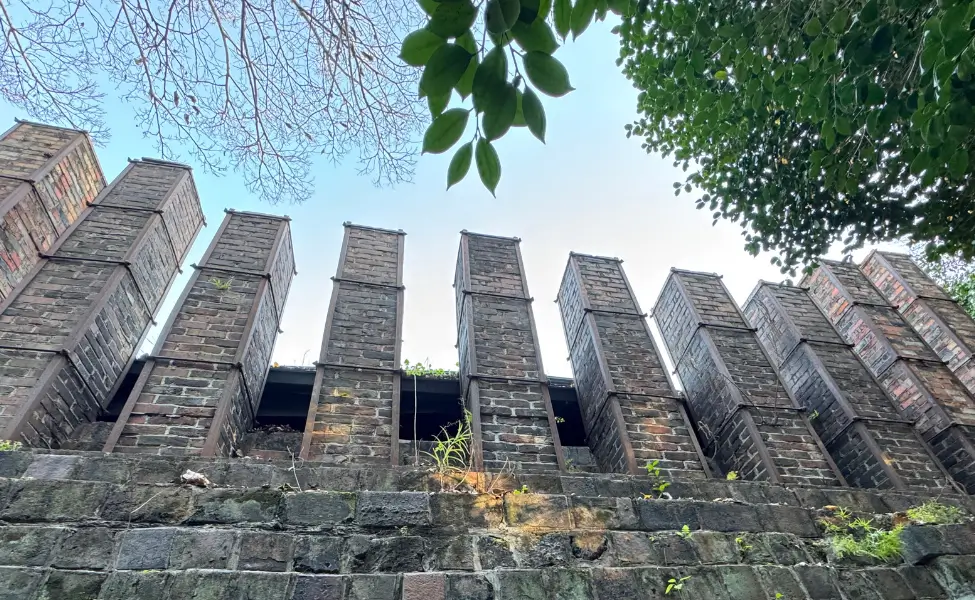
Admission is ¥1,000 for adults, ¥800 for university and college students, ¥500 for high school and junior high school students, and ¥250 for elementary school students.
Open 10am to 5pm, last entry 4:30pm, closed Wednesdays.
Access is by bus from Tokoname Station or Centrair Airport to the INAX Live Museum-mae stop, then two minutes on foot.
Maneki Neko Street and Tokonyan
Tokoname is also Japan’s largest producer of maneki neko, the beckoning cat figure found in shop fronts across the country.
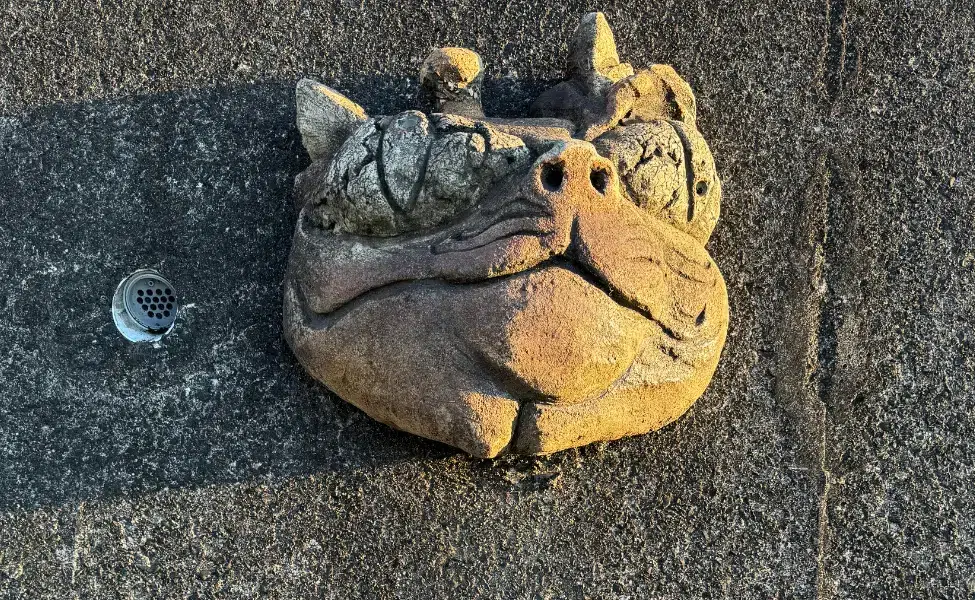
Maneki Neko Street is a sloping lane where ceramic cats line the walls, sit in alcoves, and appear in small roadside shrines.
At the top of the slope, Tokonyan waits.
A giant ceramic cat head and raised paw emerging from the pavement, around three metres tall and six metres wide.
It is one of the largest lucky cats in Japan and entirely in keeping with a city that takes its ceramic identity seriously.
Sawada Sake Brewery
A short walk from the Pottery Footpath, Sawada Shuzo has been producing sake here since 1848.
The brewery is best known for the Hakurou range, with the Chita no Hanatsuyu daiginjo at the top of the lineup.
Guided tours run through the production process and tastings are served in cups made by local Tokoname artisans, which is a nice touch.
Mentai Park Tokoname: Free, Fun and Worth the Stop
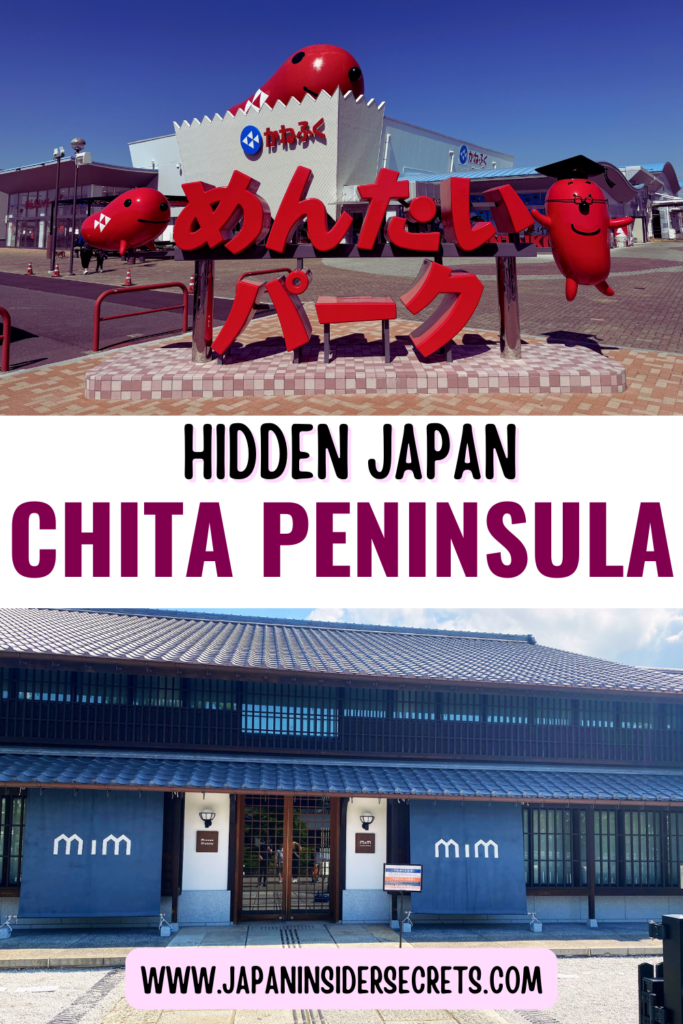
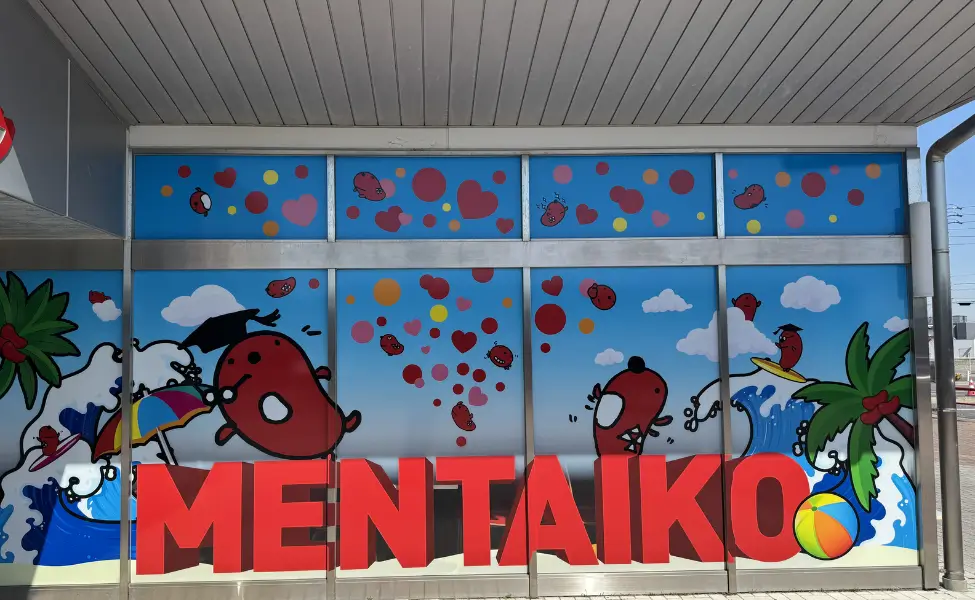
Also in Tokoname, near Centrair Airport in the Rinku district, Mentai Park is a theme park dedicated to mentaiko.
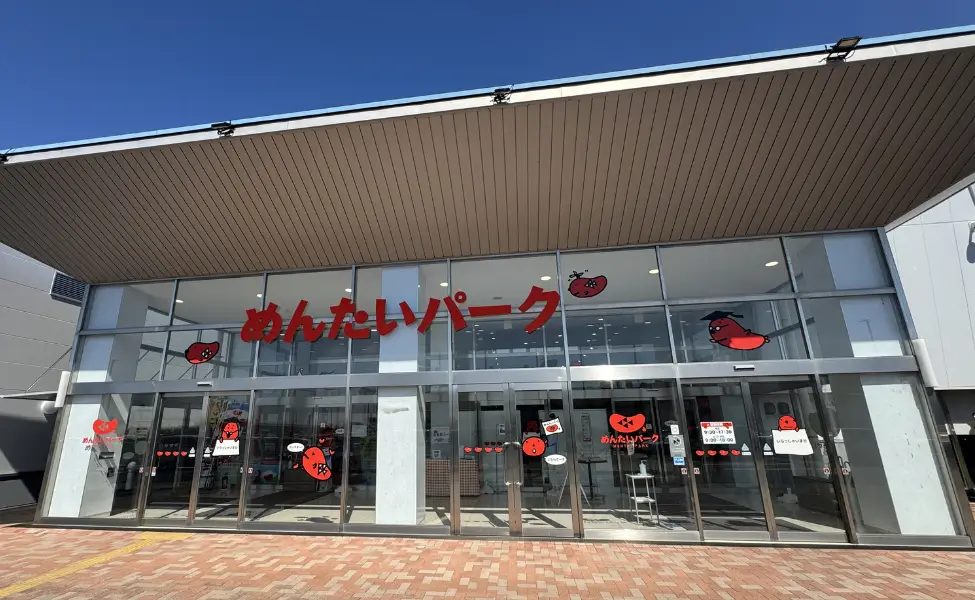
This spicy seasoned pollock roe appears in many Japanese dishes and often surprises first time visitors.
It is run by long-established manufacturer Kanefuku and entry is completely free.
The factory tour is the main draw.
Through glass windows you watch the entire production process: raw roe arriving, going through brining, maturing, shaping and packaging.
The Mentaiko Museum alongside it covers the history and production process through interactive exhibits and games.
The shop sells mentaiko fresh from the factory.

The food court serves mentaiko onigiri, mentaiko pasta, and even mentaiko soft serve ice cream if you want to see just how far they take it.
It has welcomed over eleven million visitors since opening. No reservation required.
Mizkan Museum, Handa: The Standout Museum on the Peninsula
Handa sits on the eastern coast of the upper peninsula, and most people drive straight past it on the way south.
That is a mistake.
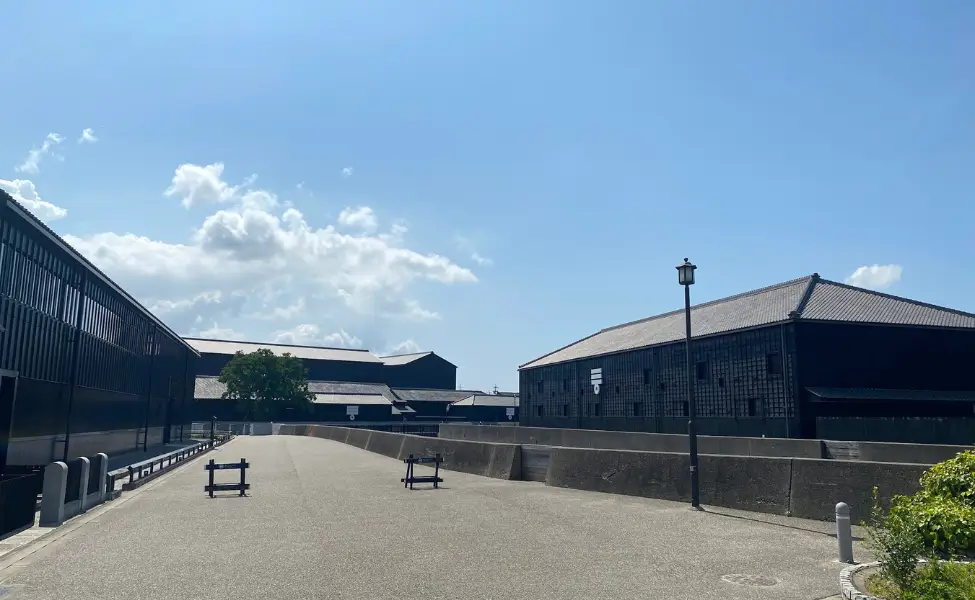
The Mizkan Museum, known as MIM, is one of the most polished attractions in this part of Japan.
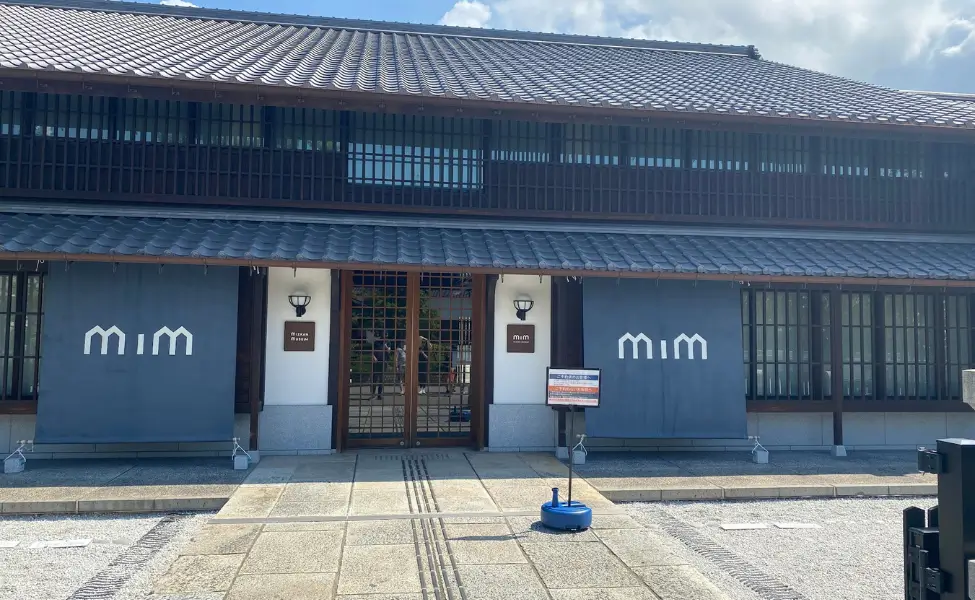
It stands beside the Handa Canal, where the old black walled kura warehouses still give the area its brewing district atmosphere.
Mizkan started here in 1804 as a rice vinegar producer, and the museum traces what happened over the two centuries since.
The exhibits are divided into five zones and follow the company from Edo-period brewing techniques through to its current global scale.
The centrepiece of the full tour is a reproduction of the Bezaisen, the cargo ship that carried vinegar from Handa up to Edo.

Visitors board the ship and a large-screen film takes them on the route to the capital.
It is the kind of exhibit that sounds cheesy in a brochure and lands completely differently in person.
The museum also covers the history of vinegar in Japanese food culture, has interactive zones for younger visitors, and sells limited-edition Ajipon products available only at this site.
Admission is charged and advance online reservation is required.
Tours run every thirty minutes from 9:30am, with the last departure at 3:30pm.
It’s closed Mondays, and the Tuesday following any Monday public holiday.
Access is a thirteen-minute walk east from Chita Handa Station on the Meitetsu Kowa Line, or three minutes from Handa Station on the JR Taketoyo Line.
There is plenty of parking as we found when we drove there.
Ebisenbei-no-Sato: Surprisingly Good for What It Is
Midway down the peninsula in Mihama, Ebisenbei-no-Sato is a factory attraction built around ebi senbei, Aichi’s prawn-flavoured rice crackers.
The prawn is the official fish of Aichi Prefecture and these crackers have been made here using locally caught shrimp for generations.
Entry and sampling are free, no reservation needed.
Through glass walls you watch the production line.
Then you work through a sampling counter carrying around forty varieties before deciding what to buy.
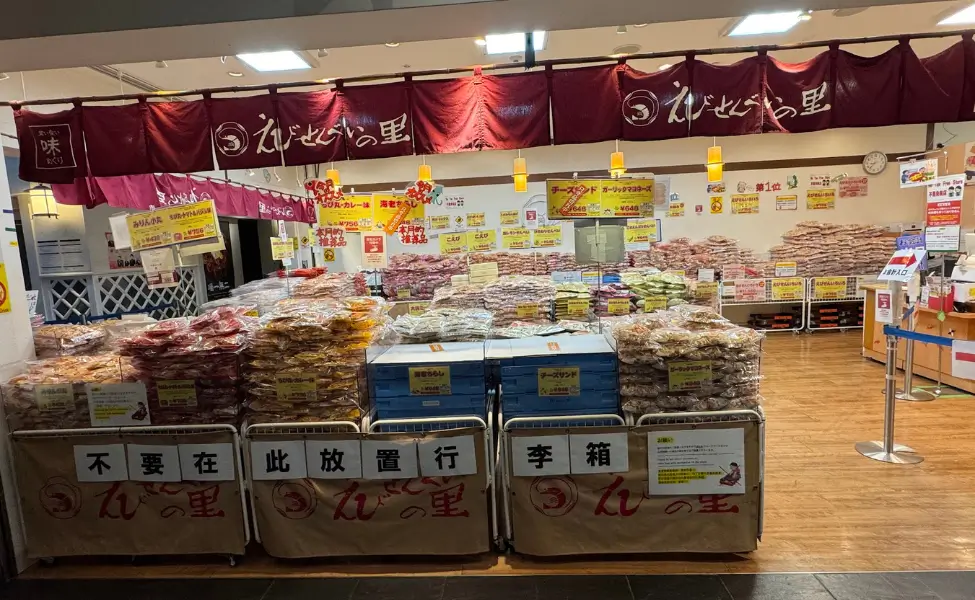
Free coffee and tea are in the rest area.
On weekends and public holidays, a hands-on session lets visitors bake their own large-format ebi senbei, around thirty centimetres across, decorating it before baking.
The whole thing takes about ten minutes and works for children from age five upwards.
It sounds like a quick stop and it is, but it is a genuinely enjoyable one.
The crackers are actually good and the variety is real, not just packaging.
They even sell Ika (Squid) wine!
Easiest to reach by car from Mihama IC on the Minami-Chita Road.
More to See on the Peninsula
The four attractions above could fill a solid two days on their own.
If you are staying longer or combining the peninsula with a coastal ryokan overnight, here is what else is worth your time.
Minamichita Beachland and Toy Kingdom, Mihama
Minamichita Beachland opened in 1980 and claims to be Japan’s leading interactive aquarium.
The main tank holds 1,000 tons of water stocked with fish from Ise Bay, but the draw is the marine mammal programme.
Dolphin and sea lion shows, feeding sessions, and touch pools with penguins, walruses, seals and otters.
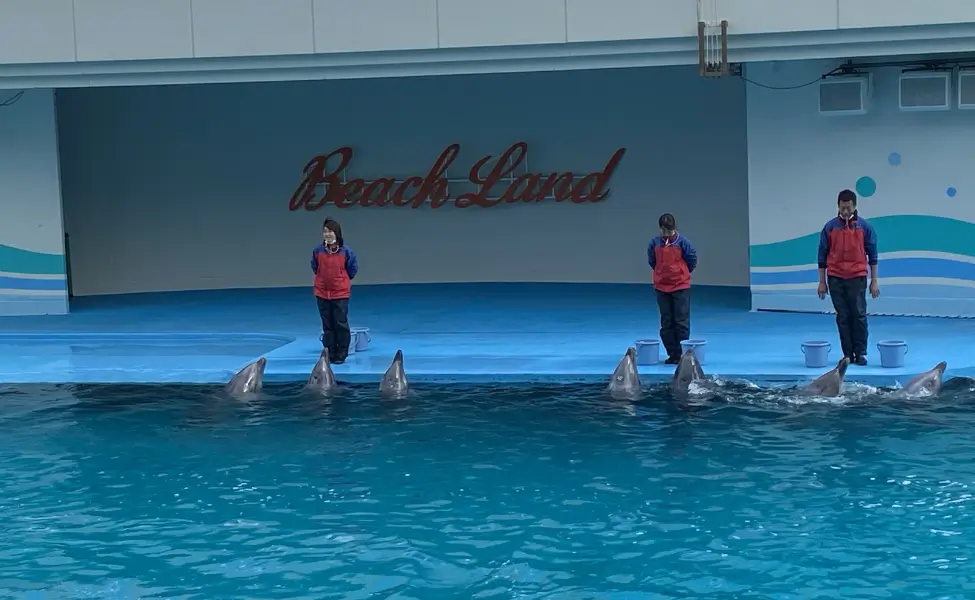
In 2006, Toy Kingdom was added alongside it, with around 600 types of Japanese toys across nine pavilions.
The Ferris wheel stands forty metres tall with views over Ise Bay and across to Centrair.
Admission is ¥2,200 for adults and high school students, ¥1,100 for children aged two and above. Closed Tuesdays and Wednesdays from December through February.
A fifteen-minute walk from Chita Okuda Station on the Meitetsu Chita New Line.
Utsumi Beach and Minamichita Onsen
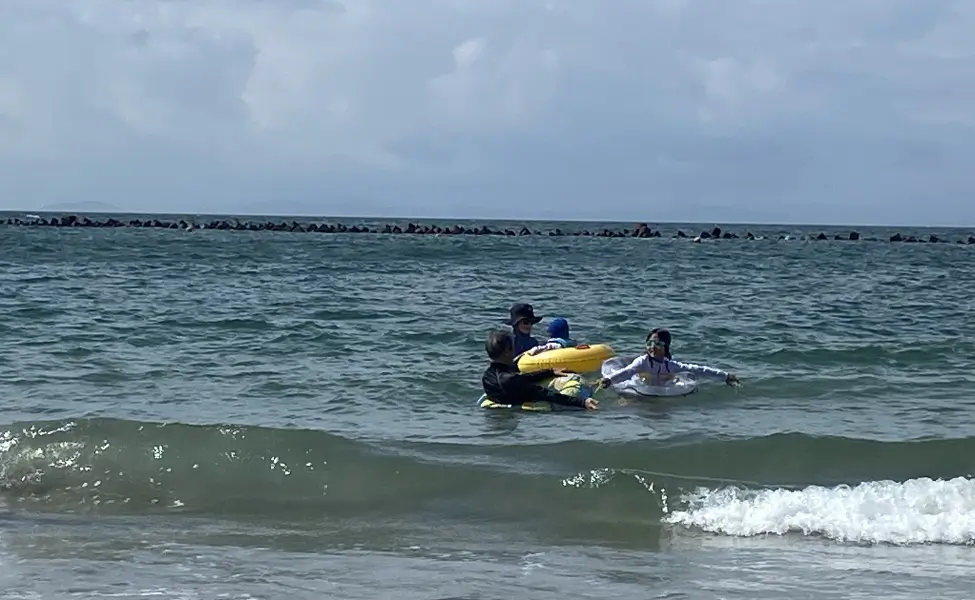
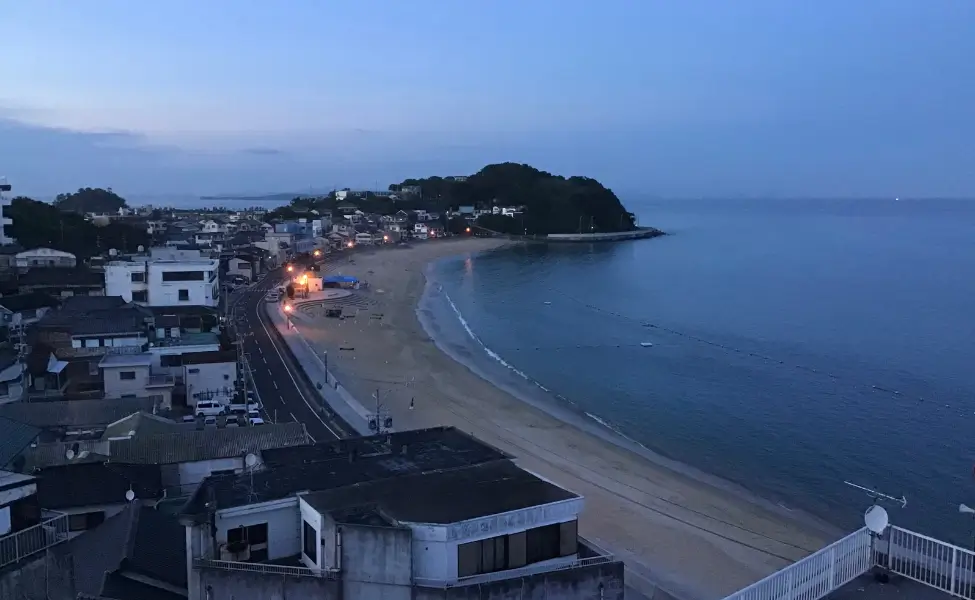
Utsumi’s Chidorigahama is 1.6 kilometres of fine sand on the south-western coast and draws around 500,000 visitors each year in July and August.

Outside summer it is quiet and easy.
The Meitetsu Chita New Line runs to Utsumi Station, from which the beach is fifteen minutes on foot.
The hot spring resorts of Minamichita face Ise Bay across three areas:
- Utsumi,
- Yamami
- and Toyohama.
Most ryokan here are small, around fifty guests, and the cooking is the main event.
Torafugu, the tiger puffer, is in season from October through March, and Aichi is one of Japan’s significant producers of wild tiger puffer.
If you visit in that window, ordering fugu at a coastal ryokan is the obvious move.
Cape Morozaki and the Hazu Shrine Grove
At the southern tip of the peninsula, the grove around Hazu Shrine is a primeval ubame oak forest designated a National Natural Monument.
An 800-metre path runs through the trees to a wooden observation deck with wide views across Mikawa Bay, Ise Bay and the Atsumi Peninsula.
There is a second deck in front of the shrine’s main hall. Locals see the shrine as a power spot for finding love.
And they call the oak tunnel path the Love Romance Road, which either matters to you or it does not.
Morozaki Port, right beside the cape, has a morning market running daily from 8am to noon, closed Wednesdays and in bad weather.
Around twelve stalls sell freshly caught seafood, dried fish, himono, shirasu whitebait, shellfish and local snacks.
Grilled squid is made to order on Sundays. Parking is ¥100 per hour.
Himakajima and Shinojima
From Morozaki Port, high-speed ferries reach Himakajima in ten minutes and Shinojima shortly after.
From Kowa Port on the eastern coast, both islands are around twenty minutes away.
Check current fares and timetables before you go.
Himakajima (circumference 5.5km, population just over 2,000) runs on octopus fishing using traditional trap-pot methods that keep the catch in good condition.
The whole island leans into this.
Octopus-shaped police box, octopus on the manhole covers, octopus monument at the western port.

The food at restaurants around both ports is the reason to come: whole boiled octopus, tako-meshi, and octopus shabu-shabu.
Fugu joins the menu from October through March.
Shinojima is quieter.
A white sand beach sits about fifteen minutes from the ferry terminal.
The island also has an onsen and a long connection to Ise Grand Shrine.
Since ancient times, it has supplied sea bream to the shrine three times a year.
Far fewer visitors come here than to Himakajima, which is part of the appeal.
Getting Around
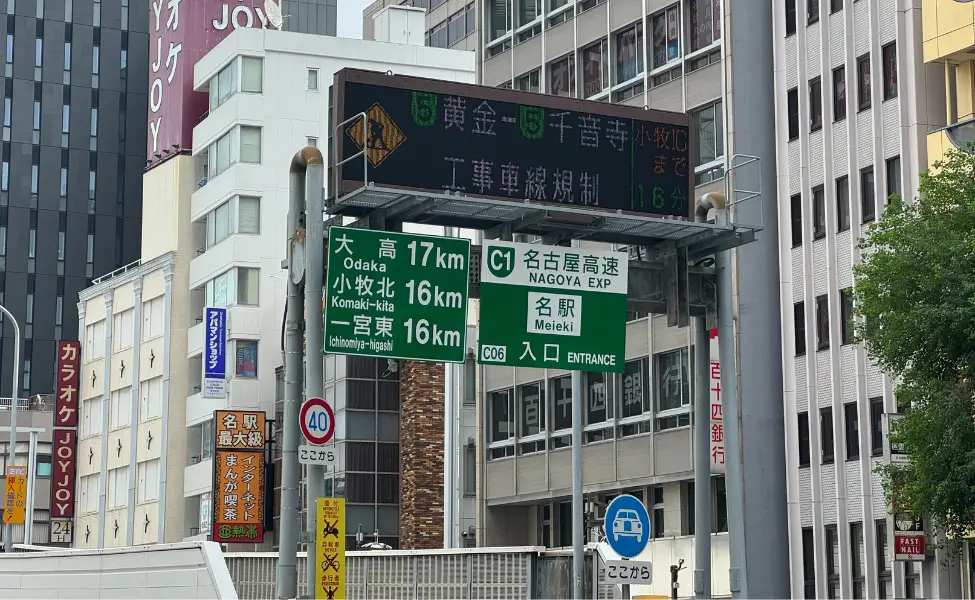
A car is the most practical way to cover the full peninsula.
The Chita Peninsula Road (Chita Hanto Doro) runs the western coast with multiple interchanges.
From Nagoya you can take route 247 from Atsuta down and round the peninsula.
By train, the Meitetsu Tokoname Line covers the eastern coast including Tokoname.
The Meitetsu Chita New Line runs to Utsumi.
The Meitetsu Kowa Line reaches Kowa on the eastern side for island ferries.
Buses connect the main points from each rail station, though some routes are infrequent and worth checking in advance.
When to Go
The peninsula works year-round.
Beaches peak in July and August alongside the crowds.
Fugu season (October to March) is the time to stay overnight in Minamichita for the food.
November is probably the most comfortable month overall for driving the coastal roads.